
11 Things That Were Affordable 10 Years Ago That The Middle Class Can’t Afford Anymore
Many of these weren’t considered luxuries a decade ago, they were part of everyday middle-class life.
 MixMedia from Getty Images Signature | Canva Pro
 Even as the average U.S. household struggles to afford groceries and other basic necessities, it’s hard to ignore how many everyday comforts were still within reach just 10 years ago but are now out of bounds for the middle class. What once felt like a small indulgence or a reasonable expense has quietly turned into something many families have to think twice about or skip entirely.
With financial stress and food insecurity rising over the past decade, according to a U.S. Department of Agriculture report, the issue goes far beyond simple inflation. It reflects deeper shifts in cost of living, wages, and the way modern life has become more expensive in ways that aren’t always obvious. From social habits to practical needs, the squeeze shows up everywhere. Here are 11 things that used to be affordable 10 years ago that many middle-class households can no longer justify paying for today.
1. Owning a pet
 Hananeko_Studio | Shutterstock
Nearly 72% of pet owners say that the cost of pet ownership has drastically increased in the past year alone. From veterinarian bills to grooming costs and even buying dog food, prices have been consistently going up over the past decade, making the once stress-relieving routine of being a pet owner a new financial burden.
While dog owners tend to spend nearly $200 more a year on their pets compared to cat owners, most pet owners now have to budget nearly $2K in annual spending, just for general maintenance. These pets aren’t something that can be compromised either, as research shows the majority view their animals as their family, leading to difficult financial sacrifices and decisions that can directly influence the health and wellbeing of parents, children, and other opportunities.
2. Taking family vacations
 Dean Drobot | Shutterstock
According to MarketWatch research, three-quarters of Americans have taken on debt in order to pay for family vacations in recent years, unwilling to sacrifice the luxury of time-off from work, quality family time, and a chance to rest. However, this is the kind of credit card debt that follows families for years and years, impacting their ability to pay later bills, afford basic necessities, and retire on-time.
It’s an unfortunate reality that many families struggle with. They desperately need a break, but can’t afford to take the time away and don't know how to make it work with their finances.
3. Eating out at restaurants
 Drazen Zigic | Shutterstock
Even at chain restaurants like Chili’s or Applebees, many families argue they’re unable to afford “going out” to eat anymore, compared to a decade ago. Research from Top Nutrition Coaching argues that American families save nearly $12 per person on meals when they eat at home. with the average meal at an inexpensive restaurant costing nearly $17.
Especially in urban areas and high population cities, families are burdened with even more expensive restaurant prices, turning restaurants and celebration meals into a luxury that’s largely inaccessible for most people.
4. Buying concert tickets
 MAYA LAB | Shutterstock
The reason for the inaccessibly high cost of today's concert tickets has been attributed to five major sources: artists, promoters, the venues that host concerts, the ticketing companies selling tickets, and ticket resellers.
While competition, similar to Taylor Swift’s “Era’s Tour” debacle on Ticketmaster, is intended to restore accessibility to concert tickets and fair prices, the majority of consumers are still unable to afford the luxury of live music and shows.
5. Buying groceries
 F.T. Photographer | Shutterstock
Data shows that grocery prices have risen by nearly 25% since March 2020, and many consumers are reaping the likely consequences of greedflation, which actually makes their purchasing reality much worse.
Inflation, supply chain issues, high energy costs and various other factors have made it painfully difficult for many families to put food on the table every night, let alone purchase basic necessities that spark a sense of much-needed joy at home.
6. Shopping at thrift stores
 GaudiLab | Shutterstock.com
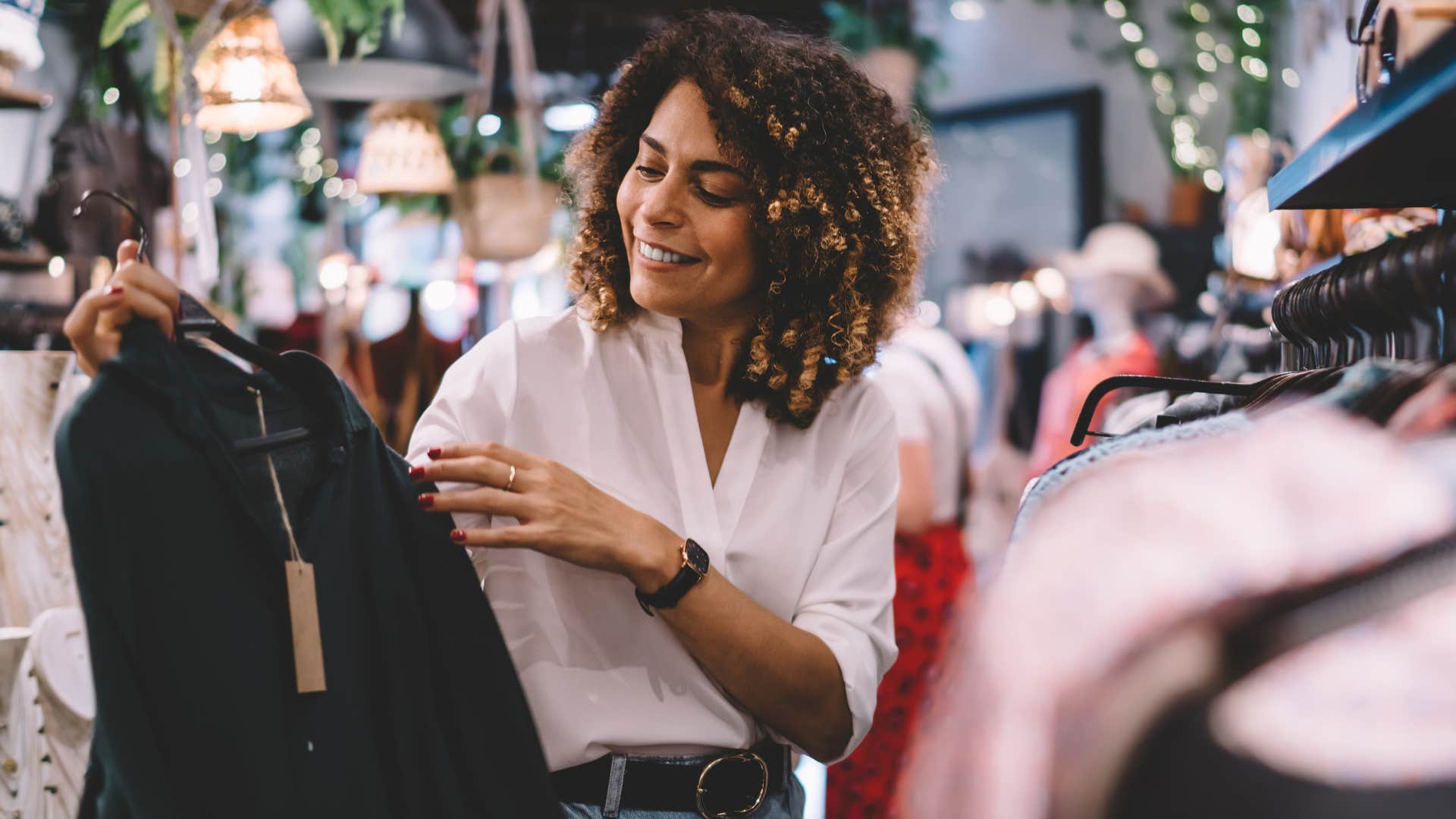
A once accessible option for low-income families and individuals, thrift stores and second-hand clothing shops have now become too expensive for their target demographic, making it increasingly difficult for many families to purchase necessities like new winter coats, boots, and back-to-school essentials.
According to CJ&CO founder Casey Jones, thrift stores like Goodwill have raised their prices not only due to rising rent and maintenance costs, but because of pop culture trends popularizing the bargain accessibility of thrifting.
With buy-and-sell platforms like Depop helping consumers purchase cheap items at thrift stores and resell them for a profit, many corporations have increased their prices to discourage reselling. While this might discourage financially secure shoppers, it only makes thrift stores less affordable for the families truly in need.
7. Basic health care like teeth cleanings
 Drazen Zigic | Shutterstock
The Commonwealth Fund 2023 Health Care Affordability Survey found that healthcare coverage is largely inadequate for the majority of Americans, preventing them from getting both the preventative and reactionary care they need to maintain their health and wellbeing.
From teeth cleanings to regular physicals, families are having to save and “splurge” on basic necessities, either because their healthcare is insufficient or nonexistent, or because prices are being unknowingly raised as independent practices and organizations.
8. Paying rent or owning a home
 People Images Yuri A | Shutterstock
While Chase Bank says consumers should only spend around 30% of their monthly income on rent, more than 40% of renters reportedly spend more than 35% of their income on housing.
Similarly, with home prices and interest rates soaring in recent years, the long-term investment of purchasing a home has become increasingly burdensome. When you consider a down payment, maintenance costs, insurance, property taxes, and utilities, owning a home is largely impossible for many people to consider.
9. Fast food meals
 Ivanko80 | Shutterstock.com
From dollar menus to general affordability, the toss up between nutrition and convenience has long been a losing battle. Now fast food has become equally bad for your personal health and financial health in many ways, with nearly 80% of Americans now saying fast food has become a luxury due to the high prices.
In big-picture terms, discussing issues of food insecurity and waste, many fast food corporations and restaurants are also negatively impacting their local communities in need by throwing away incredible volumes of uneaten food and feeding into manipulative advertising tactics against vulnerable demographics.
10. Replacing basic household appliances
 People Images Yuri A | Shutterstock.com
Many families across the country are simply betting on their stability, fully aware that they wouldn’t be able to afford emergency bills, a broken appliance, or a last minute bill that comes from left field. From maxed out credit cards to insufficient job compensation, they live day-by-day in survival mode.
Of course, they don’t have the luxury of thinking about fixing their air conditioner or buying a new microwave when they’re not even sure if they’ll be able to afford their basic rent and utilities bills when the time comes.
11. Shopping at farmers' markets
 Dragana Gordic | Shutterstock.com
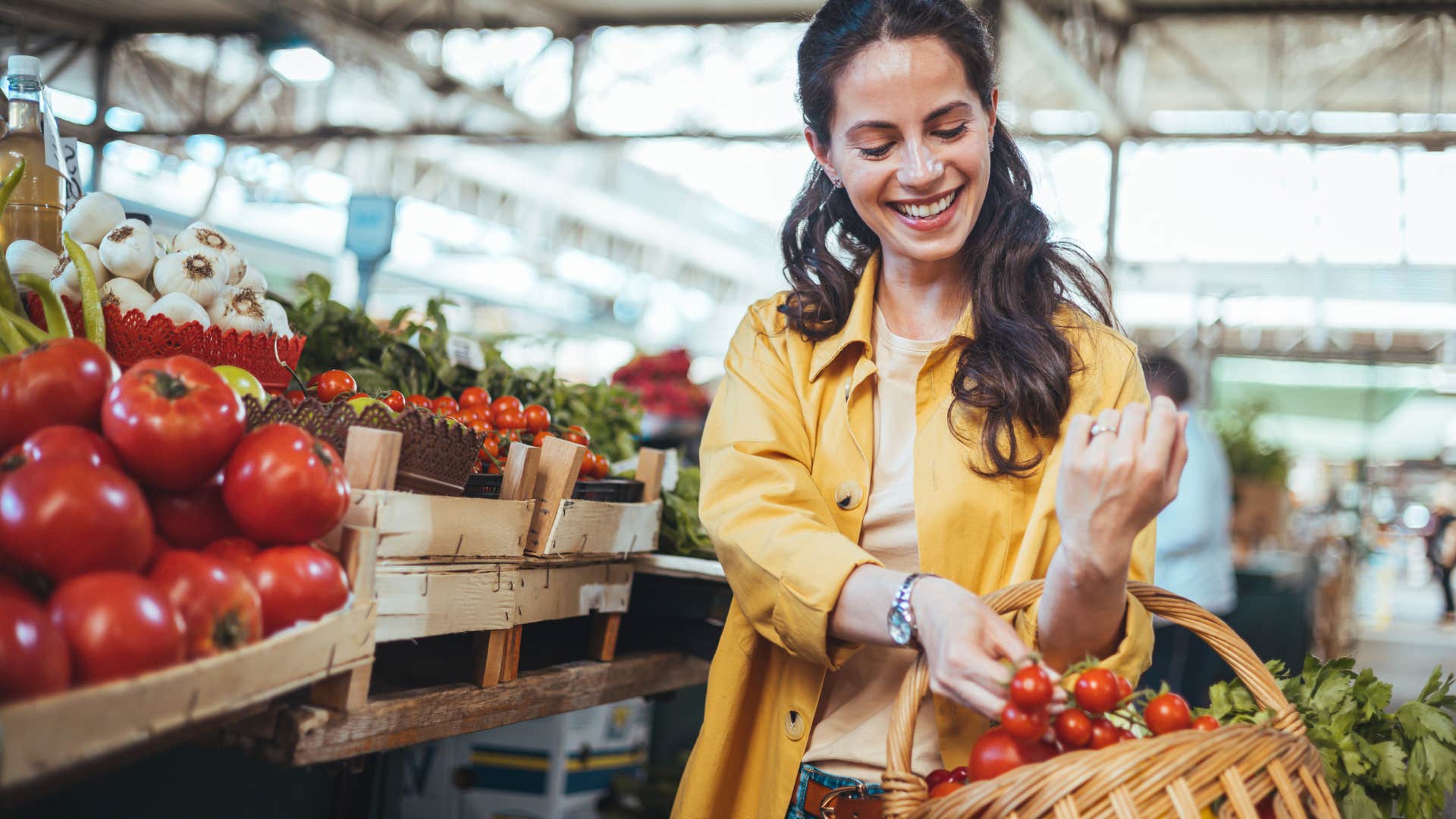
Especially for people who prioritize organic, nutritional foods and rural communities that rely on agricultural neighbors for accessible produce, it’s becoming impossible to ignore the rising prices of farmers' market goods. Of course, it’s a vicious cycle. When other costs rise, like rent or utilities, sellers raise their own prices, making everything less accessible amid financial concerns.
In conjunction with growing climate issues, bad harvests, and the insecurity of many agricultural careers, as a report from The Nature Conservancy shows, the rising prices aren’t just affecting consumers, but local sellers and farmers, as well.
Zayda Slabbekoorn is a senior editorial strategist with a bachelor’s degree in social relations & policy who focuses on psychology, relationships, self-help, and human interest stories.
