
Parents Who Enforce These 12 Unusual Rules Weirdly Seem To Raise Healthier Kids
 Ground Picture | Shutterstock
 While parenting can be all-encompassing in many households with young children and teenagers, data from Pew Research Center argues that many parents are constantly looking ahead. Whether it's building healthy habits or centering rules parents have that actually make their kids better people, many households are thinking about their children's future when crafting daily routines.
Parents can set their kids up for success in adulthood, all by prioritizing their health and well-being, something they may have been lacking in their own childhood. Maybe it's setting a strict bedtime or not allowing sleepovers, but either way, parents who enforce these unusual rules weirdly seem to raise healthier kids. It's rules like these that have many parents crafting and prioritizing their kids to benefit them now and years down the line.
Parents who enforce these 12 unusual rules weirdly seem to raise healthier kids
1. Early bedtimes, even on weekends
 Kitreel | Shutterstock
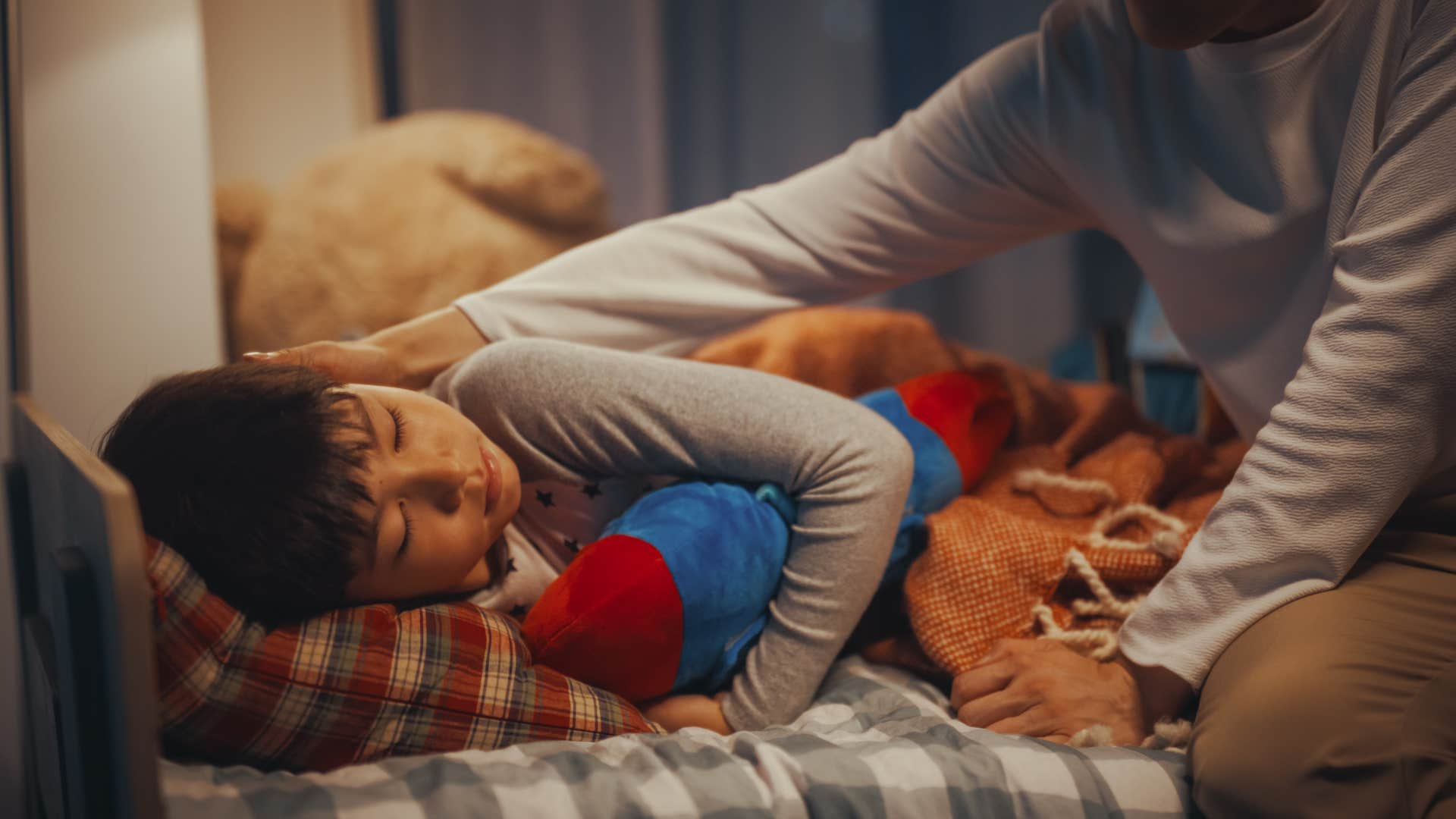
Ensuring kids get the right amount of sleep to restore their bodies and minds is incredibly important. Oftentimes, early in their kids' lives, it's a parent's responsibility to make sure they set a healthy schedule and routine. Many households have mastered this restorative routine by enacting the rule that everyone goes to bed early, even on weekends, to prioritize their sleep.
According to psychologist Reut Gruber, a child's early bedtime routine is incredibly impactful on every aspect of their lives, from physical health, to emotional well-being, and general "brain repair and recovery." Additionally, a study from the Journal of Pediatric Psychology found that children with later bed times tend to struggle with emotional functioning, memory, and concentration compared to those with earlier bed times, as well as being at a higher risk for harmful depression and anxiety symptoms.
2. No snacks before bed
 Pixel-Shot | Shutterstock
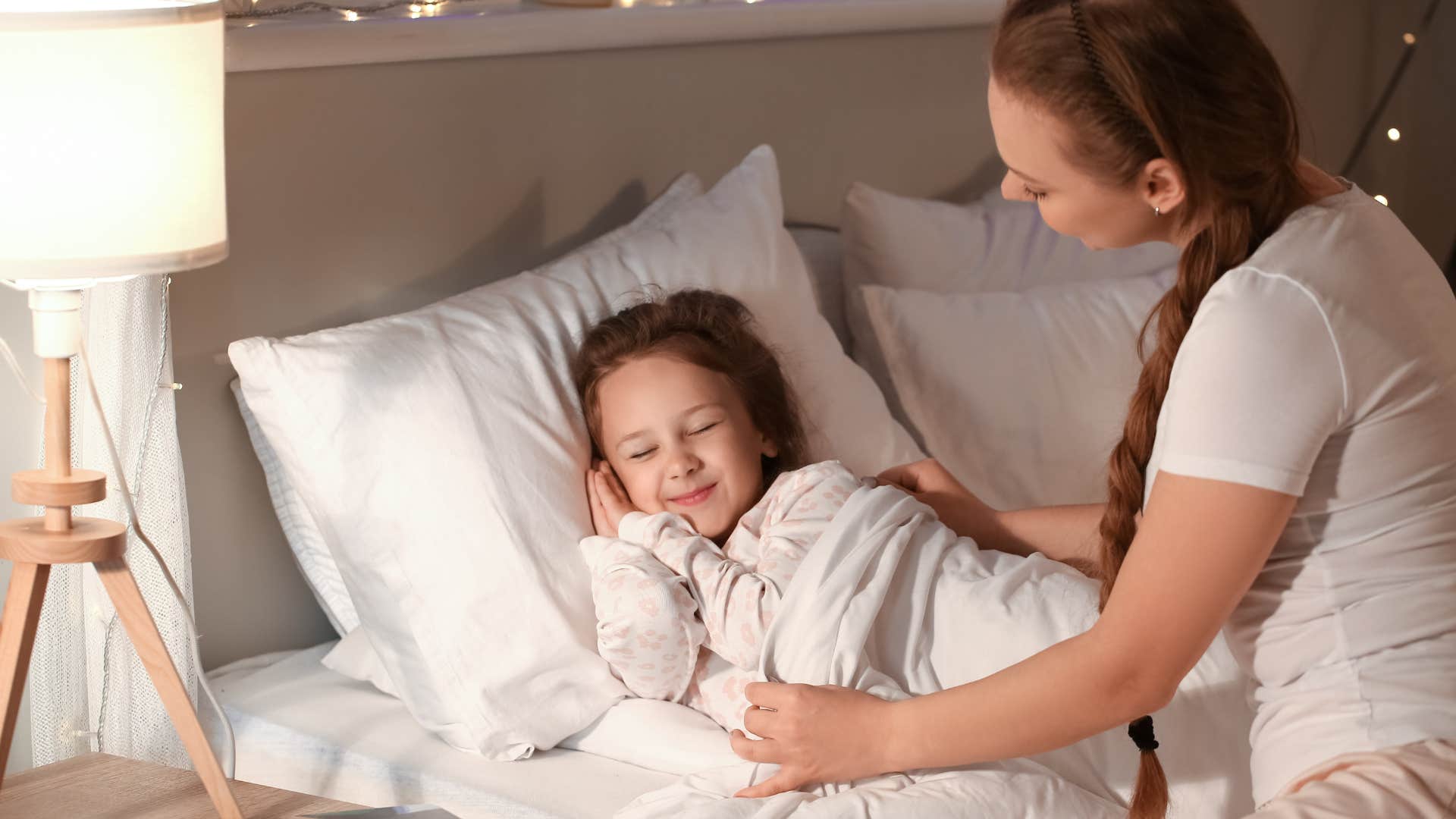
Many parents embrace phrases like "the kitchen is closed" with their children early in life, but it's not because they want to control what they eat. Rather, it's to protect their children's mental and physical health. And as it turns out, parents who enforce these unusual rules weirdly seem to raise healthier kids.
According to a study published in the journal Children, "Nighttime eating increases digestive activity and energy metabolism and raises body temperature, creating a vicious cycle that worsens the rhythm of life and sleep." So, children's digestion of food at night can take away from the body's restorative benefits during sleep.
Not only will a later bedtime sabotage brain development and emotional repair in children while sleeping, but it detracts from sleep quality, leaving kids more tired, less focused, and more irritable throughout the day.
3. Making the bed right when you wake up
 Iryna Dincer | Shutterstock
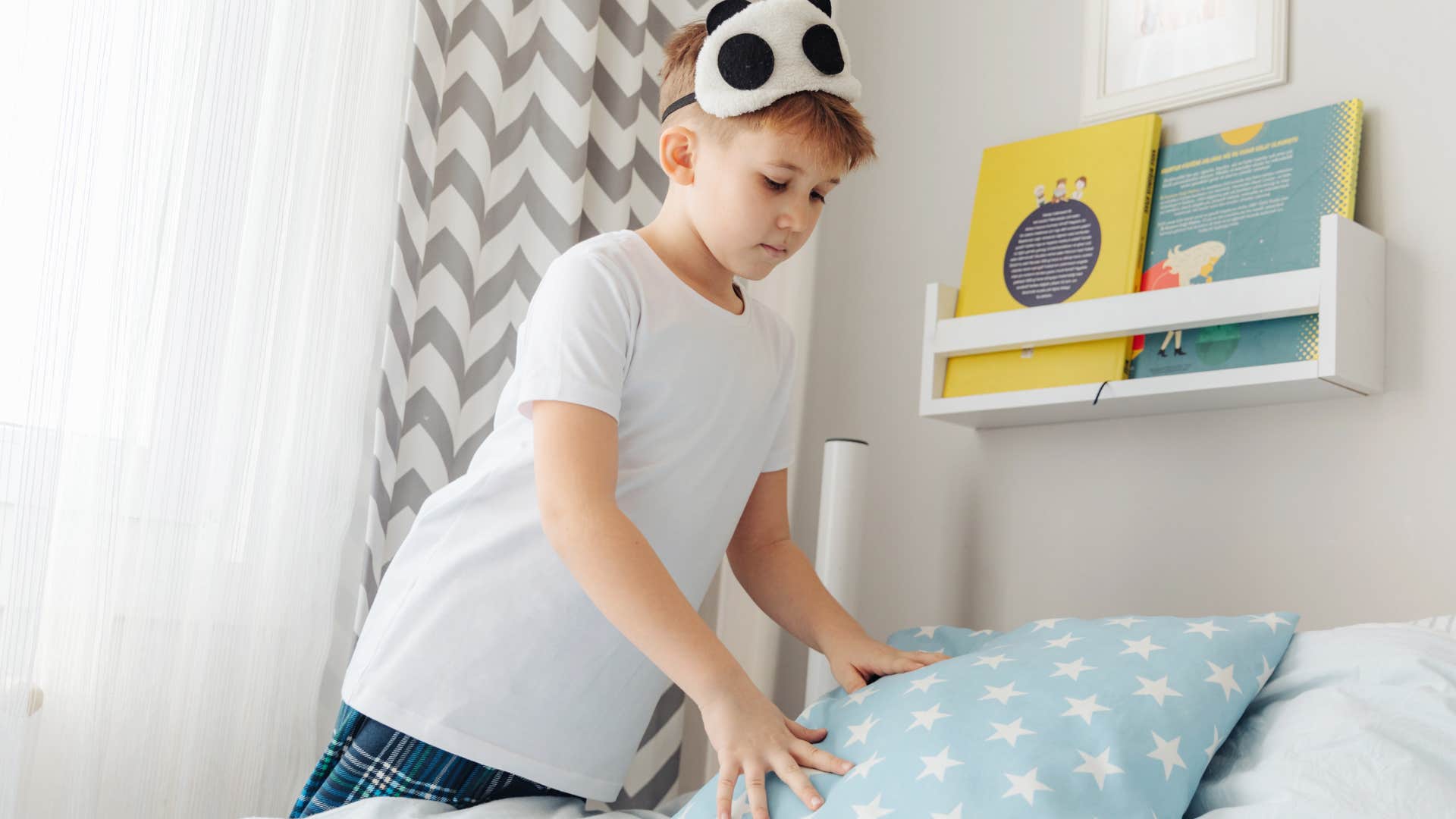
Learning how to set and stick to healthy habits isn't an easy feat, especially as an adult who struggled with maintaining a healthy routine as a child. But parents who create bed-making rules like this aren't just doing it to maintain a standard of cleanliness, they're also helping their children learn discipline and the benefits of healthy habits.
As educator and parenting coach Liz Hanson explains, teaching a child to make their bed teaches them lessons like discipline, accomplishment, and diligence, all of which are important for raising a well-rounded kid.
4. No wearing shoes in the house
 PrasitRodphan | Shutterstock
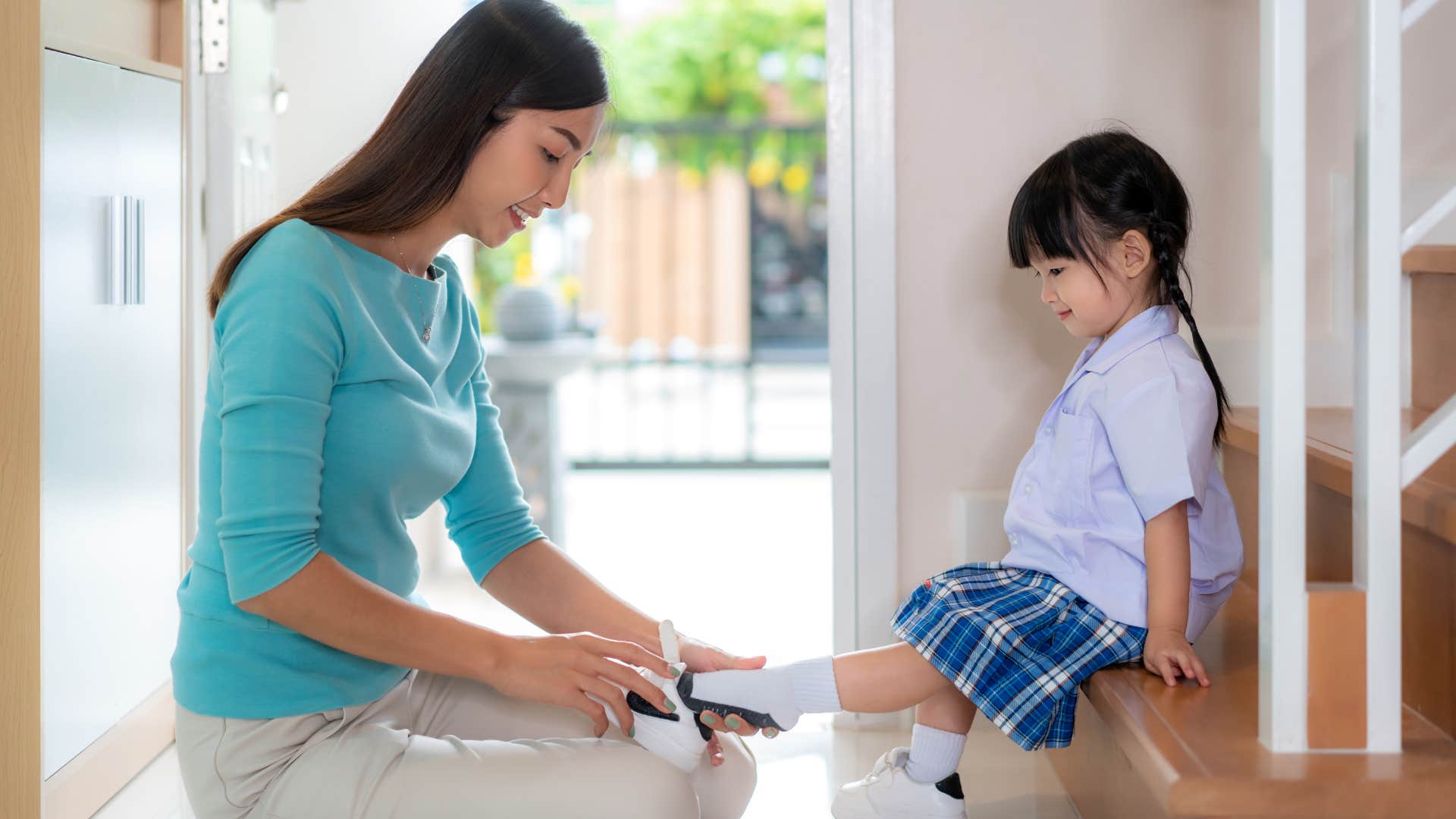
According to a 2023 CBS News poll, nearly 2 out of 3 Americans remove their shoes when they get home, for a variety of reasons. Regardless of those personal decisions, in their own home the practice can teach young kids to respect people's space and property. It generally teaches them respect, whether they're taking their shoes off at home or in someone else's.
In addition to combating the dirt and grime from people's shoes in your home, removing your shoes actually has impactful benefits to mental health and connection. By walking around barefoot, you have a better grounded framework in your body, giving you the space and energy to have better conversations and more meaningful interactions without the unsuspecting rigidness of your shoes.
5. No sleepovers
 Just dance | Shutterstock
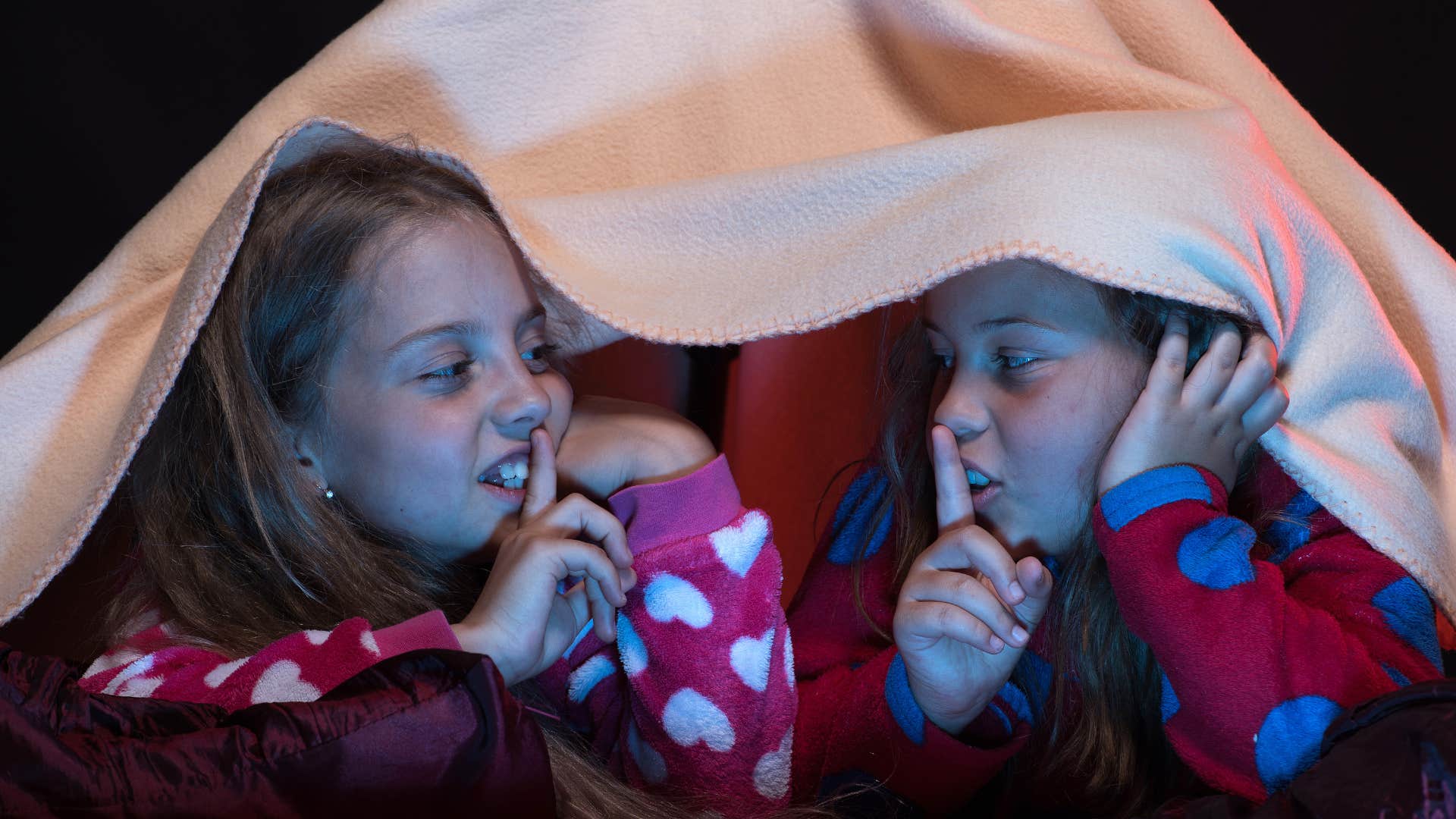
Many parents, especially younger generations, are forbidding sleepovers for their children, largely influenced by their overprotective nature and the accessibility of safety concerns. While this practice can be driven by a need to supervise or control their children's safety, there are ways to help children engage in unrestricted play that can benefit their help, without having to stress over sending them to a friend's house for an entire night.
According to a study from University College London, kids who are allowed to have unsupervised play time are generally more active, confident, and social than their counterparts. But that kind of unrestricted play doesn't need to happen at a sleepover. While it's unsuspectingly an unusual rule, it teaches them to be more present during the playdates and hangouts they do have.
6. Wearing hand-me-downs from siblings
 Evgeny Atamanenko | Shutterstock
Especially in a consumerist and trend-centered world for modern kids, parents who teach their kids to accept and wear hand-me-downs from siblings end up raising healthier kids. Their children are more appreciative when they do purchase a new clothing item, and it's more cost-effective and sustainable for entire families.
Additionally, as licensed psychologist Dr. Shira Schuster pointed out, "It can make a younger sibling feel a connection to an older sibling through wearing something the older sibling once did." This bonding between siblings is hard to ignore.
While it might spark some resentful feelings in young kids and teenagers, they learn to value new clothing and purchasing power much more into adulthood than kids who were gifted every new trendy item.
7. Taking forced naps
 Hung Chung Chih | Shutterstock
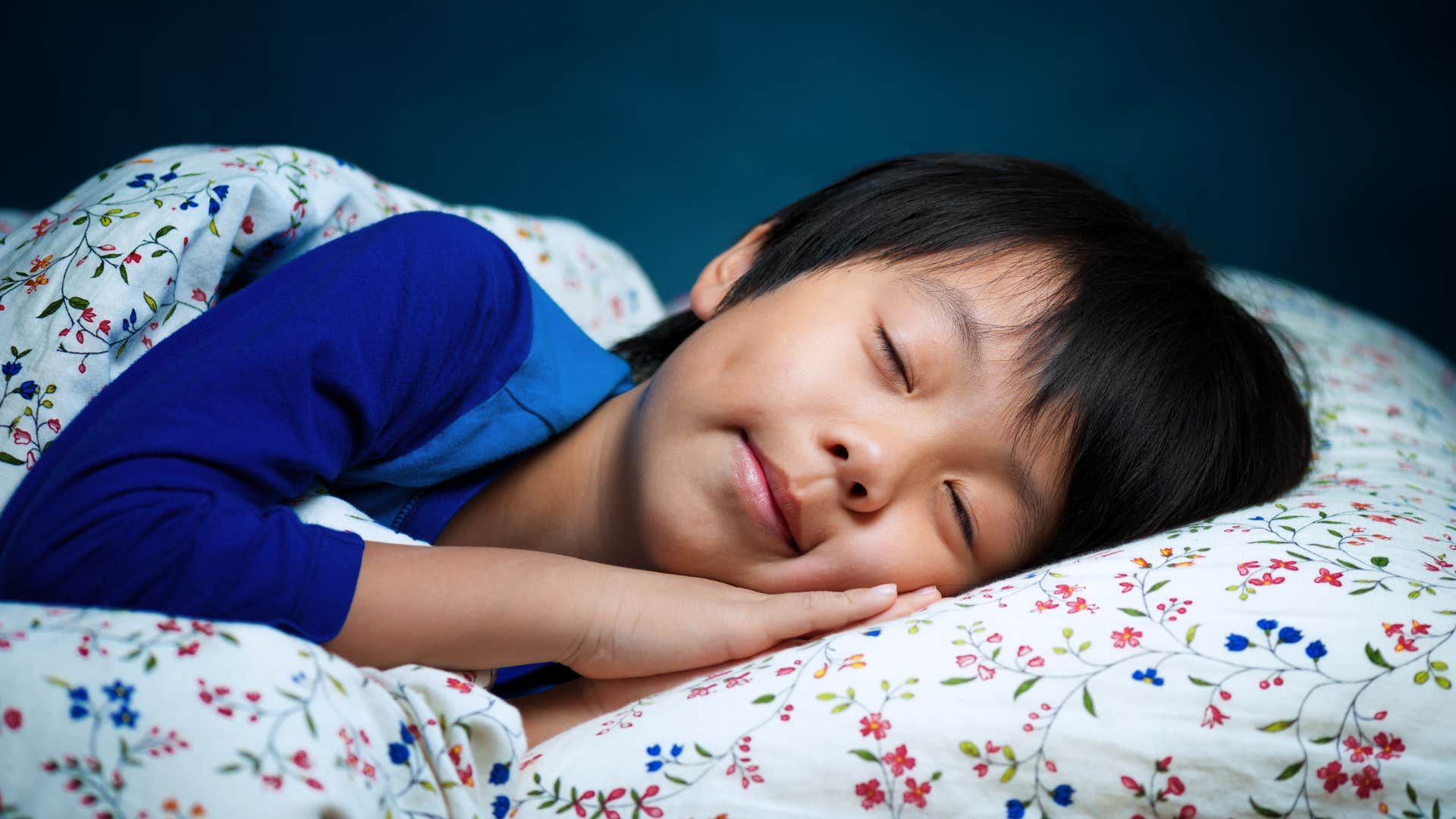
Even for kids that have outgrown the "acceptable" age for a midday nap, continuing the habit into young adulthood and adolescence can actually have great benefits. According to research from MIT economists, people who adopt the practice of a daily 30-minute nap are 2.3% more productive than those who don't.
Though it may seem counterintuitive to some, parents who enforce these unusual rules weirdly seem to raise healthier kids. Because not only does napping promote better focus and productivity, it can ingrain impactful ideas about self-care and the importance of recharging in young children. As they enter adulthood, their self-care ritual might not encompass midday naps anymore, but the principle behind the practice remains.
8. Only using the Internet around parents
 LightField Studios | Shutterstock
According to a Pew Research Center study, around 75% of parents of children ages 5 through 11 "regularly monitor" their kids' phone usage, including browser history, messages, and frequently used apps. While it might have felt like a privacy dilemma to many older teenagers growing up, the true tendency for safety concerns to erupt from unrestricted Internet access is more alarming than you'd expect.
From cyberbullying, to privacy issues, and more unsettling communication with strangers, a child's unrestricted access to the Internet, without their parents around, can present a lot of issues that today's ultra-protective parents aren't willing to play around with. With unusual rules like this one, parents can ensure their young children aren't innocently putting themselves at risk.
9. No walking around with socks on
 PeopleImages | Shutterstock
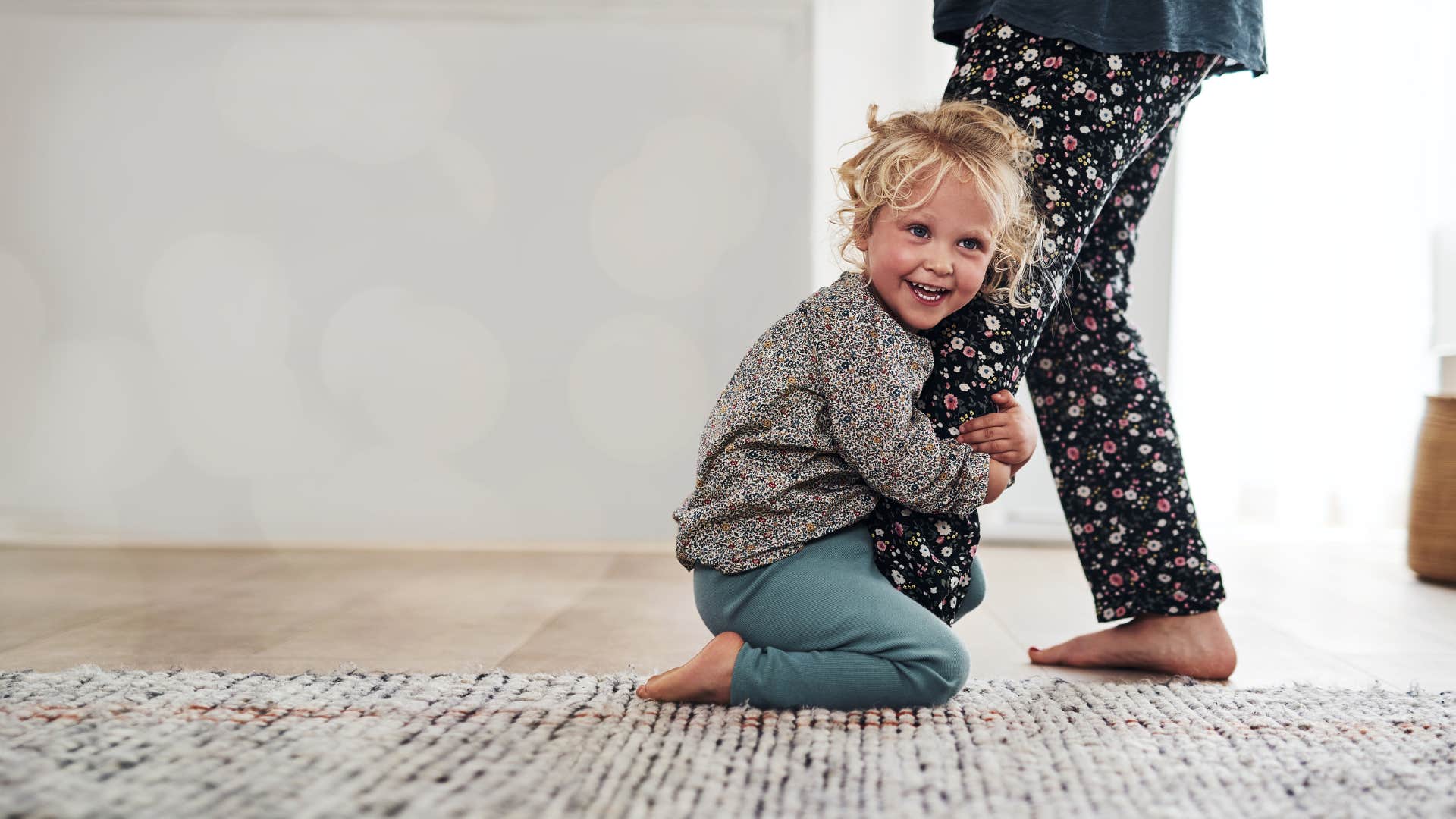
It's not just safety concerns of socks on hardwood floors that influence this odd parenting rule, although it's certainly an aspect of it. According to Academy Foot & Ankle Specialists, as a child's feet develop, it's essential that parents let them walk around barefoot.
Walking barefoot also has a number of developmental benefits to encouraging kids and young adults, from improved circulation, to better immunity, and enhanced sensory growth and strength.
Walking without socks, especially at home or outside, has been shown to improve stress levels and help people of all ages to remain calmer, less anxious, and more present. So, while this rule might seem unusual, it's truly just encouraging kids to adopt a practice that will serve their physical and mental well-being into adulthood.
10. Replacing swear words with 'nice' alternatives
 Pressmaster | Shutterstock
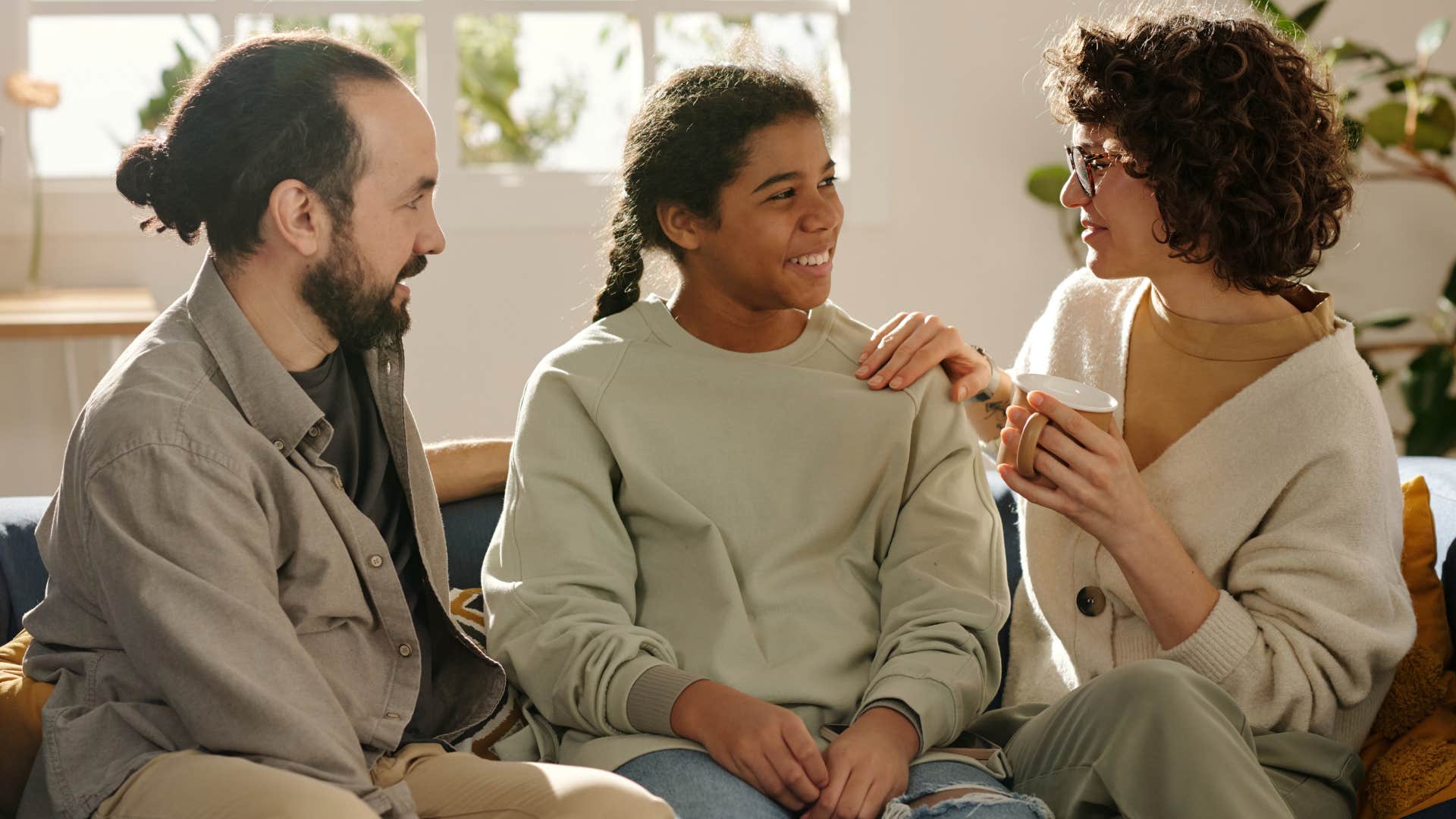
While swear words often help adults to cope with strong emotions and feelings, there are other practices parents can instill in their kids that will better serve them in adulthood, according to the American Psychological Association. From breathwork, to meditation, and open communication, there's more efficient and productive ways for kids to manage their uncomfortable emotions outside of swearing.
Many parents go a step further with this rule, urging their kids to reap the benefits of a seemingly "bad" swear word with euphemisms instead of the actual phrase. This practice not only helps young kids to express their emotions and communicate respectfully, it can give them a chance to learn to think before they speak, helping their long-term communication skills.
11. Not leaving the dinner table until everyone's finished
 Nejron Photo | Shutterstock
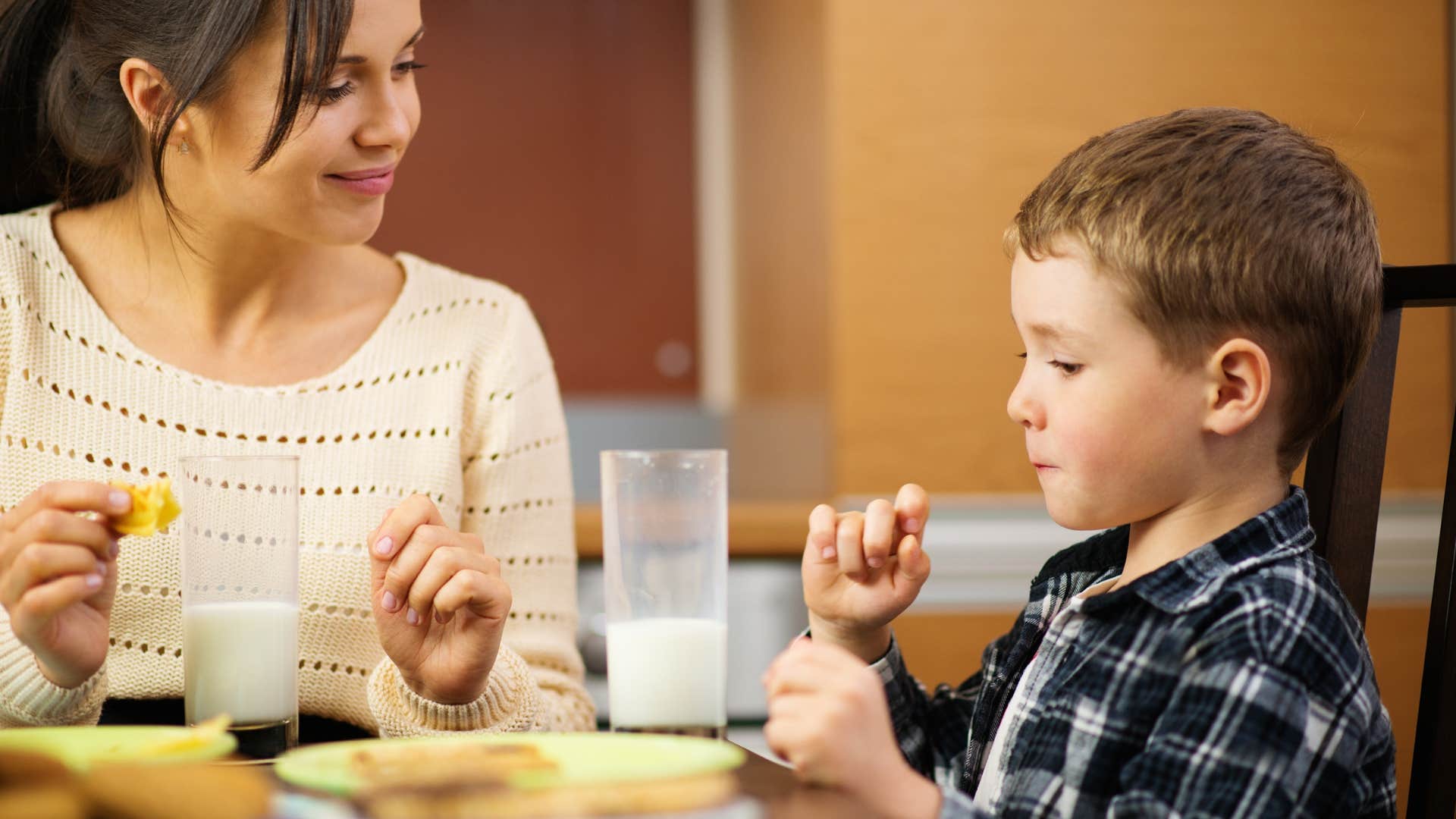
Unsuspecting to some households that never used a shared dining room table for dinner, there's great parenting lessons that can spark from a shared meal. From expressing gratitude, to teaching manners, and even time management, parents who enforce these unusual rules weirdly seem to raise healthier kids.
Kids who are expected to remain at the dinner table until everyone's finished their meals also learn patience, a generally hard virtue to master, especially at a young age. By making dinners a positive and productive experience, filled with open communication and praise, kids learn to value their time with family, rather than loathe it, as they learn patience.
12. Never going to bed angry
 fizkes | Shutterstock
A facet of modern parenting that's been prevalent in households for decades, parents who urge their children to "never go to bed angry" will spark great communication and emotional intelligence. While research from the Gottman Institute argues a "break" from an argument can be beneficial, most people tend to sleep better when they're not burdened by the stress and anxiety of an unresolved conflict.
Not only does this exemplify the kind of communication and conflict-resolving skills in relationships their children will need going into adulthood, it often sparks a better baseline and understanding between parents and their kids while they're still at home.
Zayda Slabbekoorn is a senior editorial strategist with a bachelor’s degree in social relations & policy and gender studies who focuses on psychology, relationships, self-help, and human interest stories.
