
Good Parents Who Truly Want The Best For Their Kids Never Say These 13 Damaging Phrases
 Jacob Lund | Shutterstock
 Parenting is hard. It's a clichéd, blanket statement, but it holds a lot of truth. Good parents who want the best for their kids realize how much work it is, and still commit to doing it well.
Kids are messy, they are loud, and they can drive you up a wall. But regardless of how they make you feel, certain phrases tear your children down instead of building them up, and it can have serious consequences for their self-esteem and confidence. While we all make mistakes, we must take care to not say a few very specific damaging phrases.
Good parents who truly want the best for their kids never say these 11 damaging phrases
1. 'Stop crying'
 Kindel Media | Pexels
If your child is crying, they are upset. Yes, it's frustrating that the reason they're crying is because you gave them the exact snack they asked for, but kids are kids. You cannot expect their logic to make sense, and you shouldn't be getting upset over them expressing emotions.
How many times have you, as an adult, burst into tears over nothing? Now imagine how easily that can happen when you you are a child and your emotional control is far less developed. Telling your children to stop crying is telling them that the way they process their emotions isn't okay.
Telling children to "stop crying" or to "calm down" can negatively affect their emotional regulation compared to children who are able to regulate their feelings from having secure relationships with their parents. Additionally, children who manage their emotions well tend to do better in school and work better with others.
2. 'Just let me do it'
 Ivan Samkov | Pexels
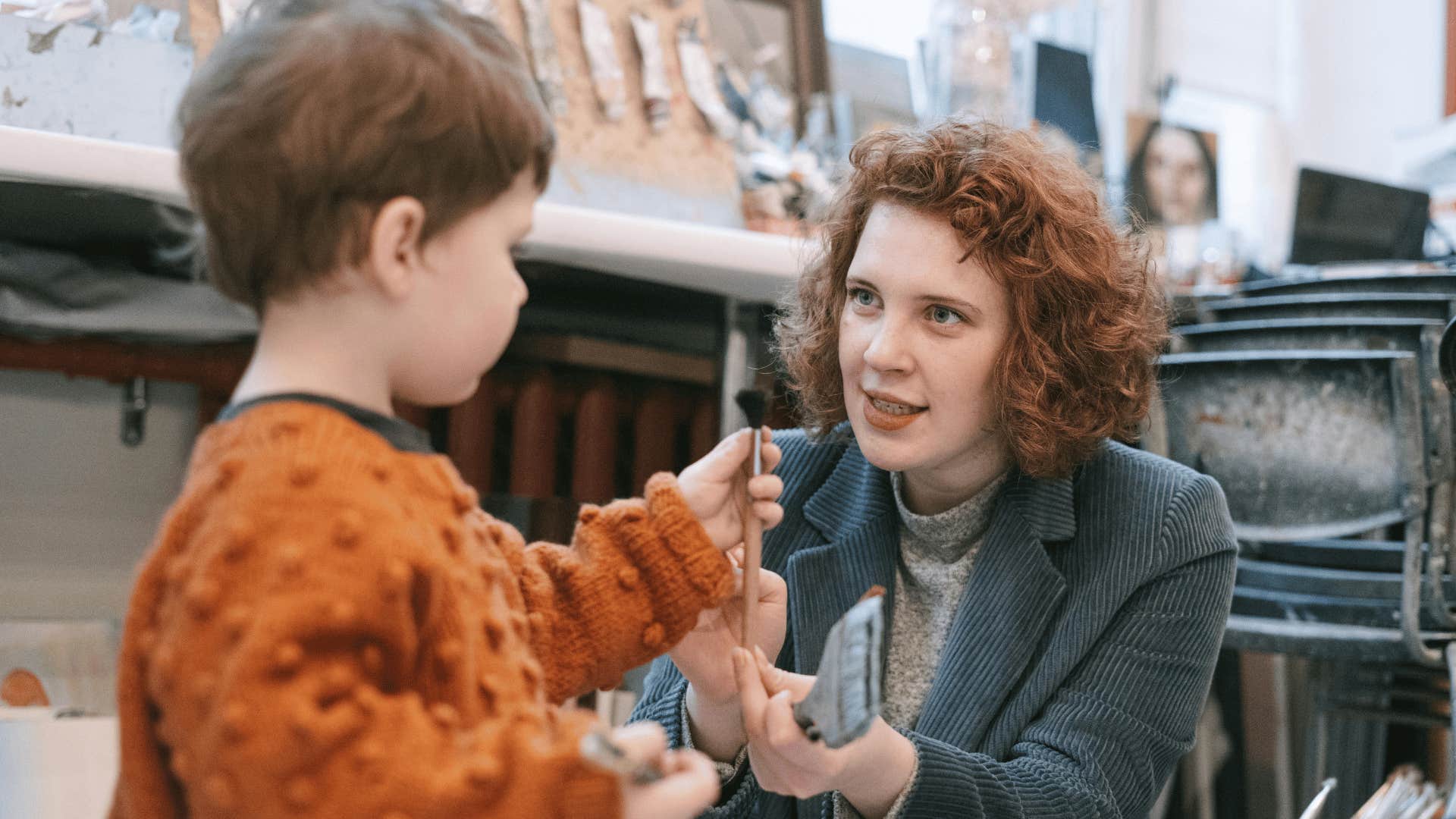
Watching your toddler try to zip their own jacket with mittens on is difficult, especially when they are insistent on doing it on their own and you've got somewhere to be. It's easy to become frustrated or impatient as their little minds work to learn a new task and become more independent.
But the phrase "just let me do it" can be damaging. Instead, ask them if they need help or ask if you can show them a trick to make it easier. When they get frustrated, let them know that learning something new can be hard, but with practice it will get easier. This phrasing reflects growth mindset parenting, which research has shown to be beneficial to children. Above all, remain calm.
3. 'I don't like you right now'
 August de Richelieu | Pexels
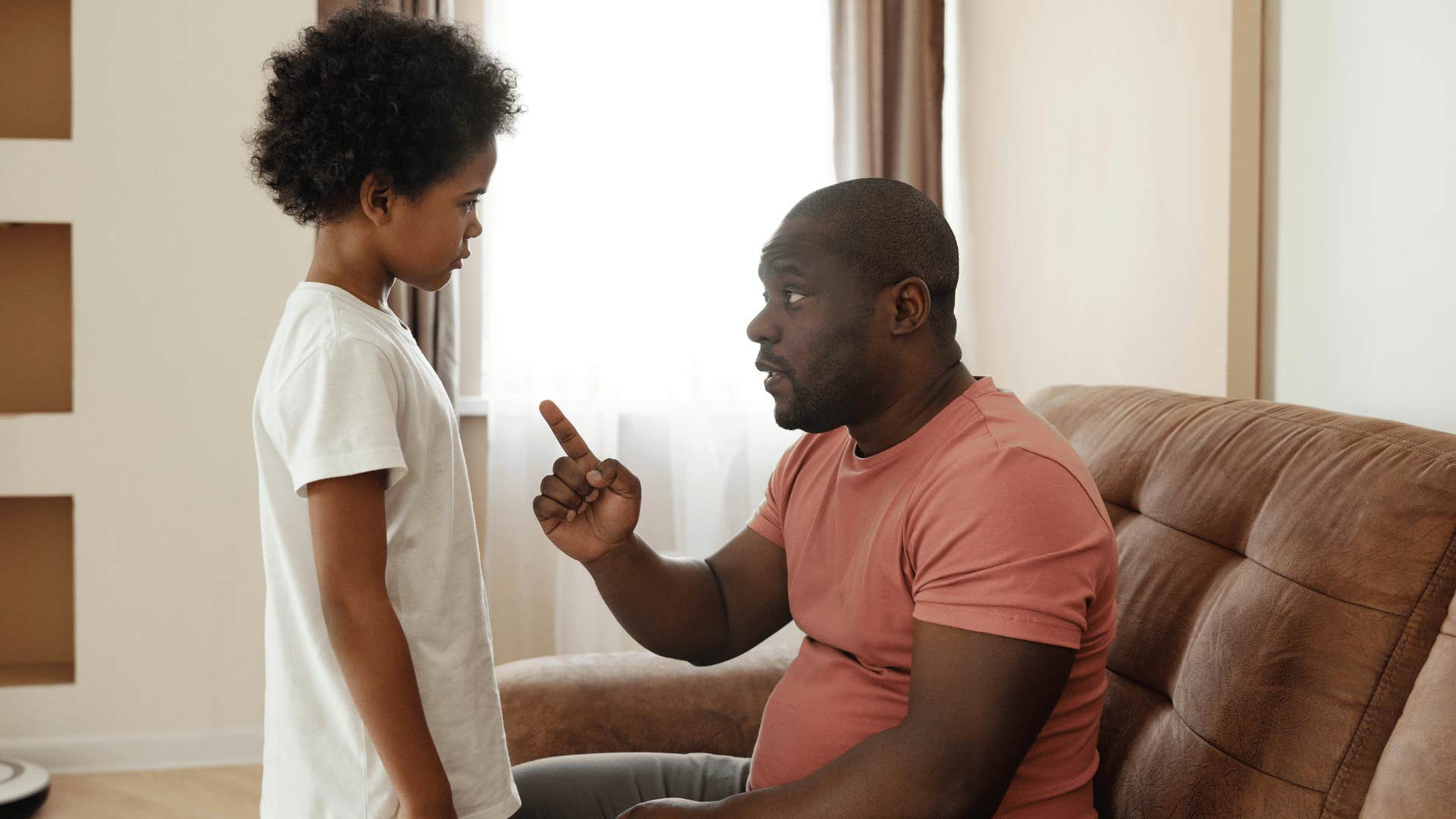
Kids are going to do some bad things. They're going to make giant messes, throw tantrums, or act out when you ask them to do something — it's all normal and part of their different developmental stages.
Sure, there will come a point when you think, "I don't like my own kid right now." Many parents likely feel the same as you do. But you can't say that to your child.
Instead, tell them specifically why you don't like the way they are acting or the way they are speaking. Explain the consequences of their behaviors and the effect their poor choices have on others in ways that encourage empathy without adding shame. This will get your point across without aiming below the belt, so to speak.
4. 'You have no reason to be upset'
 Monstera Production | Pexels
When you say this to your child, you're letting them know that you don't approve of the way they express their emotions. And, as mentioned, it can cause lasting harm.
Additionally, how do you know they have no reason to be upset? Kids will be upset if they lose a shoe; to you, it may not be reasonable, but to them it is. Children have every right to be upset about something and, often, the reason they're upset may be something normal like they're exhausted or hungry.
Research indicates that talking to children about their emotions predicts emotional competence, or how kids understand, control and express their feelings, as well as recognize the emotions of others. Make it a point to talk to your kid about the way they feel, rather than assuming it's for nothing.
5. 'Only babies act like that'
 Alex Green | Pexels
The phrase "only babies act like that" is similar to, "don't be a baby". They are phrases that cover a whole range of situations. Maybe you say it to your older child who is crying, to big kids having accidents, or even to preschoolers who are over-tired.
It's belittling and does nothing to calm the situation. And, again, putting down your child for the way they express themselves will only lead to heartache down the road, for you and for them.
6. 'I sacrifice a lot for you'
 Karolina Kaboompics | Pexels
Lots of parents use this phrase, wanting to appear martyr-like or to teach their children to be grateful. Of course you sacrifice a lot, you're a parent! But your children didn't ask to be here. They didn't ask you to have them. Sacrifice is simply part of your job.
Reminding them that you sacrifice a lot for them makes you the king or queen of guilt trips, and can make your children feel like they owe you something for being a parent. And when you guilt-trip, you're affecting your child's mental health.
One study found that kids who had parents who used guilt-tripping tactics or rejection were more likely to have low self-esteem and depression. And it's not something good parents want for their kids.
7. 'Leave me alone'
 fizkes | Shutterstock
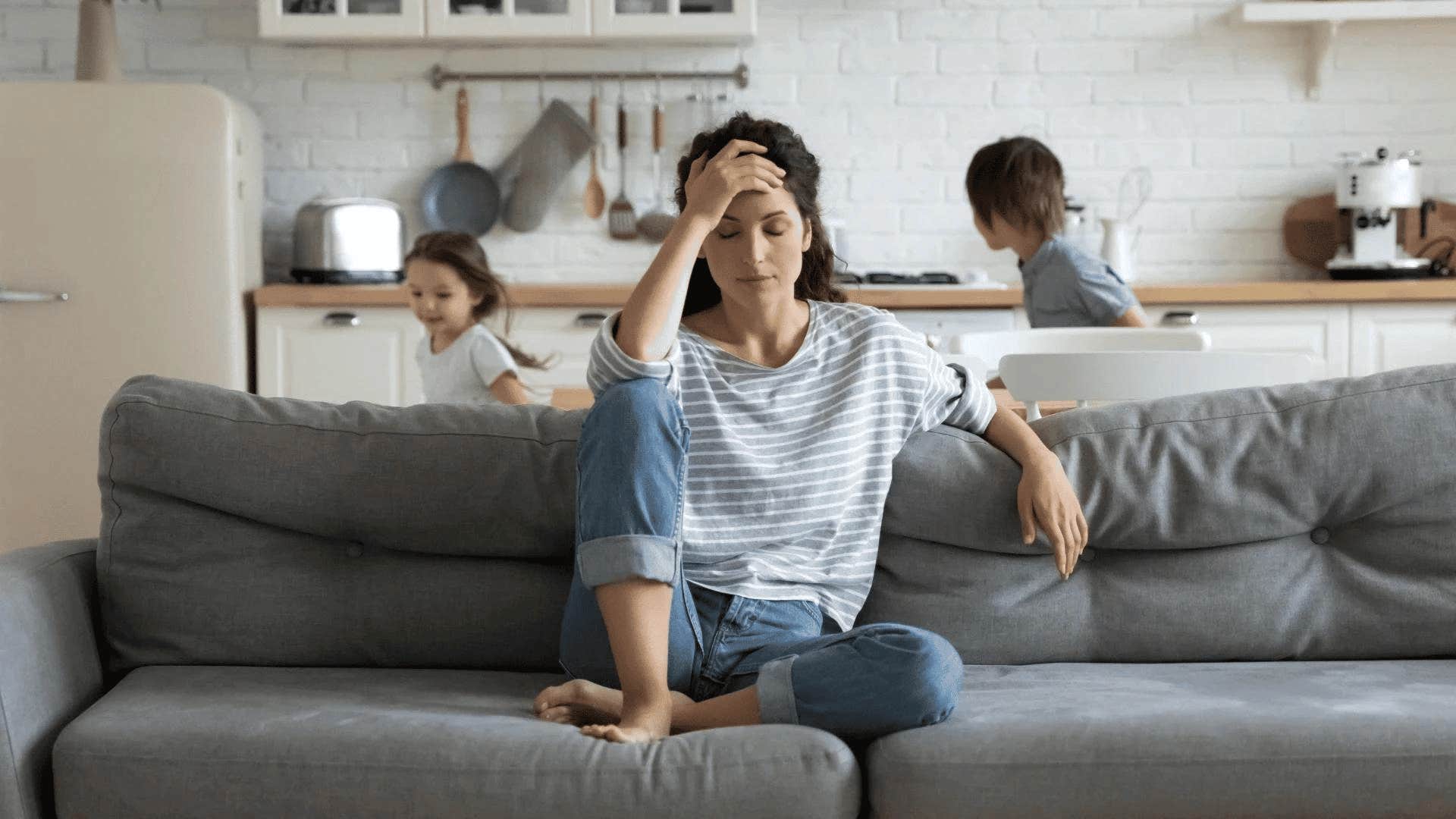
Every parent needs alone time. After all, it can become a daily struggle when your personal needs aren't being met after long days of putting everyone else first. Even good parents who truly want the best for their kids need some space.
But rather than saying, "Leave me alone" and potentially damaging your child's sense of self, opt for other phrases like, "Mommy/Daddy needs a little break" or "Mommy/Daddy is going to have some alone time." This makes it less about them being annoying and more about you requesting that your needs should be met. This is great model of setting boundaries for them, too, which is essential for healthy relationships.
8. 'I never get time to myself'
 Kindel Media | Pexels
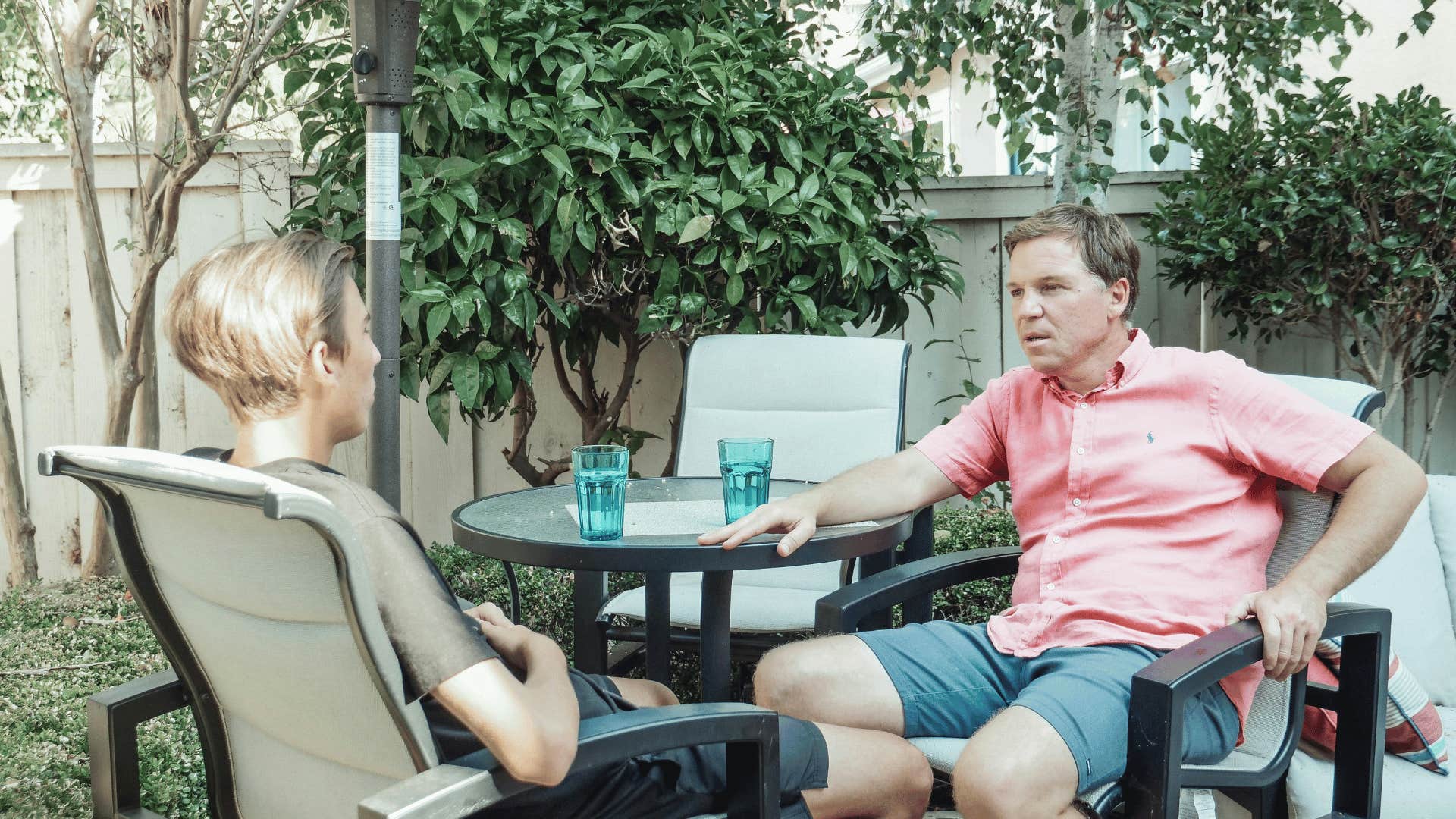
There's no reason to say this to your child. None. If this is how you feel, take it up with your partner or co-parent, or solve it yourself. This is an adult's problem to solve.
You're going to make them feel bad if they're old enough to process that statement, or you're just putting it in their head that they are a nuisance. The best way to tell them you need time is to get on their level and explain it in a way they understand that doesn't make it their responsibility or their fault.
9. 'Stop asking me questions'
 Monstera Production | Pexels
It's annoying when kids ask you questions continually, especially when there's not actually an answer. But you want your kids to be curious. You want them to question their surroundings, to ask you about things they hear and see.
According to a report in Science Daily, when kids ask, "Why?" they aren't trying to annoy their parents; rather, they're "trying to get to the bottom of things." According to the research, "children seem to be more satisfied when they receive an explanatory answer than when they do not... when they got answers that weren't explanations, they seemed dissatisfied and were more likely to repeat their original question or provide an alternative explanation."
It's important to see your child's curiosity as a good and beneficial thing, even if it annoys you in the moment.
10. 'Get over it'
 RDNE Stock project | Pexels
By telling your child to "get over it" — whatever "it" may be — you're basically telling them that their feelings don't matter, and that they need to hurry up and move past a situation.
It's well-known that discouraging kids from expressing emotions is detrimental to their growth, but it's also completely unfair. Let your child explore the way they feel, rather than saying damaging things that diminish their self-worth.
The biggest problem with saying "get over it" is that it's totally unhelpful. You might as well say to a child, "bake me a cake!" even though they've never used an oven or a mixer and don't know how to read. Feelings don't just go away, even painful ones.
Instead, children need to learn emotional regulation skills, and there's nobody better to teach them than a good parent who truly wants the best for them.
11. 'Sorry, but it's not a big deal'
 Mikhail Nilov | Pexels
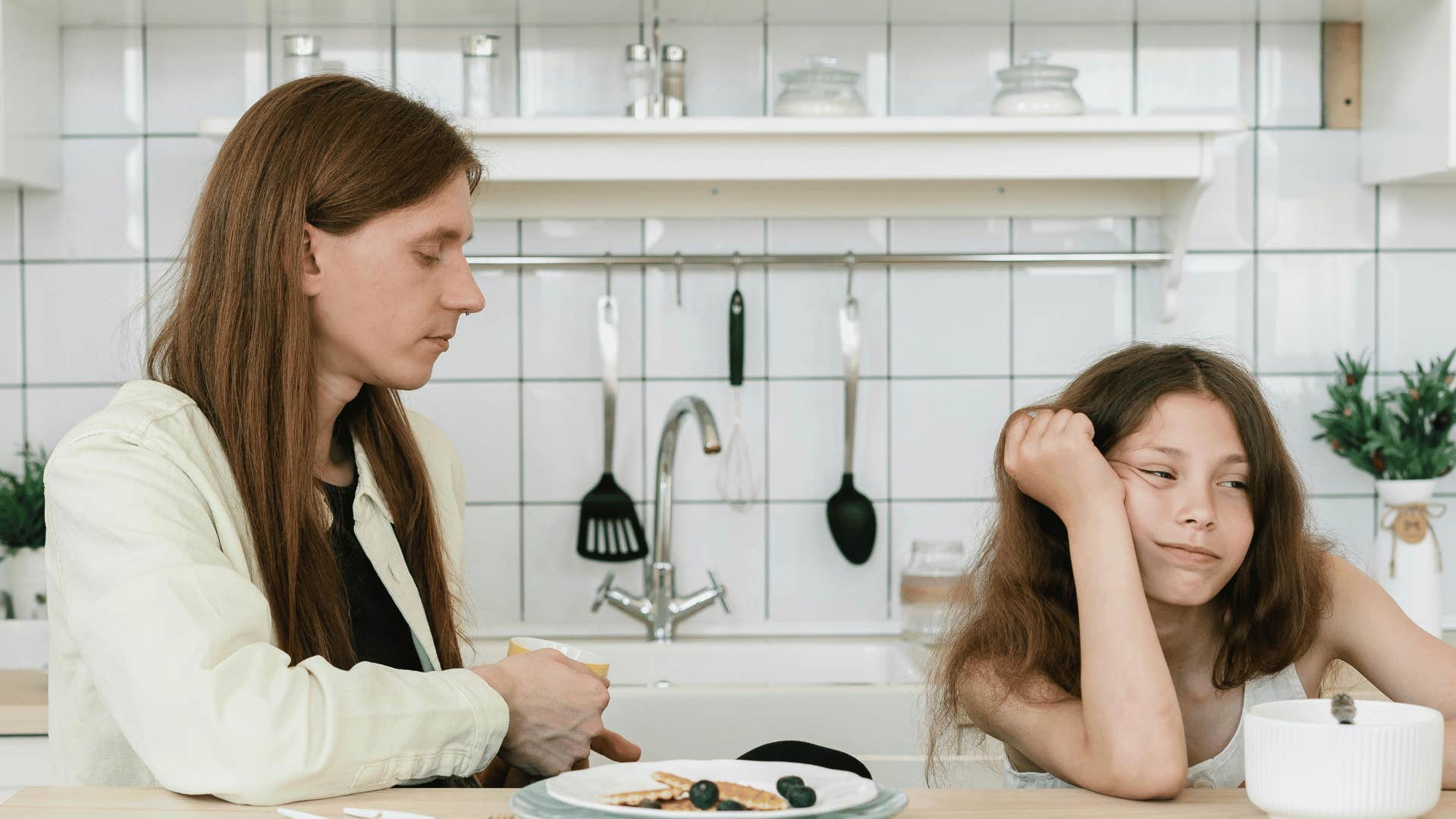
Everything is a big deal to kids and saying, "Sorry, but it's not a big deal" undermines their reality. If they finish a puzzle, if their ice cream cone falls to the floor, if they see a giraffe at the zoo, they are all enormously big deals to small kids.
According to board-certified pediatrician Joseph Cramer, MD, "For children, little is big because their young neurons are connecting at a faster rate. Their brains are under construction. This is neural plasticity."
Because of their age, kids don't have as much ability to distinguish between big deals and little deals, which is why the reaction is usually the same. Continues Cramer, "For a child without the life opportunities to say otherwise, a noise in the dark is a big deal. Only when they grow up do they realize there are always noises in the dark. Knowledge also transforms little into big or big into little."
Good parents who truly want the best for their kids don't use their lack of life experience against them.
12. 'Don't be such a ___'
 Kindel Media | Pexels
Good parents who truly want the best for their kids don't call children names. And, yes, saying, "don't be such a _____" and insert an unkind word, is calling a small child a name.
Whatever word you use, shy, bratty, rude, talkative, loud, this is your child. They are going to do things and say things, and sometimes you're not going to like it. It's just part of being a parent.
But telling them not to be something doesn't help. You can ask them to "use kinder words" instead of saying, "don't be so rude." It's all about positive parenting and showing respect for your child.
13. 'I don't care'
 fizkes | Shutterstock
This is such a damaging and hurtful thing to say to a child. Whether it's about their friend at recess eating a wood chip or that they are now a Buzz fan instead of Woody, it's important to them. And it's important that they share things with you, that they ask you what you think.
They want you to be just as excited as they are, so muttering that you don't care makes them feel like their thoughts are pointless. If you don't care, why should anyone else? It's a surefire way to crush their spirit. And, as mentioned, rejection can do quite a number on an impressionable young kid.
You learn from an early age the power words have over others, so just imagine the power you have when you speak to your child.
When you speak to them negatively, when you tell them they're being destructive or loud, when you shout at them to leave you alone, you're telling them one thing — that they don't matter.
Kids can be influenced very easily. It won't take many times of you telling them that they are annoying before they start to believe that they are a nuisance their own parents can't handle.
No one's saying you have to over-praise your child and tell them they are perfect, but you should use positive and constructive language, even when scolding, and remember that no matter how short your fuse is, they are children at the end of the day.
Samantha Darby is a writer and senior lifestyle editor at Romper and Scary Mommy, covering everything related to parenting and motherhood. Her work has appeared on Babble, The Huffington Post, Motherlode, and HelloGiggles, among others.
