Far Too Many Parents Learn These 12 Critical Lessons Way Too Late In Life
 Martin Novak | Shutterstock
 Many parents genuinely want to be the best parents they can be. Most are trying their hardest, running themselves dry in the process, all in the name of raising happy kids. But in the push to do everything right, a lot of parents end up chasing perfection, not realizing that this pressure often does more harm than good.
Far too many parents learn these critical lessons way too late in life, long after burnout sets in or relationships feel strained. These parenting lessons aren’t about being flawless, but more about understanding what kids actually need to grow into emotionally healthy, resilient adults and what parents can finally let go of.
Far too many parents learn these 12 critical lessons way too late in life:
1. There's no such thing as being a perfect parent
 Ground Picture | Shutterstock
As a parent, it's understandable if you feel the need to be perfect. All parents want to be the best role models for their children, but according to a study, 57% of parents feel burnout due to internal and external expectations.
With these impossible standards placed upon parents, it's no wonder that most never learn that perfection is overrated, or that there's no such thing as perfection to begin with. There's nothing wrong with having high standards, but one study found that children whose parents were depressed were three times more likely to develop a mental health disorder during adulthood.
Parents should lay off any perfectionist tendencies toward both themselves and their kids. If not for your own mental health, then your children's.
2. Overprotecting kids slows their growth
 fizkes | Shutterstock
No parent wants to see their kids fail, hurt, or struggle, but prevention leads to neglect. When we prevent our kids from going through tough times, we neglect their ability to grow and develop.
Studies back this up, with one citing that too much involvement from parents leads to stunted growth. Excessive parent involvement leads to children who don't know how to control their emotions, behavior, or attention. This can be a bad thing as they grow into adulthood, still depending on their parents for every little thing.
3. Your time matters more than your money
 Pressmaster | Shutterstock
Growing up, your parents may not have given you the things you wanted, so now you feel a deep need to spoil your kids rotten. Realistically, you want to give your kids the best life has to offer. And while giving your kids material items isn't necessarily bad, spending quality time together is much more effective.
Kids don't care about what name-brand shoes they wear at such a young age. What children need more than anything is their parents to show up for them. One study found that greater time spent with your children leads to their overall well-being, while another determined that creating a positive experience leads to greater happiness than material possessions.
The reasoning? Because it's more meaningful to a person's identity and contributes more to successful social relationships. And this is a very important lesson that many parents just don't learn.
4. Listening works better than lecturing
 Olena Yakobchuk | Shutterstuck
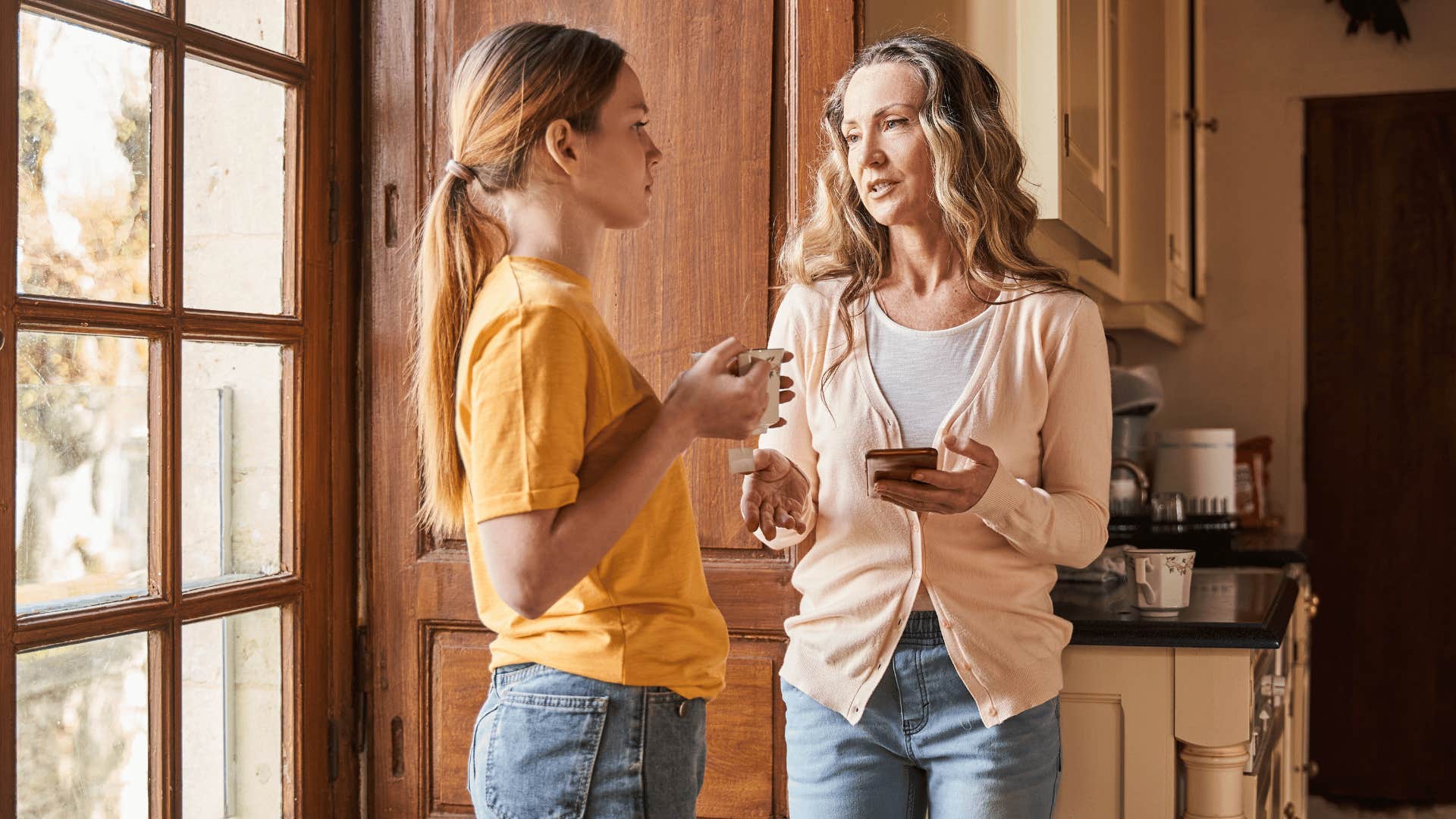
When children make a mistake, many parents lecture or berate them. They tell them how reckless they are and then ground them for extra measure. But it's not helpful, and kids really don't learn from it. Tons of research have studied the effects of yelling on children, and they found that children who were yelled at experienced more depression, self-criticism, and worthlessness.
So, what's the lesson parents need to learn here? Parents need to understand that children don't respond well to yelling or lecturing. To truly resolve the issue, first figure out the reason for their behavior. Why did your kid fail that math test? Was it because they weren't turning in their homework on time? Why is that?
This not only makes finding a solution easier, but also leads to more open communication between child and parent. And this, in turn, creates an improved relationship built on trust and, most importantly, respect.
5. School success isn't worth sacrificing mental health
 Andrea Piacquadio | Pexels
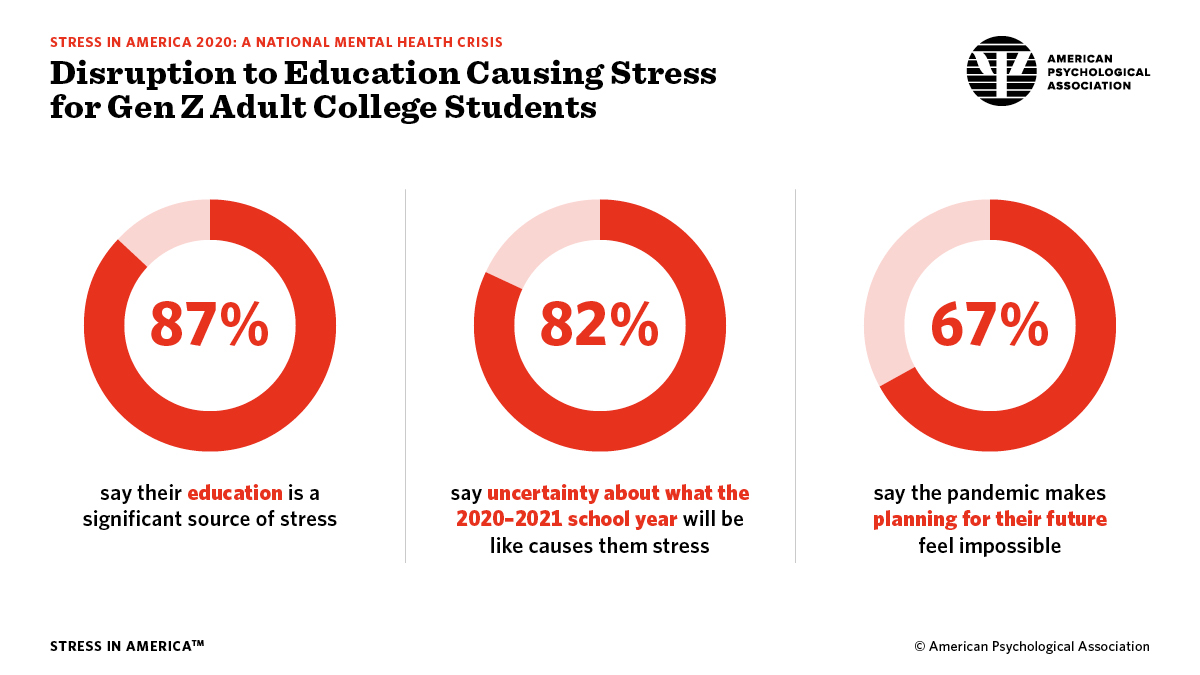
Parents want their kids to succeed and go to a top school, but that won't matter if their child's mental health is suffering. In one survey, 87% of college students reported feeling stressed about their education and what was to come. Interestingly, in 2021, top colleges saw a 17% increase in applications, which led to admitting fewer students.
With all of this, we can assume that academic pressure is at an all-time high and something we should not underestimate. Academic pressure leads to worsening mental health, such as depression, anxiety, burnout, poor quality of life, and worsening sleep.
6. Letting kids feel disappointment helps them grow
 RDNE Stock project | Pexels
It might sound counterintuitive, but your child experiencing a little pain is a good thing. It doesn't mean physically hurting your kids or making them cry; rather, it means allowing them to feel pain with little interference on your part.
For instance, let's say your kid doesn't make the team or breaks up with their partner. Instead of rushing to make them feel better, try giving them space. Let them feel those hard emotions and pick themselves up.
This teaches your child to be strong and independent. And it allows them to manage their own emotions, which can turn into building resilience.
7. Taking care of yourself makes you a better parent
 PeopleImages.com - Yuri A | Shutterstock
Parents constantly overextend themselves, spending so much time taking care of others that they forget to take care of their own needs. But taking time for yourself doesn't make you a bad parent; rather, it's the recipe for becoming a great parent.
The unfortunate truth is that many mothers report making sacrifices because of the demands of motherhood. Because of this, some mothers tend to have less healthy behaviors than women with no children. And that's a huge problem.
A lack of healthy behaviors can lead to worsening mental health, which can directly impact your child's mental health. Learn the lesson most parents forget and put your well-being first, at least sometimes.
8. Kids don't need all the answers right away
 Ground Picture | Shutterstock
Is it really necessary for your children to have it all figured out, especially at a young age? After all, the brain doesn't fully develop until the age of 25. That means your child's brain isn't even fully developed when they head off to college or take out an expensive student loan.
So, why pressure them to make a decision right away? If your child is really going to get into debt, why not let them wait a little bit? That way, they can figure out what to do. Remember, college will always be there, whether they're 18 or 20 years old. Give them the space to figure it out.
In the meantime, encourage them to try out different careers or intern for a bit. Recommend a trade school or community college to get them started. Give them the time they need to grow, instead of doing what you feel is best. Because what you think might be best might cause your child financial ruin if you aren't careful.
9. What you do matters more than what you say
 Monkey Business Images | Shutterstock
It all boils down to your actions in the end. Parents can't expect their children to feel loved and supported if they don't actively show it. It's an unfortunate lesson most parents learn far too late in life.
Kids need their parents to show them they care. It isn't always enough to say it; they need parents to actively show it. And, believe it or not, one small hug can go a long way. One study found that infants who grew up with affectionate mothers were happier, more resilient, and less anxious as adults.
So, be sure to show your children that you love them and that your words are worth trusting.
10. Parents need boundaries too
 Chay_Tee | Shutterstock
Just because you're a parent doesn't mean you shouldn't have boundaries. You're human and deserve basic respect and dignity. If you don't feel comfortable being touched, don't be afraid to set those boundaries, for example.
According to Child Mind Institute, "[Your children] need to learn to set boundaries for themselves and respect those of others. And that takes empathy — being able to recognize what others want and need, as well as what they themselves want and need."
Don't be afraid or feel bad for saying, "No, thank you." Your child might not like it at first, but you're really just showing them how to respect others, which will go a long way as they get older.
11. Not every battle is worth fighting
 Chay_Tee | Shutterstock
Most parents will spend hours arguing about the simple things: What their child can or cannot wear, or what they should or shouldn't eat that day. But arguing over the small things does little to benefit you or your child.
Since yelling isn't beneficial or effective with kids, what should parents do? Parenting expert Justin Coulson suggests a few tips.
First, keep it simple. Don't overcomplicate the matter. If your child can't wear something because it's too cold outside, let them go outside and feel the cold. Better yet, explain that it's freezing outside and that they'll get cold if they don't wear a jacket.
Next, get on your child's eye level. Tell them you need them to wear a coat and ask them to repeat it back to you. This ensures your child is comprehending what you're saying.
12. Showing interest in what your child loves builds connection
 Media_Photos | Shutterstock
Most parents might think it's a waste of time or completely unnecessary, but it helps them bond with their children. And it's even when a child can share that joy. They can get excited about things that light up their world alongside their parents. And adolescents, specifically, bond through shared interests.
Studies have found that adolescents bond with peers because of their shared interests, commitments, and intimacy. So, even if it's not your cup of tea, get into what your child is into. Even if it doesn't exactly work out, your children will appreciate your effort.
Marielisa Reyes is a writer with a bachelor's in psychology who covers self-help, relationships, career, family, and astrology topics.