
10 Old-Fashioned Things Our Parents Did That Actually Worked
 Olezzo / Shutterstock
 Each parenting style, across cultures and generations, has its own benefits and pitfalls. While some offer their kids resilience, others are intentional about warmth and personal emotional intelligence. Just a few decades ago, when parenting styles revolved around authoritative households, children grew a sense of independence, self-regulation, and confidence that modern styles may lack to a certain extent.
While gentle parenting today may largely demonize these styles, there are still old-fashioned things our parents did that actually worked. From letting us play outside unsupervised to expecting us to fill our own boredom, we grew into capable, independent adults because of the choices our parents made at home, even if they’re not necessarily feasible in modern households today. Here are the old-fashioned things our parents did that actually worked:
1. Prioritizing family dinners
 NDAB Creativity | Shutterstock.com
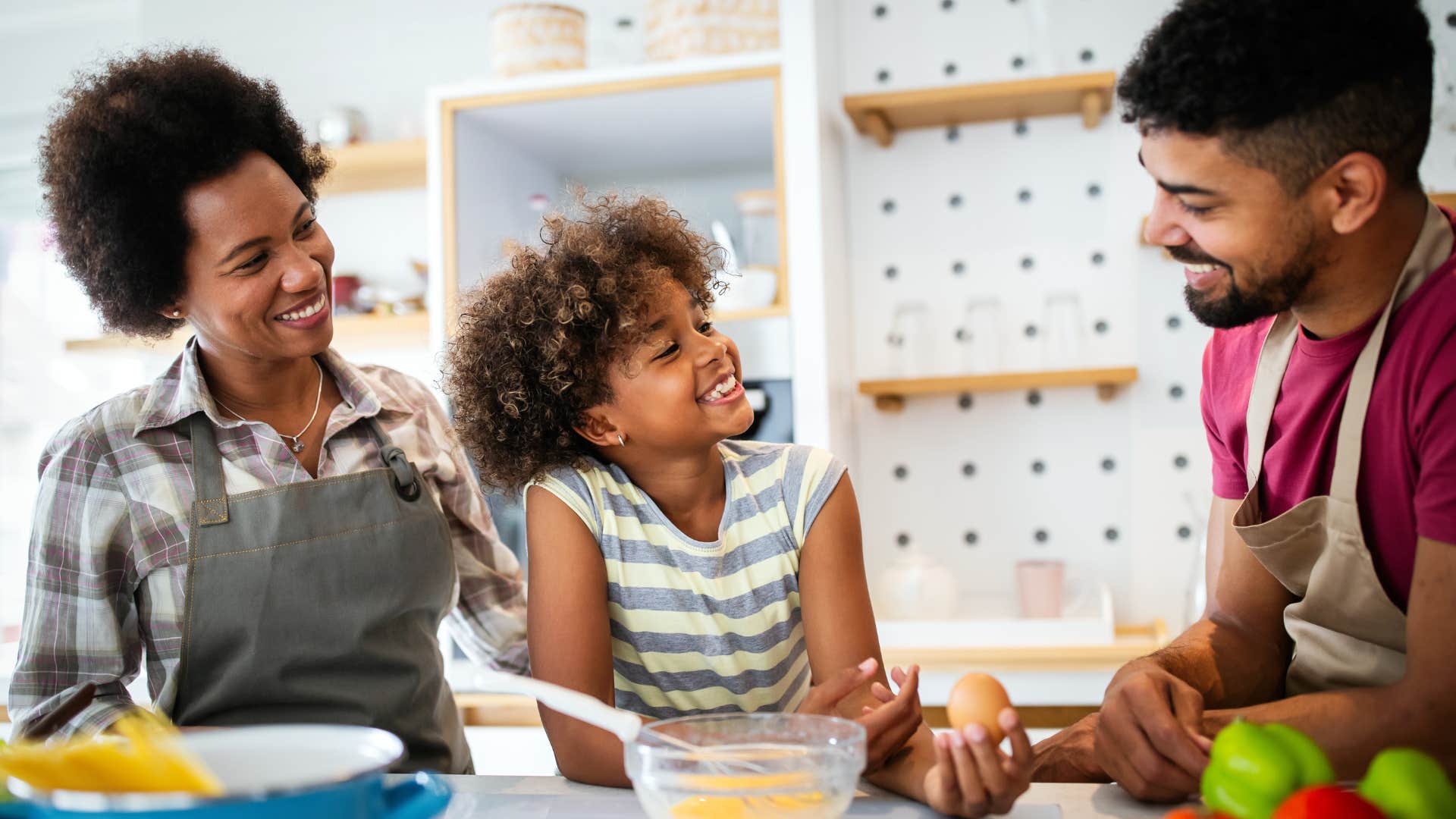
According to a study published in Preventive Medicine, children in families that prioritize regular family dinners together are often set up for better social and emotional well-being than their counterparts. They learn to resolve conflicts, come together, appreciate small joys in life, regulate their emotions, and connect with their families on a deeper level, even if the ritual of a family dinner feels unsuspectingly mundane.
On top of the emotional and mental benefits, children with these rituals also tend to perform better in school, have better relationships with their friends, and boast better physical health outcomes. So, while it might seem old-fashioned, especially in many chaotic, busy, modern households today, it’s worth prioritizing for everyone’s well-being.
2. Letting us play outside unsupervised
 PeopleImages | Shutterstock.com
Unsupervised, free play outside is fundamental to children’s development, according to a study published in the Paediatrics & Child Health journal. And while it may be more unsafe for kids today without boundaries and guardrails, it’s still important.
Modern, gentle, and overly-involved parents have good intentions while trying to protect their children, but may be inadvertently depleting them of independence and autonomy. Sometimes, they need to make mistakes, fill their own time, meet people, and get out of their comfort zone without having their parents as a “plan B” to solve all their problems.
Getting comfortable with discomfort is one of the old-fashioned things our parents taught us by letting us play outside unsupervised and left to fill our own time while they worked. As adults, conflict, hard conversations, and grappling with natural life changes are a bit easier because of it.
3. Assigning chores without an allowance
 PeopleImages | Shutterstock.com
Research shows that kids who regularly do chores early in life often perform better in school, have higher life satisfaction, and learn the skills needed to take care of themselves later in life. Even if doing the dishes or cleaning your room felt like the worst thing in the world as children, it set us up to take accountability over our own lives and routines as adults.
That’s why having expectations around chores, sometimes without any kind of compensation or monetary reward in exchange, is one of the old-fashioned things our parents did that actually worked. We don’t expect anything in return when we do household chores or feel pressured to reward ourselves for keeping up with clutter, because we know it makes us feel better.
4. Holding us to a strict bedtime
 ArtCreationsDesignPhoto | Shutterstock.com
Even if we hated being pulled away from the TV or rangled in from playing outside with our friends as kids, setting and maintaining a strict bedtime regime is one of the old-fashioned things our parents did that actually worked for keeping up healthy and happy.
According to a study published in Sleep Medicine Reviews, kids who are encouraged to follow a strict bedtime routine, including going to bed at the same time every night, often boast better moods and emotional regulation skills.
As adults, this prioritization of sleep and bedtimes is more important than we realize, and when we have space to practice as kids, without feeling like rest is lazy, we’re set up for healthier, happier lives.
5. Accepting ‘no’ as a full answer
 PeopleImages | Shutterstock.com
Even if phrases like “because I said so” were controversial in their own right, parents who refused to over-explain themselves to their kids may have taught them how to truthfully respect boundaries. If someone was too tired to go out or struggling with responsibilities and asking for support, it’s these kids who know how to respect a “no.”
They’re not so entitled that they expect full access to someone’s time, energy, or space all the time.
6. Saving money instead of buying everything
 Prostock-studio | Shutterstock.com
According to a University of Michigan study, children start to learn ideas and attitudes about money from a very young age, sometimes as early as five years old. From listening to conversations their parents had about money to saving for the toys they wanted, these old-fashioned things our parents did actually set us up for financial comfort as adults.
Even if we hated phrases like “put it on your Christmas list” or “start saving your money” when we asked for things in the store, it subtly taught us the importance of waiting. Along with financial literacy, we figured out what things were actually worth effort to save for and what were fleeting desires we didn’t actually want or need.
7. Teaching us to cook basic meals
 PeopleImages | Shutterstock.com
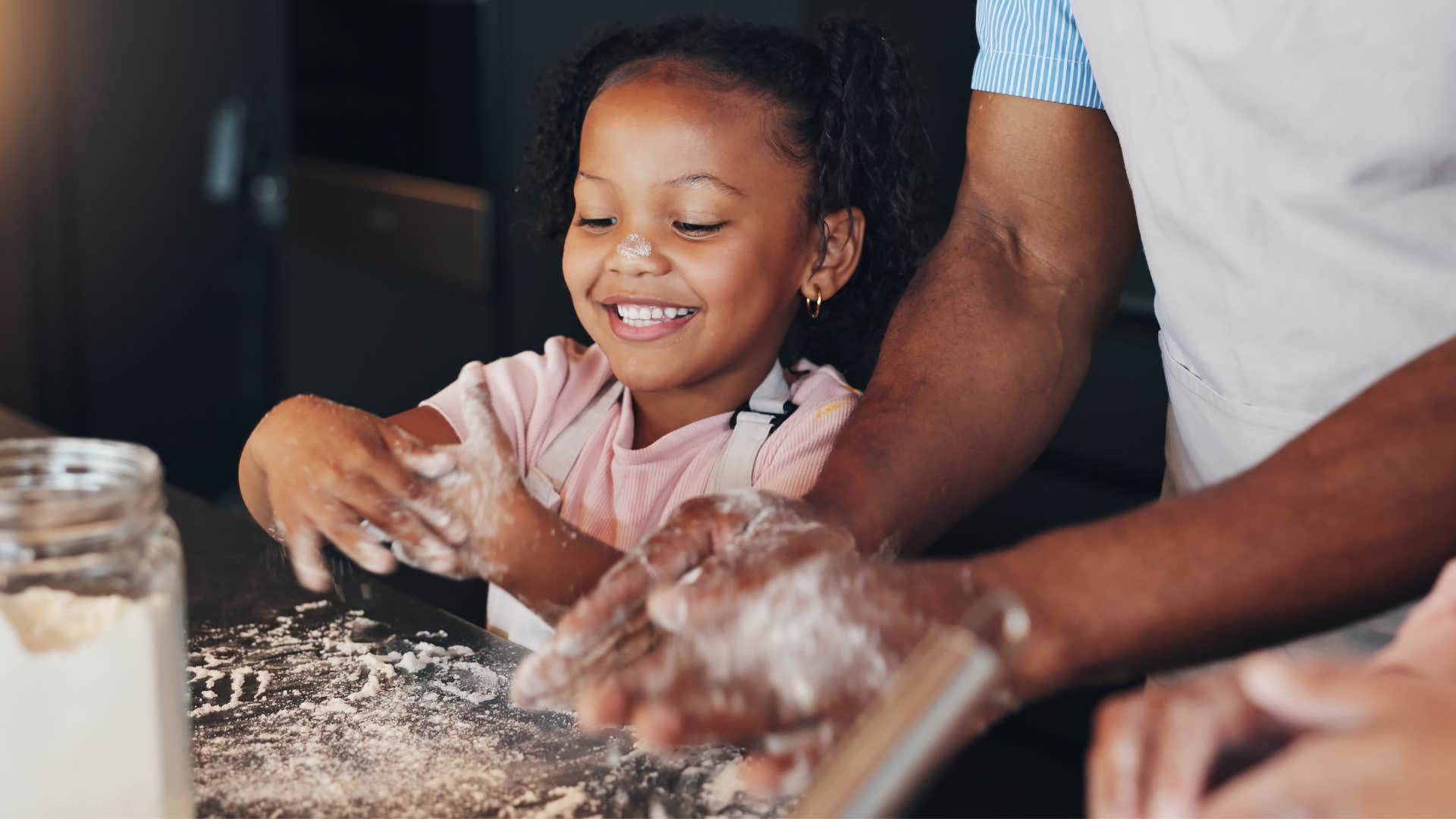
Including us in the kitchen is one of the old-fashioned things our parents did that actually worked. Whether it was setting the table, taking over “spoon” duty at the stove, or washing dishes while our parents cooked, it was these small moments that gave us the skills to start cooking and feeding ourselves as young adults.
Like financial literacy and general emotional regulation skills, we learn to cook and prioritize healthy eating habits from our parents. So, being intentional about including us and teaching us small skills in the kitchen set us up for a healthier, happier lifestyle later in our lives.
8. Limiting TV time
 Prostock-studio | Shutterstock.com
Limiting TV time is one of the old-fashioned things our parents did that actually worked for protecting our emotional well-being and adult routines. Whether we were forced to go outside and play or do our chores, the limits on screen time our parents set truly set us up for success.
As adults, the technology and entertainment we have at our fingertips may look different, but the boundaries our parents set for us as kids still linger in our routines. We make compromises with mindless entertainment by leaning into other hobbies and rituals first.
We peel ourselves away from the TV to make time for self-care. We know how to take care of ourselves, without relying on the TV or our phones for a sense of constant security and comfort.
9. Making sure we introduced ourselves properly
 Fizkes | Shutterstock.com
Whether it was to a kid being left out at a party, a family member we haven’t seen in a while, or their friends on a random weekend, ushering us to introduce ourselves and say “hi” to people is one of the old-fashioned things our parents did that actually worked.
While many modern parents today are distracting their kids from social interactions with iPads and cell phones, trying to put comfort and convenience over learning, our parents made an effort to urge us into uncomfortable social situations for our own good. Even if we hated it at the time, it set us up to overcome social anxiety and learn to be comfortable with discomfort as adults.
10. Allowing us to be bored
 Miljan Zivkovic | Shutterstock.com
Instead of putting us down in front of the TV or giving us a tablet to distract ourselves, our parents let us be bored. They encouraged us to get creative to stay entertained and to lean into alone time, even if it was uncomfortable at first. That’s what set us up to become self-regulated and emotionally intelligent adults. We had space to learn our own identities, develop our own hobbies, and invest in alone time without anxiety or constant discomfort.
As adults, being comfortable with boredom is a superpower, especially in the modern world. We provide space for our bodies and brains to rest, reconnect with our true selves, and leverage the power of hobbies to our advantage.
Zayda Slabbekoorn is a senior editorial strategist with a bachelor’s degree in social relations & policy and gender studies who focuses on psychology, relationships, self-help, and human interest stories.
