
If You Grew Up With Hyper-Controlling Parents, You Probably Have 11 Difficult Traits Now
 Krakenimages | Shutterstock
 Few parents act controlling toward their kids simply to be mean, they usually believe they're doing the right thing, guiding and protecting them. But hyper-controlling parents do a lot of damage, instilling many difficult traits that last their kids into adulthood.
Often, their kids struggle in relationships with partners and friends, at work and even with their own self-esteem until they wake up one day and realize that many of their difficult traits come from having been way too controlled by the people who were supposed to love them unconditionally. Here are a few examples.
If you grew up with hyper-controlling parents, you probably have 11 difficult traits now
1. You’re a perfectionist
 blvdone | Shutterstock
When you grow up with controlling parents, you probably learned perfectionism the way you learned to walk or talk. Nothing was good enough unless it was perfect, and love may have been withheld if you didn't achieve to their expectations.
Even if a parent never withholds love or attention, parental perfectionism and control still often spark anxiety in children, as a study from the Journal of Abnormal Child Psychology explains, but their attention to detail and unrealistic expectations for their children also significantly wear off onto their attitude and self-image.
Often insecure and struggling with self-confidence as a result of their parent’s controlling parenting style, otherwise known as “helicopter parenting” or being overbearing, these now-adult children hold themselves to an unrealistic standard and struggle to live without worry.
Until you unload this burden as adults, you will often keep perpetuating this level of control on yourself. It may feel like it's an innate part of who you are, but it may not be. Luckily, they don't have to punish yourself just because your parents were hyper-controlling.
2. You struggle to explain your emotions
 Motortion Films | Shutterstock
If you ever find yourself stuggling to process or express your emotions, it's likely part of the fallout of having overbearing parents. That's because this type of parent tends to rely on a sense of control to parent their children instead of helping them understand the rules and why they should make good choices.
Instead of helping their kids learn to rely on their own emotional intelligence, they teach them to be overly dependant based on a fear of disappoinging their parents. Their parents model rigidity, power, and coldness rather than compassion and empathy.
As these children grow into adulthood, they struggle to express and explain their emotions, oftentimes because they were taught to hide or ignore them to appease a controlling parent. It’s become an inherent defense mechanism for these adult children, which tends to connect with deep unresolved trauma and negatively affect the communication and health of their relationships.
3. You try to make others happy, even when it depletes you
 Helena Cervera Andreu | Shutterstock
If you struggle with the type of people-pleasing that comes at the expense of your well-being, it's a pretty good sign you grew up with extremely controlling parents. Controlling parents often set rules and get angry simply so they can maintain control, rather than to teach specific skills or keep their kids safe.
As a result, kids of controlling parents may be forced to figure out how to avoid getting in trouble, as it might be somewhat random instead of logical.
As a study published in the Journal of Child and Family Studies from 2023 argues, these adult children are experiencing simply “environmental mastery.” As children, they learned how to keep their controlling parents happy, even if it meant deception, sacrifice, and unfair compromise, and this knowledge has now carried over into how they navigate the chaos of adulthood.
This can be incredibly difficult to overcome, but it is possible once you fully see how your parents' controlling nature affect you now.
4. You can't seem to stop worrying
 DimaBerlin | Shutterstock
Research from the Journal of Abnormal Child Psychology argues that there’s a link between the presence of a controlling parent in a child’s home atmosphere and their tendency to develop anxiety disorders later in life. So if you had a very controlling parent and can't seem to stop worrying, there's probably a connection.
When you think about yourself as a child and consider that the consequences of making a mistake in front of your parents, it's no surprise you're anxious! Kids with controlling parents who make a mistake or step out of line in some way often face unpredictable and highly emotional response from their controlling parents. As a result, they're much more likely to suppress themselves and carry worry into adulthood.
It’s not just a fear of emotional outbursts, similar to their parents that these adult children struggle with; it’s an over-commitment to reading everyone’s emotions, ensuring everyone is happy, and overcompensating to protect the peace that drives their anxieties.
5. You doubt yourself and sometimes feel like a loser
 Bagus Production | Shutterstock
When you're a child and nothing you do is ever good enough in the eyes of your overbearing parents, it's hard to find your natural talents and skills. You don't know what you're passionate about, and thus you almost never succeed at things that matter to you. Soon enough, you doubt yourself and your value in the world.
A study from the Journal of Family Theory and Review even argues that adults with overbearing parents tend to adopt insecure attachment styles with new relationships. It's not a big surprise, as you grew up with such a transactional and anxiety-ridden connection with your parents, with whom we're supposed to feel secure and unconditionally loved.
With such unrealistic parameters for success and happiness ingrained in your mind, you struggle to accept compliments from others, find peace with your physical and emotional being, and navigate your life without nagging insecurities.
6. You hate when people are overly-dependent on you
 PeopleImages | Shutterstock
A study on people who hate dependency by the American Psychological Association argues that people who exhibit hyper-independent tendencies often have shared childhood trauma experiences with unmet dependency needs. The report explains that many of these people had experiences where their parents failed to provide adequate emotional support. They also found that these parents were controlling in less significant parts of their lives or they boasted a transactional connection.
If you can relate, any of these specific interactions with an overbearing parent likely reinforced your desire to control your own life and to have autonomy outside of the household. Like an aversion to the toxic tendencies of an overbearing parent, these adult children now find solace in being alone, controlling their own decisions, and being utterly reliant on themselves, even to a fault. And who can blame you?
7. You self-sabotage healthy relationships
 simona pilolla 2 | Shutterstock
Nearly 64% of people argue they’ve experienced “self-sabotaging” behaviors at least once in their life, according to a 2008 psychiatric study. However, those with overbearing and controlling parents are more susceptible to regularly letting this behavior harm their lives, relationships, and fulfillment.
While self-sabotage can look different in different scenarios, relationship therapist Nancy Carbone argues that it almost always revolves around a lack of trust in yourself and others. Adult children don’t trust their partners to fully support them, similar to how they felt as children, so they close themselves off, sabotage their connections, or create distance to keep themselves from getting hurt.
8. You struggle with trust
 Olena Yakobchuk | Shutterstock
It’s not just platonic and romantic relationships that these adult children struggle to prioritize trust in; they also find it challenging to trust themselves. From navigating their daily lives to making big life decisions and prioritizing their interests, their childhood — filled with self-blame, broken trust, and emotional abandonment — plagues their confidence and trust in themselves.
Whether you're consciously aware of your parental trauma or not, personal development coach Pamela Aloia argues there are ways to rebuild self-trust in adulthood, but it starts with self-awareness. Before you can learn to face your fears, experiment with discomfort, and rebuild self-trust, you have to learn the emotional intelligence you were never taught as a child.
9. You fear confrontation
 Bits And Splits | Shutterstock
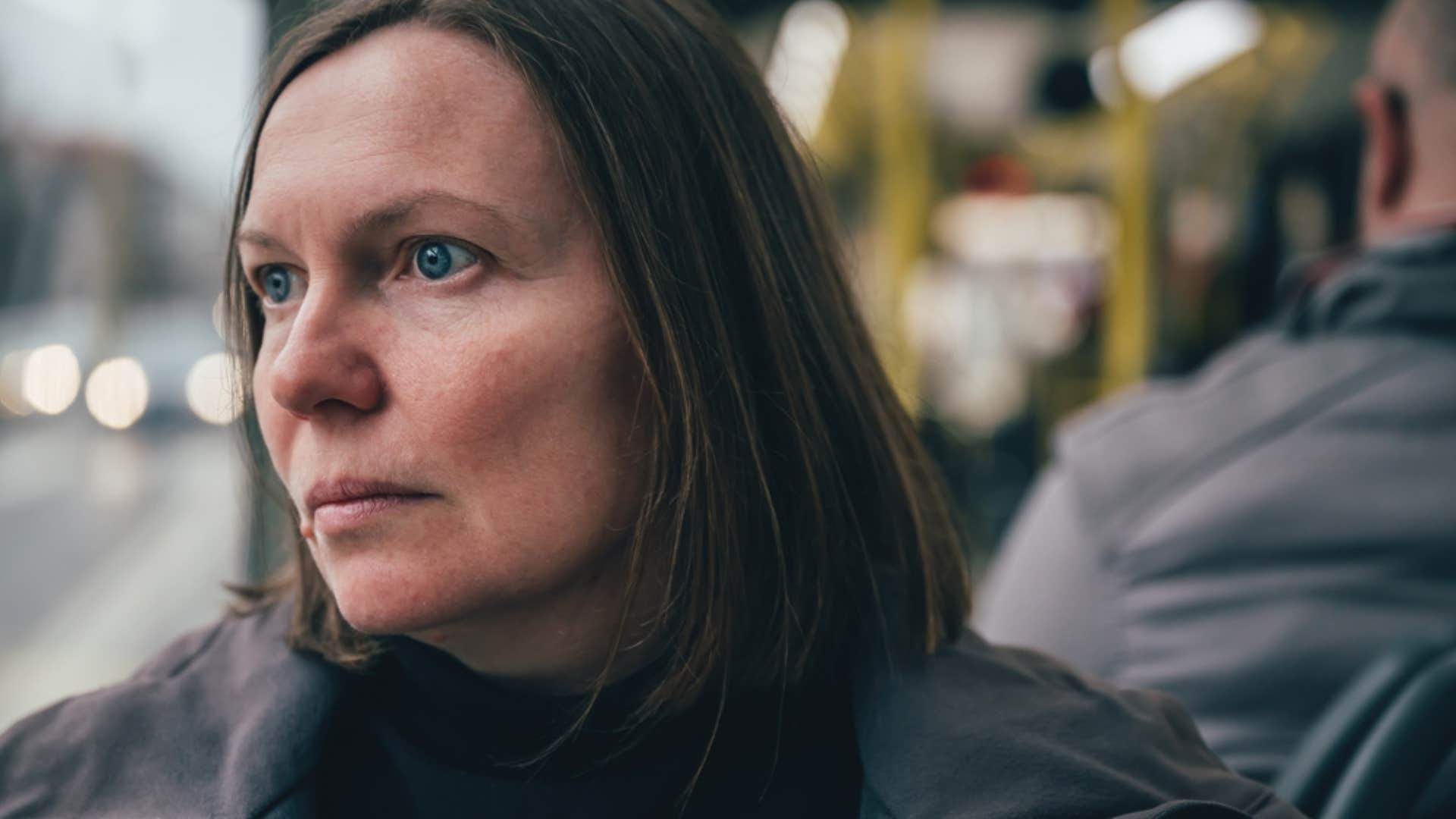
Whether it’s a friendship qualm, relationship argument, or confrontation with a stranger at the grocery store, adult children with overbearing parents struggle with conflict—partly because of their insecurities and partly because of how they were reprimanded as kids.
This fear of confrontation comes back to the tendency for adult children with these parents to have insecure attachments — any sign of conflict sparks anxiety that there will be an outburst or that the stability of their relationship will be compromised.
10. You don't always know how to protect yourself from users
 Odua Images | Shutterstock.com
With parents who constantly overstepped in your space and felt largely entitled to your thoughts, energy, and emotions, adult children with controlling parents often have to teach themselves out to set boundaries. After all, your parents had no boundaries with you, so how would you learn?
The worst part of this difficult trait is that you don't really know how to protect yourself from users and other soul-sucking people.
People with super controlling parents often end up in unhealthy relationships because they were taught that dependent, all-encompassing relationships were the only way to grow up. Everything from healthy communication skills to needing space and taking alone time was foreign to them going into adulthood, and they’re not necessarily easy concepts to learn overnight.
But have faith, there are ways to learn this now, and it's so worth the effort.
11. You only know conditional love
 ITimBo | Shutterstock
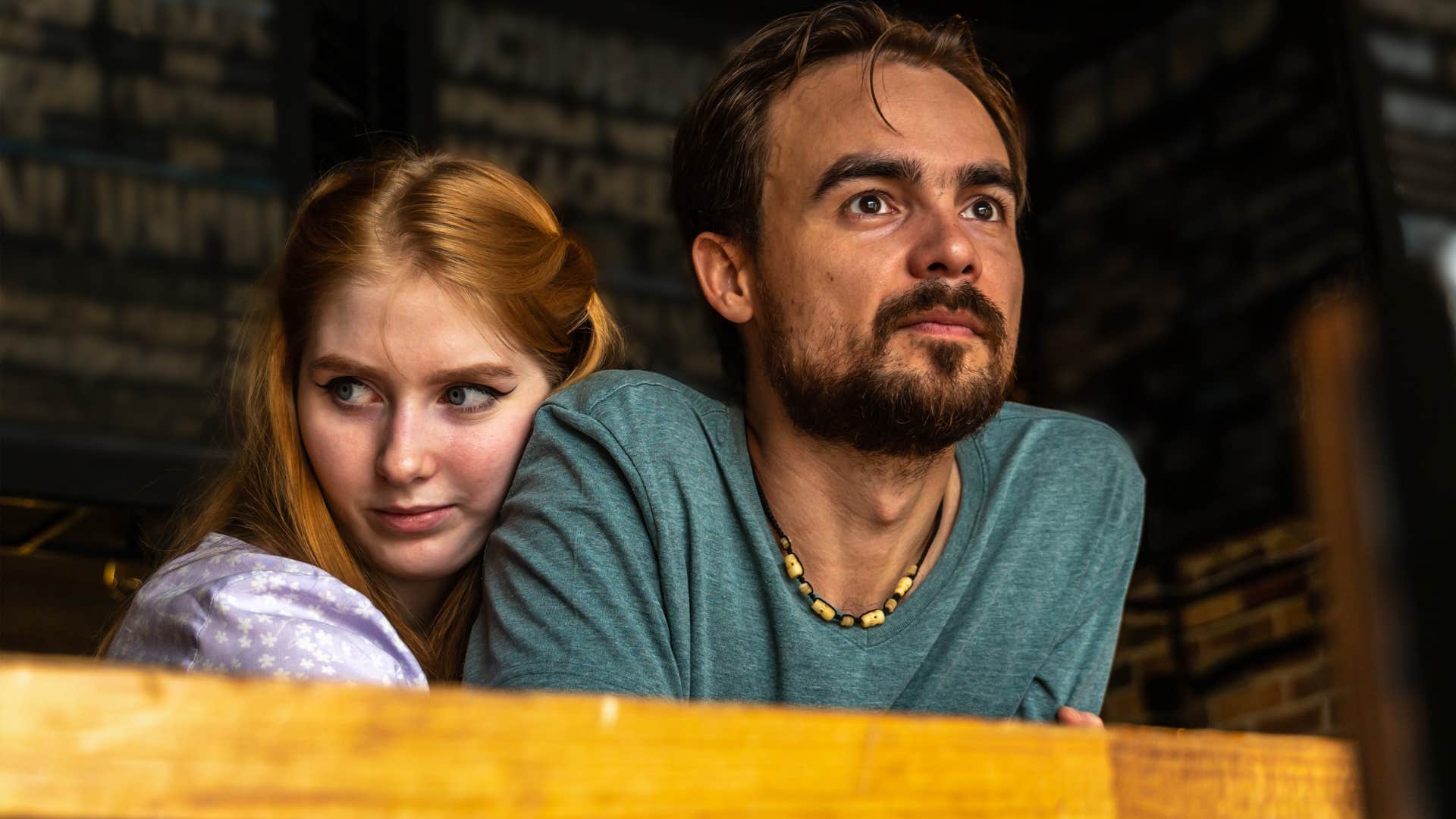
Hyper-controlling parents only give love and support when their child is doing something their parents told them to do. Worse, they often remove that love (usually temporarily, but sometimes permanently) when the kid fails at it. They may think this is for their child's own good, but it can do enormous damage.
In a healthy family, parents step to the side while their child becomes the brilliant and unique person they were destined to become. If this sounds totally weird to you, then you probably had toxically controlling parents. You cannot imagine that a parent can support and guide a child to find their own dreams while also offering support, structure and guidance.
It's no surprise, then, when a kid who was super controlled stumbles into relationship after relationship with controlling and overbearing partners and friends whose affections are conditional. As much as they may have hated it as a child, it's what's familiar, and research has long understood that people often try to recreate trauma subconsciously. And until we recognize the pattern, we're more likely to continue participating in it.
Zayda Slabbekoorn is a News & Entertainment Writer at YourTango who focuses on health & wellness, social policy, and human interest stories.
