
11 Things People In The 1970s Did That Made Them Way Happier Than Us
 Chermiti Mohamed | Unsplash
 During the 1970s, life seemed simpler. They were one of the last generations to live a truly unplugged life. They valued music and spending time with their friends and family. They would go out, keep their plans, and sometimes hang out without making plans at all. It was a more carefree time. They did so many things that would make us jealous now. They were often way happier than we are now.
The most enviable aspect of their lives was their ability to clock out of work and actually leave. There was no laptop waiting for them at home. Cell phones did not exist, and smartphones were far off in the future. They had never heard of Slack or Microsoft Office. People in the 1970s had to slow down. They had breaks from reality often. No one had a phone to be glued to or an email inbox to check. While advances in technology have made our lives easier, they have also held us back in other ways. If you want to improve your life, try taking cues from the 1970s that made life happier for those who were living it. These are the things people in the 1970s did that made them way happier than us:
1. They left work at the office
 Fortgens Photography via Shutterstock
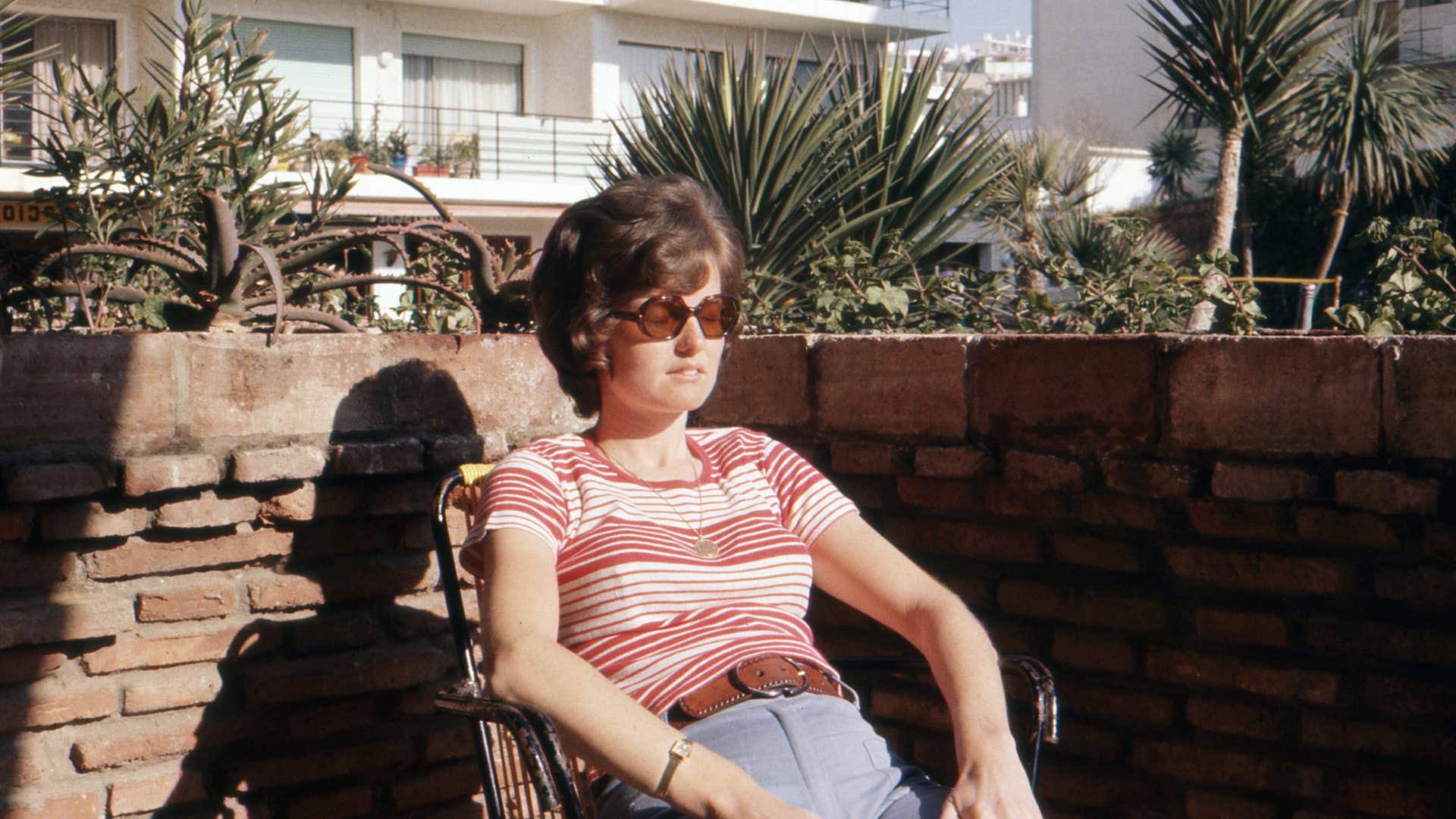
Picture this: You leave your office after a long day of work, knowing you could go home and relax. There were no notifications or urgent emails for you to check. That dreaded Slack or Teams noise did not exist. No one was going to call you or send you things to look at off the clock. Sounds like a dream, right? For those alive in the 1970s, this was a reality.
Being able to clock out and not worry about work until their next shift made them significantly happier than us today. Work can be draining, and more often than not, it demands attention even on those nights and weekends when you are at home with your family. Being constantly plugged into our work lives can negatively impact our mental health. Staying disconnected was the way to do it.
2. They kept the plans they made
 SeanShot from Getty Images Signature via Canva
Let’s be honest, our current lives are hectic. However, we can be guilty of canceling plans often for reasons that may not even exist. While we value our friendships, we are not great at maintaining them in person. Chatting over text or Instagram is easy, but committing to sending time together can be hard. Not only are you trying to schedule something when everyone has jobs and different lives, but we also have to juggle our own time. It’s a lot.
Back in the 1970s, the pace was much slower. When you make plans with someone, you have to go and enjoy time with your friends. Plus, it was harder to cancel plans after they were made. You had to count on the person to be home to answer the phone. You couldn’t text them to change your arrangement. It was a happier time because they valued sticking to plans.
3. They valued self-expression
 Alexandre Canteiro from Pexels via Canva
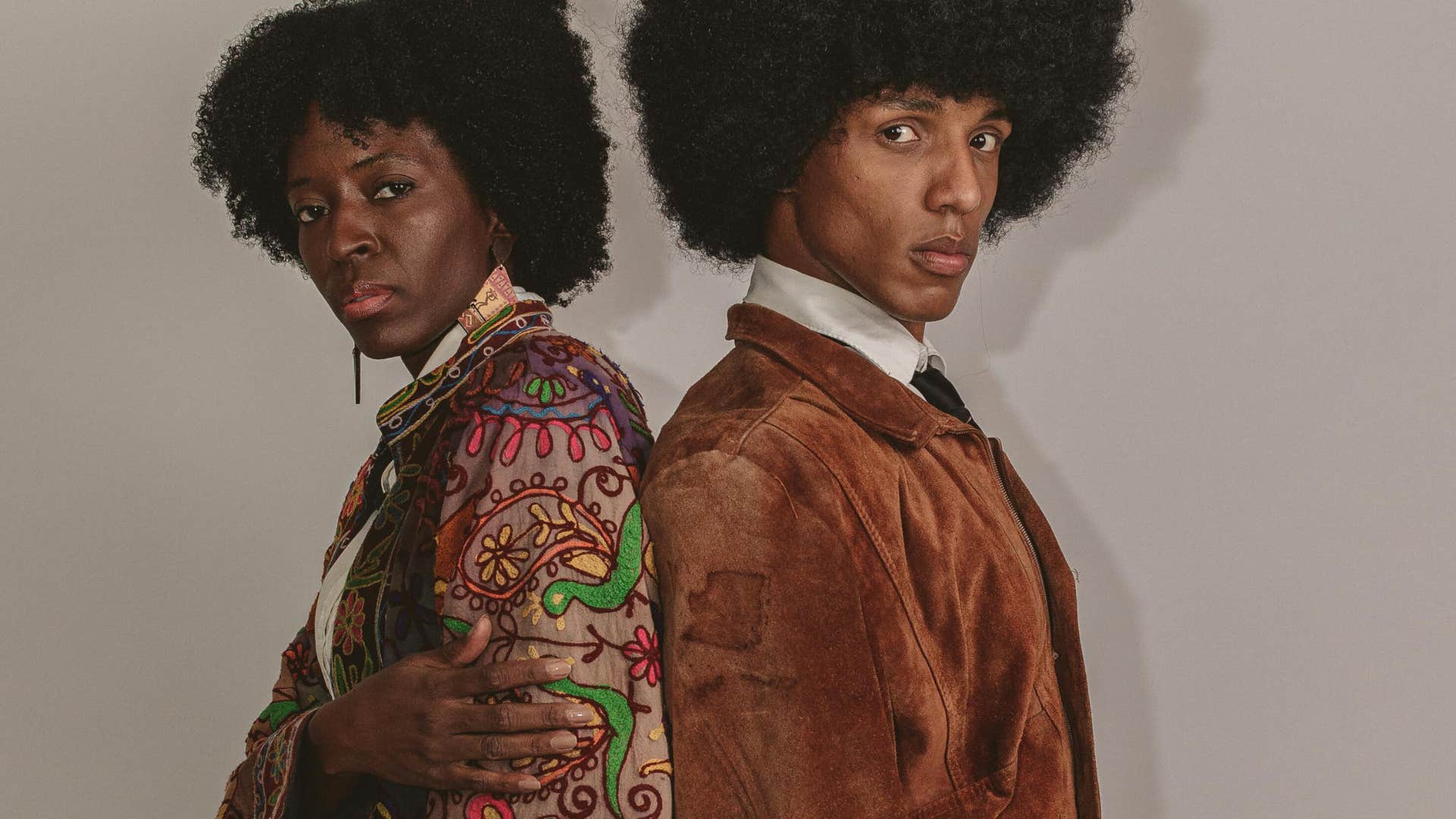
Life in the 1950s and 1960s was more rigid. While things started to become more loose in the 1960s, it wasn’t as free-spirited as the 1970s. This decade allowed people to experiment with who they were. From what clothes they wore to the music they listened to, there was a movement towards self-expression.
“The 1970s marked a turning point in how Americans thought about self-expression, personal rights, and communication. At the heart of these cultural shifts was the concept of assertive behavior — the ability to express one’s needs, opinions, and boundaries confidently but respectfully,” says Gordon Skene. “What began as a therapeutic idea quickly became a social movement, reflecting deeper changes in gender roles, workplace dynamics, and notions of individuality.”
4. They spent more time outdoors
 Chermiti Mohamed from Pexels via Canva
We love to consider ourselves a truly outdoors-loving generation. That is certainly true. However, the 1970s took spending time outdoors to a different level. While our group loves a good hike or outdoor yoga sessions, we are not as dedicated as they were. They enjoyed spending any time they could outside. From camping to hanging out in the sunshine from morning til night, they did it all.
Now, it is harder to get outside. People in the '70s were always seeking adventures. Sitting inside was boring. They needed to go out and find things to do. We, however, have a million screens and things to do inside. We do not appreciate the outdoors as much as they did.
5. They took time to really listen to music
 RichLegg from Getty Images Signature via Canva
Music was special in the 1970s. Some of the biggest bands came to fame during the decade. From Led Zeppelin and The Rolling Stones to AC/DC and Fleetwood Mac, it was a golden age for music. People in the decade got to see some of these bands in tiny venues, truly enjoying their music for the first time. Over the last several decades, these bands had only toured stadiums. Imagine seeing them in a normal-sized room? Getting out and seeing live music made them happy.
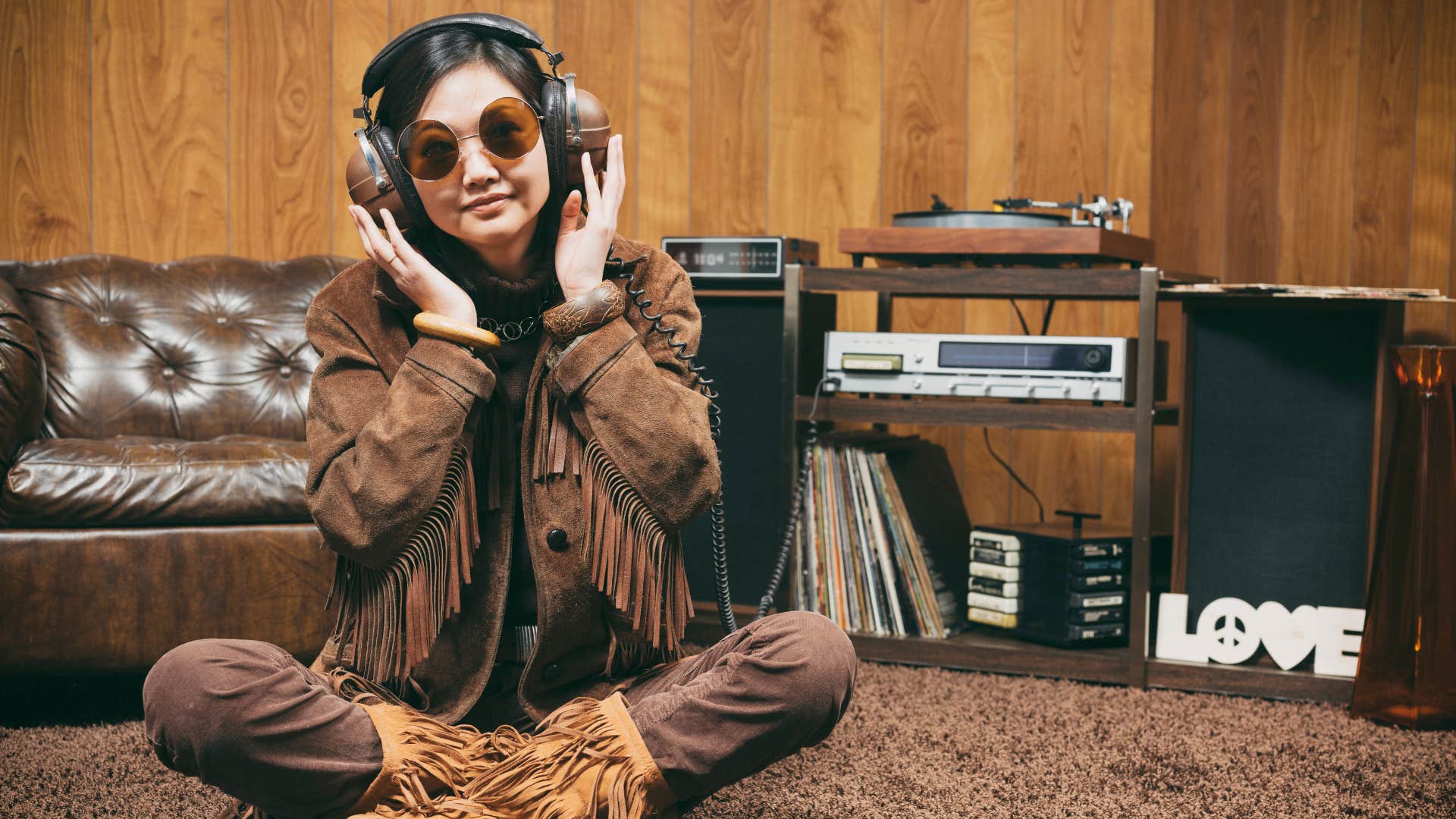
Not only that, but they got to listen to music hands-on. They were the generation of vinyl records. If you go shopping for second-hand records and find records from the '70s, you can see how loved they were from the frayed covers and well-cared-for vinyl. Music triggers dopamine, and people in the 1970s experienced it differently, making them happier than we are.
6. They picked face-to-face conversations over phone calls
 Collis from Pexels via Canva
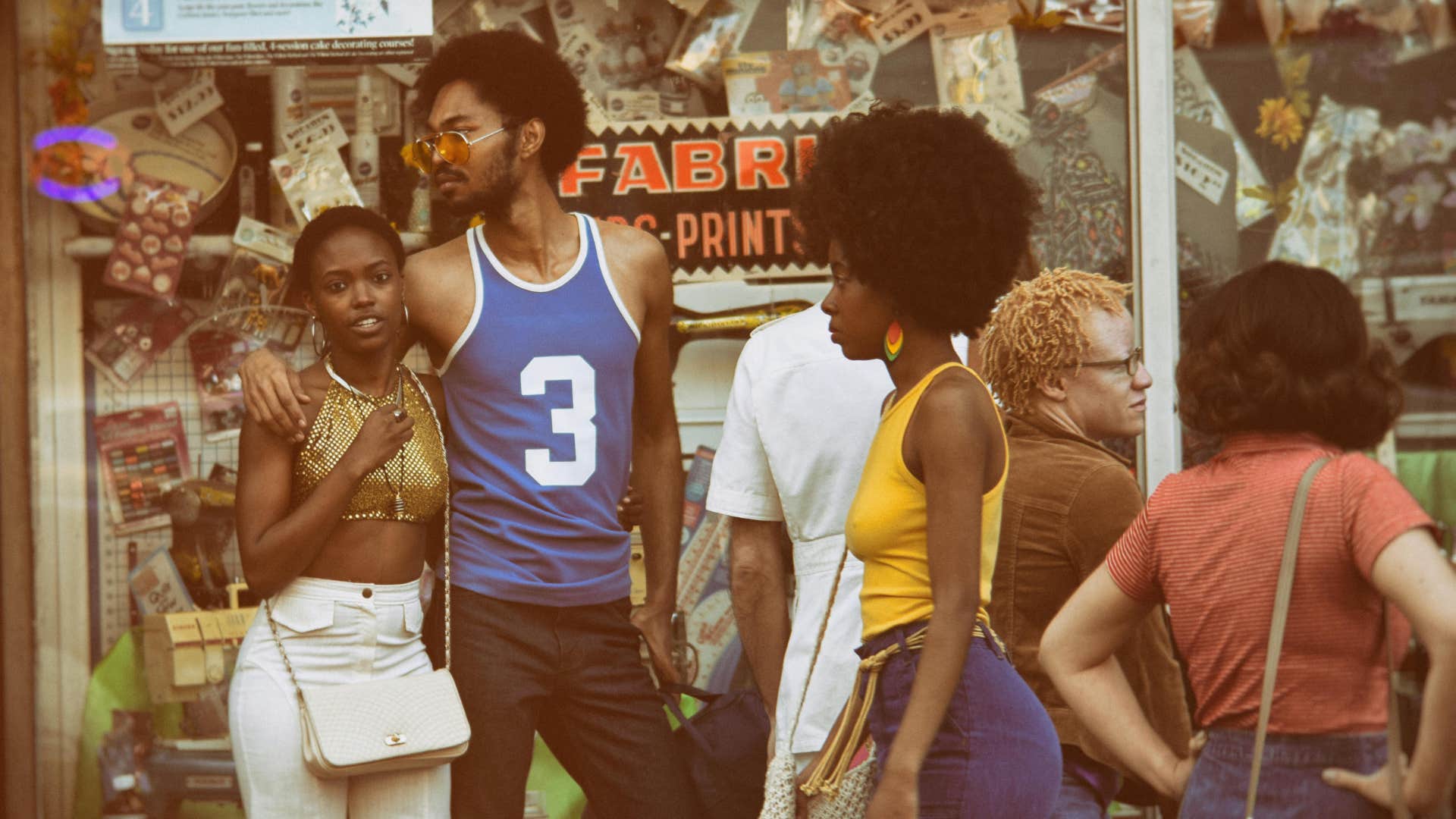
According to a study summarized by Noam Shpancer, PhD., for Psychology Today, digital conversations cannot compete with face-to-face conversations. Connecting in person, making eye contact, and spending time together one-on-one is the best way to maintain relationships. People in the 1970s always spent time together. While they had landline phones to use, they certainly were not texting. Instead, they fostered healthy relationships face-to-face.
The study found that even communicating through a video call was not the same. While technology has brought the people we love who are further away closer, it has also distanced us from one another in person. In the '70s, digital conversation wasn’t an option. They spent time together and were happier for it.
7. They became involved in social movements
 Syda Productions via Canva
We are all familiar with the hippy movement. When we picture people from the 1970s, you likely see bell-bottom pants, sunglasses, long hair, and peace signs. While people definitely dressed like that, there was a deeper meaning to their attire. They were a generation that loved getting involved in social movements.
The hippy movement was more than just a fashion trend. It was a counterculture movement that pushed for a more loving society. “Hippies advocated nonviolence and love, a popular phrase being ‘Make love, not war,' for which they were sometimes called 'flower children.’ They promoted openness and tolerance as alternatives to the restrictions and regimentation they saw in middle-class society,” says Britannica.
While they may have been dismissed by other generations, their work towards making the world a better place made them happier than us.
8. They spent time in their communities
 Collis from Pexels via Canva
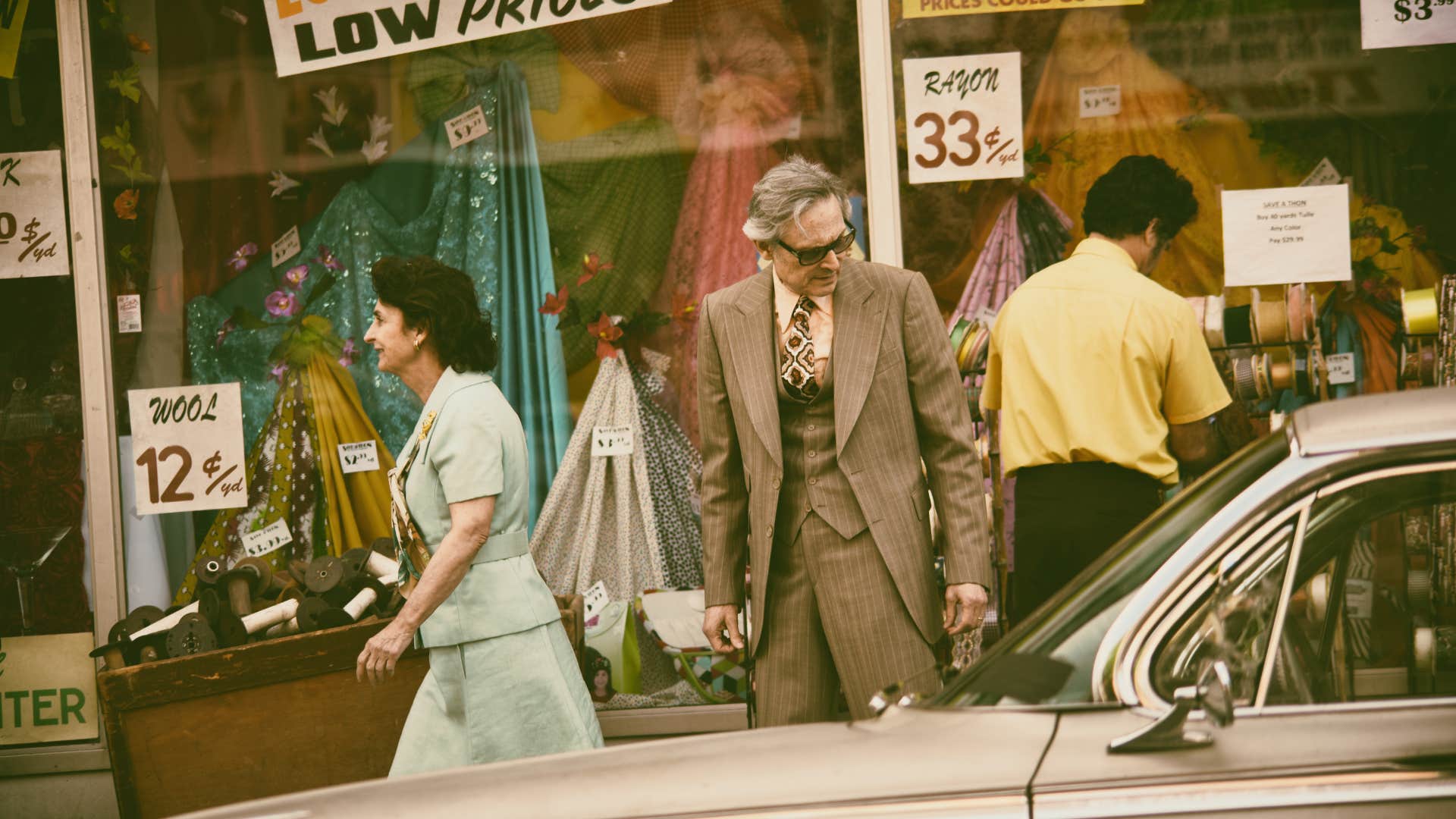
The hippie movement advocated for people in the 1970s to spend time in their communities. From protesting against war to showing up for moments of peace on college campuses, hippies were famous for spending time in the heart of their neighborhoods. However, they were not the only ones getting involved in the lives of the people around them.
Even those in the 1970s who didn’t identify with the movement had a strong presence in their communities. These were the days when everyone knew everyone. It was a special bond that made making friends easy. Since they didn’t have cellphones, they became comfortable going over to their friends’ houses unannounced to hang out. The community came together because that was all they had. It made them happier to spend time together.
9. They ate dinner as a family
 Karola G from Pexels via Canva
Even though they spent time outside, there was one specific rule: be home before the sun goes down. If the kids and teenagers of the 1970s showed up late, they would be in serious trouble. Their parents valued sitting down as a family and having dinner. Gathering around the table allowed them to connect. It made them happier because it built strong family foundations.
People in the 1970s who went on to have families of their own took this value with them. Their children then grew up to do the same. They knew the importance of coming together at the end of the day, especially when they spent time outside the home. If the streetlights were on, they were at home and having dinner with their families.
10. They let themselves slow down
 H. Armstrong Roberts from Photo Images via Canva
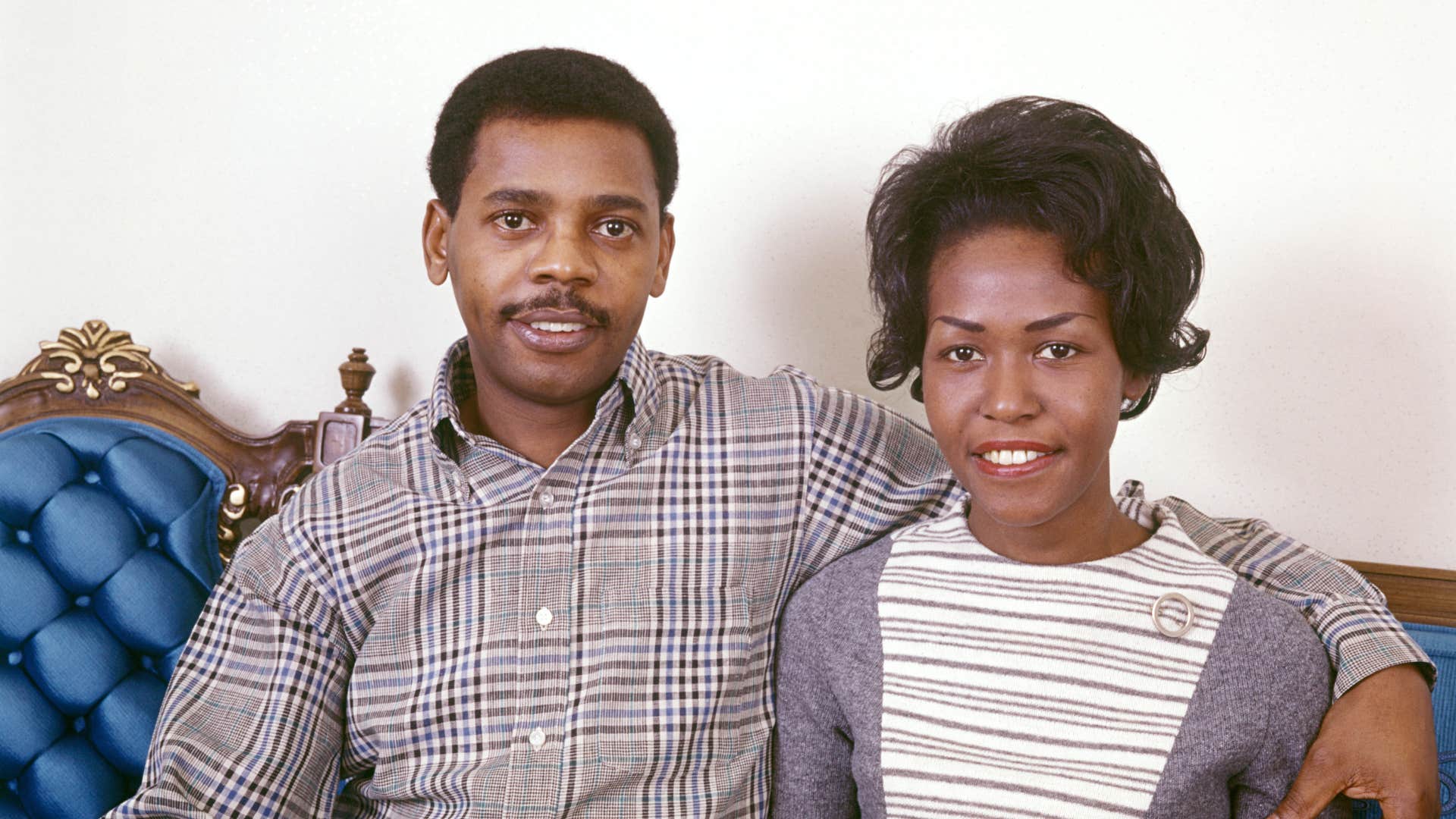
While people in the '70s lived busy lives, they also allowed themselves to slow down. They loved going to concerts and spending time outdoors, but they valued living a slow life. Spending time at home listening to records or reading a good book allowed them to reset. Since they had no phones to distract them, they could truly relax. The world moved at a slower pace.
Now, it feels like everything is running a mile a minute. We are overwhelmed by constant notifications. We are available to people 24/7. In the 1970s, this was not a reality. While people may have shown up at their houses randomly to hang out, they didn’t have several apps giving them notifications from their friends and family. They could break away from the stress of daily life and slow down.
11. They limited screentime
 selimaksan from Getty Images Signature via Canva
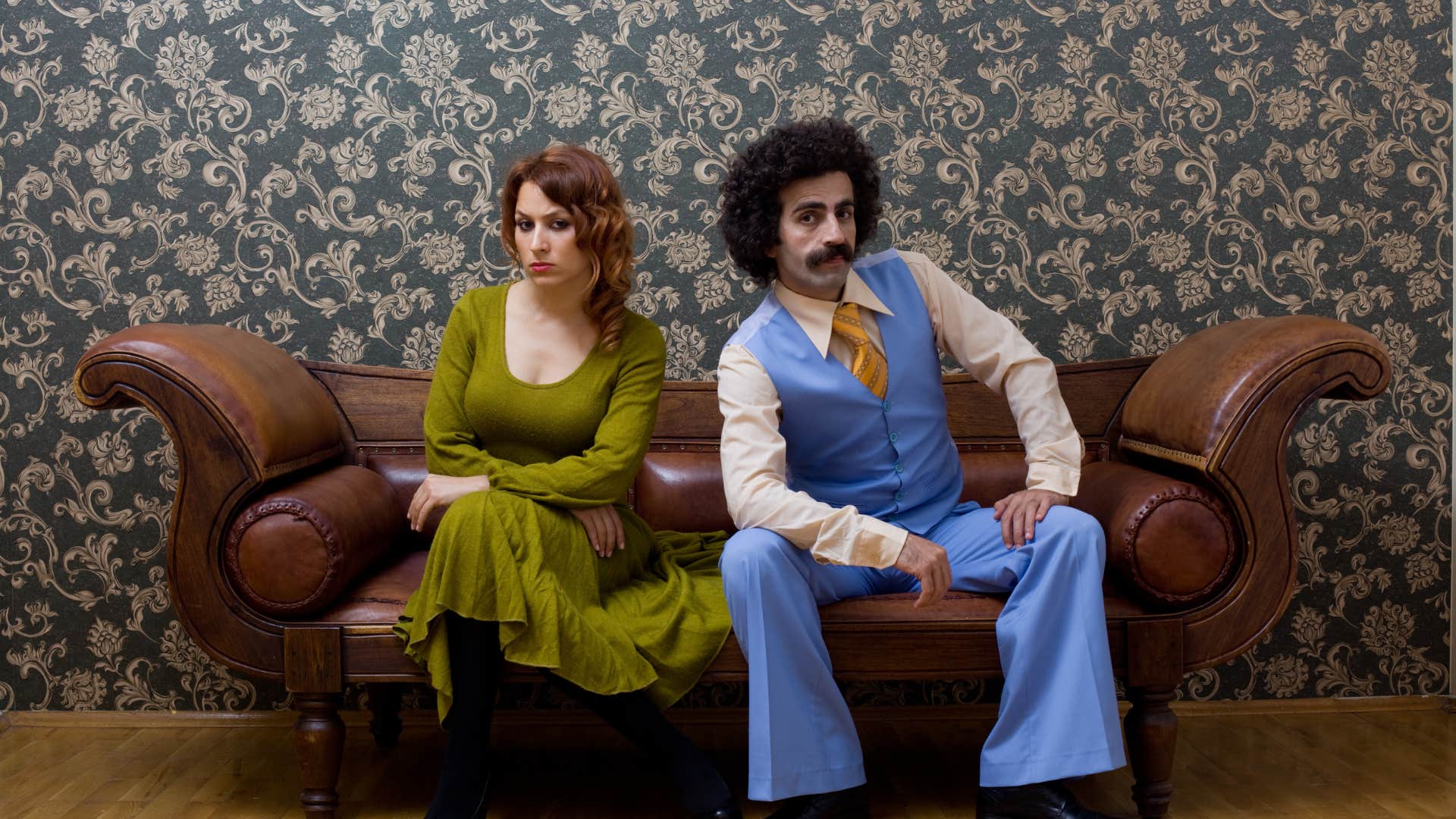
Of course, people living in the 1970s had TVs. However, things were much different then. There were not hundreds of channels. If they wanted to see the latest movie, they had to go to the theater. They did not have cellphones, computers, tablets, or any other tech in their homes. They were happier than us because they were able to fully disconnect from the world around them. Now, we are glued to our screens.
“The average American spends approximately 7 hours and 4 minutes per day looking at screens, which is slightly more than the global average of about 6 hours and 40 minutes. This increase marks a substantial shift from earlier years; daily screen time has escalated by almost 50 minutes since 2013,” says Magnant ABA Therapy.
It has taken a serious toll on our mental health. In the '70s, it was easier to live in the moment and experience the world around you.
Haley Van Horn is a freelance writer with a master’s degree in Humanities, living in Los Angeles. Her focus includes entertainment and lifestyle stories.
