
11 Specific Signs Someone Looks Stable On The Outside But Is Actually Very Unstable Emotionally
 Halfpoint | Shutterstock
 People who struggle with chronic stress, anxiety, and emotional turmoil in their lives, but still find a way to both show up socially and take care of themselves, have a high level of important emotional regulation. They not only acknowledge their feelings as they arise, but they carve out time and space for rituals and habits that help to mediate those intense feelings, without suppressing and running from them entirely.
Many of the specific signs someone looks stable on the outside but is actually very unstable emotionally revolve around missing some of those foundational regulation tactics. Their general well-being in life suffers because their emotional intelligence can’t compensate for the stressors and emotional turmoil they’re facing daily.
Here are 11 specific signs someone looks stable on the outside but is actually very unstable emotionally
1. They rely on busyness to distract themselves
 PeopleImages | Shutterstock
To hide from the stress, emotions, and turmoil they’re facing inside, someone who regularly suppresses their struggles, instead of dealing with them, may rely on busyness as a distraction. From working long hours to overcommitting to social plans, they prefer to be distracted and busy, rather than contemplative and alone.
While these moments of distraction may offer a fleeting sense of control and comfort, avoidance of deep emotional struggles and running from complex feelings only amplifies their power and stress in the long run, as a study from Consulting and Clinical Psychology explains.
They might be able to appear “normal” and regulated in social settings, but the second they’re faced with quietness and alone time, all those suppressed emotions come bubbling back up.
2. They avoid arguments and conflict
 PeopleImages | Shutterstock
If someone’s just barely holding it together on the surface and struggling with deep emotional turmoil on the inside, chances are they find a small piece of control by avoiding tense situations and conflict. Instead of leaning into the conversations and addressing issues in the moment to find peace, they run, hide, and avoid this tension for instant comfort.
However, this kind of behavior only cultivates resentment in relationships and more emotional distress internally, which leaves people feeling lonely and isolated. According to psychologist Jonice Webb, it can also negatively chip away at self-worth, creating a more unsustainable, flawed place to manage complex emotions.
3. They’re wildly productive
 MAYA LAB | Shutterstock
Toxic productivity is a common experience for people with avoidant tendencies and an unstable emotional foundation. They rely on the distraction of work and busyness to feel “important,” even if it means suppressing complex emotions and true vulnerability.
They might seem stable on the outside, but on the inside, they’re actually incredibly unstable, because they’re avoiding the support and personal relaxation they need from rest, in favor of exhausting routines and productivity.
4. They struggle to ask for help
 Perfect Wave | Shutterstock
Vulnerability and being seen both feel like a personal attack and something to run from for people reliant on a misleading self-image and avoidance. They cling to a sense of overconfidence, even when they need help, as a coping mechanism for inner struggles, even if it means they miss out on support.
While struggling to ask for help is a common human experience, as a Stanford Report explains, the truth is that it often bonds people closer and creates a safe space for vulnerability, growth, and learning. The more you get comfortable asking for and accepting help, the more secure, grounded, and emotionally safe you’ll feel.
5. They’re very self-critical
 PeopleImages | Shutterstock
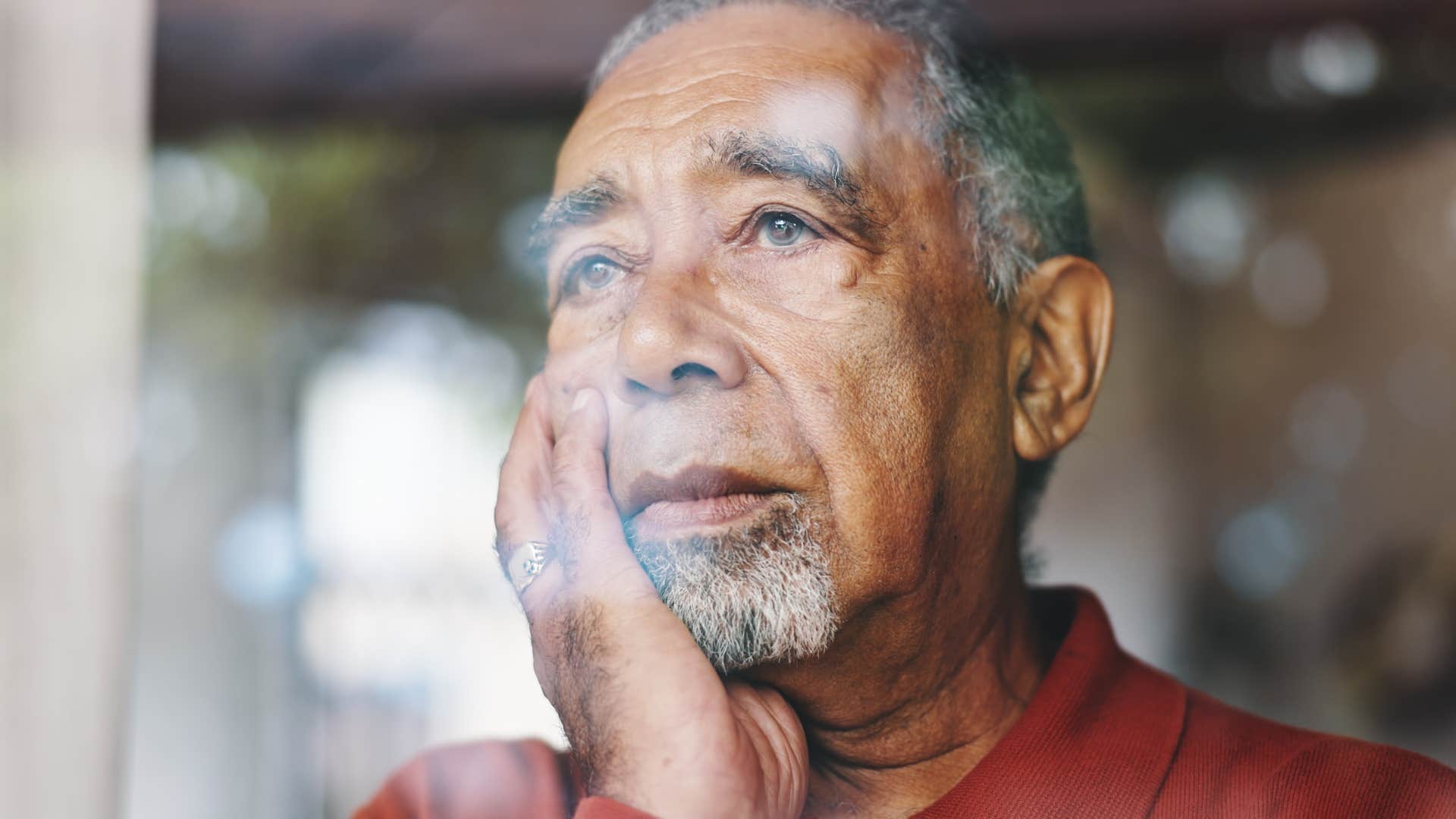
Many people who are struggling emotionally cling to hyper-independence and overconfidence as a way to protect their self-image. If they can perform being “okay” for others, they might be able to feel a sense of fleeting comfort amid the turmoil they’re facing inside.
While it might be easy to write off small warning signs in the face of a confident, seemingly strong person, their independence and control are a facade. On the inside, this “confidence” and self-image stem from self-criticism and insecurity. They’re overcompensating.
6. They read others well
 Chay_Tee | Shutterstock
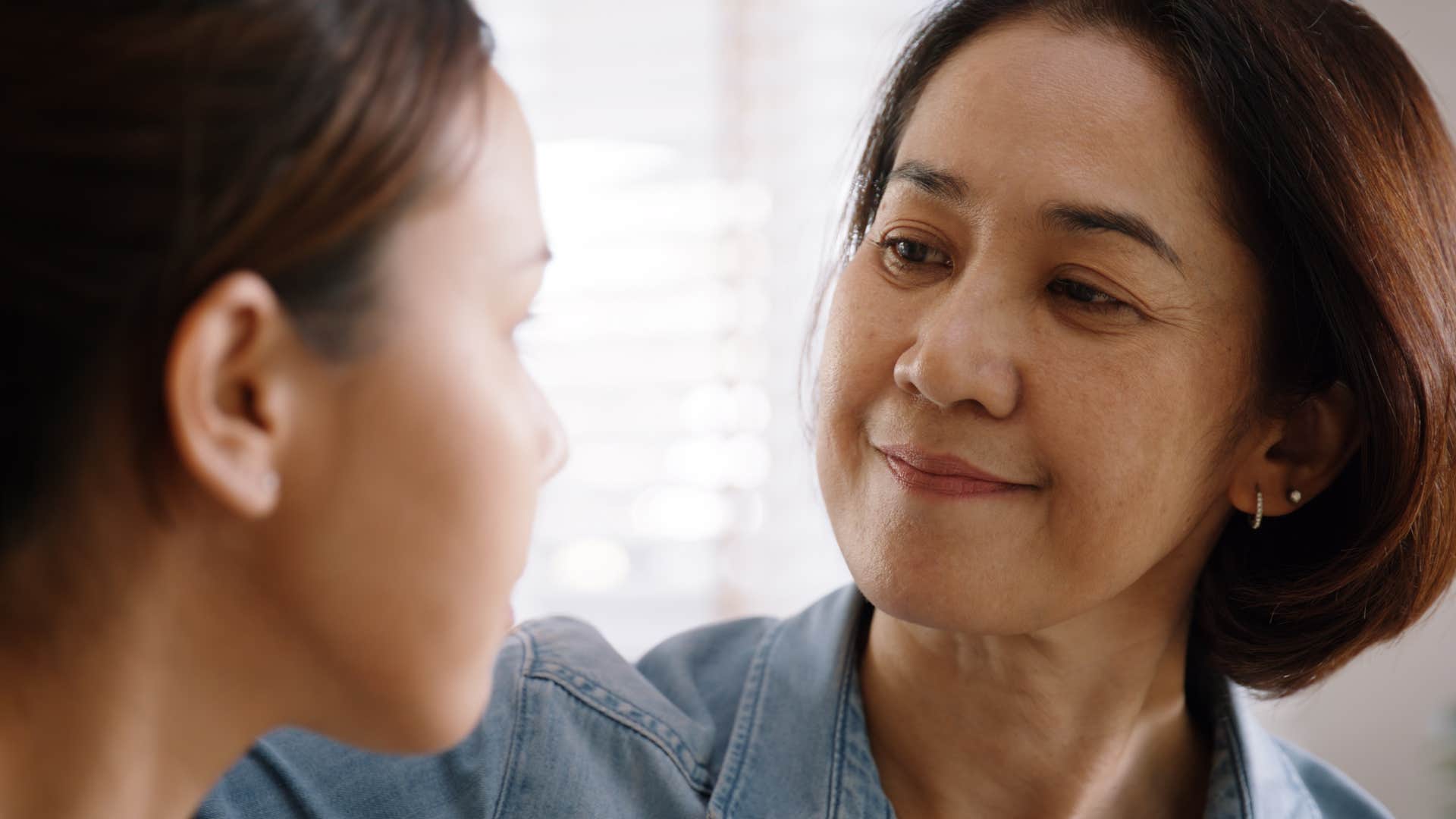
Considering people who are very unstable emotionally are stuck in fight-or-flight, adopting subtle hypervigilant behaviors in social interactions and conversations isn’t uncommon. They’re always scanning and looking for potential threats, even if their mind is telling them the scariest thing to watch out for is the vulnerability they need to thrive.
They struggle to manage and reflect on their own feelings, but they’re always reading others well and picking up on small cues. It’s a defense mechanism for facing their true feelings, but it often serves their social awareness in ways that distract the average person from noticing their inner hurt.
7. They’re controlling
 fizkes | Shutterstock
Many people who feel a deep sense of insecurity or a lack of control over their internal emotional state cling to small powers and controlling behaviors in other aspects of their lives. From subtle things like clinging to power at work to larger, influential decisions like relying on manipulative behaviors in relationships, they need to feel superior, secure, and safe, often in misguided ways.
However, letting go is almost always more powerful than clinging to control. The more you avoid vulnerability and facing the emotions you’re running from or compensating for, the more tumultuous your emotional state becomes.
8. They rarely relax on their own
 Gorodenkoff | Shutterstock
Many people who suppress their feelings and run from feeling discomfort use avoidance and distractions as a way to avoid quietness. When they’re alone with their own thoughts and forced to reflect, they feel entirely out of control. So, while they might seem completely fine to co-workers and friends on the surface, they’re stuck in fight-or-flight.
They’re afraid of being alone because they can’t stand to address the spiral of thoughts and feelings inside, so they make do with exhausting routines and distraction. They rely on being productive, overachieving, and staying busy to avoid the symptoms of their chronic stress or emotional turmoil, but it only leads to a cycle of emotional exhaustion, fatigue, and guilt around resting that sabotages their entire well-being.
9. They dismiss their own needs and wants
 MAYA LAB | Shutterstock
Many people who look stable on the outside, but are dealing with tons of complex emotions, stress, and overwhelm on the inside, often deflect efforts to help and be vulnerable with phrases like “it’s fine.” They’d prefer to avoid these kinds of conversations because they’re so used to suppressing discomfort and complex emotions to figure out how to do it.
It’s a self-induced coping mechanism, to self-isolate and hide from vulnerability, that helps these people to manage worry and their self-image, no matter how misguided it really is. They may seem okay when they show their face, but it’s a curated and direct contrast to how they feel on their own time.
10. They struggle to verbalize how they’re feeling
 BongkarnGraphic | Shutterstock
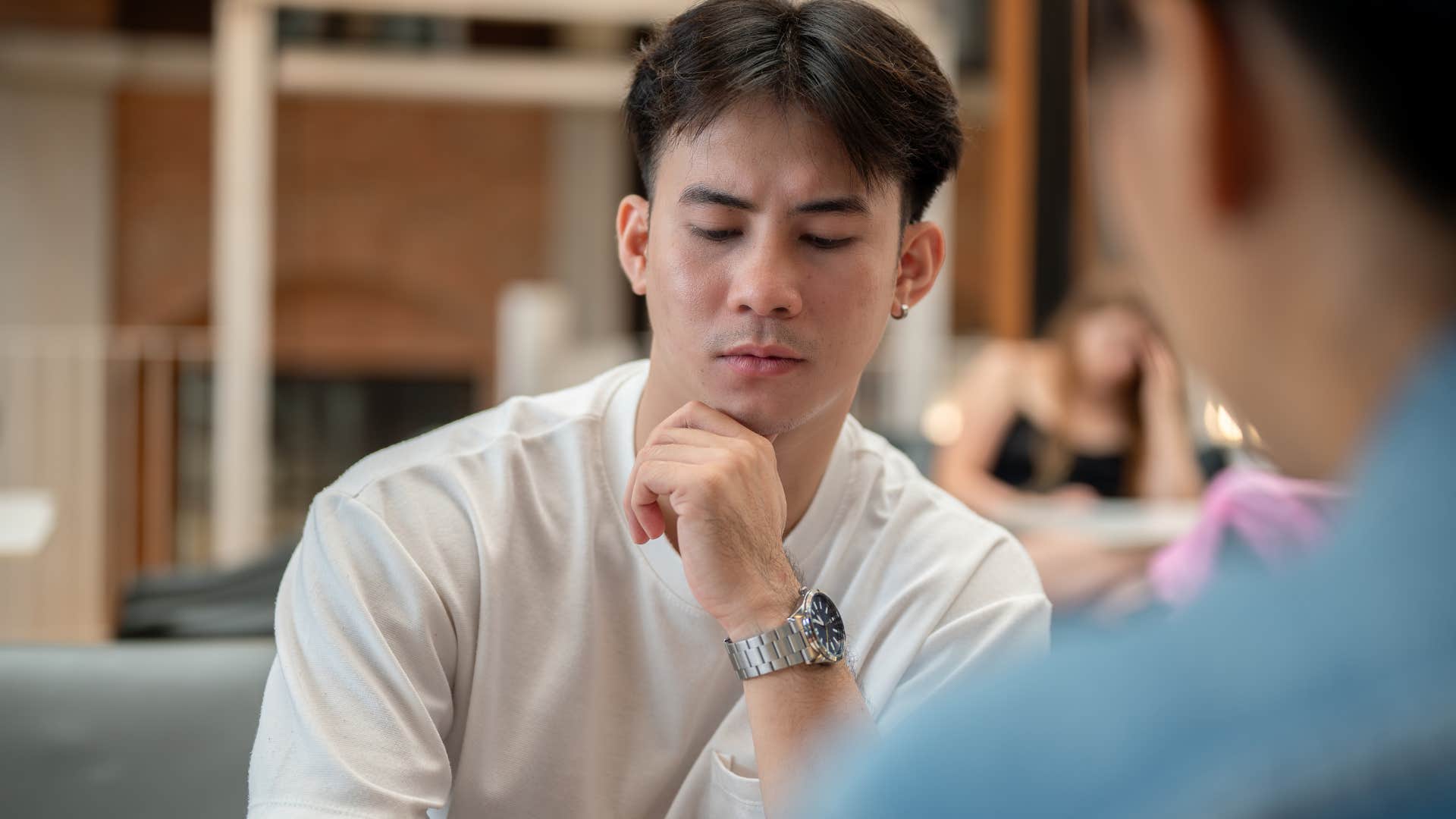
Emotional regulation and communication around feelings are so incredibly important, not only for the health of relationships but also for personal well-being. When we put words to how we’re feeling inside, it can have truly therapeutic effects.
That’s why vulnerability and openness with trusted loved ones will always be more grounding and healing than trying to run from complex feelings and avoid discomfort entirely. Of course, it’s easier said than done, especially for people struggling with past trauma and mental health disorders, but it’s powerful to lean into the difficult discomfort in the moment, even if it means slipping away from social performance and a fake sense of “being okay.”
11. They’re hyper-independent
 PeopleImages | Shutterstock
If someone’s incredibly independent and commanding in their life, they might give off a confident energy, but it’s often a sign of self-preservation. Their hyper-independence is a sign of unresolved trauma and a defense mechanism for feeling out of control.
They miss out on vulnerability, chances to open up, and great relationships because they worry about seeming “weak” by letting others in. They seem great on the surface and incredibly “in control,” but in reality, they’re suffering in silence.
Zayda Slabbekoorn is a senior editorial strategist with a bachelor’s degree in social relations & policy and gender studies who focuses on psychology, relationships, self-help, and human interest stories.
