
The Specific Position You Sleep In At Night Reveals One Of These 11 Things About You
 Rohappy / Shutterstock
 While our sleeping habits and positions might seem relatively passive, experts like sleep researcher Samuel Dunkell argue that they say more about our personality and internal struggles than we consciously realize. Much like the subconscious influences on our dreams at night are under-researched, so too is the connection between sleep position and personality, but that doesn’t mean there’s nothing to be learned from this discourse.
In fact, the specific position you sleep in at night reveals one of these things about you. From seeking comfort and internal safety to desiring more creative freedom in your life, take note of the position your subconscious mind places your body in at night during your most vulnerable, impressionable hours.
The specific position you sleep in at night reveals one of these 11 things about you
1. You’re incredibly sensitive and emotional
 VPLAB | Shutterstock.com
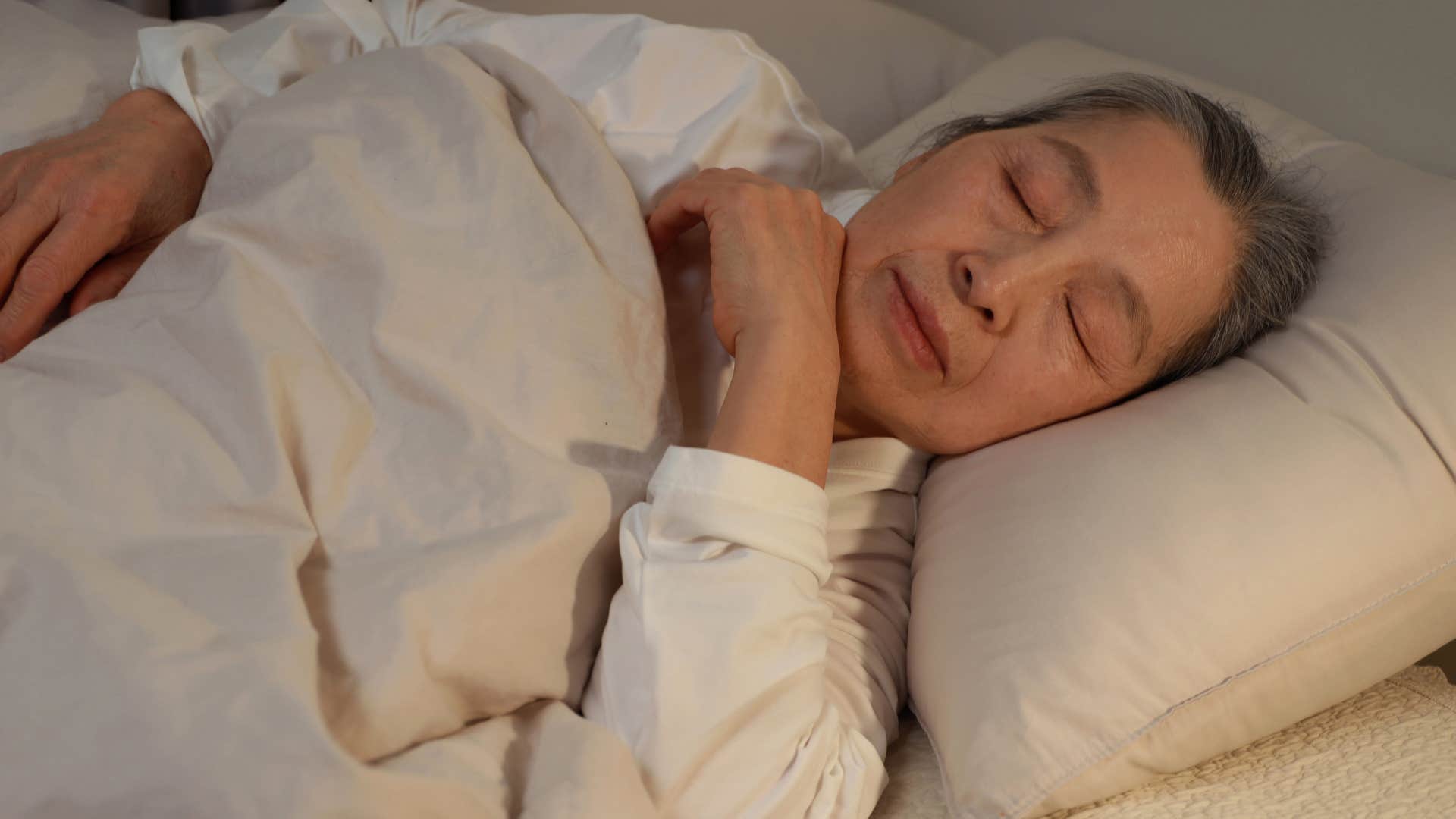
Many people who regularly sleep in the fetal position at night, with their legs curled up into their arms, usually on their side, are more emotional, anxious, and sensitive during waking hours. At night, they’re seeking a sense of comfort and security they don’t always find in in-person interactions and routines.
While sleeping in this position isn’t inherently bad, it could be a reminder that you need more grounded, comforting rituals during the day. Whether it’s more structured alone time, intentional conversations with friends for support, or simply breathing techniques to bring a sense of peace to your day, you could use a foundation of calmness.
2. You’re social and well-connected
 Prostock-studio | Shutterstock.com
According to sleep scientist Chris Idzikowski, people who sleep in the log position, with their arms and legs extended down like a plank, are often more sociable, extroverted, and magnetic in social situations. This openness the body craves is related to the social and emotional openness these people seek during their waking hours.
Luckily, for these people, appreciating and leaning on this kind of openness is actually a strong predictor of success in life, according to a study published in the Personality and Individual Differences journal.
So, don’t hide from your desire to be open-minded and try new things, even if it means leaning into challenges and managing discomfort in certain awkward conversations.
3. You struggle to open up to people
 Pixel-Shot | Shutterstock.com
People who struggle with trust and opening up to people during waking hours may adopt a certain skeptical sleeping position at night. According to Idzikowski, the yearner position, where a person’s arm and leg are outstretched to the side in search of something, is often correlated with personality traits like skepticism and cynicism.
Their body language is clearly yearning for something or someone, but they’re not as open as someone sleeping in the “log” position might be. Of course, many people shift between sleeping positions or alter their sleeping routines to support their body, but if you regularly find yourself coming back to this one, there’s a chance you’re facing an internal struggle with trust, connection, and vulnerability.
4. You’re an overthinker
 amenic181 | Shutterstock.com
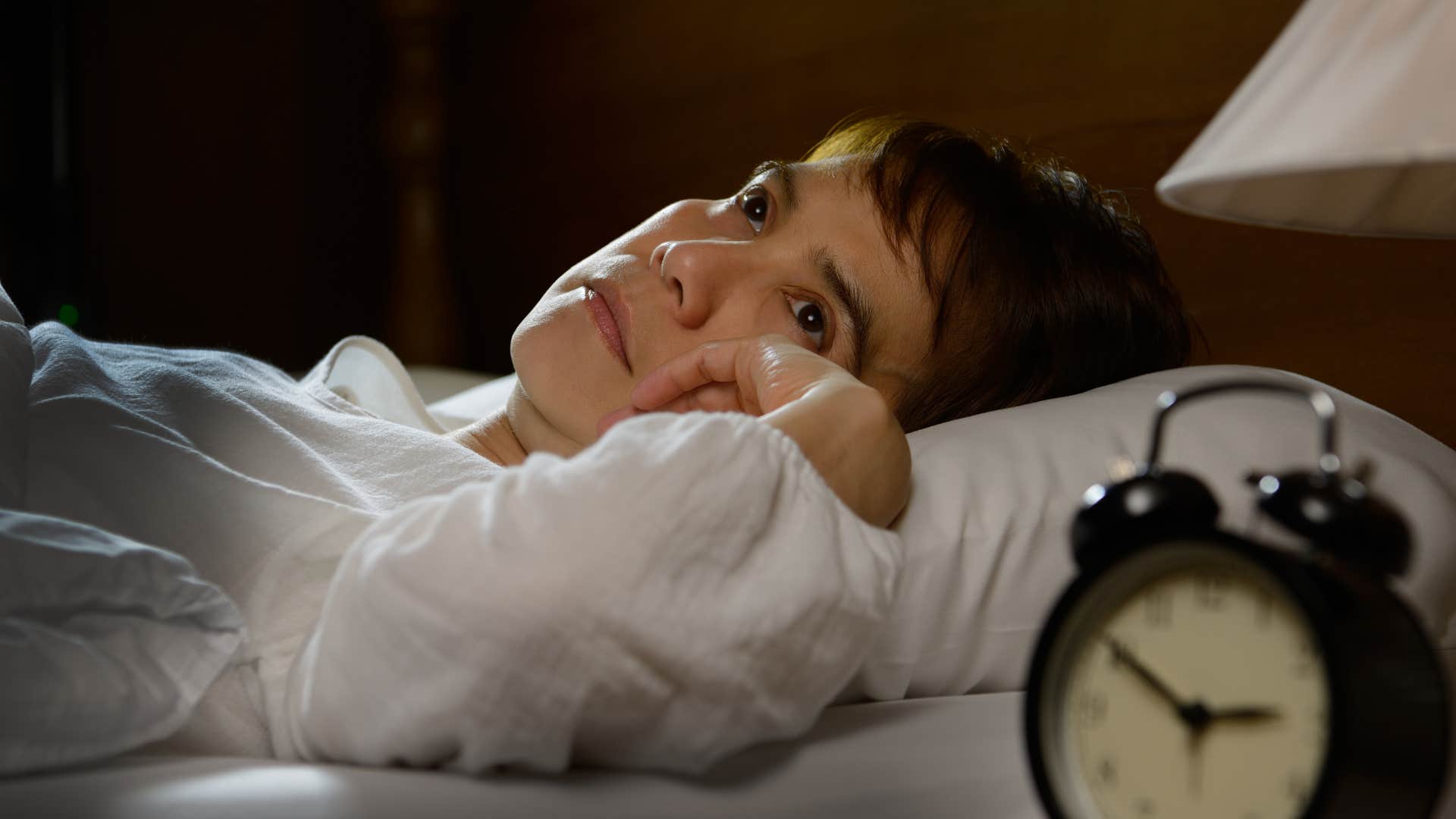
If you’re constantly moving around at night and struggling to get comfortable, it may be a reflection of the movement and chaos in your mind. Whether it’s an internal feeling of anxiety or chronic stress that impacts your ability to fall and stay asleep, as a study published in the Journal of Sleep Research explains, it’s almost always a struggle to relax and rest with too much tension in your mind.
Whether it’s replaying conversations from the day in your mind or holding onto worry about the next day, if your sleeping position is dominated by a sense of restlessness, you might be holding onto too much tension that’s not meant for you.
5. You’re quiet and introverted
 Ground Picture | Shutterstock.com
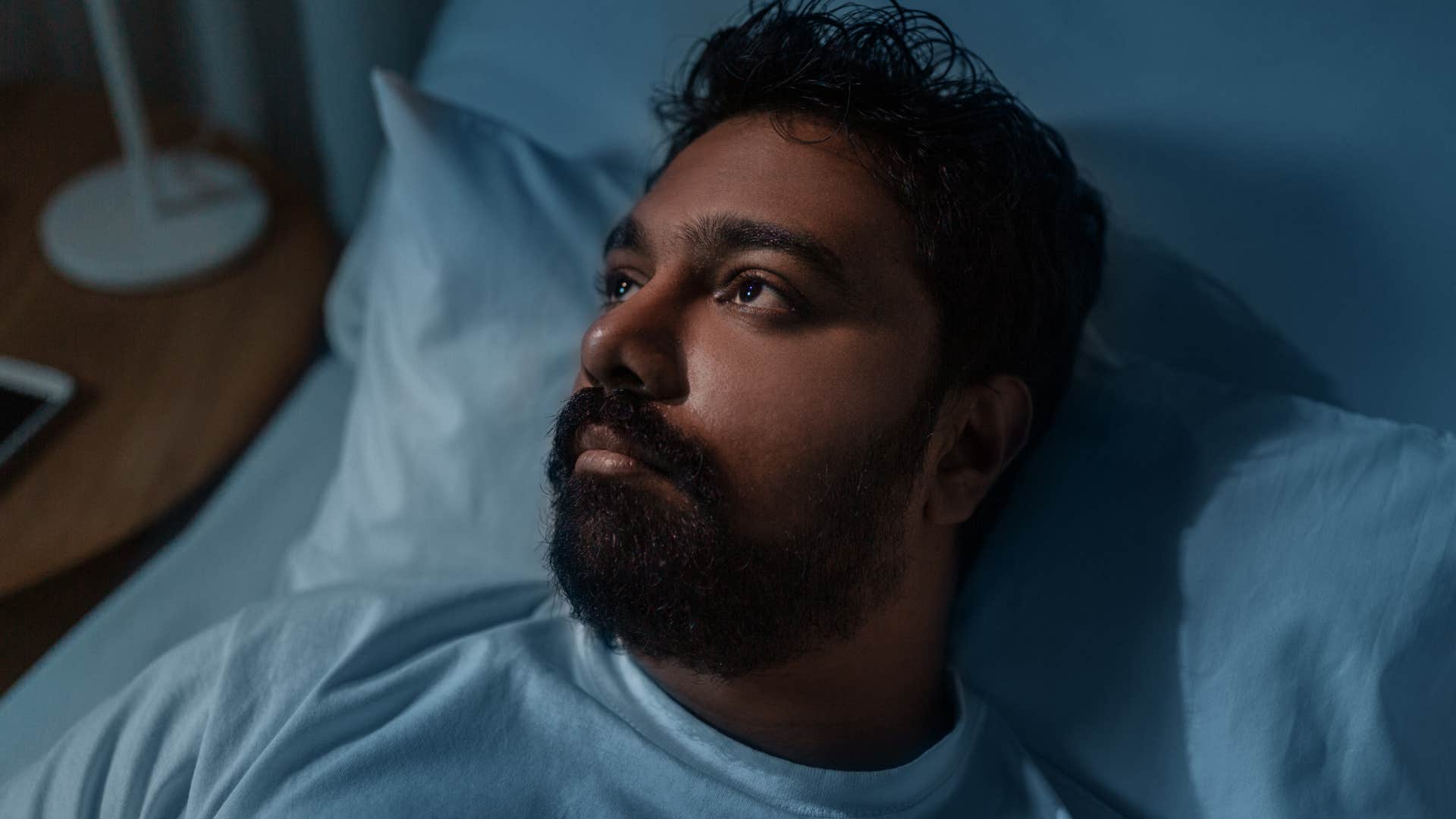
If you sleep in the soldier position on your back, with your hands and legs facing down, close to your body, there’s a chance you’re more introverted, shy, and quiet than the average person. You have a sense of internal stability and security, which is clearly reflected in your sleeping position, but you still appreciate the smallness of this stiff, straight position.
Luckily for you, introverts typically sleep better than their extroverted counterparts. You appreciate the quietness of bedtime and relax when you’re alone, so of course, you’re more secure and rested in your space at home.
6. You’re an empath with a helping heart
 9nong | Shutterstock.com
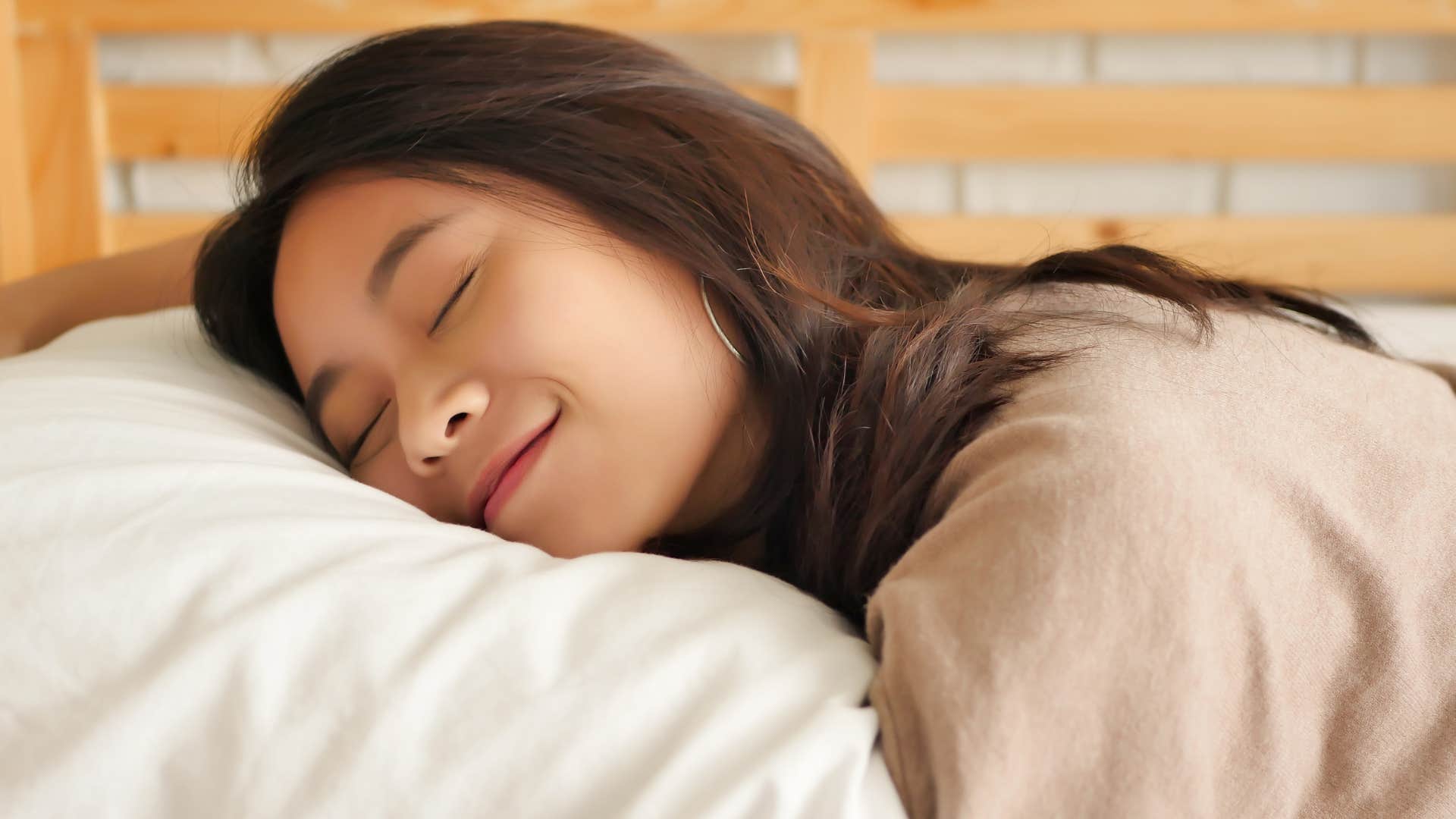
Many people who are well-connected empaths, without needing to be the center of attention, resort to the “starfish” position at night with their limbs extended outward. When they’re alone, they’re not afraid to take up space and fill their own cup, but when they’re around others, they tend to absorb social energy and help people without expecting anything in return.
Considering deep rest and sleep quality are inherently tied to a person’s ability to express and lead with empathy, it’s important to appreciate whatever sleeping position feels right. The more rest you protect for yourself, the more joy and compassion you get to share with others, regardless of the position you fall asleep in.
7. You’re hiding from something
 TSV-art | Shutterstock.com
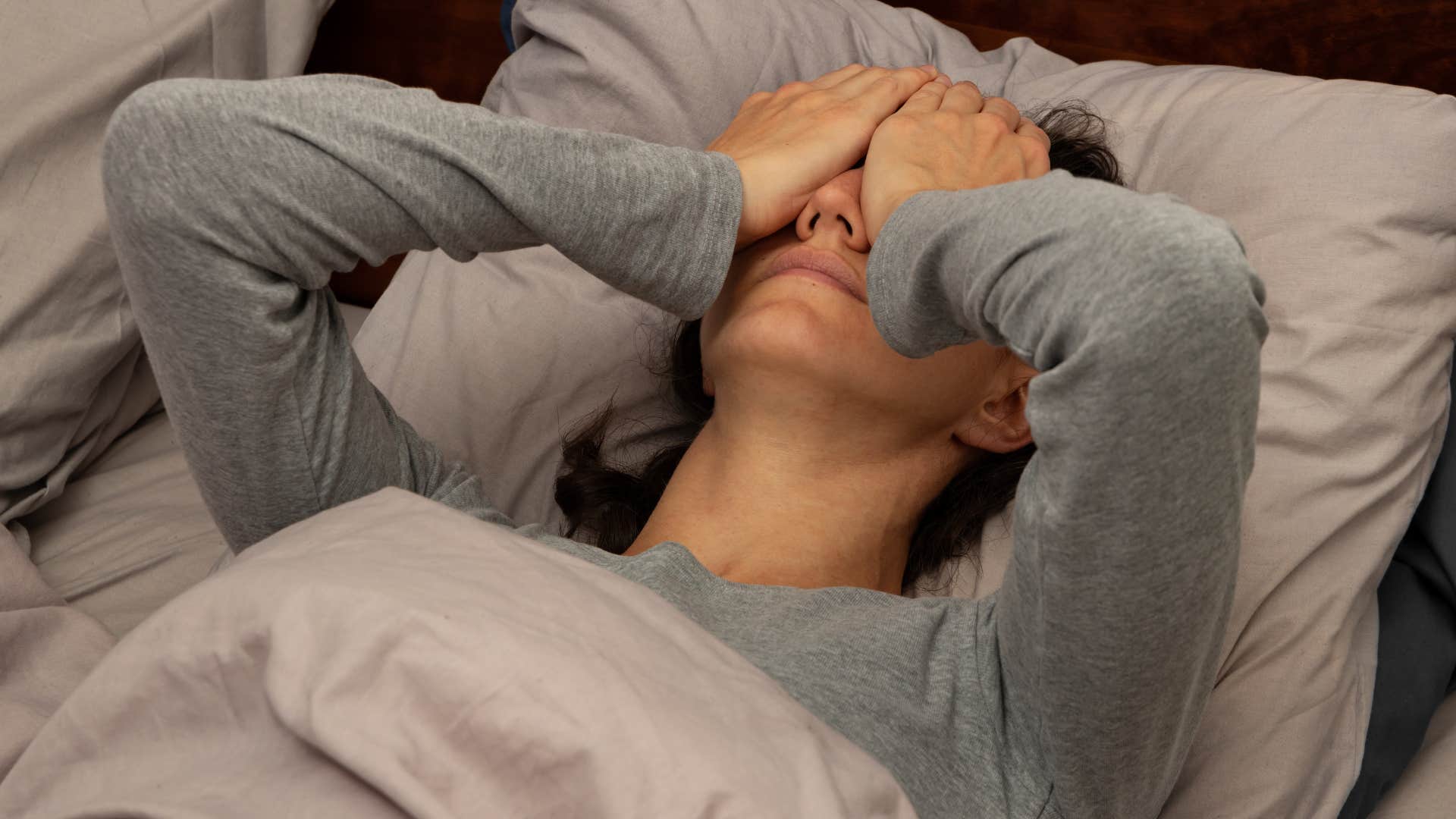
Our subconscious minds often communicate suppressed, pent-up feelings and emotions with us through tension in our bodies. Sometimes, the way our bodies naturally move into positions throughout the night could tell us about how we’re feeling at our core. So, if you sleep with your face pressed against a pillow or with the entire front of your body facing flat on the bed, there’s a chance you’re hiding from something.
Even if you’re sleeping in a different position, but feeling this message resonate, just remember that the more you run from something or avoid facing it head-on, the more stress it brings. As a study published in the Journal of Consulting and Clinical Psychology explains, avoidant people end up feeling more stressed about the things they avoid, more so than facing the discomfort of dealing with them as they arise.
8. You’re guarded with emotional walls
 New Africa | Shutterstock.com
If you sleep in a “guarded” position, like with your hands on your chest or a pillow creating a barrier between you and the door, there’s a chance you’re also experiencing emotional guardedness on a deeper level. Whether it’s a struggle with trust or emotional walls that make vulnerability scary in your relationships, the specific position you sleep in at night might reveal these struggles within you.
While guarding emotions through avoidance and emotional walls might feel comforting and rewarding in the moment, a study published in the Journal of Personality and Social Psychology found that the emotional suppression this causes lowers meaning, well-being, and general connectedness in life.
9. You’re carrying negative energy from others
 New Africa | Shutterstock.com
According to a study published in the Journal of Consumer Research, negative energy from other people is often contagious, creating unnecessary stress and tension in our bodies and minds. If you sleep with your hands under a pillow, grasping and holding something that’s not there, it could be a sign that you’re soaking up a burden of negative energy from others during your waking hours.
Even if it’s natural obligations, like the weight of parenting or struggles with time management around the house, if you’re constantly holding tension in your body or adopting this sleeping position, there’s a chance they’re becoming burdens.
10. You’re too stressed
 Lysenko Andrii | Shutterstock.com
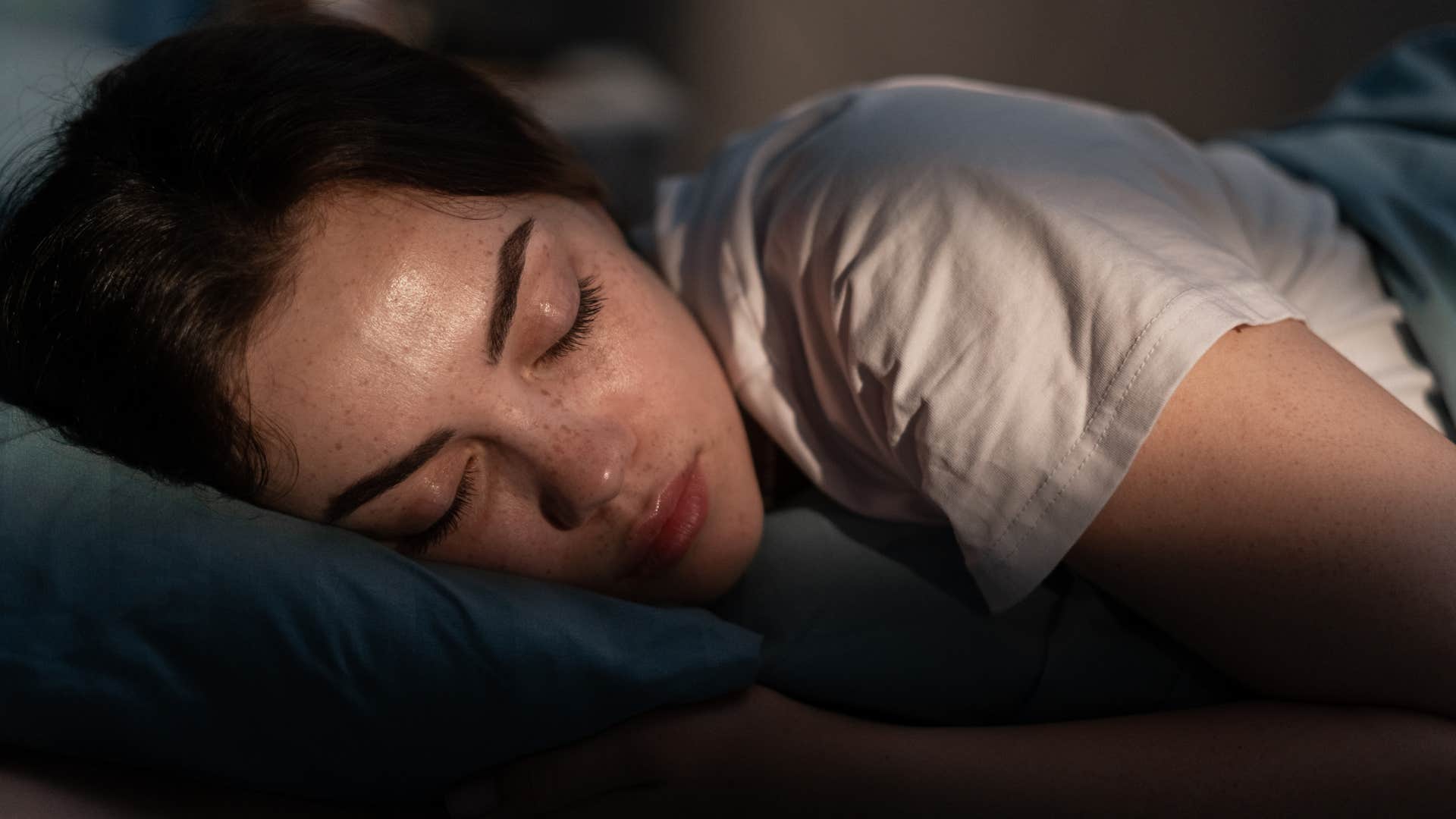
Our minds and bodies often send us reminders when we’re too stressed out for our own good, but amid the hustle and bustle of daily life, it can feel impossible to notice these warning signs. One of the most common symptoms of chronic stress, a sign that often becomes impossible to ignore, is poor sleep quality and duration.
So, if you find yourself tossing and turning constantly throughout the night and waking up in the early morning hours, there’s a chance you’re too stressed, and it’s time to start making a change.
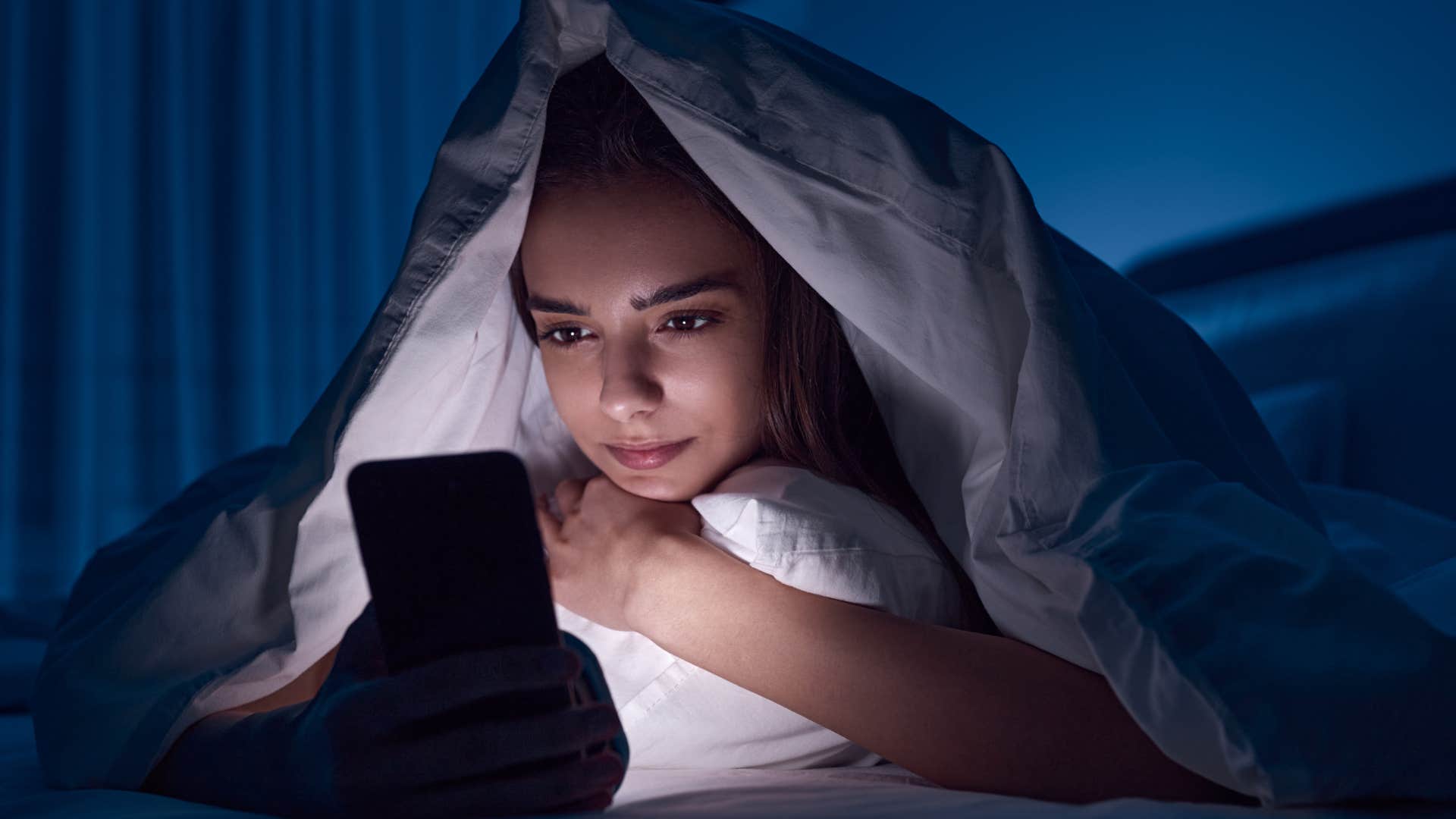
11. You crave comfort and escape
 Max Kegfire | Shutterstock.com
If you’re dealing with someone or something in your life right now that makes you want to flee, hide, or avoid, there’s a chance you seek comfort in similar ways while you sleep. From sleeping with your head under the covers to covering your body with a pillow to avoid being, it’s clear that your body and subconscious mind are craving some kind of escape.
This is another form of the body’s fight or flight response in the face of stress. If you’re noticing this desire to run and hide in the face of all challenges and moments of discomfort, chances are you’re in need of a break and some nervous system regulation.
Zayda Slabbekoorn is a senior editorial strategist with a bachelor’s degree in social relations & policy and gender studies who focuses on psychology, relationships, self-help, and human interest stories.
