
People Who Have To Sleep In Completely Dark Rooms Almost Always Have These 11 Specific Personality Traits
 New Africa / Shutterstock
 While we’re often passive about sleep and sacrificing rest in our modern “hustle culture,” the truth is that it’s the foundation of everything we do during waking hours. It’s ingrained in our lives, just as it is in our personalities and characters. For example, people who have to sleep in completely dark rooms almost always have certain specific personality traits.
A study published in the American Journal of Epidemiology even reveals that people who have their sleep interrupted with even a little bit of light at night are at a higher risk for depression and depressive symptoms. So, even if it seems like a harmless part of daily life, sleep, sleeping habits, and even sleep positions are all inherently tied to lifestyle, habits, and even personality traits.
People who have to sleep in completely dark rooms almost always have these 11 specific personality traits
1. They’re sensitive
 New Africa | Shutterstock.com
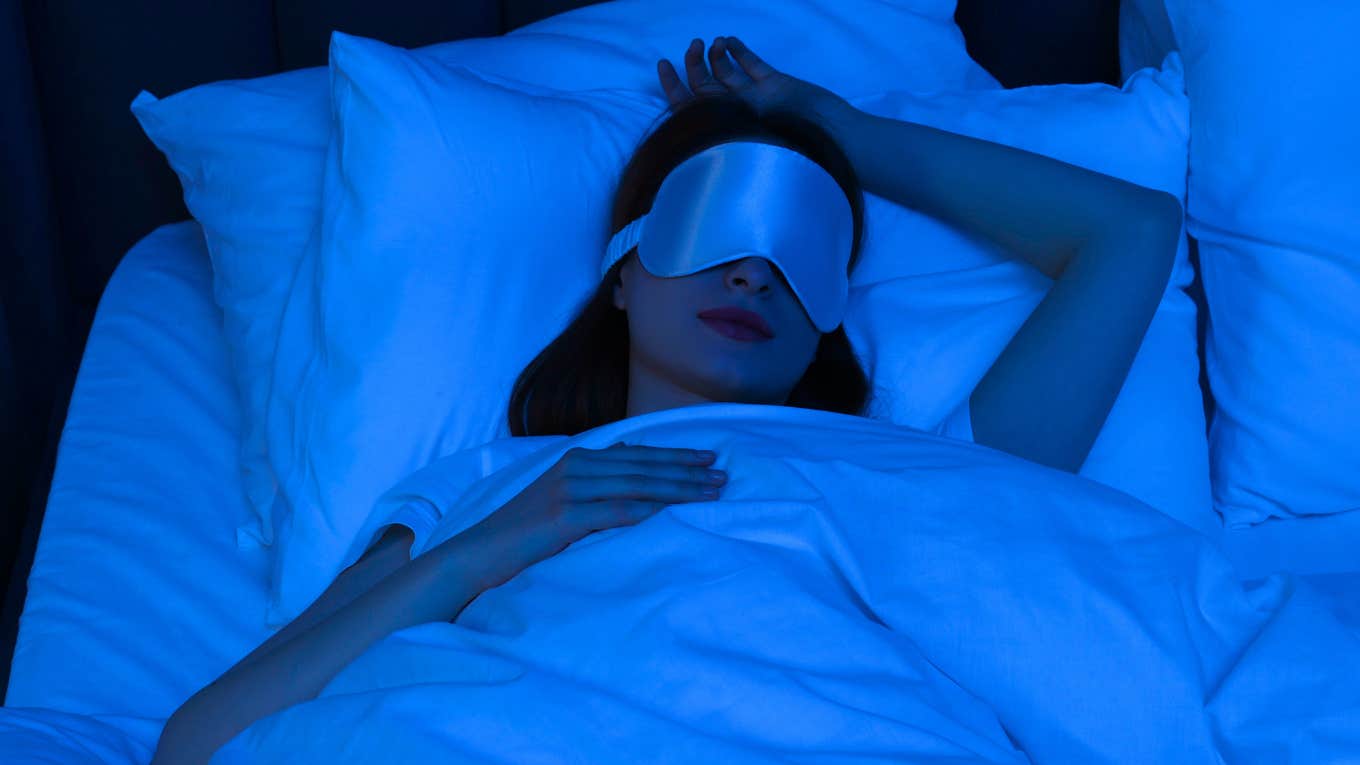
While sensitive people often have trouble sleeping compared to the average person, largely because of overthinking tendencies and a hyper-sensitivity to stimulation and distractions, they have certain traits and habits that allow them to protect their rest. For example, a sensitive person who chooses to sleep in a very dark room may have mastered the art of avoiding light and noises that disturb their sleep patterns.
Whether it’s noise machines, special alarm clocks, the right comforter, or blackout curtains, sensitive people have the tools to protect their rest, even if it means putting in a little extra effort and time.
2. They know what they need
 New Africa | Shutterstock.com
People who are self-reliant and self-assured know what they need. They take time to reflect, consider their values, and truly shape routines that are influenced by their own desires and needs, rather than pressures from the outside world and trends.
Whether it’s choosing to sleep with blackout curtains to keep their room completely dark or saying “no” to plans an extrovert would never turn down, these people are serious about protecting their space to rest, recharge, and unwind.
3. They’re incredibly protective of their rest
 Hananeko_Studio | Shutterstock.com
Self-assured people often prioritize their needs above all else, setting boundaries and turning down plans that don’t allow them to protect their peace. Especially when it comes to rest, a basic human need and an essential part of well-being in daily life, they’re incredibly intentional and protective of their routine.
Their bedtime routine is serious. Whether it’s setting their phone in a different room, carving out hours of relaxing time, or investing in blackout curtains and noise machines to avoid any distractions while they’re sleeping, these people aren’t messing around with their rest.
4. They dislike unpredictability
 Prostock-studio | Shutterstock.com
People who dislike unpredictability and like to be prepared for uncertainties often have to sleep in completely dark rooms. Not only is their sleep fundamental to their general well-being, as it is for everyone, regardless of their personality, but it’s one more thing they can craft and control to be the best it can be.
From integrating certain rituals, like warm showers and no-screen time, into their nighttime routine, to tweaking their bedroom lighting and decor to maximize their sleep quality, they prefer to feel “in control” of the parts of life that matter most in their routines.
5. They’re minimalists
 Lysenko Andrii | Shutterstock.com
For minimalistic, simplistic people, it’s often the small comforts and joys of life that make their routines worth investing in. From sleeping in a dark room after an overstimulating day to making their bed before heading to work, they appreciate the small moments of rest, accomplishment, and joy that come from their routines.
Sometimes, as a study from the University of Otago explains, the simple things in life, like coming home to a made bed or sleeping in a calm, safe room, are what make life happier and worth living amid constant pressure to do more and overconsume.
6. They feel things deeply
 PeopleImages | Shutterstock.com
People with deeply feeling minds are often intuitive and sensitive. They are naturally self-aware, can read the energy of a room, and notice small feelings of exhaustion or fatigue before the average person does in their own bodies and minds. Considering these sensitive people are also easily overstimulated, it’s not a surprise that their bedrooms and nighttime routines reflect that need for intention and true rest.
After a day of a million social interactions, stress, and overstimulation, they need the isolation and quietness of their bedroom to rest and recharge their battery.
7. They have incredibly strong personal boundaries
 New Africa | Shutterstock.com
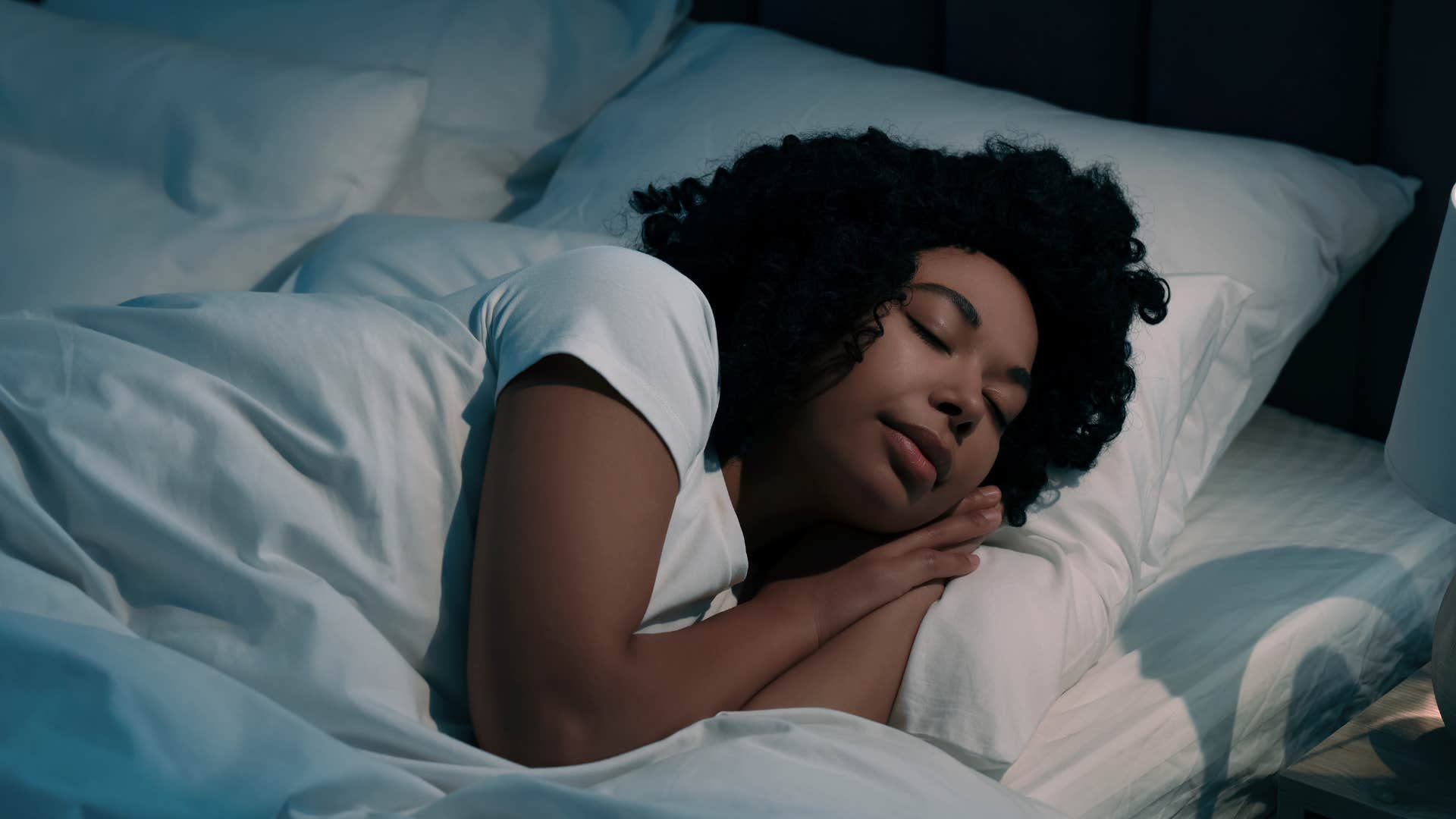
People who are naturally disciplined, self-assured, and motivated also tend to be internally gratified. They don’t need another person around or someone else’s conformity to make them feel comfortable in their own routine. They only need their personal space, values, and boundaries.
From saying “no” to social plans that encourage them to sacrifice their sleep to crafting their own bedroom in the realm of comfort and rest, rather than trendiness, they always opt for choices that add value directly to their lives and well-being.
8. They’re introverted
 New Africa | Shutterstock.com
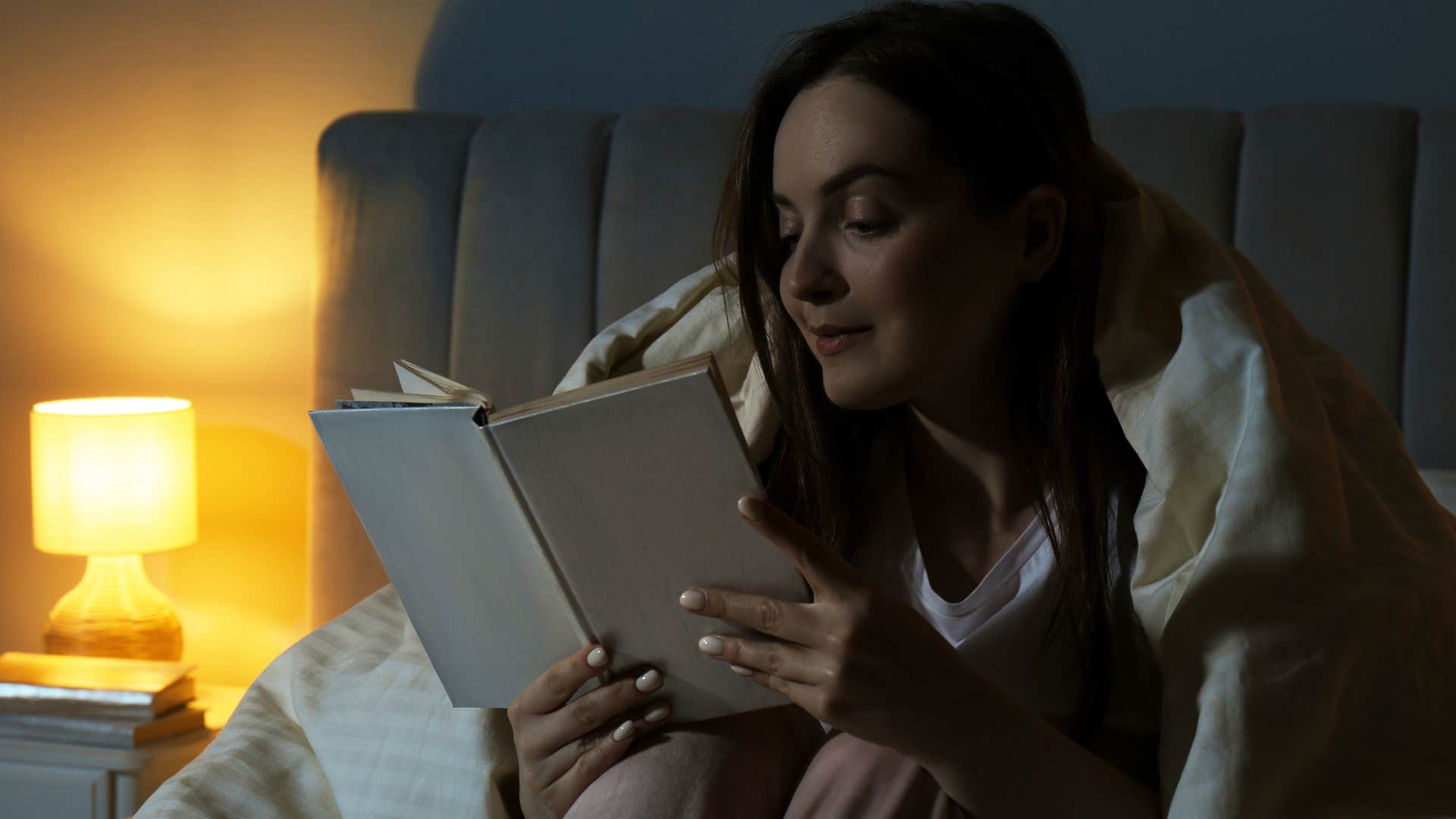
Introverted people often note better sleep quality and duration than their extroverted counterparts, as research from the Clayton Sleep Institute explains. Not only are they less distracted by pressure to be with other people or by sleeping in bed with another person, but they also appreciate the quiet and rest that come from a peaceful home environment, while others may struggle to accept being alone with their thoughts.
They’re comfortable with solitude and are often easily overstimulated, which makes a dark room, blackout curtains, and a deafening kind of silence right up their alley.
9. They’re committed
 VPLAB | Shutterstock.com
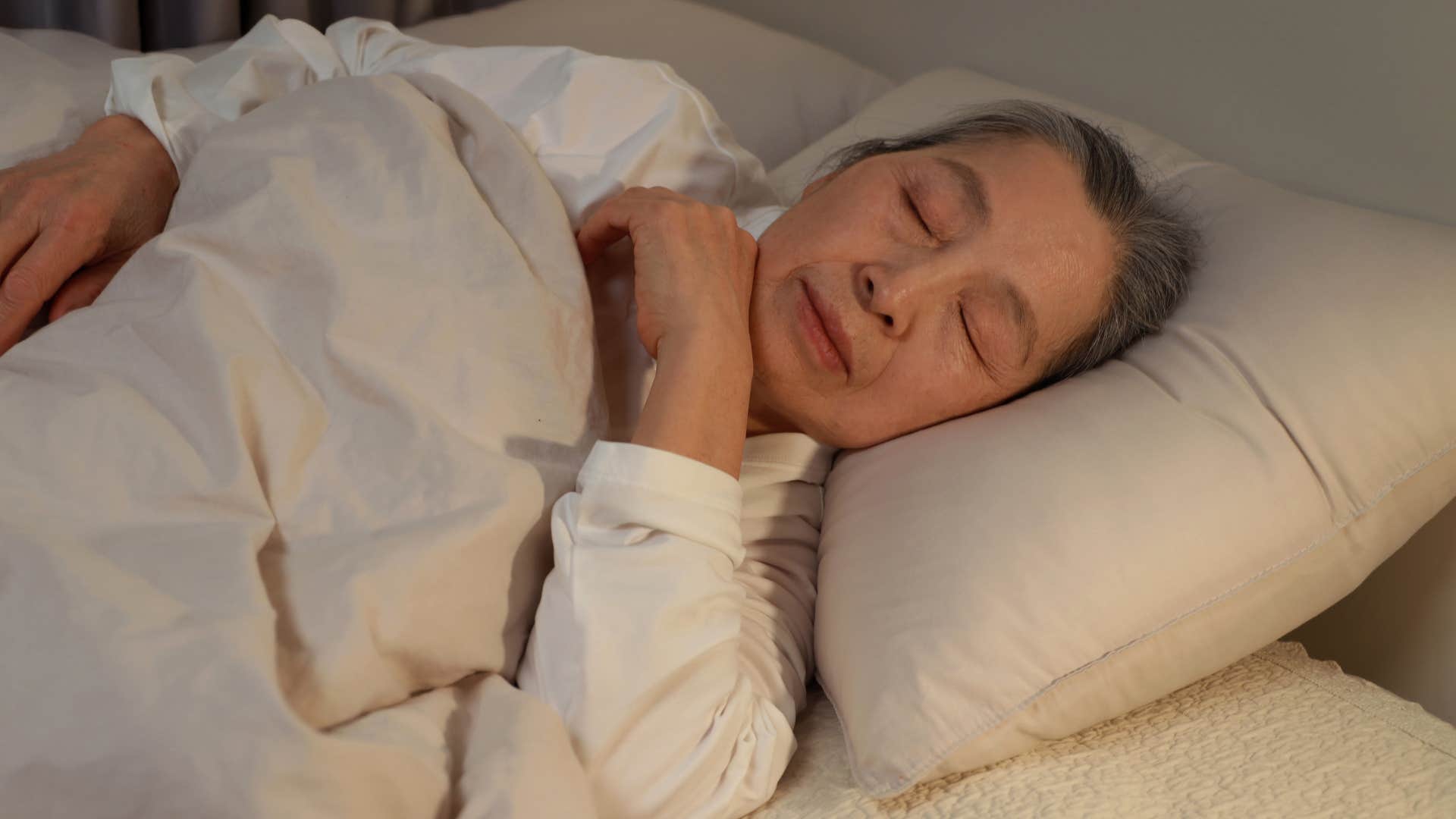
People who are committed and internally driven don’t lean into anything halfway. Whether it’s a project for their career or their bedtime routine, they’re committed to doing things that add value to their lives and making the most of their effort.
People who sleep in completely dark rooms are similarly committed to making their sleep routine as good as it can be. Considering small amounts of light can often lead to nighttime wake-ups and poor sleep quality, according to a study published in Scientific Reports, they’re careful about how they get ready for bed, shift their sleeping habits, and cultivate restful space in their bedrooms.
10. They’re disciplined
 Ground Picture | Shutterstock.com
People who are disciplined don’t have trouble sticking to routines, making changes, and handling discomfort. It’s part of the reason why people sleep in completely dark rooms to protect themselves from distractions and disruptions. They value their sleep and make changes to protect it.
According to a study published in Frontiers in Psychology, self-control is directly related to general well-being, helping people to boost their own motivation, craft internally gratifying identities, and form routines that actually work in their favor. Whether that’s making their bed in the morning or being disciplined about a sleep routine and environment, their personality is intrinsically tied to their rest.
11. They need alone time to recharge
 Pixel-Shot | Shutterstock.com
Whether they’re introverted, seeking depth and belonging, or struggling with an overbearing job every day, some people who have to sleep in a completely dark room to fall asleep simply need alone time to recharge. They crave the slowness, simplicity, and low stimulation of a dark room at the end of an overstimulating day, even if the average person runs from solitude.
Considering fatigue is one of the most common symptoms that impairs a person’s daily life, often due to lack of rest, these people’s rare prioritization of their alone time is a superpower.
Zayda Slabbekoorn is a senior editorial strategist with a bachelor’s degree in social relations & policy and gender studies who focuses on psychology, relationships, self-help, and human interest stories.
