
People Who Pretend They're Not Home When Someone Knocks On The Door Almost Always Have These 11 Distinct Traits
 Krakenimages.com | Shutterstock
 Our homes are often our safe spaces, serving as a place of respite and calm from the chaos of the world. Especially for introverted people and private individuals, they’re protective of this space because it’s the buffer between the social interactions or stressors that drain them and their personal, restful space.
People who pretend they’re not home when someone knocks on the door almost always have certain distinct traits, like introversion, that motivate them to hide. Of course, sometimes it’s simply a safety precaution or symptom of hypervigilance, but other times, it’s a quiet boundary. If they’re using their alone time to recharge their social batteries or finally carve out space for rest, they’re not giving it up to strangers or unannounced visitors.
People who pretend they’re not home when someone knocks on the door almost always have these 11 distinct traits
1. They’re extremely private
 Mahir KART | Shutterstock
People who protect their privacy and live relatively secluded lives in their personal time are more likely to pretend they’re not home when someone knocks on the door. They’re private people and don’t open the door to their literal safe space or their metaphorical emotional space to strangers and unannounced visitors.
Even if that means pretending they’re not home when someone knocks on their door, they’re willing to protect their privacy, alone time, and rest at all costs.
2. They’re anxious around new people
 PeopleImages | Shutterstock
While we often think of social anxiety as a symptom of larger mental health problems or isolation in a person’s routine, new research suggests that it actually has biological roots.
Of course, there are ways to address this anxiety and overcome it, but in the safety of their own home, some people prefer to ignore unannounced guests to avoid uncomfortable and anxiety-inducing interactions simply. They prefer to speak and interact with people they’re comfortable and familiar with, especially in their safe space at home.
3. They’re overthinkers
 PeopleImages | Shutterstock
While we often think of overthinking as a negative trait that sparks cycles of anxiety, according to psychology researcher Alice Boyes, overthinkers also have a number of strengths the average person lacks. From self-awareness that allows people to reflect on past experiences to an unwillingness to sacrifice the closure they need, some people with overthinking tendencies actually have a level of depth others miss out on.
Even if it’s to protect their safety and avoid interactions that might be replayed later on, people who pretend they’re not home when someone knocks on the door almost always have these distinct traits.
4. They’re incredibly protective of their solitude
 Migma__Agency | Shutterstock
Introverted people need their solitude to recharge their social battery, and if they already have busy lives and overly social careers, chances are the free time they get is incredibly sacred. They protect it, because if they don’t have it, they’re constantly operating from a baseline level of exhaustion and social fatigue.
Even for people with more extroverted personalities, a study from Heliyon found that social interactions are still associated with some level of fatigue a few hours later. So, it’s important to find time for solitude amid the chaos of daily life, and if someone’s knocking at the door during those sacred moments when you’re finally alone, of course you’re going to ignore it.
5. They struggle to say ‘no’
 GaudiLab | Shutterstock
According to Harvard professor Holly Parker, many people who struggle to set their boundaries and say “no” overestimate the negative reactions that will come from standing up for what they need. They operate from a place of anxiety or struggle with unresolved trauma that encourages them to believe they’re not worthy of respect.
Of course, some people who struggle to say “no” are simply people-pleasers who want other people to feel comfortable before themselves. People who pretend they’re not home when someone knocks on the door almost always have these distinct traits.
6. They’re planners at heart
 Lordn | Shutterstock
While some people are naturally spontaneous and love unannounced guests and last-minute plans, people who pretend they’re not home when someone knocks on the door almost always have distinct traits as planners. They prefer to have understanding and control over their routines, even if it’s carving out time to do nothing alone at home.
Of course, a study from the American Journal of Lifestyle Medicine argues that having a plan for daily habits and forming a secure routine is important for general well-being and health. So, even if it feels like the world around you is celebrating spontaneous people and impulsive decision-makers, your routine and the protectiveness you have around alone time is a superpower.
7. They’re easily overstimulated
 PeopleImages | Shutterstock
According to a Scientific Reports study, people with sensitive personalities often get overstimulated more easily than the average person. Whether it’s a literal low threshold for sensory arousal or a tendency to take on the emotional and social energy of the people around them, they’re easily overwhelmed by interactions and spaces that the average person might overlook.
People who pretend they’re not home when someone knocks on the door almost always have these distinct traits. Especially if they’re spending time alone to recharge their social battery and remove themselves from life stressors, the last thing they want to do is interrupt that space with more social stimulation.
While there are certainly times when avoiding this inevitable interaction is harmful, most of the time, these people are setting silent boundaries and protecting themselves by literally safeguarding this time and space.
8. They’re easily drained by small talk
 yourphotopie | Shutterstock
People who prefer meaningful interactions with other people are often easily drained by superficial conversations and small talk. While this tendency is sometimes rooted in social anxiety, experts from Cottonwood Psychology also argue that some individuals are naturally wired toward deeper interactions and experience social fatigue when they’re forced to interact in superficial ways.
They crave depth, meaning, and connection in their lives, but when they’re socially fatigued, they’re often forced to seek out alone time to recharge. People who pretend they’re not home when someone knocks on the door almost always have these distinct traits.
9. They’re incredibly independent
 PeopleImages | Shutterstock
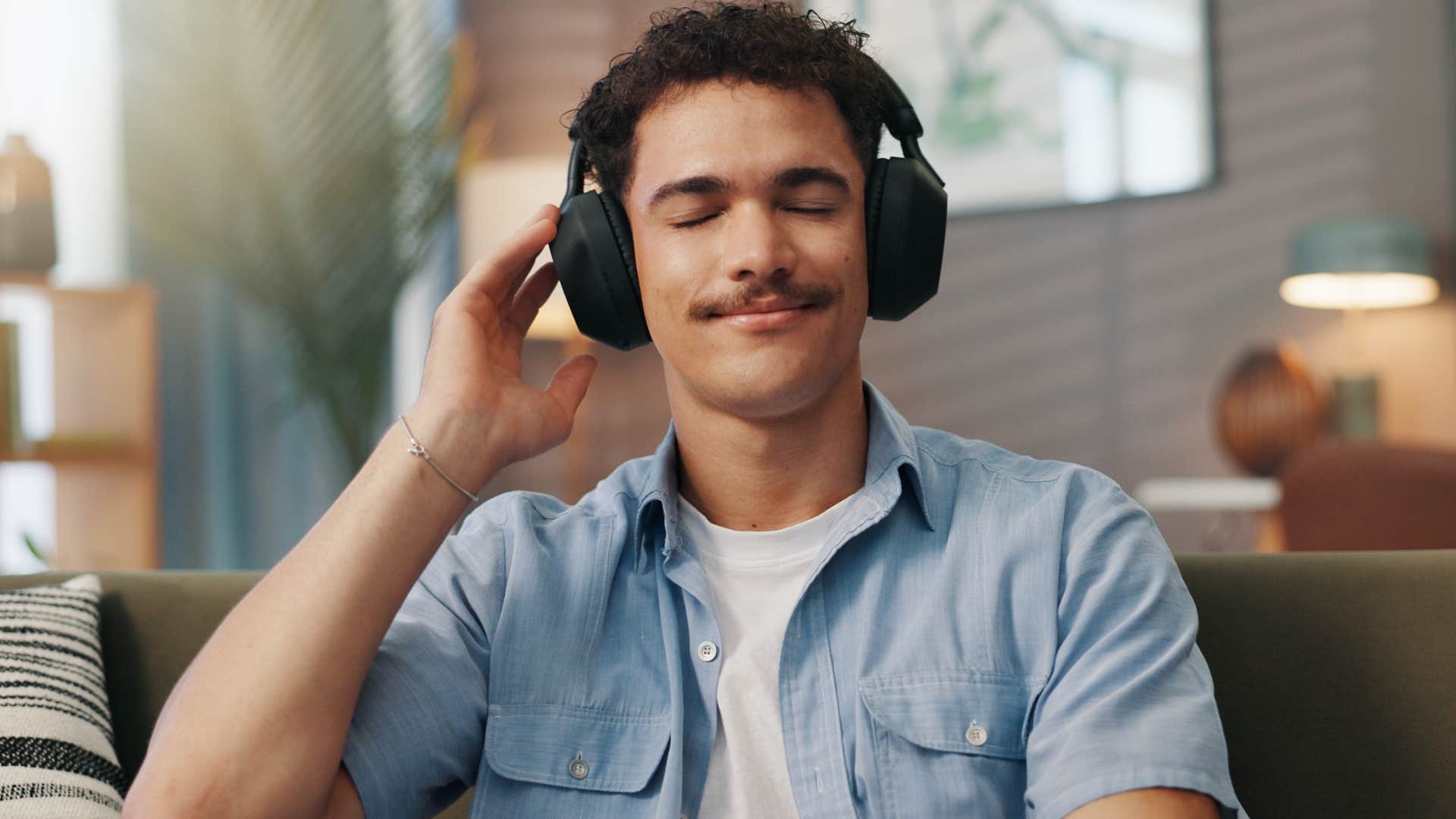
While too much alone time and hyper-independence in daily routines can often harm well-being and spark feelings of loneliness and social isolation, the right balance is actually incredibly beneficial. While alone time and solitude amid the chaos of the world are often controversial in the perspective of “hustle culture,” it’s necessary, especially for people to guard and protect their personal spaces, social batteries, and energy.
People who are incredibly independent may be less likely to answer the door when someone knocks, especially if they’re not interested in interaction. Their needs and well-being come first, even if it means making life a little bit more inconvenient for others.
10. They craft their homes as a safe space
 DimaBerlin | Shutterstock
Whether it’s compensating for unresolved trauma from a tumultuous childhood or simply appreciating and crafting a safe space in their home to serve as a place of respite from the uncertainties of the world, people who pretend they’re not home when someone knocks on their door often have these traits. They care about keeping their safe spaces calm and fulfilling, even if that means avoiding visitors and ignoring what’s going on outside their doors.
From space for calming alone time to an environment serving as a pillar of self-expression that helps them feel seen, these people’s living spaces are incredibly important for their alone time and rest.
11. They need time to prepare themselves for social interactions
 PeopleImages | Shutterstock
Many introverted people regularly carve out space to recharge their social batteries, not just to boost energy levels, but also to prepare themselves for future social interactions. That’s why they’re also often planners. They need space to prepare for their commitments and boost their energy to show up for their friends and loved ones as their best selves.
So, if someone shows up at their door unannounced or knocks when they’re indulging in this solitude, chances are they’re more likely to pretend like they’re not home. Especially if it’s a delivery person or someone they don’t know, they’re not sabotaging their social time coming up with loved ones in favor of small talk and superficial interactions.
Zayda Slabbekoorn is a senior editorial strategist with a bachelor’s degree in social relations & policy and gender studies who focuses on psychology, relationships, self-help, and human interest stories.
