
10 Old-Fashioned Hobbies From The 1990s That Genuinely Protected People's Mental Health
 Alena Lom / Shutterstock
 Long before smartphones kept us focused on endless notifications and algorithm-driven entertainment competed for every spare minute, people found ways to fill their free time that naturally encouraged creativity and real-world connections. Many of the hobbies that were popular throughout the 1990s were simply seen as enjoyable ways to spend an afternoon.
Looking back, it's easy to see that those pastimes also supported habits psychologists now recognize as beneficial for mental well-being. While no hobby is a substitute for professional mental health care when it's needed, many of these old-fashioned activities provided a healthy break from everyday stress in ways that feel especially relevant in today's always-connected world.
These old-fashioned hobbies from the 1990s genuinely protected people's mental health back in the day
1. Collecting and trading Beanie Babies
 The Image Party | Shutterstock
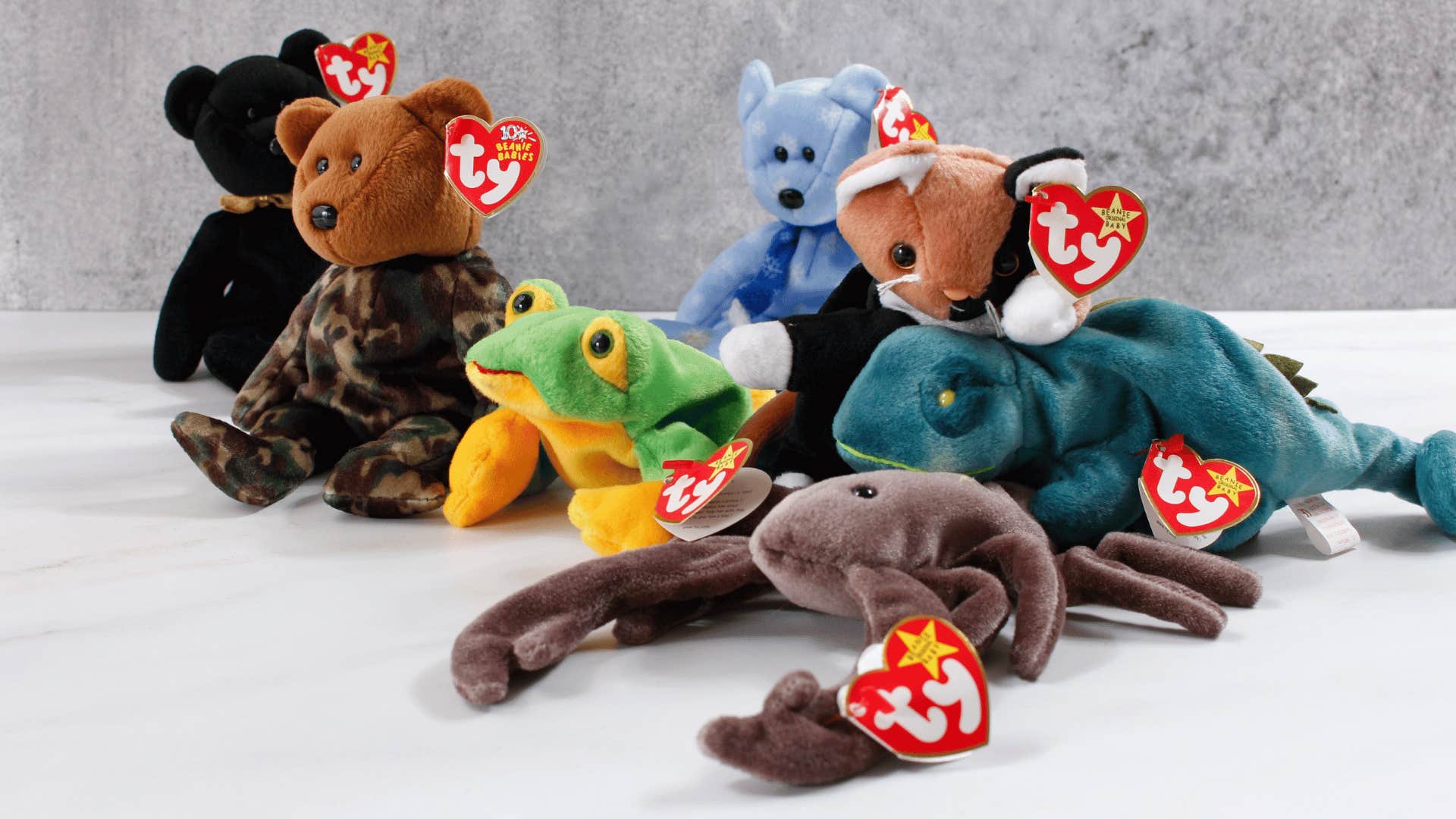
Few hobbies capture the spirit of the 1990s quite like collecting Beanie Babies. At the height of the craze, people eagerly searched stores for rare releases and proudly displayed their growing collections. According to CNN, a USA Weekend poll conducted in 1998 found that 64% of Americans owned at least one Beanie Baby, illustrating just how widespread the phenomenon became.
While the collectible itself may have gone out of fashion, the hobby behind it has lasting psychological benefits. Building a collection encourages focus, patience, goal-setting, and a sense of accomplishment as people gradually work toward completing a set or finding a long-sought item. Trading also creates opportunities for social interaction and shared enthusiasm with others who have similar interests.
Those benefits aren't just nostalgic observations. Board-certified neurologist and psychiatrist Shirley M. Mueller, M.D., has noted that collecting engages cognitive and social processes that can support mental well-being. Whether it's books, vinyl records, vintage toys, sports memorabilia, or even modern collectibles, having a hobby that sparks curiosity and provides a sense of purpose can be a healthy way to unwind from the pressures of everyday life.
2. Renting movies from the video stores
 Ian Dewar Photography | Shutterstock
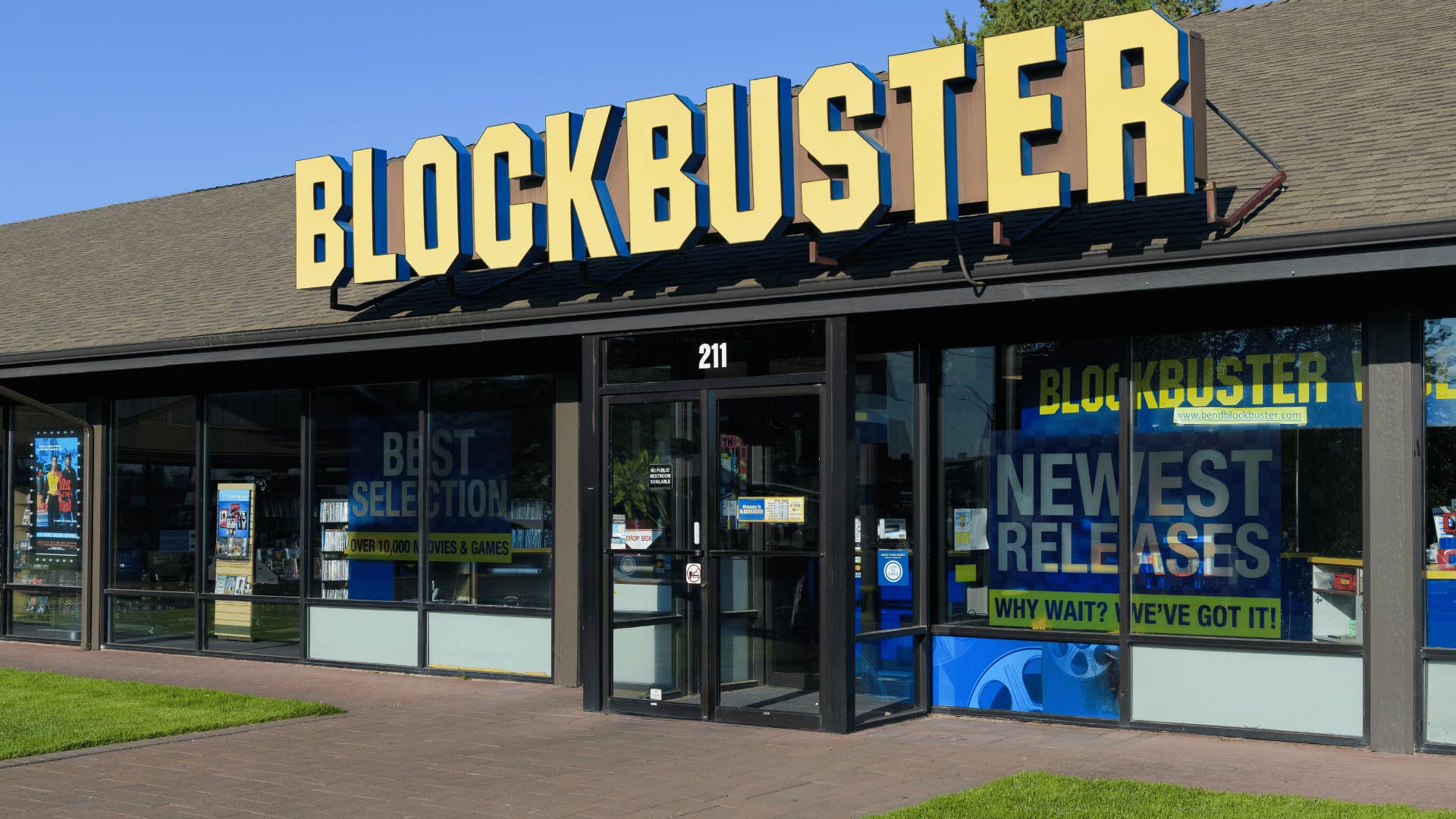
Once upon a time, people couldn't always go online to find movies on websites. For teens and adults, it was normal to grab their car keys or bike and rent movies from video stores like Blockbuster. Sure, it might sound like a pain now, but there's no denying that renting movies was an old-fashioned hobby that was great for both entertainment and relaxation.
Looking back, that ritual offered benefits that went beyond simple entertainment. Instead of endlessly scrolling through hundreds of options at home, people made a decision, committed to it, and shared the experience with others. The trip to the video store also got people out of the house and created opportunities for face-to-face interaction before the movie even started. While streaming is undeniably more convenient, many psychologists note that anticipation and shared experiences contribute to well-being. Both qualities were naturally built into something as simple as a weekly trip to the video store.
3. Babysitting all the kids in the neighborhood
 Nicoleta lonescu | Shutterstock
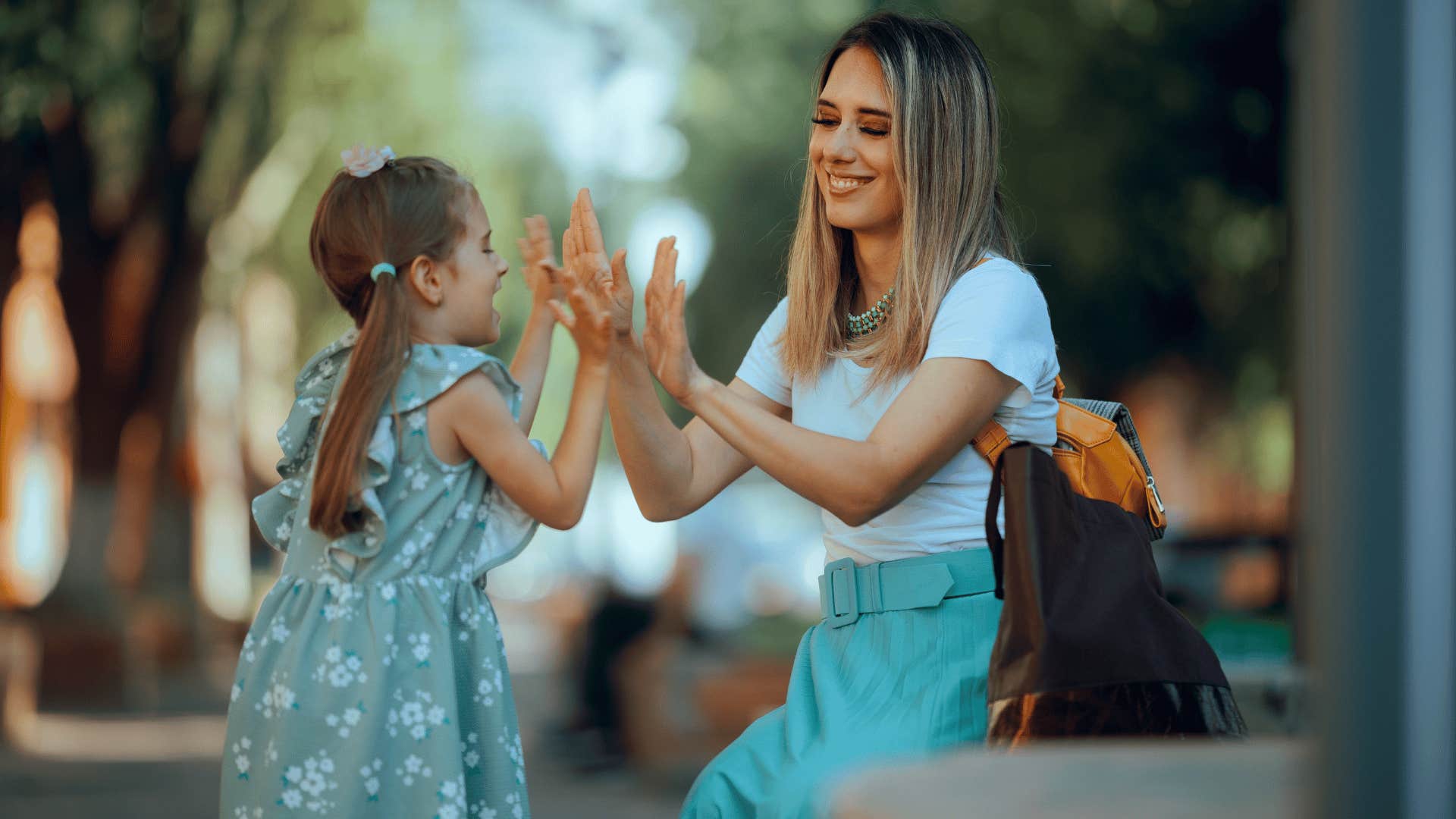
The 90s were a good time to have a side gig. While DoorDash is all the rage nowadays, back then, babysitting the neighborhood kids was both a hobby and a good source of income for teens and young adults. Could they have gone and gotten a regular waiter job? Sure, but babysitting was so much more rewarding.
Not only did they get paid to semi-keep an eye on everyone, but those who did this truly benefited from it themselves. According to UW Health, "Play helps relieve stress, boosts creativity, improves our mood and outlook, and keeps our minds sharp. It also improves our relationships with others." So, while being around kids sounds exhausting, don't underestimate its power. It can truly improve one's mental health.
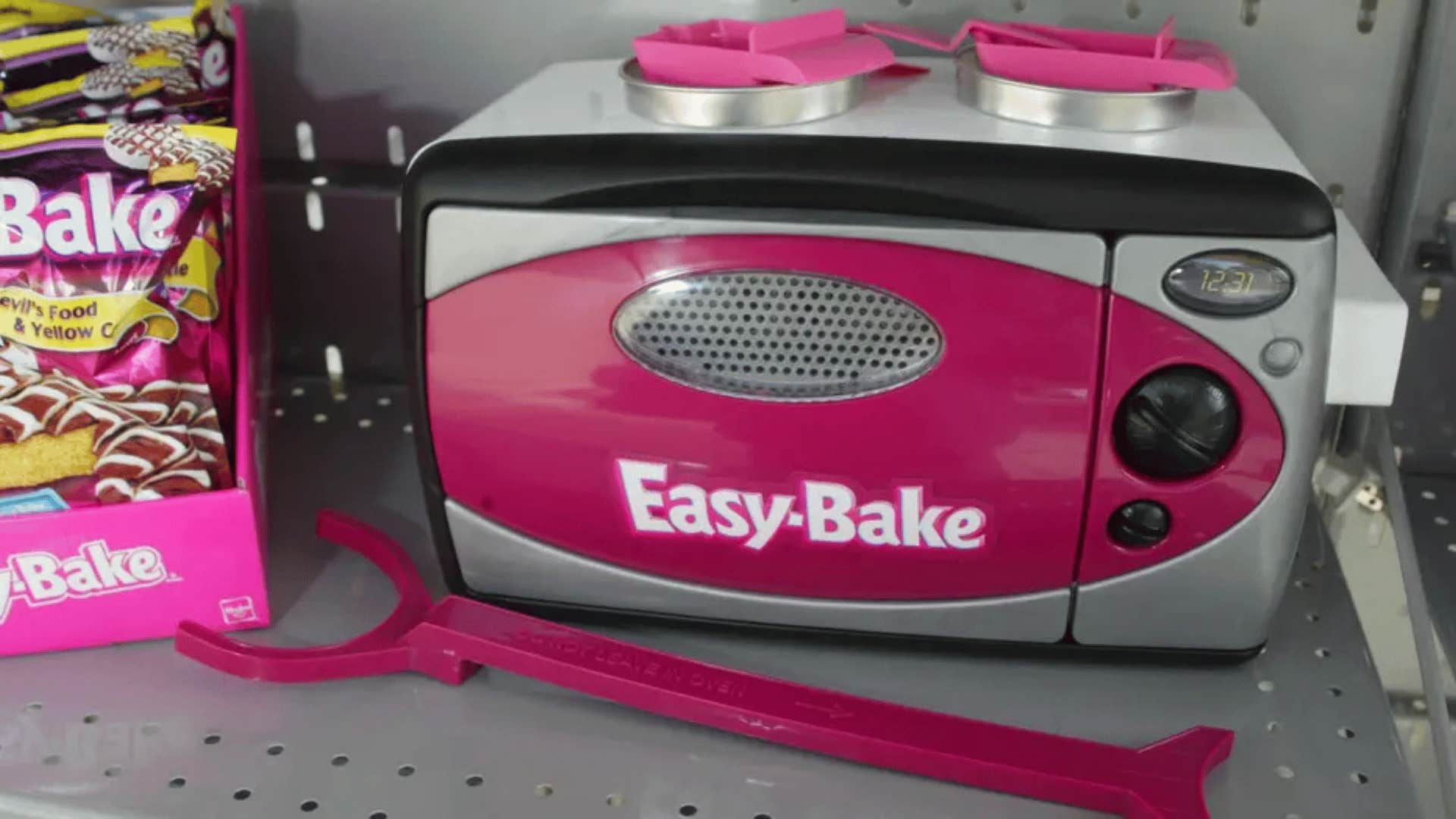
4. Baking in your Easy-Bake oven
 Matthew Simmons\WireImage | Silver Spoon
Is baking low-key exhausting? Absolutely. However, back in the 90s, there were easier ways to bake than using a full-fledged oven. While Easy Bake might've been introduced in the 1960s, baking in your Easy Bake oven was another old-fashioned 90s hobby that protected mental health.
It didn't just make baking easier. According to a 2016 study, engaging in everyday creativity boosts mood, so creative baking can truly protect mental health. This is why we should bring back the Easy Bake ovens and make them more mainstream. Not only was it cool, but it also gave a mental health boost, which is always a plus.
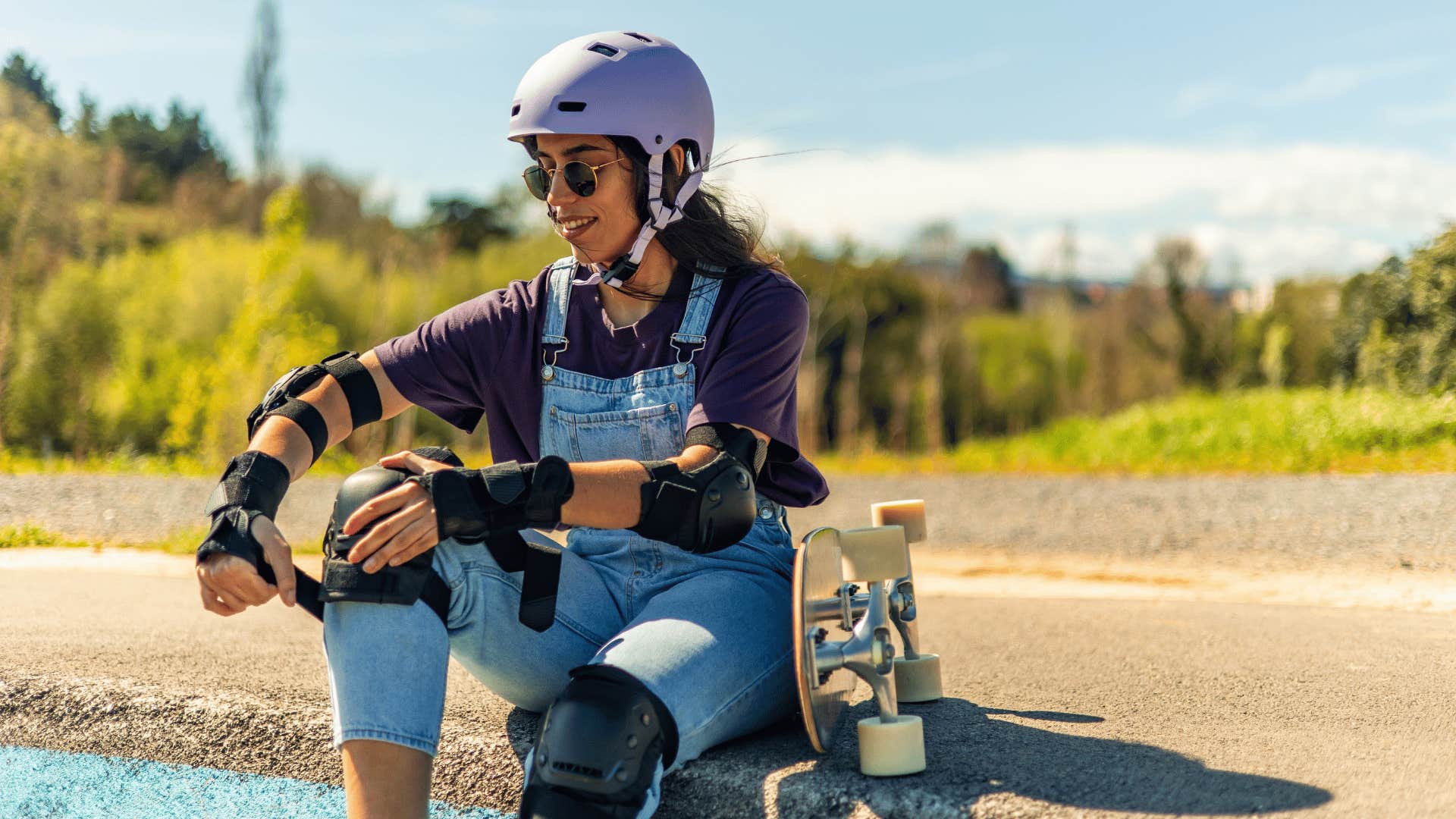
5. Skateboarding
 Eder Paisan | Shutterstock
It's not to say that kids nowadays don't know how to skateboard. Especially in bigger cities, it's not abnormal to see teens causing a ruckus and skating around with their friends. However, while skateboarding is considered more of a niche hobby nowadays, back in the 90s, it was a common pastime that supported mental health.
Skateboarding can help reduce stress, increase confidence, and provide a sense of escapism. So, while family might complain and strangers might roll their eyes, there's no denying it has its fair share of benefits.
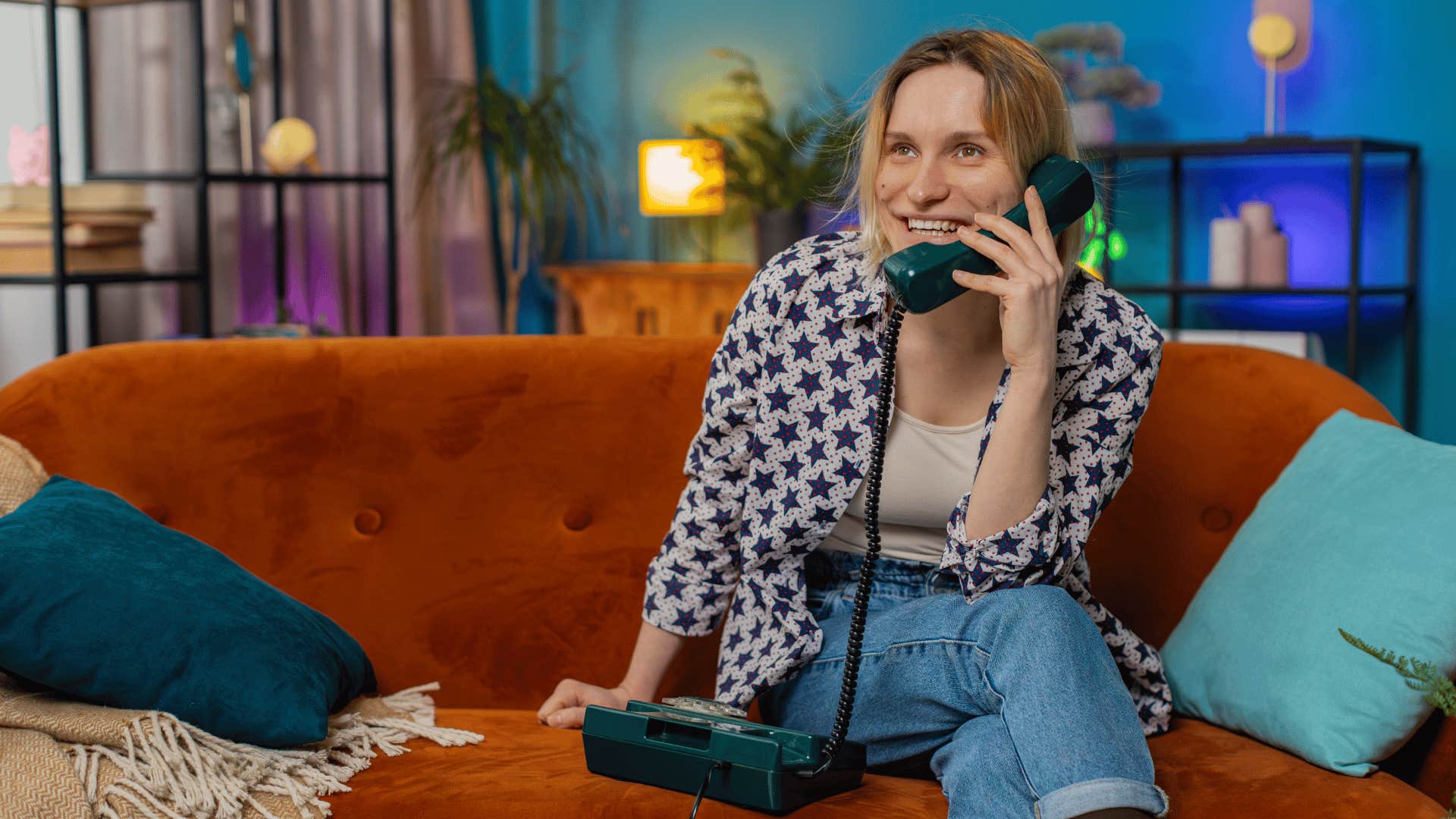
6. Chatting on the phone
 Andrii lemelianenko | Shutterstock
Before everyone carried a smartphone in their pocket, catching up with friends usually meant talking on the family landline. That often required a little patience, since someone else might already be using the phone, and conversations typically took place in a shared part of the house rather than behind a closed bedroom door. It wasn't unusual for parents or siblings to overhear bits of the conversation, wave as they walked by, or even join in for a moment.
While that lack of privacy sometimes felt embarrassing, it also kept people more connected to the rhythms of family life. Kids naturally spent more time in common areas, parents had more opportunities to check in without making it feel like an interrogation, and conversations were less likely to be interrupted by constant notifications or multitasking. Today's smartphones offer undeniable convenience, but the old-fashioned landline encouraged a slower, more intentional style of communication that made talking to friends feel like an event rather than something squeezed in between scrolling through social media.
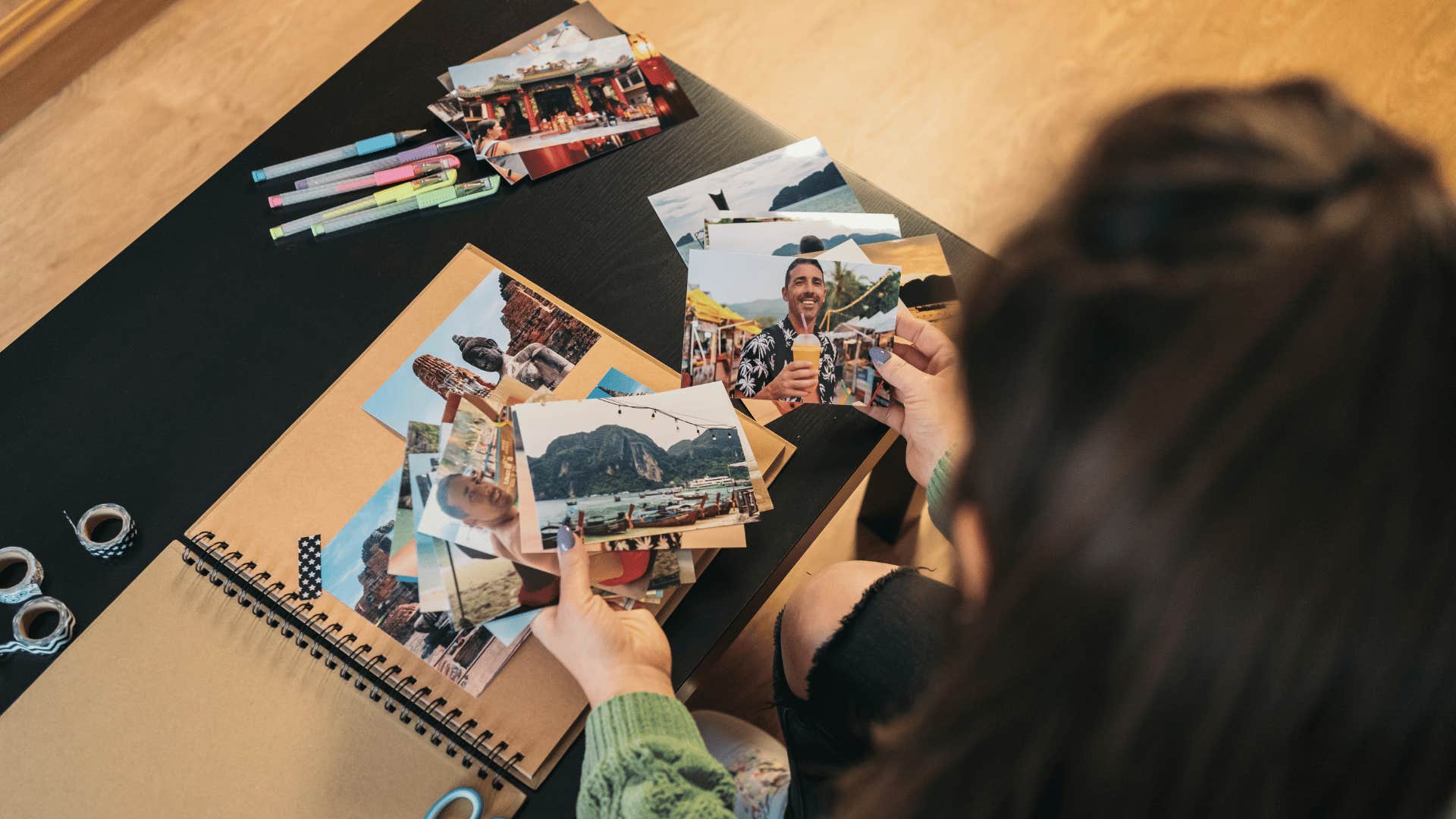
7. Scrapbooking
 Jota Buyinch Photo | Shutterstock
Long before smartphones automatically organized photos into digital albums, many people spent hours creating scrapbooks filled with snapshots, ticket stubs, handwritten notes, postcards, and other keepsakes from important moments in their lives. The hobby combined creativity with storytelling, encouraging people to slow down and thoughtfully preserve memories instead of letting them disappear into a drawer or a camera roll.
Looking back through a scrapbook can also have surprising emotional benefits. Positive memories often help people feel more connected to their loved ones, reinforce a sense of identity, and provide comfort during stressful or lonely periods. The process of creating one also encourages mindfulness, giving people a chance to reflect on experiences they might otherwise rush past. Even in today's digital world, taking time to preserve meaningful moments in a tangible way can foster gratitude and create a lasting record of a life well lived.
8. Playing computer games
 Pressmaster | Shutterstock
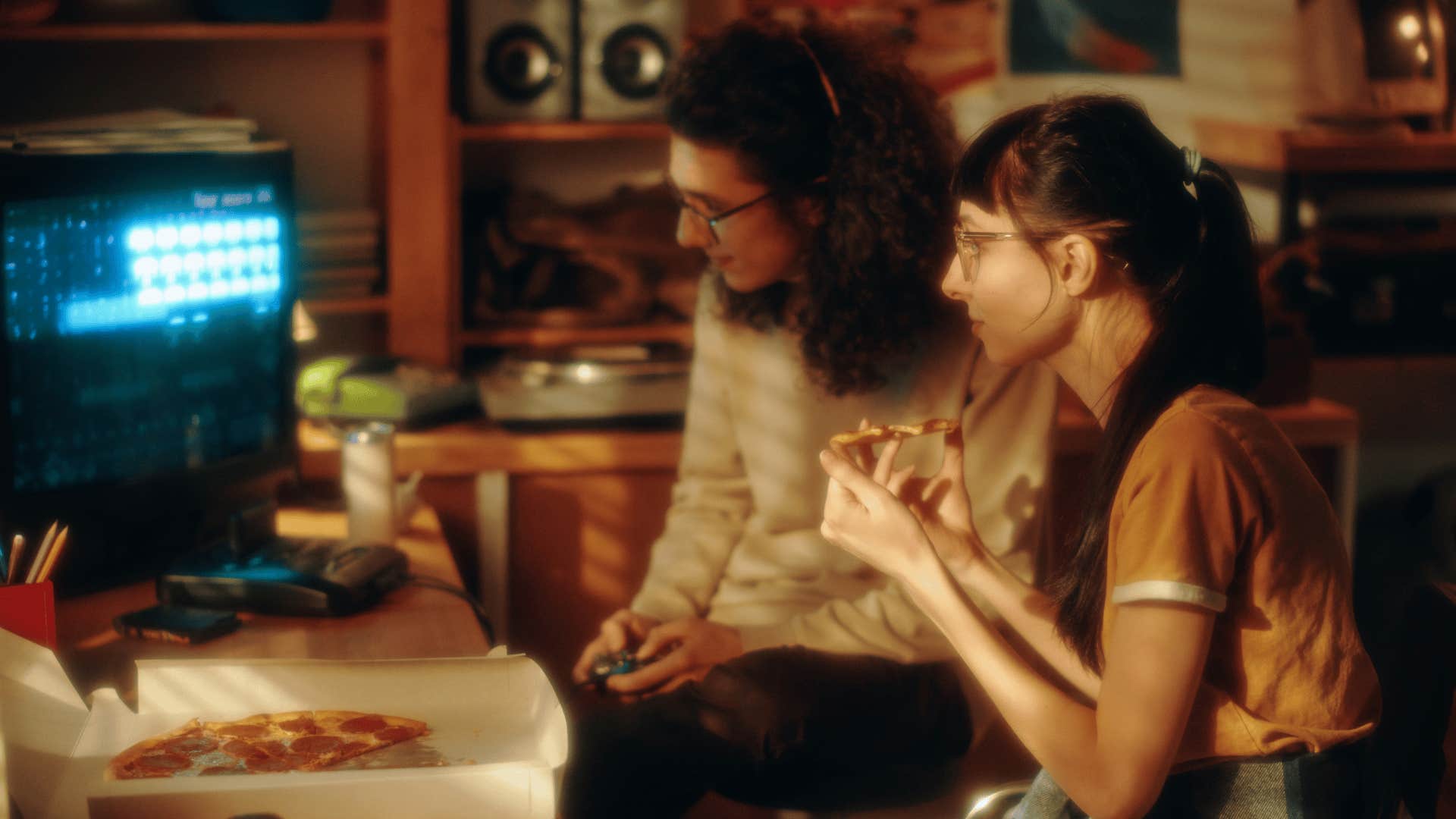
Sure, arcades were still around in the 90s, but as time progressed, something that took people by storm in the 90s was playing computer-based games. It wasn't as advanced as it is now, but it was still fun. From Myst to Doom, games in the 90s hit differently.
And while parents may not like seeing their kids play video games, this doesn't mean that it can't help boost or protect mental health. According to the National Institutes of Health, "A study of nearly 2,000 children found that those who reported playing video games for three hours per day or more performed better on cognitive skills tests involving impulse control and working memory compared to children who had never played video games."
9. Listening to music on a Walkman
 Soeren Schulz | Shutterstock
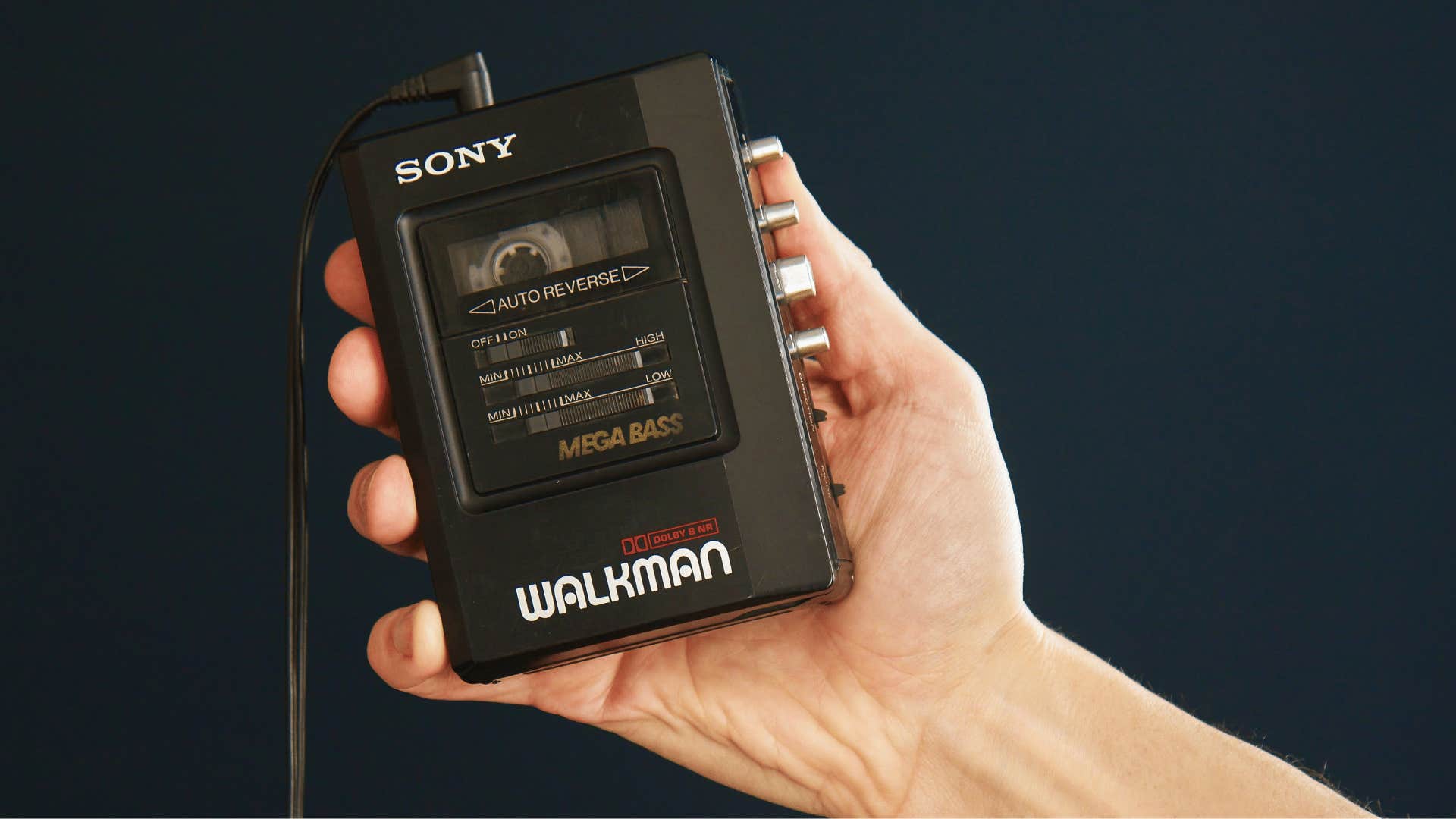
Long before smartphones combined music, social media, messaging, and the internet into a single device, listening to music was often a dedicated activity. People slipped on a pair of headphones and focused on the album they had chosen rather than constantly switching between songs or checking notifications. The experience was slower and surprisingly immersive.
That kind of intentional listening can still benefit us today. Research has consistently shown that music can improve mood and promote relaxation, but those benefits are often diluted when it competes with endless digital distractions. Because a Walkman had only one purpose, it encouraged people to disconnect from everything else for a little while and simply enjoy the music.
While few people are likely to trade their smartphones for cassette tapes again, recreating that distraction-free listening experience, even for a short time, can offer a welcome break from the nonstop stimulation of modern life.
10. Passing handwritten notes in class
 PeopleImages | Shutterstock
Finally, the last old-fashioned hobby from the 1990s worth bringing back for protecting mental health is passing handwritten notes in class. While kids may still do this, it's much more efficient to text on their phones. Sneakily glancing down and sending a quick text when the teacher isn't looking, texting doesn't have the same appeal as passing notes.
Not only was it much cooler, but writing in general is a huge boost to mental health. As the American Psychological Association notes, "Writing can be a powerful tool to help people work through challenges in their lives and improve their mental health." Is it annoying to write from time to time? Sure. But the pros truly outweigh the cons in the long run.
Marielisa Reyes is a writer with a bachelor's in psychology who covers self-help, relationships, career, family, and trending topics.
