
Millennials No Longer Have Patience For Or Interest In Doing These 11 Outdated Things
 PeopleImages | Shutterstock
 Millennials are trail-blazers in a changing world. They're the first generation with internet service in their homes, and they had cell phones in college. For years, they were scapegoated and dismissed. Now, they no longer have patience for or interest in doing outdated things just to please older generations or follow useless traditions.
The cultural divide between boomers and millennials can be explained by a variety of factors. Those interwoven resentments, fueled by each generation’s unique struggles and entitlement no longer have to dominate our conversations. Instead, we can look to millennials and learn from their good ideas.
Millennials no longer have patience for or interest in doing these 11 outdated things
1. Maintain a physical checkbook
 Ground Picture | Shutterstock
The majority of people have stopped using checks these days, and that's another thing millennials no longer have patience for. According to financial writer Andrew Van Dam, the number of people writing paper checks has dropped dramatically since the year 2000. "Back then," Van Dam writes, "6 out of every 10 non-cash purchases, gifts and paid bills were handled with checks. A mere two decades later, just 1 in 20 are."
With scheduled online payments, apps of every variety and debit cards on your phone, millennials have better ways to pay. Still, they keep a few paper checks around for random events.
When it comes to balancing their checkbook or reviewing their statements, most haven’t kept a check ledger for years. At the very most, they check their mobile banking from time-to-time to investigate some weird charge after getting a text from their bank.
2. Paying for a landline
 Josep Suria | Shutterstock
According to a report from the National Center for Health Statistics, nearly 76% of adults and 87% of children don’t live in a household with a landline, and why would they? With changing infrastructure, technology, and a growing emphasis on convenience over cost, most people use a mobile phone to stay in touch anyway, even from their home. Millennials simply have no interest in paying for a landline.
Of course, this isn’t solely a choice made by millennials, despite being one of the first generations to adopt the shift to mobile phones. Mobile service and connectivity are more reliable now, cell phones are more accessible, and the majority of professional and personal expectations rely on their usage. It’s simply a result of changing times.
In an interesting new trend, millenial and younger Gen X parents who feel their kids get too much screen time have started installing a new type of landline for grade schoolers and middle schoolers to communicate with friends. This helps them push back the age at which kids get their first cell phones and teaches them conversational manners in a safer way.
Still, for themselves, millennials still love their smart phones.
3. Going to the mall
 Prostock-studio | Shutterstock
Sadly, a trend that was once popular for millennials in their adolescent years, the popularity shopping at the mall is nearly over. Economics writer Nelson D. Schwartz argues in “The Economics (And Nostalgia) of Dead Malls” that it’s not just changing social trends that explain the decline of malls, but also rising financial insecurity and the deafening growth of income inequality across the country.
Not all malls are dead. Income inequality has allowed high-end malls to thrive, with fancy anchor stores like Nordstrom or even Nieman-Marcus and even designer shops like Gucci and Prada. Meanwhile, middle class-centered stores like Sears and J.C. Penney falter as clothes become cheaper online and save overworked working families time.
4. Letting their kids have adventures
 Artem Varnitsin | Shutterstock
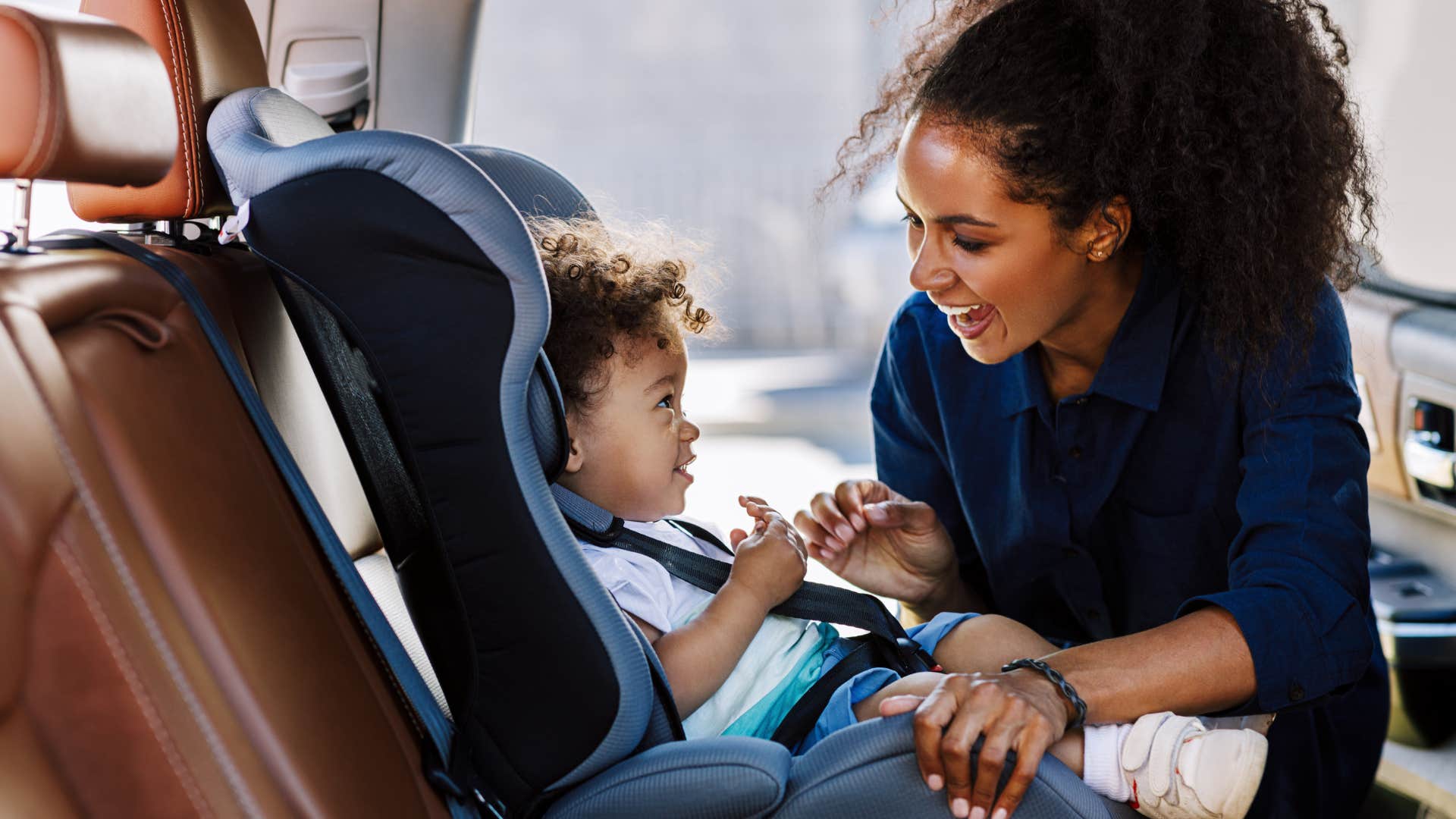
While it might have been a core experience in their own childhood, many younger millennial parents are taking a much different approach to ensuring the safety and protection of their kids. Alarming news stories readily available online have instilled a greater sense of fear in many modern parents, as well as stories about neighbors calling cops when parents let their kids play in the yard unsupervised.
Parents are now more protective of their kids than ever, and the average age of children venturing out of the house alone is growing older and older. They’re driven to school, restricted from unsupervised play outside the house, and sheltered under the protective watch of their parents.
For many millennial parents, free-range parenting is too much of a risk.
5. Using a physical doorbell
 Prostock-studio | Shutterstock
With a tendency to rely on the convenience of cell phones for most mundane activities, from ordering groceries to catching up on work, it’s not surprising that millennials are almost single-handedly responsible for ruining the doorbell industry.
With a simple text (“here”) most people don’t even need to get out of their cars when they’re picking someone up, whether it’s a first date (don't do this!) or a meeting up with a friend.
6. Writing hand-written letters
 Dikushin Dmitry | Shutterstock
Despite a short-lived resurgence of handwritten letters and pen pals during 2020 lockdowns, millennials largely rely on technology and their cell phones to get in touch with the people in their lives. Millennials are the first generation that had email as children, and that greatly affected their relationship with written letters.
In addition, online communities, social media, and the convenience of text messages and video calls has allowed for many in younger generations, millennials included, to maintain their relationships and inner circles without ever lifting a pen. Not only has it given them the accessibility to do so, it’s become a pillar of many relationships to stay connected and engaged online.
7. Utilizing in-person libraries
 Xavier Lorenzo | Shutterstock
Many millennials are missing out on “third places” experiences, especially men. Places like public libraries and parks have become inaccessible due to failing infrastructures, the expense of transportation, lack of funding for public spaces, and entry fees.
A 2018 study on socialization reports that people are now spending nearly 70% more time at home than in the past, not necessarily because they’re choosing to, but because there’s lacking infrastructure to support in-person communities and their need for connection.
Imagine you want to work from a coffee shop one day so you can talk with a few strangers and get out of the house. With rising prices, the average latte costs nearly $10 with a tip, gas prices are expensive, parking is nearly always $5 an hour, public transportation is unsafe, and in many places, completely impossible to utilize.
On top of all that financial obligation, you’re also stuck fighting for an outlet for your old Macbook’s battery you can’t afford to replace. Working from home or just hanging out at a friend's house become your only reasonable options.
8. Leaving voicemails
 Unai Huizi Photography | Shutterstock
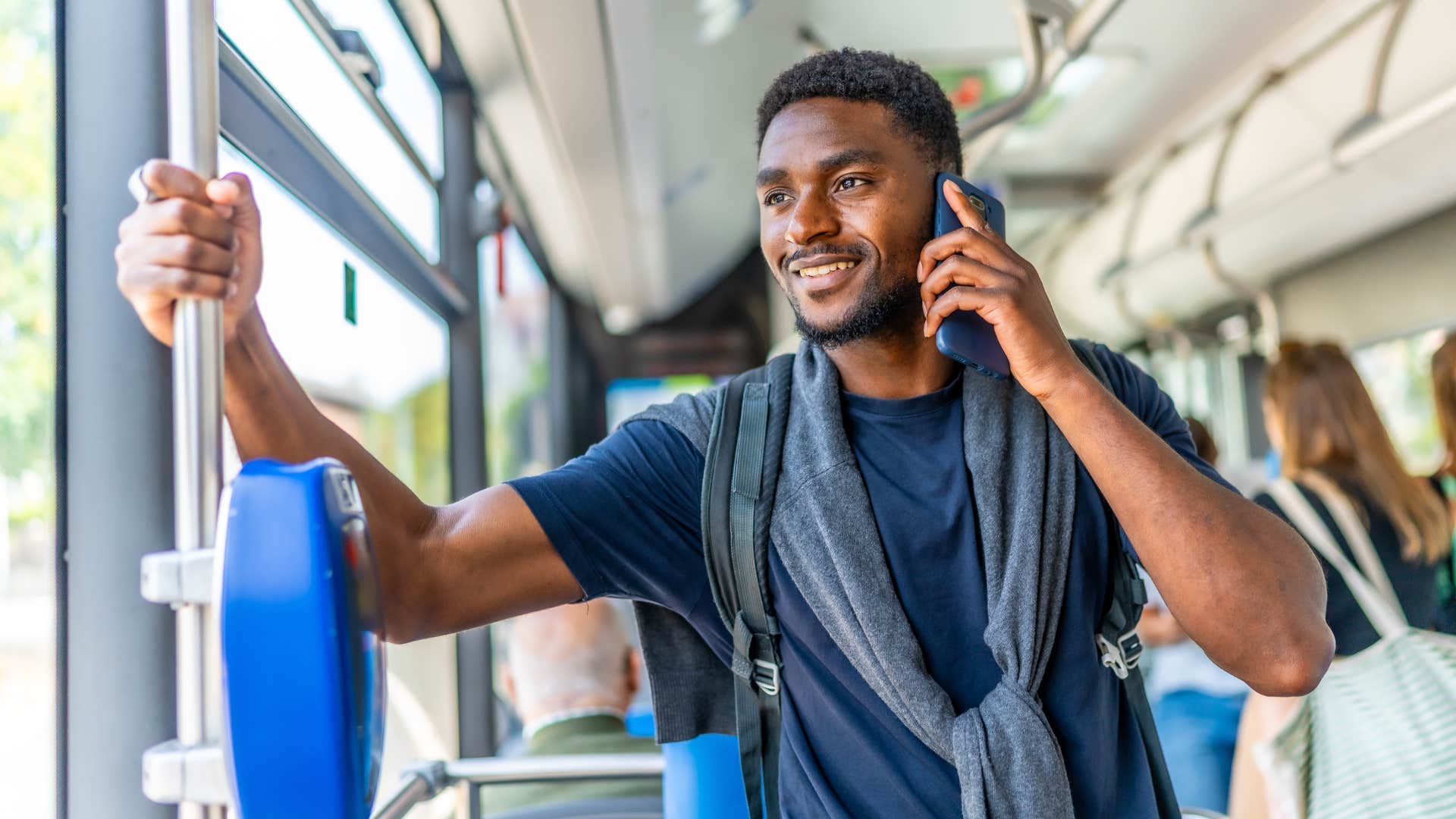
A Pew Research Center study from 2015 revealed that the majority of phone calls millennials make are with close friends and family. They don't necessarily feel pressure to leave a voicemail or request a call back, they’ll just try again later. Some millennials even get irritated when others leave voicemails for them.
If you think about it, it makes sense. Phone numbers will show up as missed calls anyway. So whoever they were trying to get in touch with is expected to simply figure it out and call them back.
9. Hailing taxis
 PeopleImages | Shutterstock
For millennials living in larger metropolitan areas and cities, actually hailing or flagging down a taxi on the side of the road is a last resort. With the growing popularity of ride share apps like Uber and Lyft, there’s no reason to stand outside or assert yourself in traffic, you can do everything from your phone.
That's why millennials generally have no interest in flagging cabs. With apps, there’s safety, easy communication, price transparency, and of course, convenience.
While this changing behavior has caused a shift in the driving and taxi market, according to a 2019 study, it’s reflective of the changing norms, expectations, and technologies that millennials have been forcibly at the cusp of for their entire lives. In certain cities, like New York City, people still stick an arm out for a cab when it's convenient, but pretty much everywhere else, apps reign supreme.
10. Using paper napkins
 Prostock-studio | Shutterstock
While it’s seemingly random, one of the old-fashioned things millennials have no patience for anymore is purchase paper products like napkins. As The Cut's Eve Peyser wrote a few years ago, "Millennials are too smart to be fooled by the marketing techniques of Big Napkin. After all, napkins are just inferior paper towels. Really makes you think.
Many millennials are eating their meals on the go, especially on the way to work or dropping their kids off at school. They prefer to utilize paper towels for convenience during meals over traditional paper napkins.
Again, it’s convenient, but this changing behavior also reflects changing norms. Millennials are prioritizing saved time, productivity, and efficiency, over time to sit down for a meal at home.
11. Live in a big city
 Ground Picture | Shutterstock
Millennials’ homeownership and living preferences have been shifting for a long time. For years now, millennials have been getting “priced out” of bigger cities, with older residents who bought in or signed rent-controlled leases when life in the city was affordable and young people who pile into tiny spaces together filling in the blanks.
As they start their families and get deeper into their careers, they’re forced to opt for cheaper, more accessible, and safe suburban areas. Who can blame them, then, if they no longer have interest in living in a big city?
Even for millennials not currently starting their own families, the rising cost of living in many urban hubs like New York City is completely inaccessible for saving money or making financial plans. If you’re not making nearly $200K annually, you’re going to be struggling to pay your rent, let alone save or invest money, buy groceries, pay loans off, or afford utilities on top of everything else.
Zayda Slabbekoorn is a staff writer with a bachelor’s degree in social relations & policy and gender studies who focuses on psychology, relationships, self-help, and human interest stories.
