
Women Born In The 80s & 90s Are Desperately Craving 11 Missing Things From The Men In Their Lives
 Jacob Lund | Shutterstock
 Every generation has its own set of priorities when it comes to finding a partner, yet there are common themes that surpass any given age range. Most people want romantic relationships based on mutual trust and respect, with communication prioritized and love openly shared.
The social and cultural values that people hold directly impact how they show up in relationships. Millennials looked at their boomer parents' marriages as a blueprint for what to do and not do in their own relationships. They seek a sense of balance and equity in their marriages, yet many women born in the 80s and 90s want things from their marriages that they're not currently getting. However, these wives aren't staying quiet. They're voicing their concerns, which is the first step to changing the course of their marriages.
Women born in the 80s and 90s are desperately craving these 11 missing things from the men in their lives:
1. Deeper emotional intimacy
 PeopleImages.com - Yuri A. | Shutterstock
Women born in the 80s and 90s want a deeper level of emotional intimacy from their marriages than what they're currently getting. They want the emotional labor in their relationship to be more evenly divided.
The term "emotional labor" was first used by sociologist Arlie Hochschild in her 1983 book, "The Managed Heart." Hochschild defined emotional labor as "the management of feeling to create a publicly observable facial and bodily display" that service workers had to do. Now, its use has expanded to include how people manage their feelings, as well as their partners', within a relationship.
It takes a high level of emotional intelligence to define, process, and hold onto how we feel. Women have been socially conditioned to tamp down their emotions while tending to other people's feelings, which inevitably leads to emotional burnout and dissatisfaction in relationships.
All too often, women hold their spouse's emotions without being held, in turn. Wives are tired of being their husbands' emotional caretakers. They crave a deeper connection, which can only be accessed by being vulnerable. They aren't getting the emotional intimacy they deserve, but it's not their job to push their partners to shoulder more of the emotional labor involved in a relationship. Their spouses have to choose to be active participants in their relationships to meet their wives' emotional needs.
2. Relief from carrying the mental load
 Dima Berlin | Shutterstock
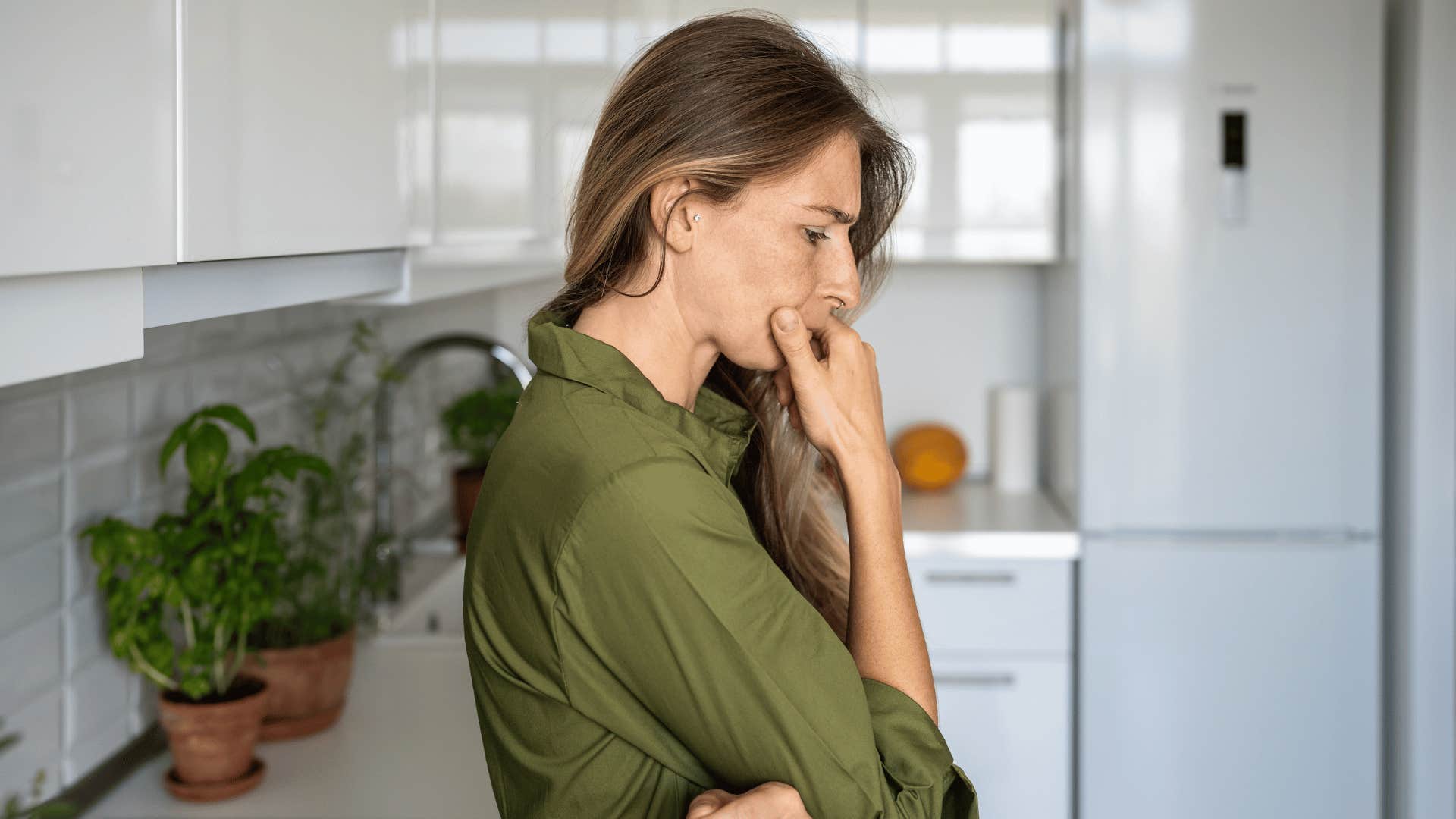
In addition to being emotional caretakers, women are also relied upon to keep their households running and ensure that their families have everything they need. A mental load refers to the emotional and cognitive effort it takes to manage a home. It's often invisible, behind-the-scenes work, which makes it difficult to quantify, yet various studies have shown that women carry the mental load more often than men do.
Carrying the mental load is work that never ends, since it's directly connected to the lives and well-being of loved ones. It has no defined boundaries, existing as a running loop of tasks to tend to in women's minds. Carrying the mental load means lying awake at night, wondering if your kids need new shoes. It means remembering to respond to emails from their teacher and deciding what gift to buy for the hundreds of birthday parties they're invited to.
While husbands might offer to pick up groceries on the way home, it's wives who are responsible for noticing what's needed. They're the ones writing out the grocery list and fielding questions about which brand of yogurt to buy. Most likely, they're the ones performing the practical labor that accompanies the mental load, as well. They cook dinner, make sure the kids eat their vegetables, and clean the kitchen.
Most often, women who carry the mental load hit a breaking point because they're so depleted. Yet they still have to ask for their husband's help and outline what he needs to do to be helpful, which means they're still carrying the mental load, even when they reach out for support.
Women born in the 80s and 90s want their husbands to help out without being asked, which is something they're not currently getting in their marriages.
3. A more equal share of household responsibilities
 Prostock-studio | Shutterstock
Women born in the 80s and 90s want a more equitable division of labor around the house. Even though more women have jobs outside the home than in previous generations, they're still responsible for doing the majority of household and parenting labor.
They were raised to believe in gender equality, yet the actual breakdown of household labor in America still falls along strictly gendered lines. According to a Gallup poll, 58% of women are responsible for doing laundry, 51% for cleaning and preparing meals, while 69% of men take care of the car and yard work.
Simply put, women born in the 80s and 90s are exhausted. They're tired of being the primary parent and the person who picks dirty socks off the floor. They want their husbands to step in and step up, because healthy relationships are built on equity, even though wives aren't actually getting what was promised to them.
4. Real support for their careers
 SistersStock | Shutterstock
Women born in the 80s and 90s want their partners to show more support for their professional careers. Because women are traditionally expected to raise the kids and take care of the house, their careers often get pushed aside in favor of their husbands'. The cost of childcare has risen to astronomical levels, leading many women to put their jobs on hold to stay home.
According to a 2018 Pew Research Center poll, 72% of millennial women were employed. More millennial women earned bachelor's degrees than men, yet they still experienced the "mom tax," in which they earn less money after having kids. Taking maternity leave costs moms an average of $9,500, and that's just for moms who have access to parental leave.
Women born in the 80s and 90s were once girls who were told they could do anything. They could have it all if they just leaned in. Yet reality has revealed the harsh truth that women's work is decentered compared to the men they're married to.
5. Quality time without distractions
 fizkes | Shutterstock
Women born in the 80s and 90s want quality time with their partners, free from distractions. They want to feel the spark that drew them into their marriages in the first place. They want to do more than watch Netflix and scroll social media as their husbands sit beside them. While prioritizing the more romantic side of marriage can be challenging, carving out time to do more than just veg out together is essential to stoke the fires of any long-term relationship.
Quality time doesn't have to mean going on an expensive date or even leaving the house. You can have your own two-person dance party in the living room. You can take your kids' art supplies and draw portraits of each other. Whatever activity you choose, the point is to put your phones away and be face-to-face, fully engaged, and enjoying each other's company.
6. A partner who keeps growing as a person
 TimeImage Production | Shutterstock
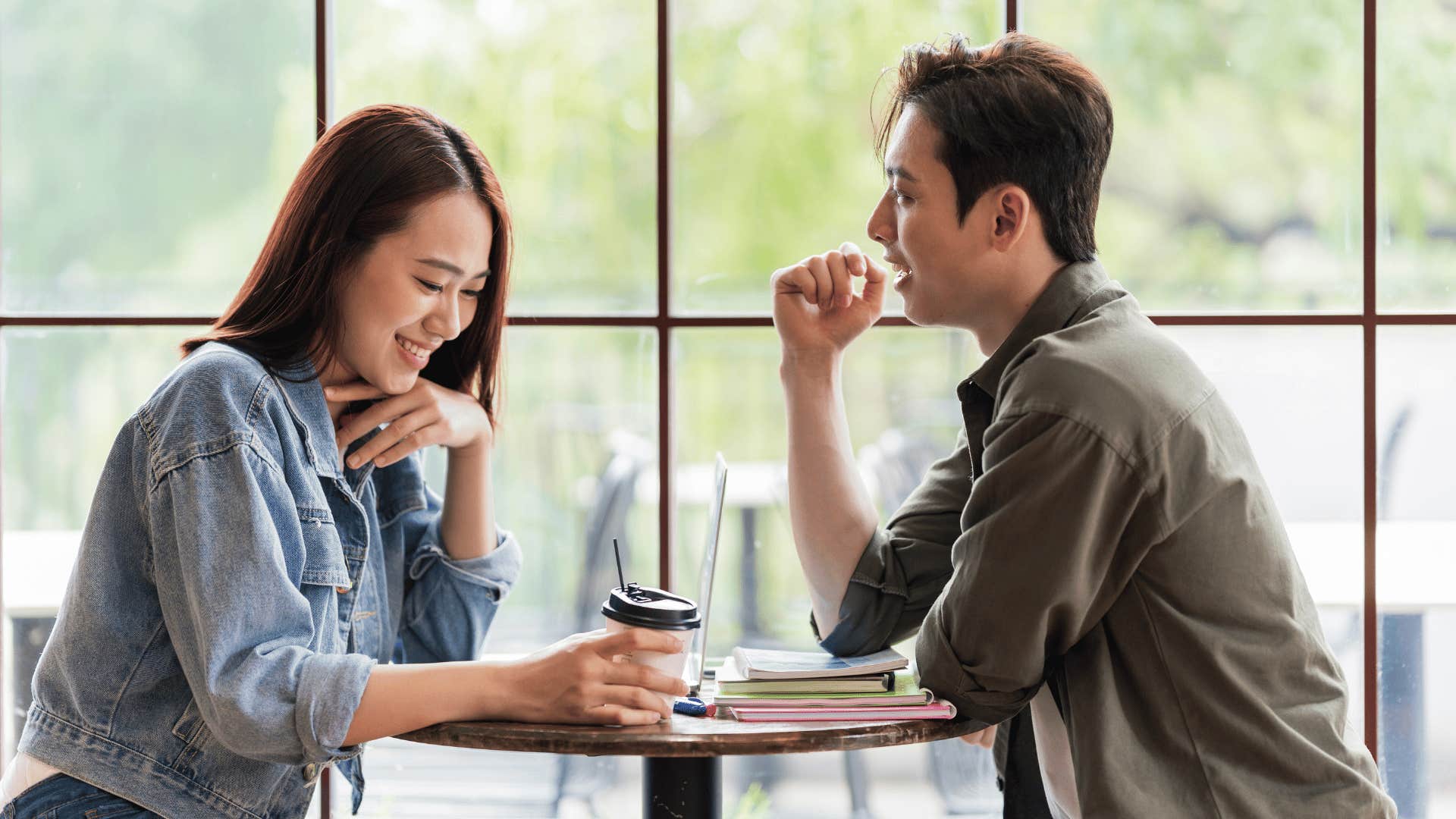
Women born in the 80s and 90s want to be the best version of themselves, which means taking time for self-reflection and self-improvement. They also want their partners to show up to the relationship as their most authentic selves. Having a partner who's committed to self-improvement is important to wives because it shows they're committed to growing together over time.
Psychotherapist Susan Saint-Welch outlined the steps to find your true self and live in accordance with your life's purpose. "In order to be content and happy with your life, you must first find your true, authentic self," she explained. "Finding yourself means becoming aware of those around you, what makes you happy and what does not, and when you feel good about yourself and when you don't."
Saint-Welch advised people seeking their purpose to identify the parts of their lives that affect them both positively and negatively, and then focus on the things that bring the most joy. "When you know what brings you true joy and what doesn't, you will tend to avoid those negative experiences while embracing the positive ones," she concluded.
In a healthy relationship, both halves of a couple can focus on their individual goals and interests, then come together as a more elevated, fulfilled version of themselves, which will make their marriage even stronger.
7. A stronger co-parenting partnership
 Face Stock | Shutterstock
Women born in the 80s and 90s want their husbands to be in charge of more than just rides to soccer practice on weekends and reading bedtime stories at night. They want to feel like they're in a true partnership, where parenting decisions are made together, and tasks are split evenly.
Psychologist Lisa Kaplin explained that clear and calm communication is the best way to build a cooperative co-parenting relationship. "It is important to pick your battles. You don't need to fight every detail with your co-parent. Yet, it is equally essential not to deny what is most important to you," she shared. "Passivity is not the key to healthy co-parenting because it often leads to resentment or passive-aggressive behavior. Neither is good for you, your relationship, and especially your children."
The more a couple can talk about what they need to feel supported, the stronger their bond will become.
8. Responsive listening
 Chay_Tee | Shutterstock
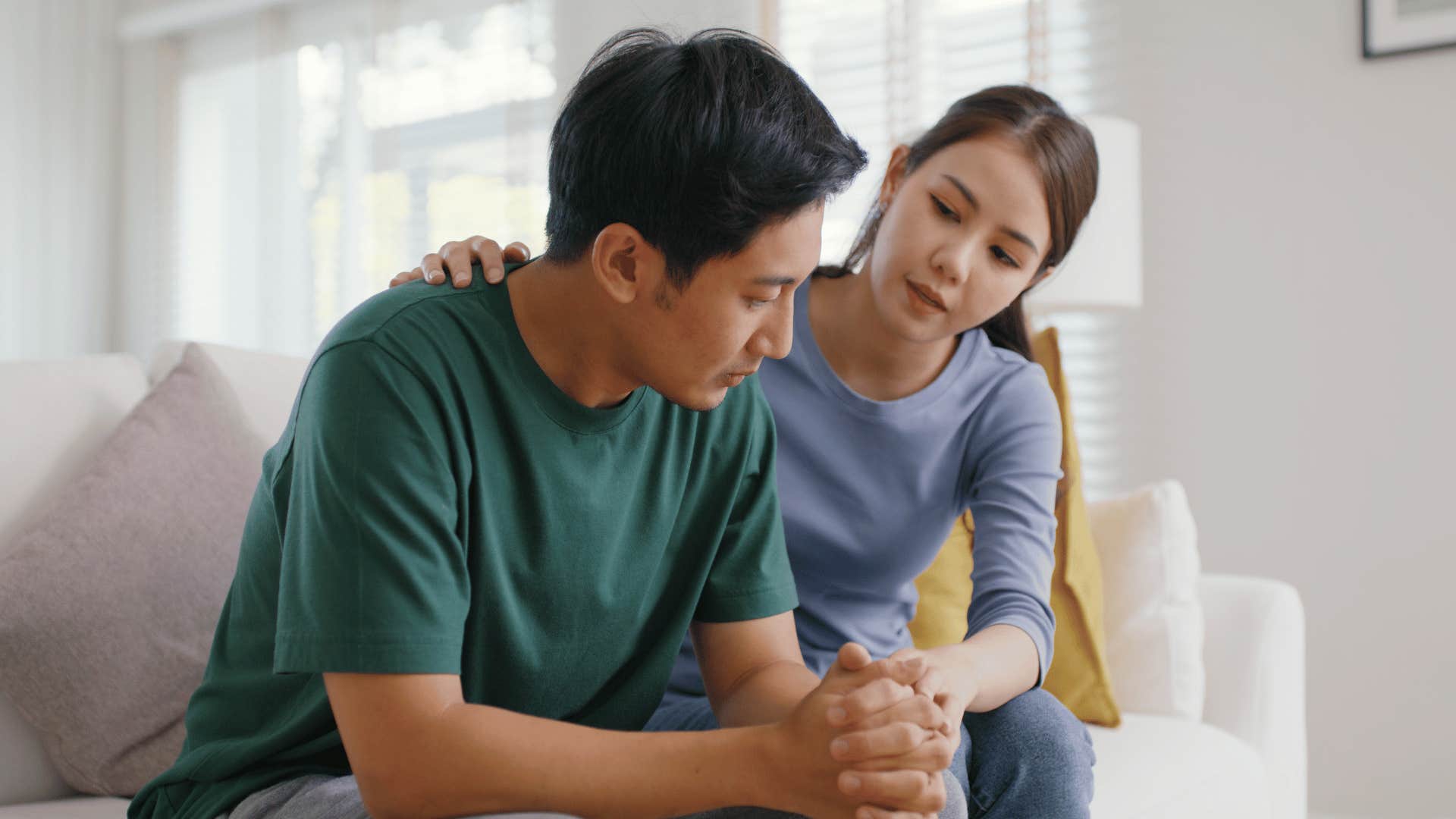
Wives don't want their husbands to minimize their problems or try to solve them; they want to feel truly heard. They just want their partner to listen and validate what they're feeling.
Psychologist Guy Winch called emotional validation "a crucial relationship skill" that isn't always easy to put into practice. He defined emotional validation as "conveying that we get what the other person is feeling and why they're feeling it," even when you disagree.
"In order to validate someone's feelings, we first have to gain a clear understanding of what their feelings are by giving them the space and time to express themselves, and by giving ourselves the space and time to understand their emotional experience by asking for clarifications," he explained.
Women born in the 80s and 90s want the space to speak without fear of judgment or dismissal. They want to be told that it's okay to feel what they're feeling. They want a level of responsive listening that they're not currently getting in their marriages.
The ability to fully listen takes concerted effort. It often requires an ego check. Yet the power of listening can't be understated. Husbands who turn their full attention to their wives while keeping an open mind and an open heart will see just how much that act of care means to the women they love most.
9. Time and space to be themselves outside their roles
 Shark9208888 | Shutterstock
Women born in the 80s and 90s want to cultivate their interests and have a sense of identity beyond being a wife or a mom. They want to feel happy with who they are, which means they need time and space for actual self-care.
Life and career transition coach Deborah Roth posed an important question when it comes to self-care: When was the last time you did something delicious for yourself and didn't feel an ounce of guilt? "The sad truth is that many of us are socialized to take care of everyone else first, and we're called ‘selfish' if we object," she continued.
Roth revealed that self-care is crucial because "If we don't place ourselves at the center of our lives, we become increasingly scattered, ungrounded, and miserable. If we don't create space for our self-care, we won't be whole enough to take care of all those we love or who depend on us." Roth concluded, "Everything becomes a little easier, less stressful, and maybe even more fun when we carve out time and space for ourselves amid the whirlwind of life."
Husbands can give their wives the gift of free time, with no family obligations or interruptions, so that they can put themselves first.
10. Consistent appreciation
 fizkes | Shutterstock
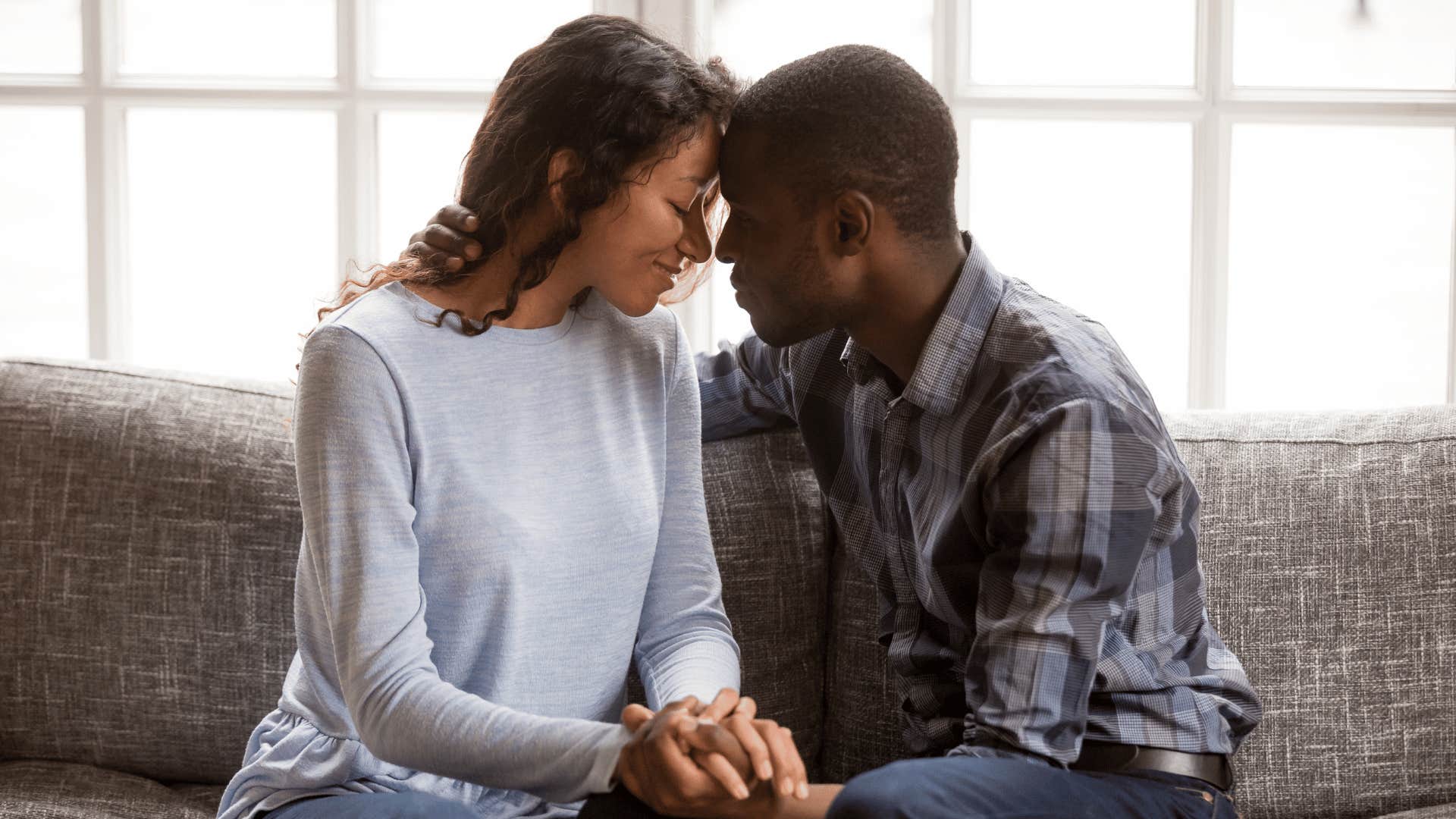
Consistent appreciation and expressions of gratitude are things wives want from their marriages, especially if they're not currently getting them. In the chaos of daily life, it's easy to let appreciation for your partner slip by unacknowledged. Yet taking time to point out exactly what you love about them and what you're thankful for will majorly boost the mileage on your marriage.
Relationship expert Dr. Terri Orbuch revealed that gratitude is the key ingredient for a strong marriage. She described giving gratitude as "making your partner feel valued, loved, and supported with simple acts and behaviors."
Orbuch noted that in her research, couples who expressed gratitude to one another were happier than those who didn't. "Gratitude came in the form of words, gestures, or acts that showed a spouse that they were noticed, appreciated, respected, loved, or desired," she explained.
Orbuch shared the three main aspects of gratitude: reassurance, intimacy, and assistance. Putting any gratitude practice into action will look different for every couple. Some people are elevated by words of affirmation, while others appreciate acts of service. No matter what form your gratitude takes, make sure you share it openly so your partner knows just how much you care.
11. More transparent communication
 Roman Samborskyi | Shutterstock
Women born in the 80s and 90s want more transparent communication in their marriages. They want total openness and honesty, even when it's painful. They want their husbands to share their thoughts, feelings, and fears, and they want to share theirs, without feeling judged or rejected.
Clinical psychologist Dr. Randi Gunther shared that communication is crucial to building emotional intimacy in any relationship. "The open sharing of emotional states is for many the most important basis for trust and comfort and must precede any other intimate connection," she explained. "Knowing that a partner tracks, intuits, understands, and supports the emotional experience of another allows couples to form the foundation from which all other intimate interactions are safe."
Wives want to talk it all out: the good parts and the hard parts, the little things that drive them crazy, and the little things they love. They want to be totally present in their marriages, and they want their partners to be present, too.
Alexandra Blogier, MFA, is a staff writer who covers psychology, social issues, relationships, self-help topics, and human interest stories.
