
I Constantly Felt Drained And Run-Down Until I Adopted These 10 Morning Habits
 Juanmonino | Canva
 As a certified professional organizer, I can honestly say that organizing my day in the morning is integral to not feeling drained and run down all week. And it's all possible with proper time management. What is time management? Time management is the ability to use one's time productively. The concept explains how one coordinates tasks and activities within their day to maximize their efforts. There are multiple benefits of proper time management, including:
- Less stress
- Better work-life balance
- More free time
- Better focus
- Higher productivity
- Less distraction
- Avoids burnout
Unfortunately, there are negative side effects to having disorganized days that lead nowhere in terms of productivity, including:
- Lack of structure and control
- Increased stress
- Sleep issues
- Being easily distracted
- Depression or other mental health issues
- Workplace burnout
- Procrastination
Luckily, by making a few changes to your morning habits, you can learn how to organize your time for a more constructive and rewarding feeling.
I constantly felt drained and run-down until I adopted these 10 morning habits:
1. Starting my day by identifying my top three priorities
 Ahmed / Pexels
Everyone has things that are important to them. So, what’s important to you? I’m not asking what's on your to-do list. Instead, I'm asking you to identify what you want to attend to regularly. For me, it includes my family, my dogs, my home, my faith, my plants, and my business.
Every day, I give a little time to these aspects of my life. Whatever they are, these are the things you will attend to daily, even if just for a few minutes. To better organize your day, acknowledge that time will be given to the things that matter most to you.
2. Reviewing my daily goals each morning before diving in
 RDNE Stock project / Pexels
No one can pay attention to everything that's going on in their lives every day. We all have more than a few things that are asking for our time. There are volunteer activities, friends and neighbors to check in with, routine household chores, projects, and our work.
A 2019 study in the Journal of Management found something pretty interesting about people who take a few minutes each morning to think about their work goals. Those who mentally reconnected with what they wanted to accomplish actually felt more engaged and less stressed throughout the entire day.
Decide where you're going to focus your attention today. Remember to place your focus on things that support the way you want to live. It can be tempting to place your focus on something that your peers think is important. Resist that temptation, unless it also aligns with what matters to you. Pick one or two things in addition to scheduled appointments and routine tasks.
3. Blocking out my day into focused chunks
 AlphaTradeZone / Pexels
To better organize your day, divide it into segments. Morning, afternoon, and evening are the segments that work for me. You may have a different idea, and that is completely fine. I schedule one area of focus for each segment of the day.
Sometimes, life gets in the way, and the things I want to focus on during that time either get pushed to another time or another day. When that happens, I make a point of rescheduling the task I had originally planned to do. Remember that "later" is not a time. When you're rescheduling a task, pick a specific day and time.
4. Paying attention to when my energy naturally peaks and dips
 cottonbro studio / Pexels
When do you do your best work? Admit to yourself the time of day during which you make your best decisions. Are you a morning person? If so, organize your day so that you do the most taxing brain work in the morning and physical work in the afternoon.
Research in Psychological Science showed that working during your natural energy peaks makes a huge difference in how well you perform. When people tackled demanding tasks at times that matched their internal clock, they made better decisions and even regulated their emotions more effectively.
People who take a little longer to wake up may schedule brain work for midday or evening. I'm an early-morning person. Most of my brainwork is done before noon. I leave the afternoon for other things that also matter to me. Take advantage of your personal strengths and better organize your day so that you do your hardest, most challenging work when you know you are at your best.
5. Building buffer time between tasks
 KATRIN BOLOVTSOVA / Pexels
There’s no such thing as "free time." When I was in school, the expression "free time" meant an unscheduled time during the day. I was free to do whatever I wanted. Allow yourself "free time" to reset your brain and your soul. Free time lets our minds wander, which in turn invites creativity. It feels good to have nothing pressing during that time. It doesn’t have to be hours of free time — it can be 10 minutes. Close your eyes, or if the weather is lovely, find a place to be outside, stare into nature, and recharge.
6. Planning tomorrow before bed each night
 cottonbro studio / Pexels
At the end of the day, I take stock of what it is I have accomplished and what's left to do. It's not about how much you get done in a day or what you have accomplished; it's truly about how you feel. Studies on daily planning found that mapping out your next day in the evening actually saves you mental energy the following morning. When you decide ahead of time what needs to happen, your brain doesn't have to work as hard making constant decisions about the next thing to do.
I make a point of noticing the things that have gone well and learning lessons from those that haven’t. Then I look at my calendar, review my appointments for the next day, think about which segments of the day I can schedule a few tasks, and decide my focus for the next day. Planning my day in the evening lets me unwind and relax. When I get up the next morning, I expect how the day will unfold. This is not to say that everything always runs smoothly; it does not. By organizing my day this way, I know what I can let go of, what I can reschedule, and where my flex time is.
7. Experimenting until I found what actually worked for me
 Ralph Hunter / Unsplash
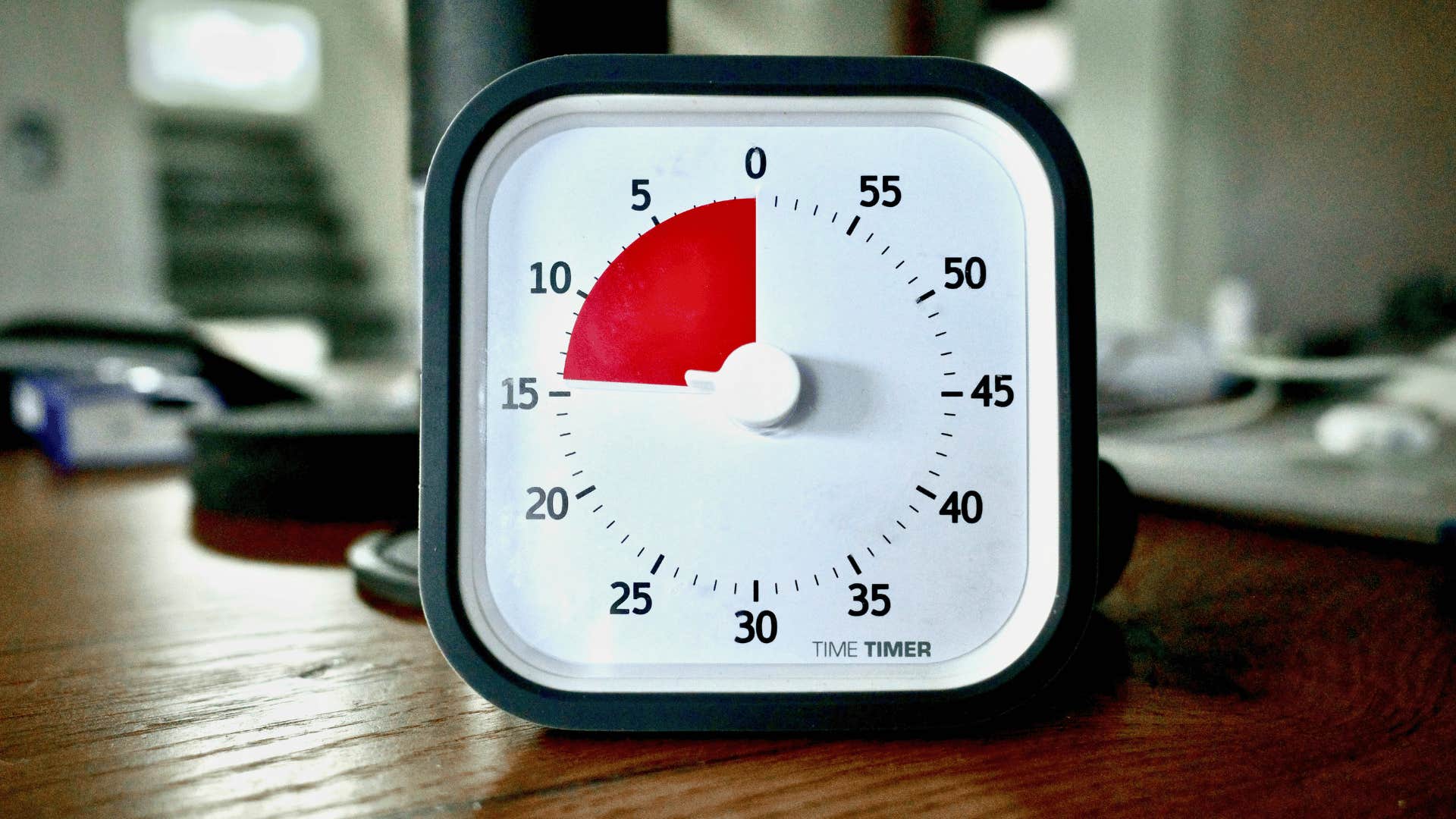
Several time management techniques and methods can help, so try a few different ones to see which works best for you. Here are a few popular techniques to get you started:
- Timeboxing: This is a goal-oriented technique where you complete tasks within "timeboxes," meaning you give yourself a time limit to complete a task. It helps break down bigger tasks into smaller, easier steps.
- The Pomodoro Method: This technique involves scheduling out to-do tasks with mini breaks in between each.
- Eat the Frog: The Eat the Frog method is where you tackle your biggest or most complex tasks first before turning to smaller ones.
- Pareto Principle: Opposite of Eat the Frog, the Pareto principle is where you complete quick tasks first before diving into bigger projects.
8. Spending 10 minutes each morning organizing my workspace
 Mateusz Haberny / Pexels
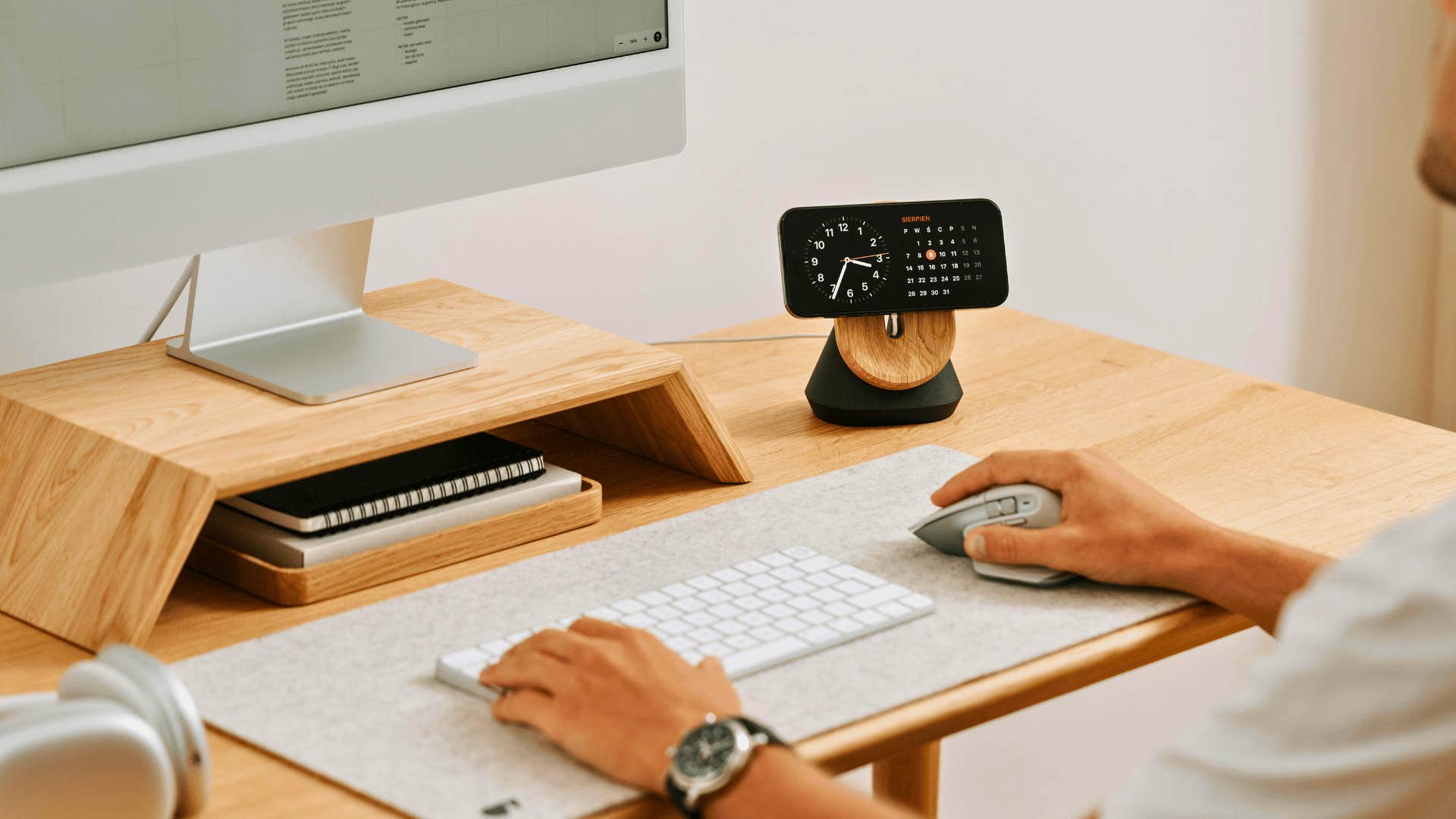
It can be easy for a day to get away from you, so make a plan and stick to it. Things always feel more manageable when they are organized. When it's not, you may feel overwhelmed and chaotic, which only causes more stress. Keep your day and tasks organized so you can tackle your day one step at a time. A calendar or daily planner is your best friend on your journey to better time management skills.
Researchers at Princeton's Neuroscience Institute discovered that clutter actually messes with your brain's ability to focus. Their study showed that when your workspace is covered in stuff, all those visual distractions compete for your attention and make it harder to concentrate on what actually matters.
9. Committing to doing one thing at a time
 Karolina Grabowska www.kaboompics.com / Pexels
It may seem tempting to get as many things done at the same time, but this can actually cause you to digress in productivity. It leaves you with several unfinished tasks that day, rather than completing just a handful of them. Finish one thing at a time and see it through to completion. You will feel more productive and won't get sidetracked by other tasks.
10. Tackling similar tasks back-to-back instead of jumping around
 Monstera Production / Pexels
Grouping similar tasks will get you in the groove. If you have to clean the bathroom and kitchen, do them one right after the other. They are similar and require many of the same tools. This allows you to breeze through these tasks because you won't waste time putting items back and finding other tools, focusing your brain on another very different task. Your mind is already in the correct setting to start your task if they are similar to one another.
Diane N. Quintana is a Certified Professional Organizer®, Certified Professional Organizer in Chronic Disorganization®, Master Trainer, and owner of DNQ Solutions, LLC, based in Atlanta, Georgia.
