
People Raised In The 60s, 70s & 80s Consistently Break 10 Rules Younger Generations Usually Follow
 Nedrofly / Shutterstock
 Younger people might like to think of baby boomers and Gen X as old folks who are hard-core traditionalists, but the truth is that people raised in the 1960s, 70s, and 80s tend to have a serious rebellious streak. Baby boomers were deeply involved in the civil rights and feminist movements, and Gen X's cynicism led them to be highly suspicious of authority and being asked to do things because that was the way they've always been done.
Gen Z seems to think they're the first ones to question the status quo, but that couldn't be further from the truth. In fact, people in their 40s, 50s, and 60s now consistently break the exact same rules that younger generations blindly follow.
Younger boomers and Gen Xers raised in the 60s, 70s, and 80s consistently break these rules that today's younger generations tend to follow
1. Don't answer phone calls from unknown numbers
 Dragonimages via Canva
Gen Z always thinks twice before answering a call from an unknown phone number. Assuming that it's a stranger or worse, a scammer hoping to take advantage of them, younger people won't pick up unless they recognize the phone number. However, while this may be a common rule in 2026, people raised in the 60s, 70s, and 80s haven't gotten with the program yet.
All too trusting, they don't grasp just how dangerous answering calls can be. According to BECU, "Scammers can clone your family members' voices with AI to convince you to send money." So, while older people may think it's important, younger generations are far more wary. Knowing how dangerous phone calls have gotten, they'd rather play it safe than be sorry.
2. Don't stop by someone's house without letting them know first
 ArtMari | Shutterstock
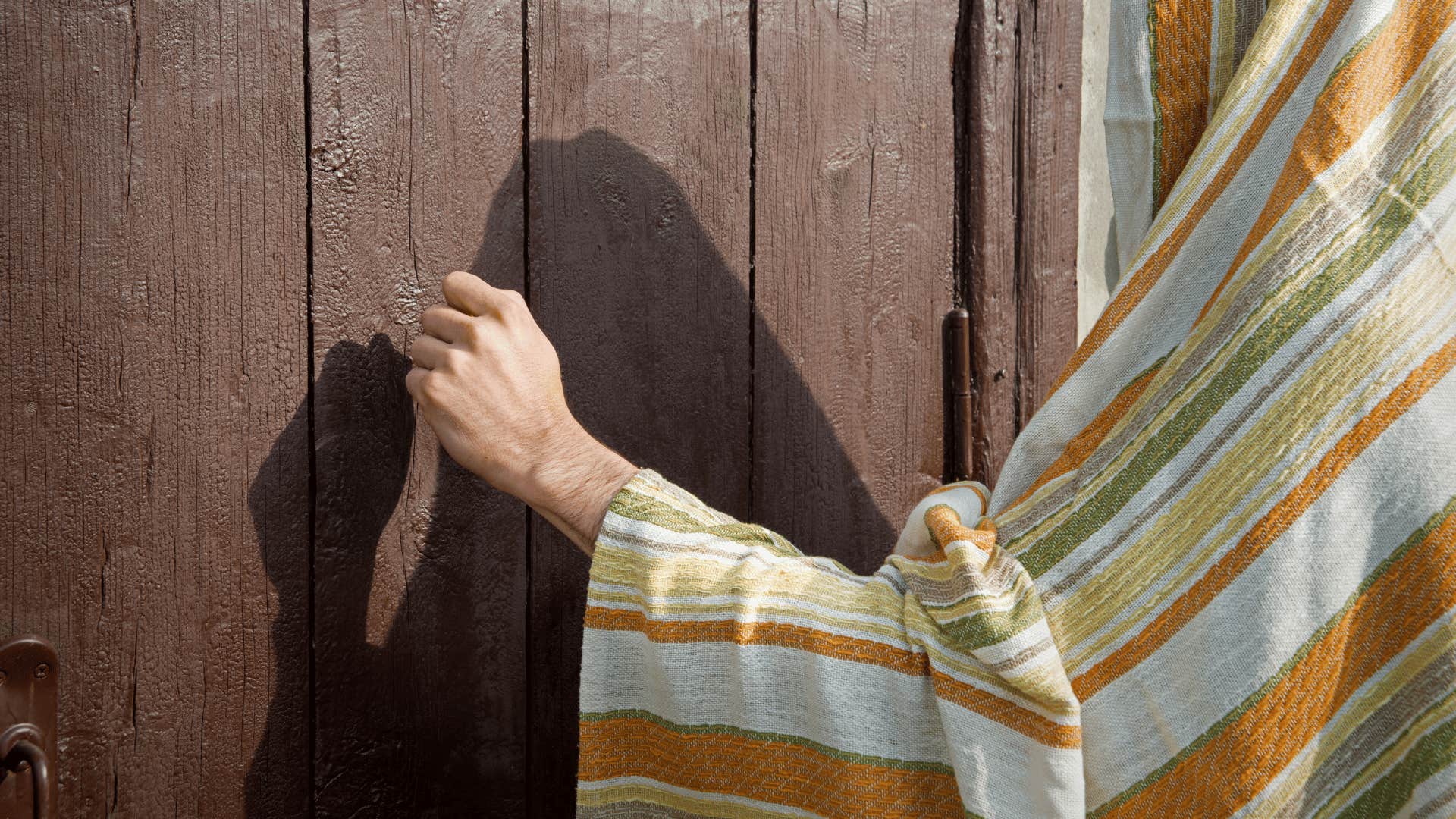
Gen Z and millennials tend to think that stopping by someone's house uninvited is rude. It doesn't matter how close they are to the person in question. If you haven't given them notice, don't expect to be welcomed with open arms.
This couldn't be further from the case with older generations. Back in their day, people were more social and more spontaneous. Not fearing rejection and having little anxiety, grandparents, parents, and friends alike would come barging into your house. That might seem rude looking back on it, but back then, people didn't have phones on them at all times, so showing up without calling first seemed perfectly natural to most people. Their lives were also far more centered around community and family, so it was often seen as more of a fun surprise.
3. Avoid using cash whenever possible
 simona pilolla 2 | Shutterstock
Nowadays, the younger generation almost always uses their credit cards or payment apps to buy things. Whether they're buying something at the grocery store or ordering from Amazon, the need for cash is becoming increasingly outdated. That being said, those raised in the 60s, 70s, and 80s don't particularly care about what's outdated.
Even if it's viewed as odd by younger generations, the practice of paying with cash is deeply ingrained in older generations. They were raised to believe you should always have some cash with you in case you go somewhere that won't accept checks or credit cards, and that developed into a habit they aren't willing to break
4. Update your phone regularly
 Karola G from Pexels via Canva
Most younger people believe it's important to upgrade their phones every few years, or even more frequently if they can afford it. While it may be slightly expensive, phones nowadays aren't made to last. Running into issues around the four-year mark, most feel pressured to upgrade their phone, even if they really don't want to.
However, while younger generations follow this unspoken rule, people raised in the 60s, 70s, and 80s couldn't care less. Unable to justify spending nearly a thousand dollars for a new phone, they'd rather keep their old phone until it absolutely won't work anymore.
5. Don't arrive early
 Jupiter Images via Canva
Arriving early sounds good on paper. When baby boomers and Gen X were young, it was considered far better to arrive somewhere early than to get there just in time. But times have literally changed, and now younger generations stick to the rule that you shouldn't be either early or late.
Gen Z doesn't want to rush hosts who may not be ready, or make anyone feel bad for not being there early, either. As attorney and etiquette coach Alison M. Cheperdak, J.D., explained, "In fact, unless someone specifically asks you to come early, if you are attending a gathering at someone’s home, showing up early is considered rude and can actually stress out your host."
So, unless it's a doctor's appointment or going to the airport, younger people think it's better to show up exactly on time. Still, baby boomers and Gen X refuse to follow this rule and would rather sit outside in their car than risk walking in a few minutes late.
6. Don't talk to strangers
 AnnaStills via Canva
It's now an unspoken rule that you shouldn't speak to strangers unless you absolutely need to. With their collective social anxiety, Gen Z finds the idea of having a completely random conversation in the fruit aisle a bit jarring. However, this is exactly the kind of interaction older generations still adore.
When they were younger, saying hello to strangers was simple good manners, and chit-chatting with someone you'd never met before while sitting in a coffee shop was one of the best ways to spend an afternoon. Unfortunately, times have changed drastically since then, and talking to someone you don't know without a good reason is generally considered both suspicious and annoying.
7. Make sure to check reviews before heading to a restaurant for the first time
 lucadp from Getty Images via Canva
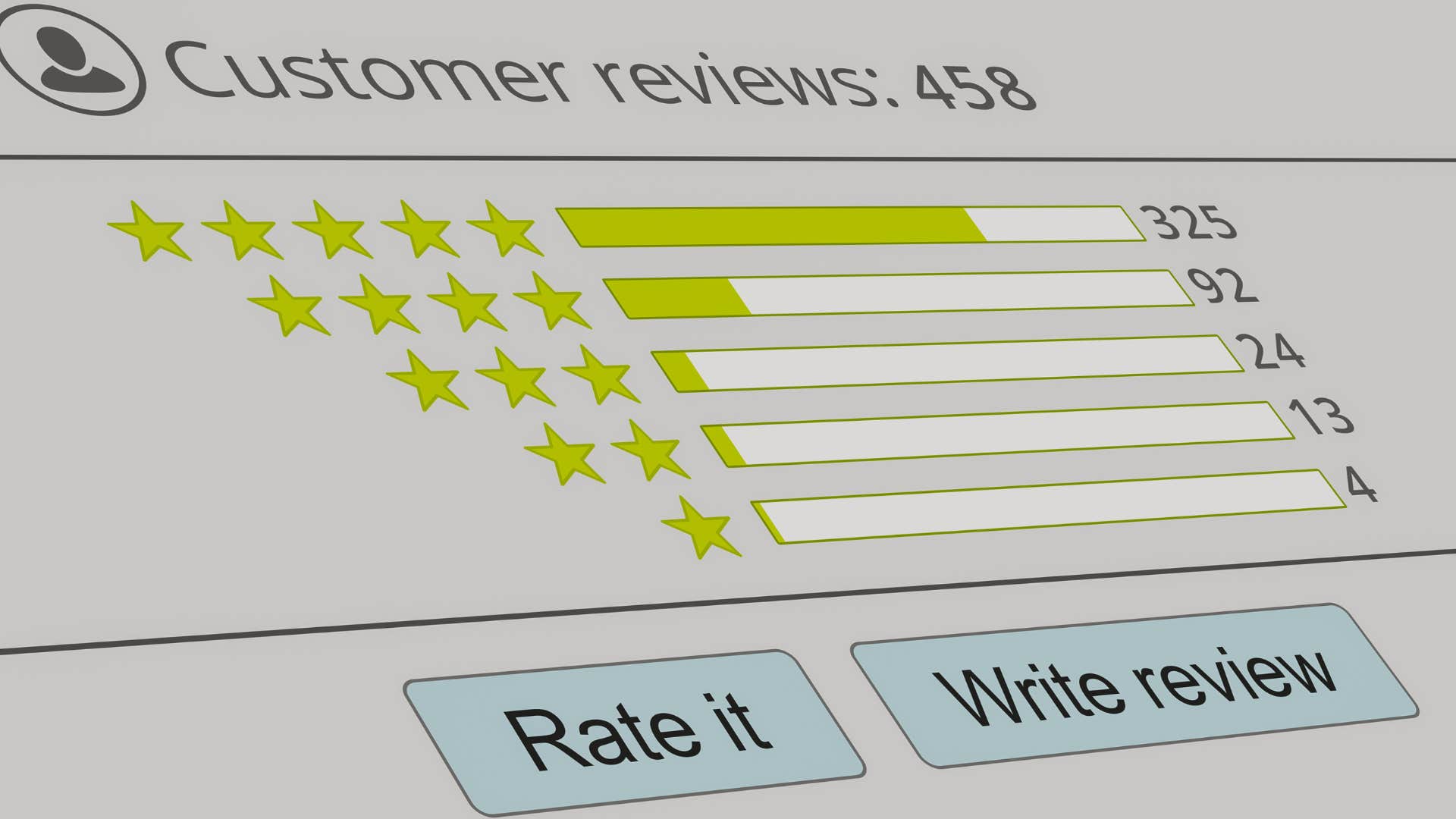
Most younger generations view it as an unspoken rule that you should check a restaurant's reviews online before going there to eat. People may call them picky, but life is way too expensive to be wasting money on one-star restaurants. In fact, millennials and Gen Z were found to be 99% more likely than Gen X and boomers to rely on social media and other online reviews before trying a new restaurant.
In the eyes of older people, half of the fun of going to a new restaurant is the adventure of trying it out for themselves. Again, both generations tend to be rebellious and independent, so they don't really trust anyone else's reviews as much as they trust themselves anyway.
8. Don't bother people for directions when you can use your GPS
 davidf from Getty Images Signature via Canva
Most young people aren't keen on asking a random stranger for directions. Unless their phone is dead, they'd rather use their GPS than have someone point them to the nearest Walmart. Call them dramatic, but due to their lingering trauma from 2020 and the enormous amount of time they spend online, the idea of putting anyone out by expecting them to explain something to you that you could find something out yourself seems ludicrous.
People raised in the 60s, 70s, and 80s grew up with no way to get anywhere other than by reading a paper map themselves or writing down directions given to them by another person. They know that GPS can be unreliable and hard to follow at times, so it just makes sense to them to get directions before they head out, even if they could just ask their phone.
9. Stop using old pots and pans if they're scratched
 Aleks822 | Shutterstock
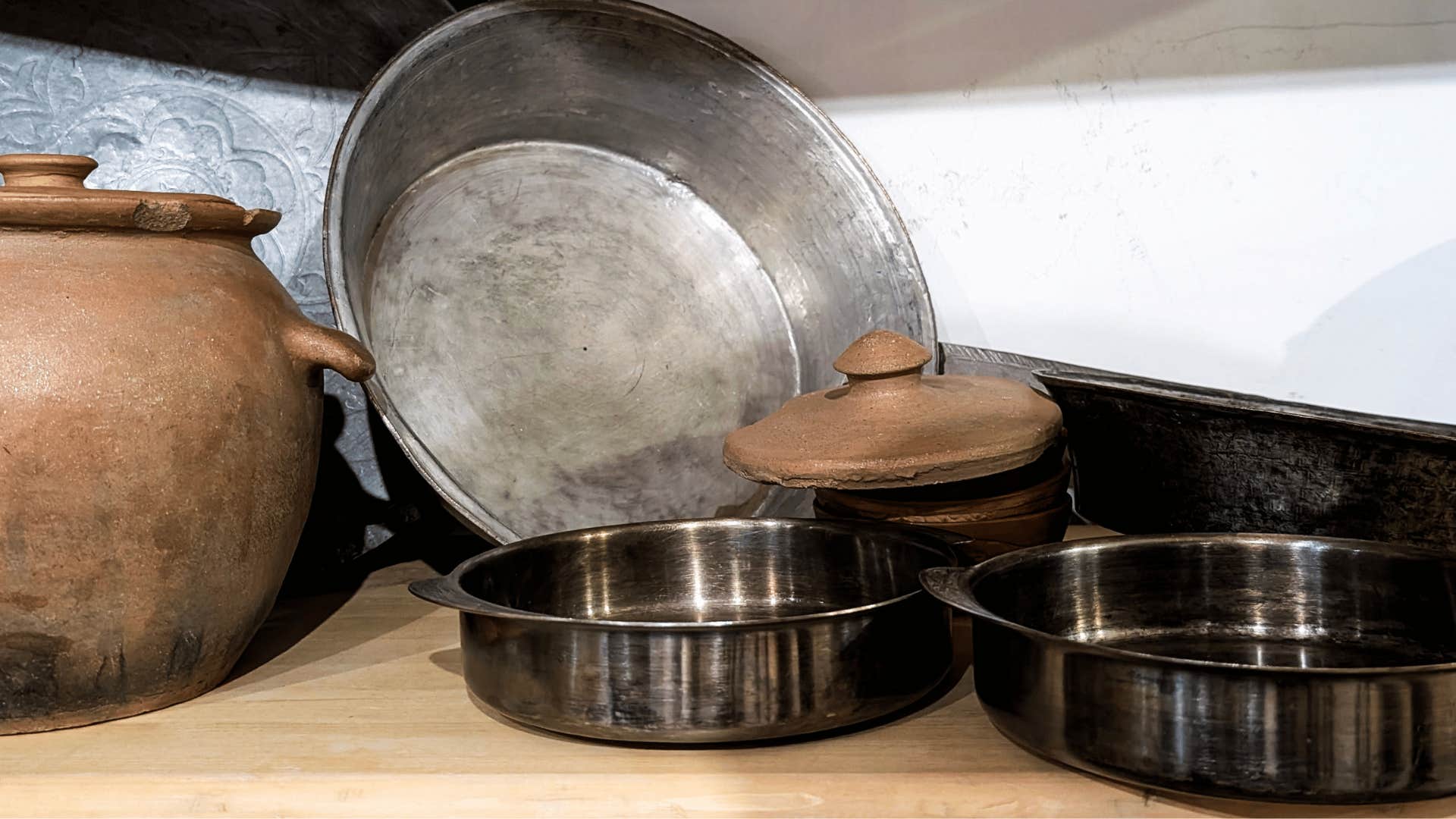
While millennials and Gen Z are typically more frugal than baby boomers and Gen X on the whole, people raised in the 60s, 70s, and 80s are far more likely to hold on to kitchenware like pots and pans for a long time, even if they are showing signs of wear. Hating the idea of being wasteful, they'd rather suffer with sticky food than an empty wallet.
Boomers are more likely to hold on to old items just in case they need them or because they see them as family heirlooms, while Gen X's deep love of nostalgia keeps them feeling attached to their worn-out vintage cookware.
While their feelings are valid, Gen Z and millennials are far more concerned about the potential health consequences of not replacing these items. According to Southern Living, "Most experts say you should replace pans once the coating starts to break down. Deep scratches and peeling mean the pan has reached the end of its life."
10. If something is no longer useful, recycle or get rid it
 shulers | Shutterstock
Finally, people raised in the 60s, 70s, and 80s consistently break the rule that you shouldn't hold onto things that no longer work or are no longer useful. For better or worse, the older generation was brought up not to be wasteful, so if they once spent a fortune on something, they aren't getting rid of it anytime soon.
While that may sound like they're honoring today's much-coveted mantra of sustainability, when holding on to things takes the form of hoarding, it can negatively impact their mental health in the long run. This is why it's important to do at least some spring cleaning and use the general rule of tossing out what you don't need or can't ever use. It's hard, but it's necessary to keep your household in order.
Marielisa Reyes is a writer with a bachelor's in psychology who covers self-help, relationships, career, family, and trending topics.
