
10 Old-School Hobbies From The 60s & 70s That Protected People's Peace Back In The Day
 Liderina | Shutterstock
 It's not necessarily surprising that so many of the old-fashioned hobbies people used to protect their mental health in the 60s and 70s are fading away, despite being so necessary and needed.
So many young people in today's world could really use the mindfulness of these hobbies, even if they seem completely different from the habits they indulge in today.
People didn't realize these hobbies from the 1960s and 1970s protected their peace
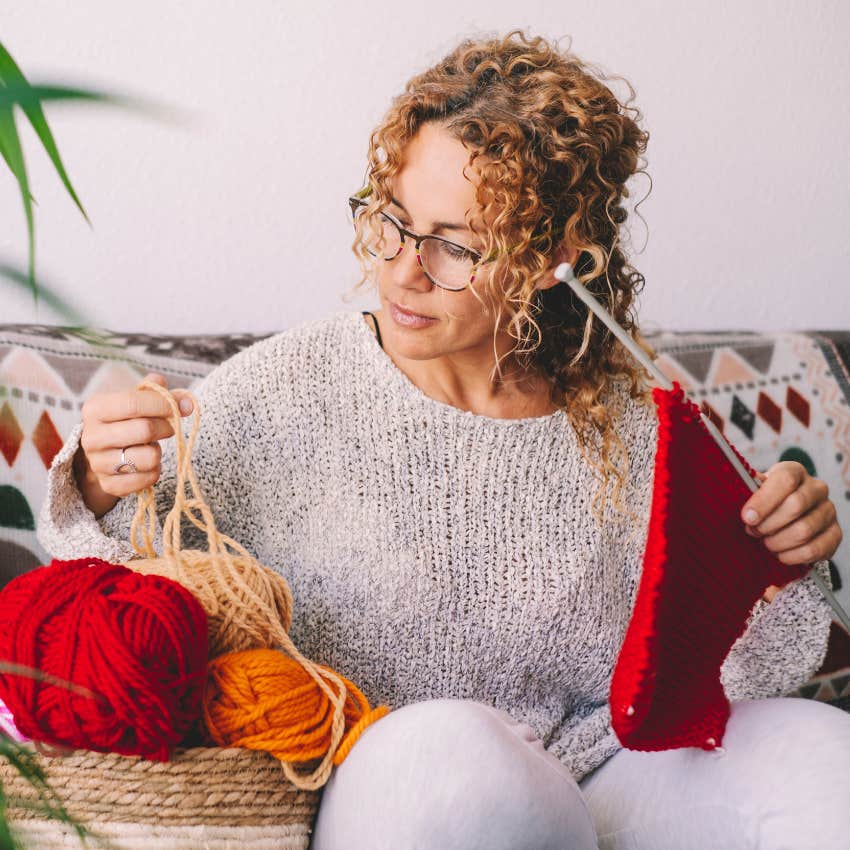
1. Crocheting and knitting
 simona pilolla 2 | Shutterstock
The art of using your hands for crafts like crocheting and knitting is underestimated. Not only does it get us off screens today, but for decades, it's helped people get out of their heads and to relieve stress.
It's practical, because it usually results in a piece of clothing or home decor that someone can use, but it's also mindful and calming.
2. Going outside without a plan
We severely underestimate the power of fresh air and going outside today. Whether it's unstructured play and adventure outside as children or going for a stroll outside as adults, these hobbies away from screens and stimulation protect our sense of peace.
In the 60s and 70s, it was second nature. Today, people struggle with making a ritual out of their time outside, and not in good ways. They need stimulation in headphones or to "work out" when, in reality, all their brains and bodies are asking for is less pressure.
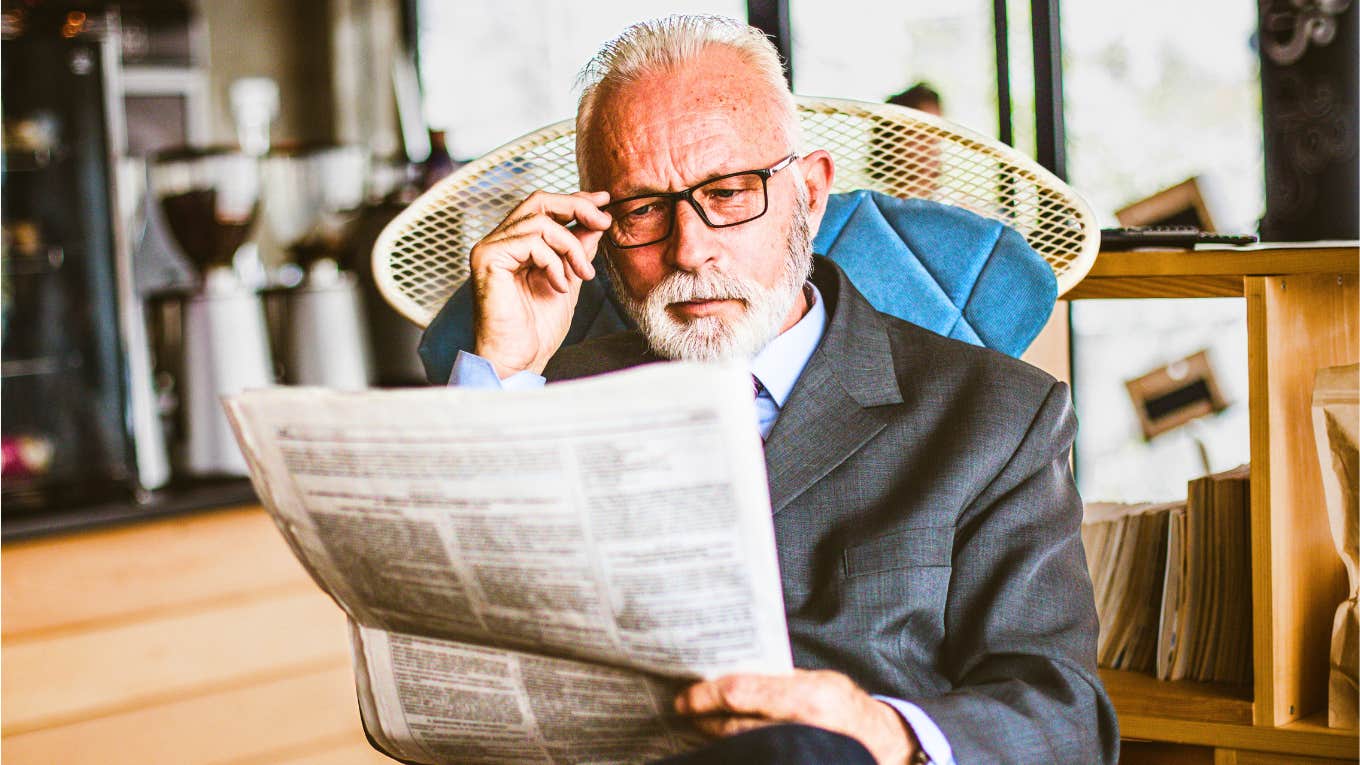
3. Reading the newspaper cover to cover
While Gen Zers today are experiencing all kinds of mental health concerns from media overload on their phones, there was something mindful about reading the newspaper cover to cover that helped protect people's peace. Yes, it was still filled with headlines and news stories, but it was intentional. You weren't fed anything you didn't choose to read.
We already know that reading tangible books and media adds years to our lives, but in the moment, it may also be important for relieving stress and looking after our mental health.
4. Making model cars and airplanes
In an era when watching YouTube videos on cars and seeing other people building rockets on social media wasn't around, many kids were fascinated by building models of their own. From planes to trains and cars, hands-on play and hobbies that urged people to build things were more than just entertainment.
Not only does working with and tending to things by hand promote better mental health, but it also, luckily, makes us happier.
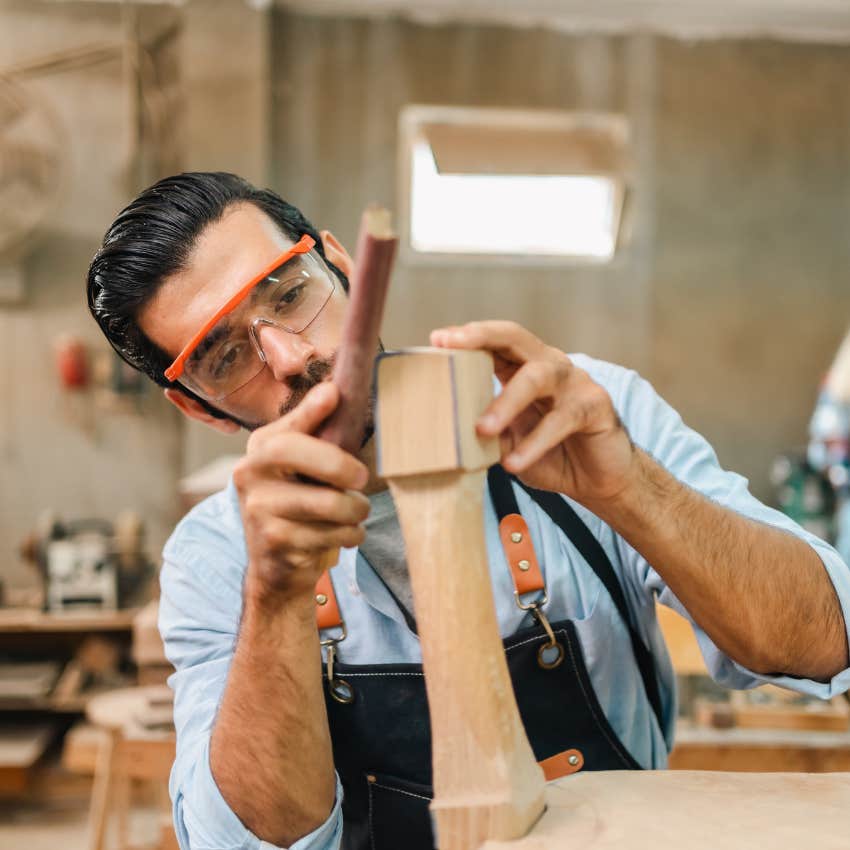
5. Woodworking
 Chokniti-Studio | Shutterstock
For many older generations, with a thoughtful mentality around consumption and restoration, old-school hobbies like woodworking were just as much of a practicality as a form of entertainment. Whether it was restoring furniture or fixing decor at home, going out into the garage or barn was a mindful part of the day.
The flow state of hands-on hobbies like this isn't just an escape from the world, but also an active way to reduce stress and prompt problem-solving skills that boost cognitive function. Compared to people who only find escapism in mindless entertainment on screens today, it's these kinds of hobbies in the 60s and 70s that actually protected people's peace and well-being.
6. Playing bridge
Even though all sorts of tangible board and card games are still around today, the culture of playing cards with friends and communities was entirely different just a few decades ago. From parents playing in bridge clubs to going down to the VFW for poker nights, card games were an essential part of anyone's hobbies.
While some of these events had a price tag, these were just one example of third spaces. This kind of accessible community helped people's well-being because they felt less alone and always had something to look forward to.
7. Reading catalogs
For practical people who sew and make their own clothing, reading and poring through catalogs was a source of inspiration. Without the constant flow and accessibility of the internet, going through catalogs and magazines was a hands-on approach that supported their creative process.
An appreciation for print media and newspapers may be coming back with Gen Zers ready for a digital detox, but for the most part, these kinds of catalogs, at least to the scale they were at in the 60s and 70s, are long gone.
8. Needlework
Needlework and embroidery, which often require patience and time to craft, seem like "grandma" hobbies that only our lovely older family members would be interested in. However, for Gen Zers, Gen Xers, and boomers alike, it's a hobby that's stuck around.
Hands-on crafts, whether they're needlework or collaging, boost general mental health and well-being. In many cases, they can even help people cope with loneliness and insecurity, even when they're doing arts and crafts alone at home. They seem simple and old-school, but they're even more important than we realize today.
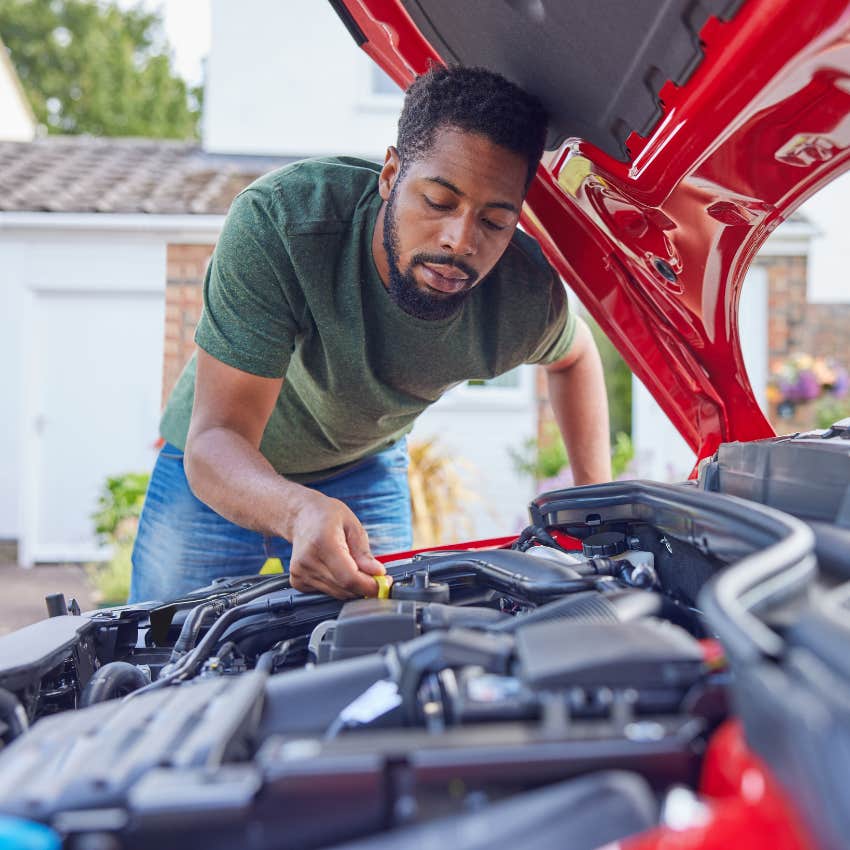
9. Working on cars
 Daisy Daisy | Shutterstock
An appreciation for classic cars. A hands-on mentality. A frugal mindset that prompted people to fix before replacing. All of these things played an essential role in crafting this old-fashioned hobby of working on cars.
Whether it was actually fixing and tinkering with a car they drove every day, or building one in the garage from scratch, you could always expect to find at least one person in the garage at home working on a car.
10. Collecting stamps and coins
Yes, analog letters and the intentionality of the mailing system are both important to Gen Zers trying to disconnect from their phones, but many are still confused about how to use and where to get stamps. They haven't spent their entire lives practicing the art of the post office. Some don't even know how to address a letter.
However, in the 60s and 70s, collecting stamps was a way of life for some people. It was an art form. It was memorabilia. Even if the stamps were never used, finding them and curating a way to preserve them was an intentional act of love.
Zayda Slabbekoorn is a senior editorial strategist with a bachelor's degree in social relations & policy and gender studies who focuses on psychology, relationships, self-help, and human interest stories.
