
People Who Remember Life Before The Internet Usually Share These 11 Outdated Habits
 Roman Nerud / Shutterstock
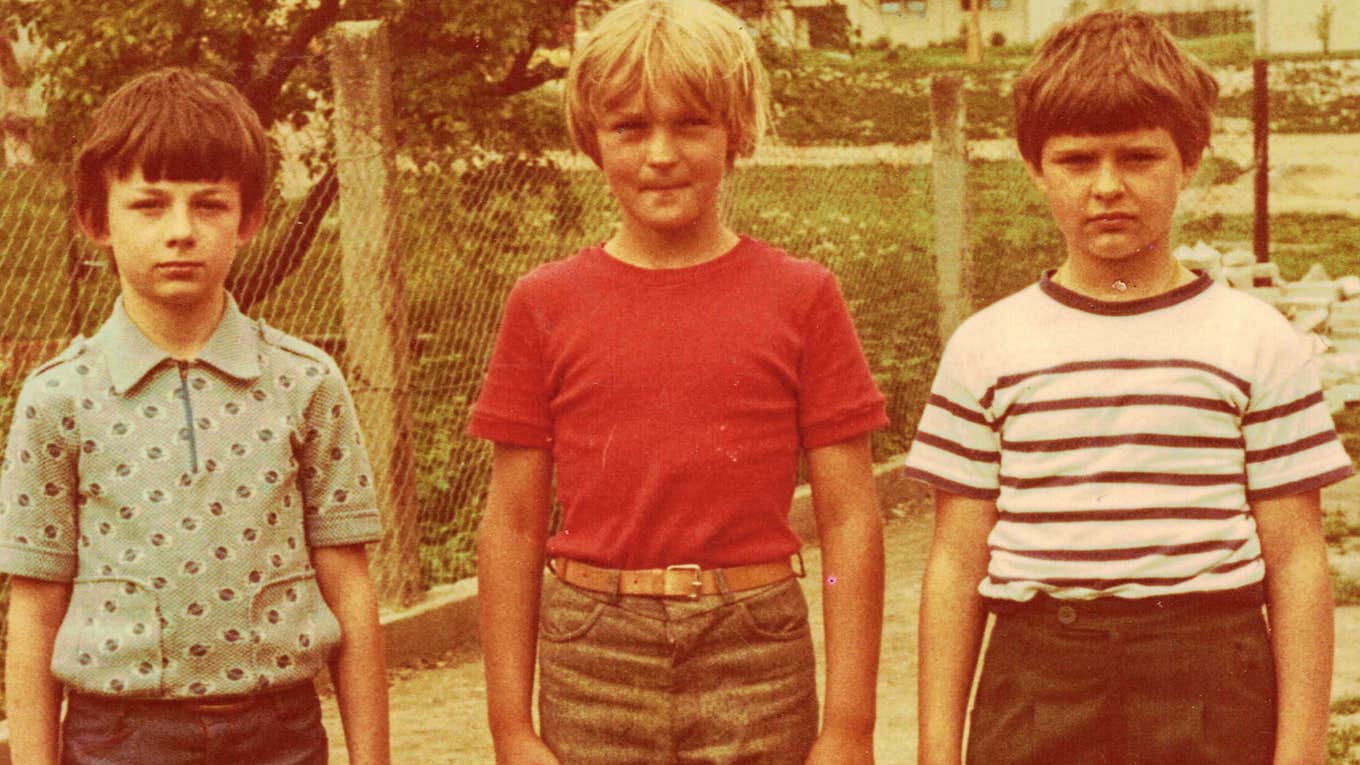
 Anyone who grew up before the internet remembers a world that moved a little differently. Information traveled more slowly, plans required more coordination, and daily life involved a surprising number of physical tools that younger generations rarely touch. None of those habits was unusual at the time. They were simply how things worked.
Even decades later, many people who lived through that transition still carry traces of those earlier routines. Technology may have replaced the original need, but the habits themselves often remain. Behavioral research shows that once a routine becomes automatic, it can persist long after the environment that created it disappears. That’s why people who remember life before the internet often share a handful of small, slightly outdated habits that younger adults sometimes find amusing.
People who remember life before the internet usually share these 11 outdated habits
1. They still memorize important phone numbers
 Tatiana_Pink / Shutterstock
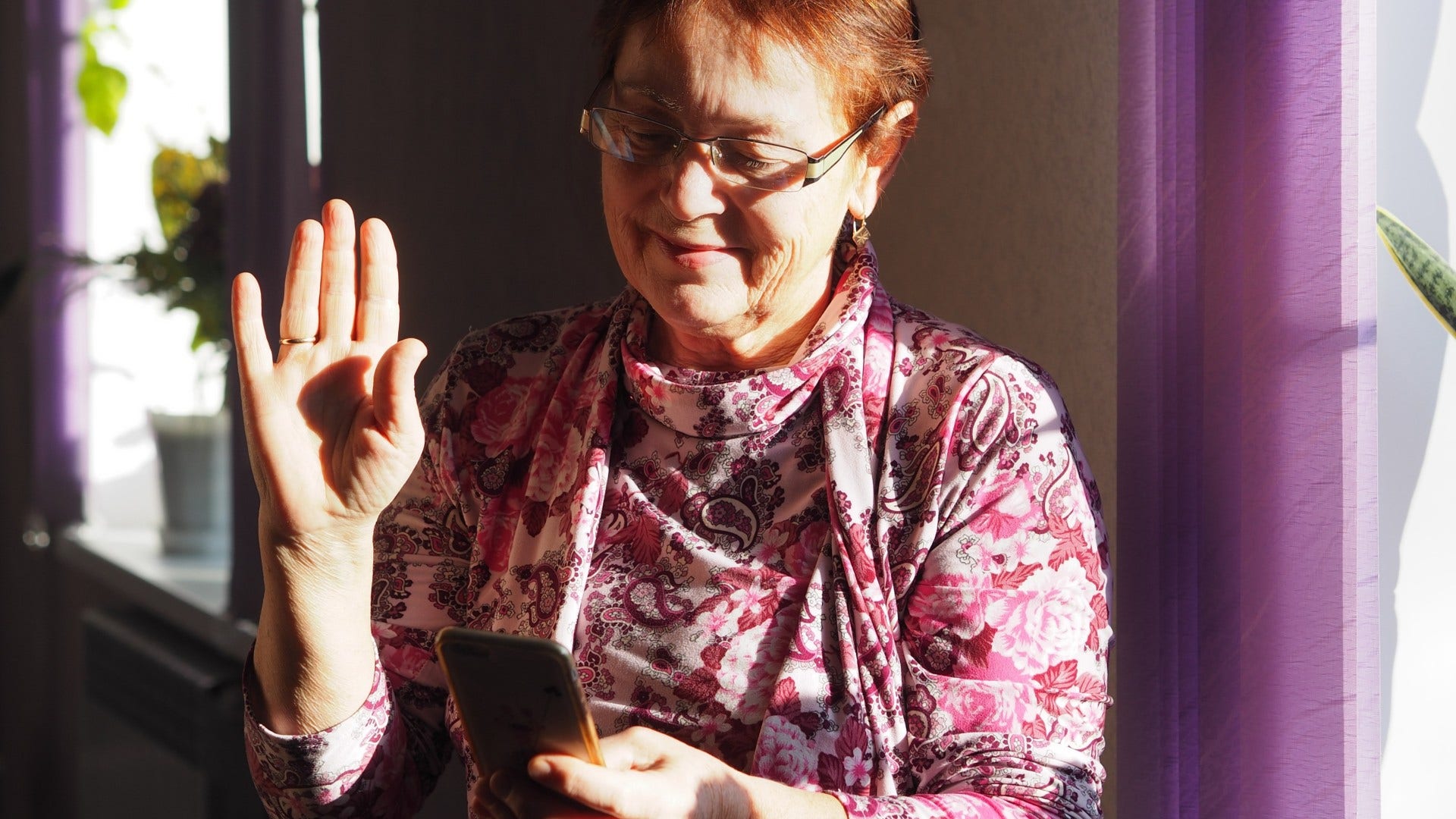
Before smartphones stored every contact automatically, remembering phone numbers was a basic life skill. People repeated numbers frequently enough that they became second nature.
Repeated recall strengthens long-term memory pathways, which is why many adults can still recite numbers from decades ago. Even though modern phones eliminate the need for memorization, the habit often lingers. People who grew up dialing numbers manually still feel slightly uneasy relying entirely on a device. Knowing a few numbers by heart feels like a small safety net.
2. They instinctively write things down on paper
 Srdjan Randjelovic / Shutterstock
For people raised before digital reminders, writing something down was the most reliable way to remember it. Grocery lists, phone messages, and appointment notes often lived on scraps of paper near the kitchen phone or inside a planner.
Physically writing information can improve retention compared with typing. Even in the age of apps and digital calendars, many adults still reach for a notebook. The act of writing feels clearer and more permanent. It creates a sense that the information truly exists somewhere outside the mind.
3. They print documents 'just in case'
 Pixel-Shot / Shutterstock
For anyone who once relied on physical paperwork, a digital file alone can feel strangely temporary. People who remember earlier office systems often prefer having a printed copy nearby.
Research on trust in digital storage shows that older users sometimes feel more secure when information exists in physical form. A printed page offers something tangible to reference. Even when it isn’t strictly necessary, it feels reassuring. Younger generations often skip printing entirely, but older habits can be difficult to abandon.
4. They double-check directions before leaving the house
 Rob Marmion / Shutterstock
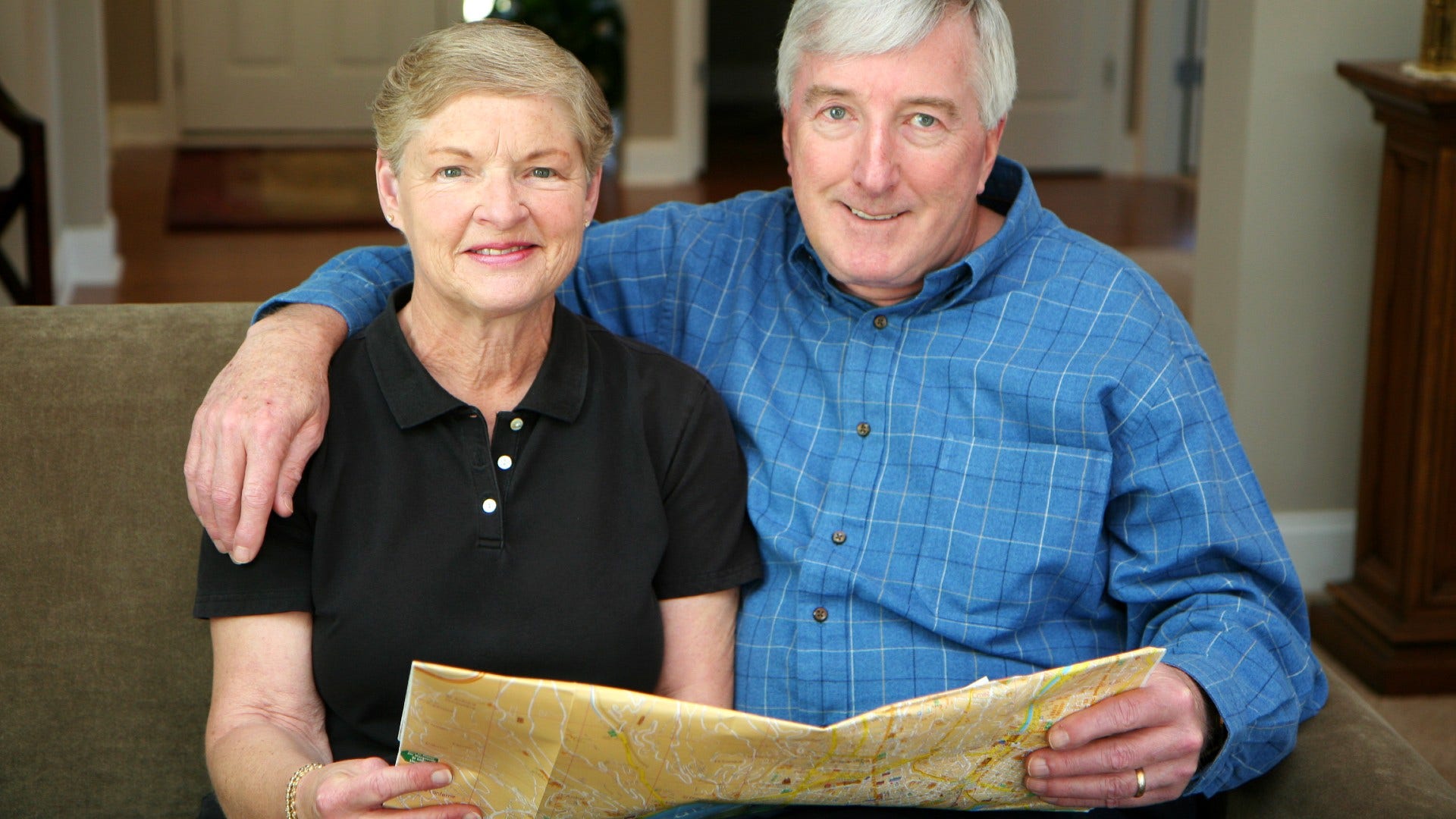
Before GPS apps guided every turn, people relied on paper maps, written directions, or memory. Taking a wrong exit could mean pulling over to reorient or stopping to ask for help.
Studies on spatial navigation suggest that individuals who learned to navigate without digital tools developed stronger mental maps of their surroundings. As a result, many adults who grew up in that era still review directions in advance. Even when GPS is available, they prefer knowing the general route. The habit reflects an earlier form of travel planning.
5. They expect plans to stay flexible
 GaudiLab / Shutterstock
In a world without constant texting, plans were often approximate rather than exact. People might agree to meet somewhere around a certain time and adjust as needed once everyone arrived.
Digital connectivity has dramatically increased expectations for real-time updates. For those who grew up before that shift, flexibility still feels normal. They don’t automatically assume that every detail will be confirmed minute by minute. The older rhythm of planning lingers quietly.
6. They feel uneasy relying entirely on technology
 David Gyung / Shutterstock
Anyone who experienced life before constant connectivity remembers how often technology once failed. Computers froze, dial-up connections dropped, and files sometimes disappeared unexpectedly.
As a result, many adults developed a habit of preparing backups. Early experiences with unreliable systems can shape long-term caution. Even today, some people feel more comfortable saving files in multiple places or keeping printed records. Redundancy feels responsible rather than excessive.
7. They’re comfortable being unreachable for a while
 insta_photos / Shutterstock
Before cell phones became universal, people regularly spent hours outside the house without any way to be contacted. This created a sense of personal space that younger generations may not experience as often.
Modern communication expectations can increase feelings of urgency and stress. People who remember the earlier era are often less bothered by delayed responses. Being temporarily unreachable still feels normal to them. The habit reflects a different relationship with time and availability.
8. They prefer face-to-face conversations for important topics
 Miljan Zivkovic / Shutterstock
Before email, texting, and messaging platforms, most meaningful discussions happened in person or over the phone. Direct conversation allows people to read tone, facial expression, and body language simultaneously.
Those cues make complex conversations easier to navigate. Adults who grew up relying on them often feel that digital communication misses something important. When a topic matters, they still prefer speaking directly. The habit reflects an earlier communication culture.
9. They read long-form information more comfortably
 Soloviova Liudmyla / Shutterstock
Growing up without constant digital notifications meant that attention was often focused on a single activity. Reading books, newspapers, or long articles required sustained concentration.
People who developed these habits before the rise of social media often retain a stronger tolerance for extended reading. They don’t automatically expect information to be condensed into short clips or summaries. Long explanations feel normal rather than exhausting.
10. They keep physical keepsakes
 DukiPh / Shutterstock
Photographs, letters, ticket stubs, and postcards once served as tangible records of life events. Digital photos now live mostly on phones or cloud storage. Yet many adults who remember earlier traditions still hold onto physical mementos.
Tangible objects often trigger stronger emotional memories than digital images alone. These items act as anchors to earlier experiences. Keeping them feels meaningful rather than cluttered.
11. They sometimes pause before trusting information online
 Antonio Guillem / Shutterstock
Before search engines, verifying information required libraries, textbooks, or trusted experts. Because access to information was slower, people often learned to question sources carefully.
Individuals who experienced both pre-Internet and Internet eras sometimes approach online claims with a bit more caution. They remember how easy it was for rumors to spread even before social media existed. That memory encourages a moment of skepticism. Pausing to question information feels responsible rather than inconvenient.
Sloane Bradshaw is a writer and essayist who frequently contributes to YourTango.
