
Grandparents Who Don’t Like How Their Grandkids Are Being Raised Are Usually Most Annoyed By These 11 So-Called Mistakes
 spaxiax / Shutterstock
 Every generation has chosen to raise its kids differently. While one generation practically ignored their kids, others are hyper-focused on guarding them. As a result, grandparents who don't like how their grandkids are being raised usually get annoyed by many of their kids' so-called mistakes.
Because of their vastly different upbringing, some grandparents don't believe in the 'modern way' of parenting. From scoffing at the idea of not disciplining their kids to believing that some kids are better seen than heard, a select few grandparents have different ideas of what constitutes good parenting. And while everyone is entitled to their opinion, these parenting 'mistakes' aren't as bad as older generations make them out to be.
Grandparents who don't like how their grandkids are being raised are usually most annoyed by these 11 so-called mistakes
1. Allowing too much screen time
 Andrii lemelianenko | Shutterstock
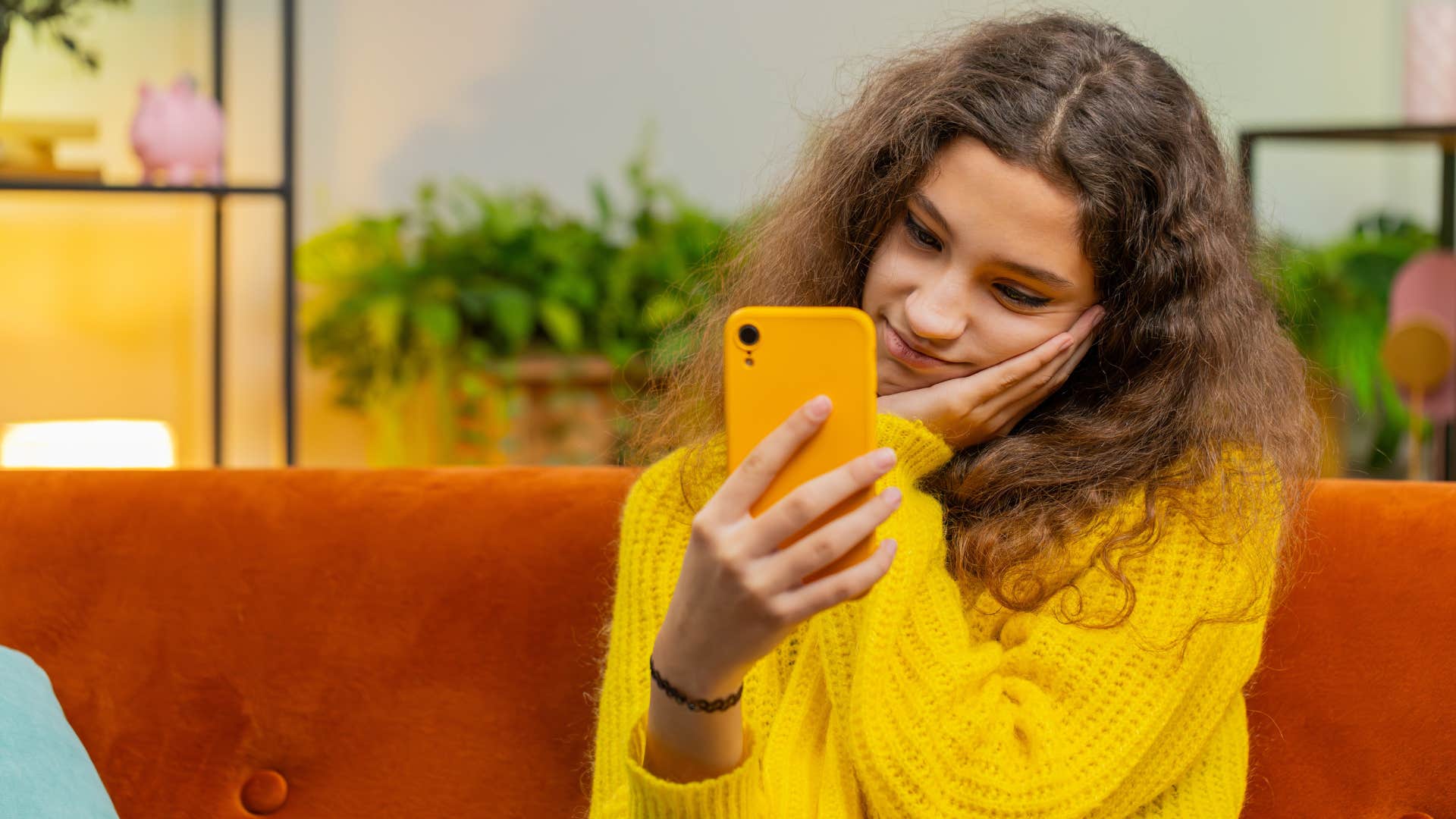
Grandparents who don't like how their grandkids are being raised are usually annoyed by too much screen time. Nowadays, every parent and grandparent has an opinion on screen time. From people who utilize it daily to those who avoid it like the plague, the divide between the two sides is massive. Even so, screen time isn't as black-and-white as some grandparents make it out to be.
As CHOC pointed out, "While the impact of unfettered access is negative, there are circumstances when screen time can help a child learn certain skills. And a little time on a device can actually help improve a child’s mental health." So, just because a child is on the iPad doesn't mean it's too much screen time. So long as parents follow the guidelines, screen time can be a useful tool for learning and entertainment.
2. Refusing to use physical discipline
 Pixel-Shot | Shutterstock
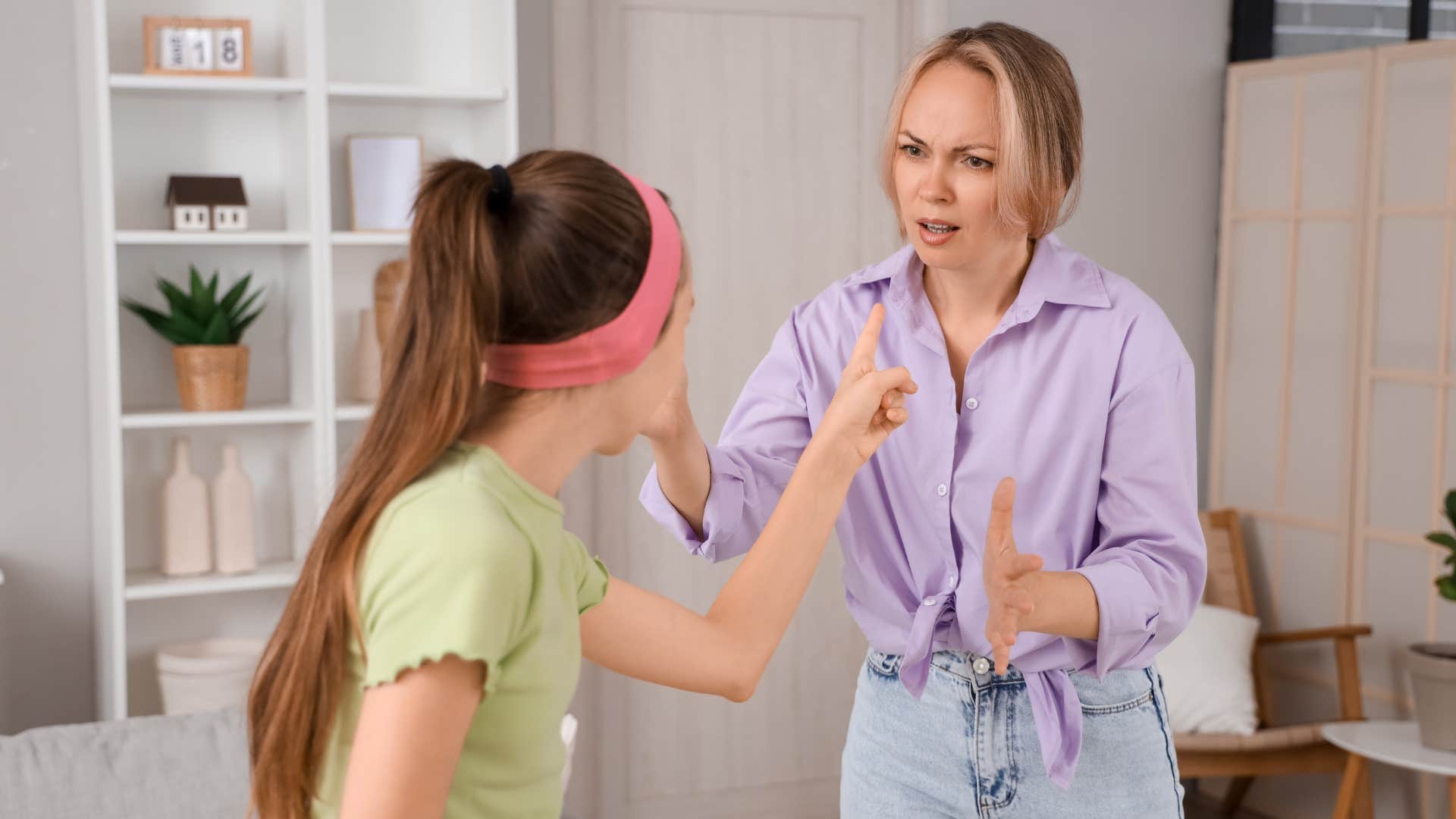
Another debate that's sure to cause an argument is how parents should discipline their children. Some people in older generations believe the younger generation has become too soft. This is probably why grandparents who don't like how their grandkids are being raised are usually most annoyed by the lack of physical discipline.
Rolling their eyes, they claim that a good physical discipline should set them straight. And while kids should have consequences, hitting isn't as effective as people believe. As researchers from NYU noted, "In line with findings from high-income countries, physical punishment is linked to behavior and health problems, poor academic outcomes, and impaired social-emotional development." While grandparents might not agree, researchers will tell parents to avoid physical discipline whenever possible.
3. Acting like friends instead of parents
 DimaBerlin | Shutterstock
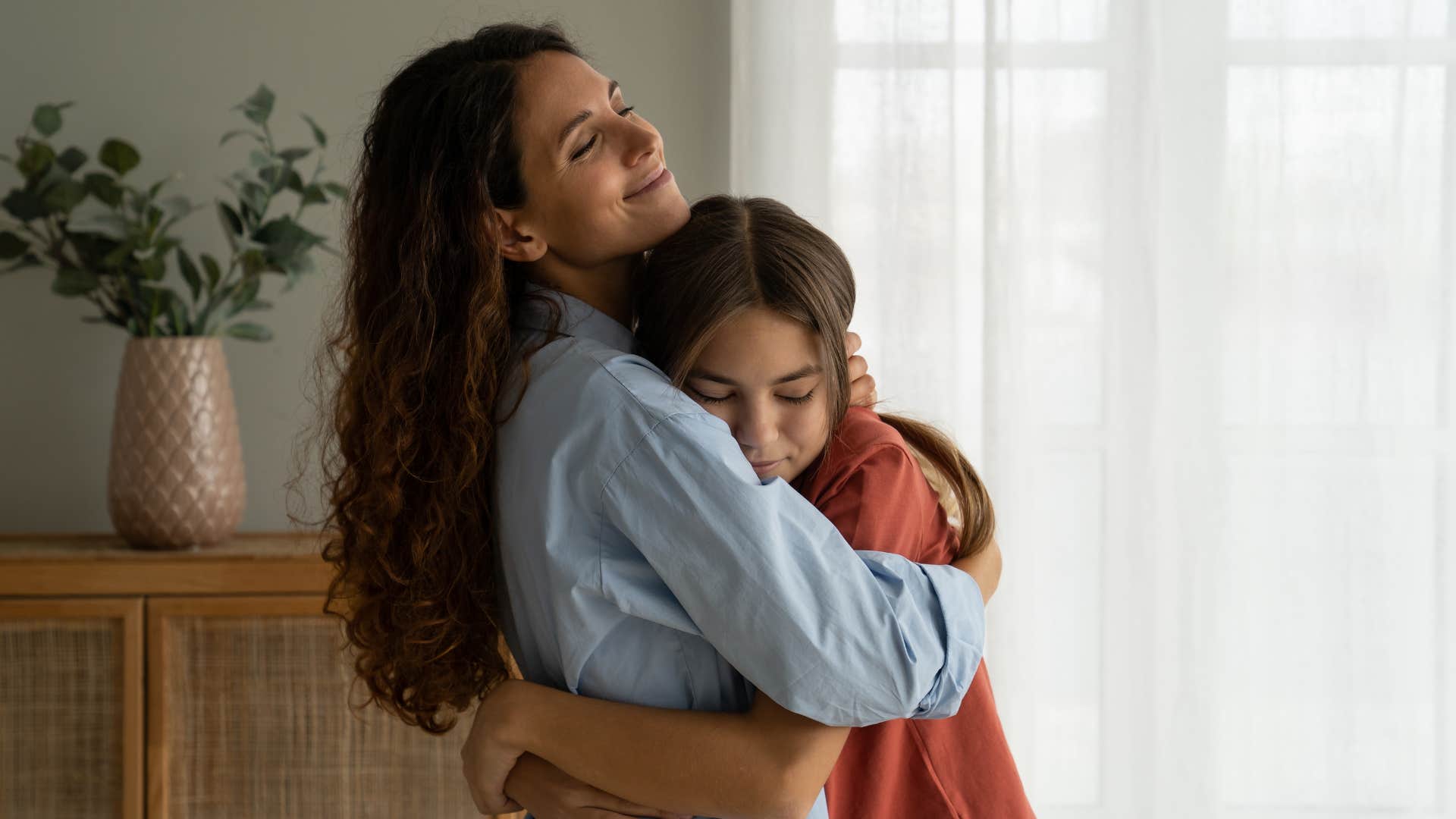
The idea of parents nowadays lacking strictness is nothing new. As most new parents know, they're constantly criticized for being too soft with their friends. Scoffing at their gentle tone, grandparents who don't like how their grandkids are being raised are usually most annoyed by parents acting like friends instead of parents. Now, as much as we criticize the older generations, they have a point here.
Sure, it's great to be understanding and fair. However, there's a difference between this and acting like their friend. For parents who act like their child's friend, they're terrified of upsetting their child or setting rules. Wanting only the best parenting has to offer, they focus on the good and ignore the less appealing aspects of raising a kid. This is why it's crucial to have balance. It's hard, but knowing where to set those lines will help parents raise resilient children.
4. Not teaching traditional manners
 Andrii lemelianenko | Shutterstock
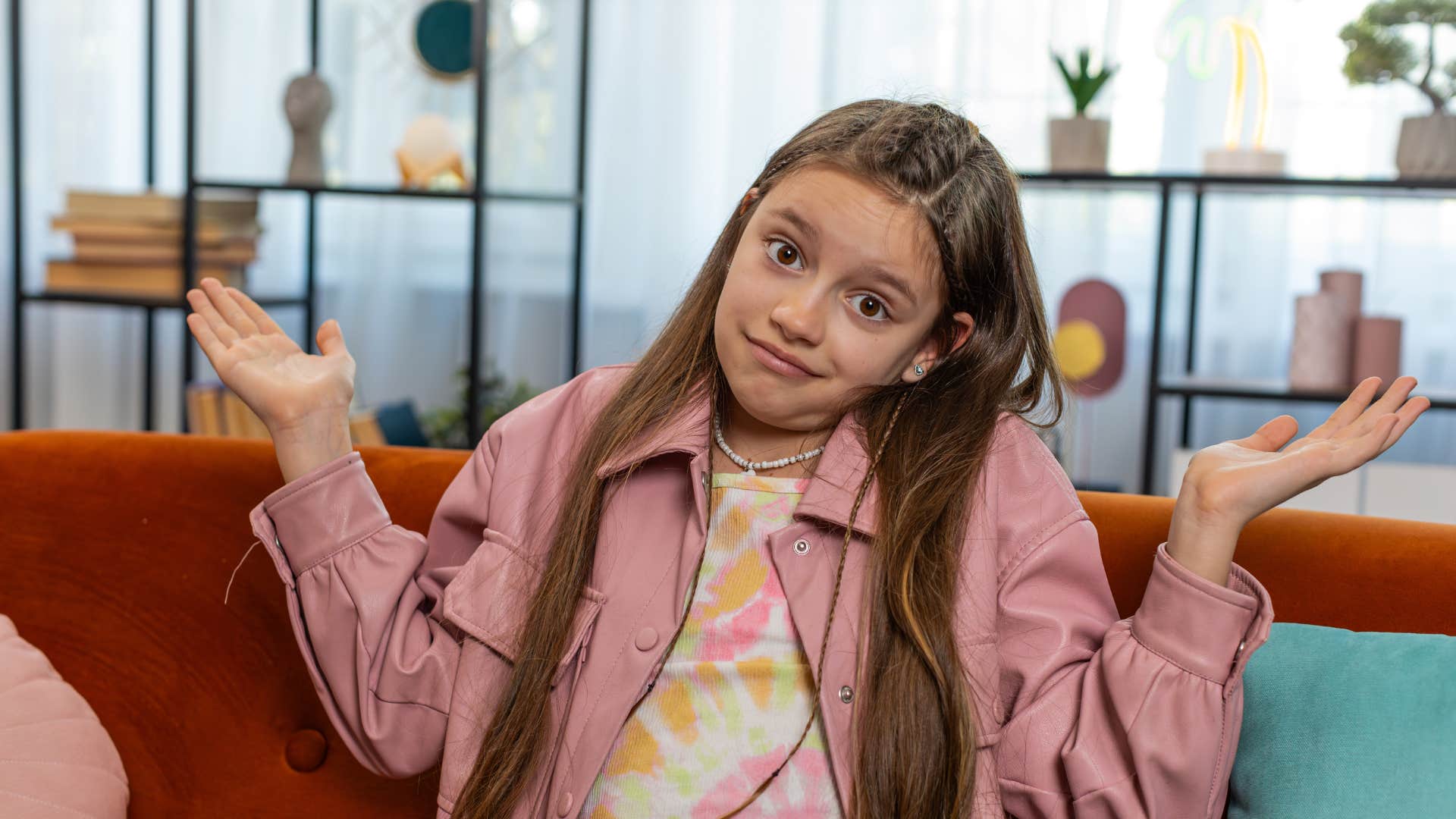
Growing up, many kids were taught the same old traditional manners. Always help someone in need, hug your family members, and never disrespect someone older than you. When the world was a less dangerous place, these rules made sense. However, things have changed since then, and because of this, parents have become less strict on what some would consider must-have manners.
Of course, these parents are completely valid in switching things up; however, this doesn't matter to some, as grandparents who don't like how their grandkids are being raised are usually annoyed by parents refusing to teach their children traditional manners. In their eyes, there's never an excuse for a child not listen to an adult. Believing in age superiority, they believe that children should do what they're told. And while doing what you're told sounds ideal, in some cases, it can lead to dangerous situations. This is why parents teach their kids to think and advocate for themselves.
5. Making non-traditional education choices
 VH-studio | Shutterstock
Once upon a time, school systems were fairly straightforward. However, over time, people began to notice that public schools weren't teaching their kids everything they needed to know. As a result, parents decided to enroll their kids in non-traditional schools that better meet their needs. And while parents did what they thought was best for their family, not everyone in it approves.
Grandparents who don't like how their grandkids are being raised are usually most annoyed by non-traditional education choices. They don't believe in things like Montessori schools. Thinking of it as a waste of time and money, they may nag parents that these 'newer schools are making kids soft.' However, research published in PNAS shows that by the end of kindergarten, the Montessori group outperformed the other group. So, while it may be a new way of learning, new doesn't always mean bad.
6. Letting their kids voice their opinions
 DimaBerlin | Shutterstock
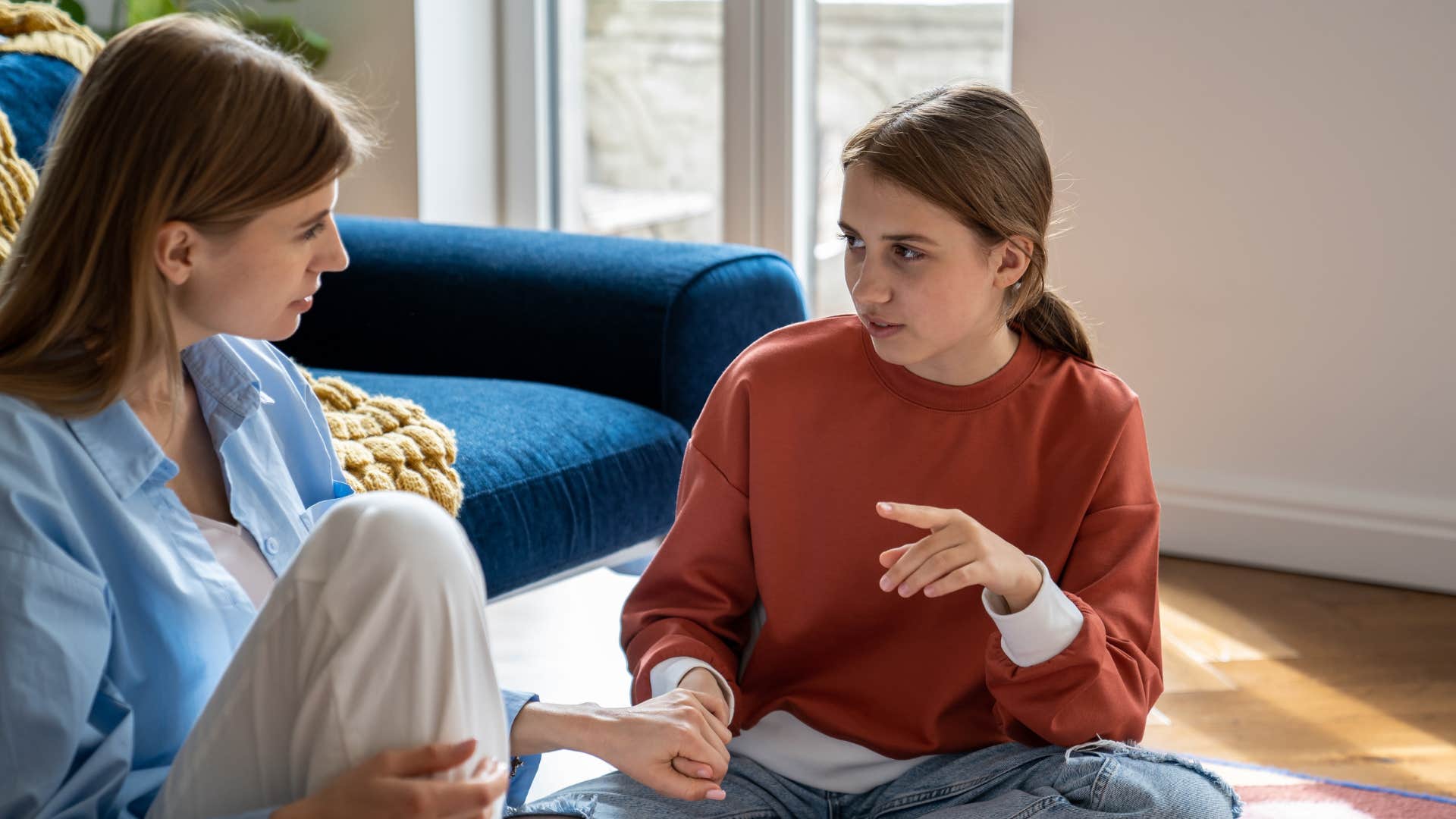
Back in the day, children weren't allowed to have an opinion. From what they ate to what they wore, everything was controlled by their parent. This is why grandparents who don't like how their grandkids are being raised are usually most annoyed by letting kids voice their opinions. In their eyes, kids are supposed to blindly obey and not have a say. It doesn't matter how much they whine or plead.
Because they're the adult, their opinion overrides their child's feelings. Yet, parents have come a long way since then. Understanding that their child is a human being, parents do their best to ensure that their child has a voice.
7. Placing less emphasis on religion
 Irene Miller | Shutterstock
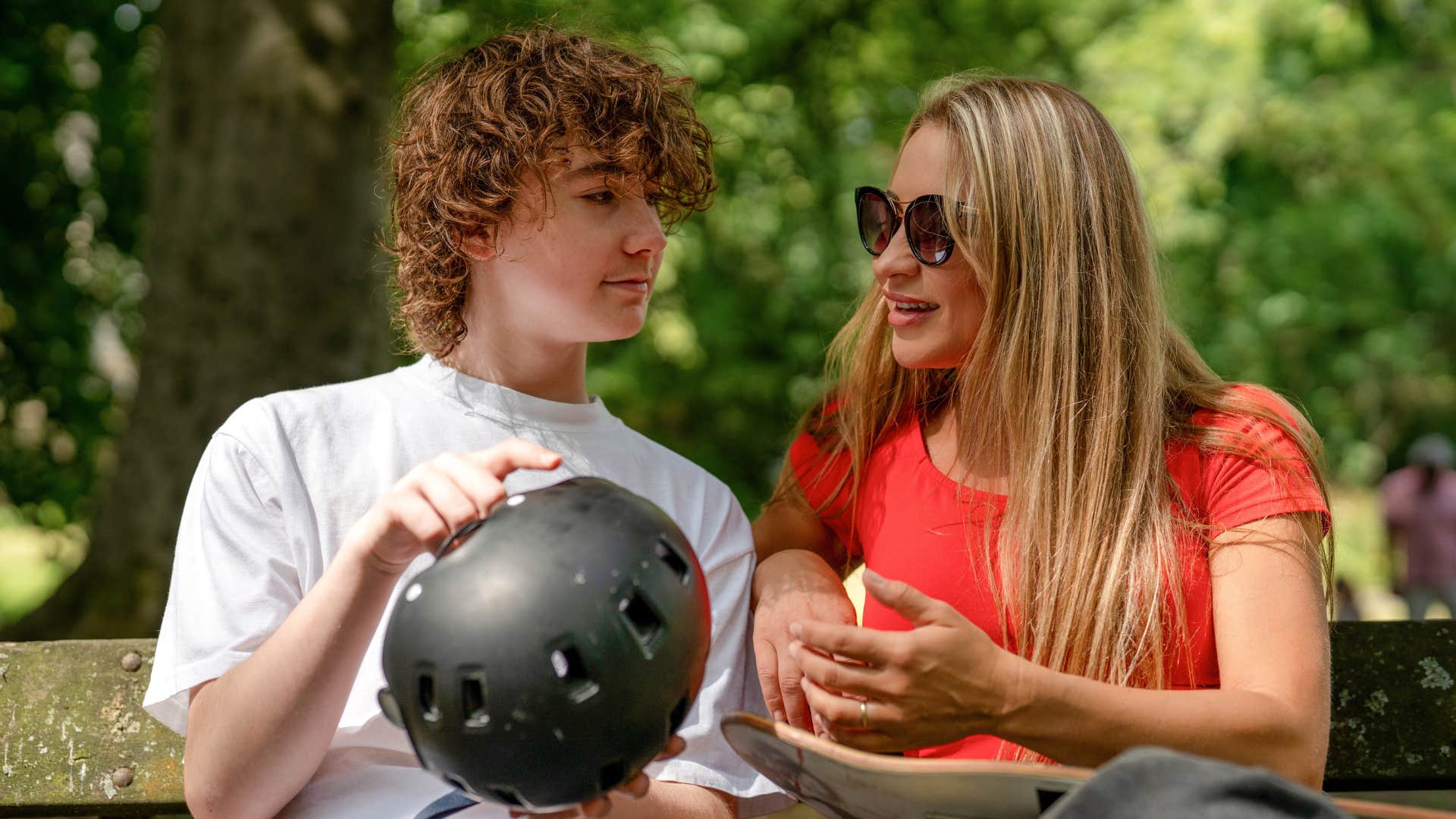
In the past, parents insisted that their children be raised religiously. From Bible study classes to Sunday school, many parents didn't play the game of letting their child figure out their own religion later in life. That said, as time has passed, religion has taken a back seat. While it may sound hard to believe, according to the Pew Research Center, 46% of parents say their children pray at night, 43% say grace before meals, 43% read religious stories, and 25% talk to their children about religion very often.
Compared to how things were before, most grandparents would agree that this is a huge downfall. This is why grandparents who don't like how their grandkids are being raised are usually most annoyed by less emphasis on religion. Since they know it's going out of style, grandparents are quick to become frustrated if their children don't follow the same religious rules they had when they were growing up.
8. Explaining instead of saying no
 Miljan Zivkovic | Shutterstock
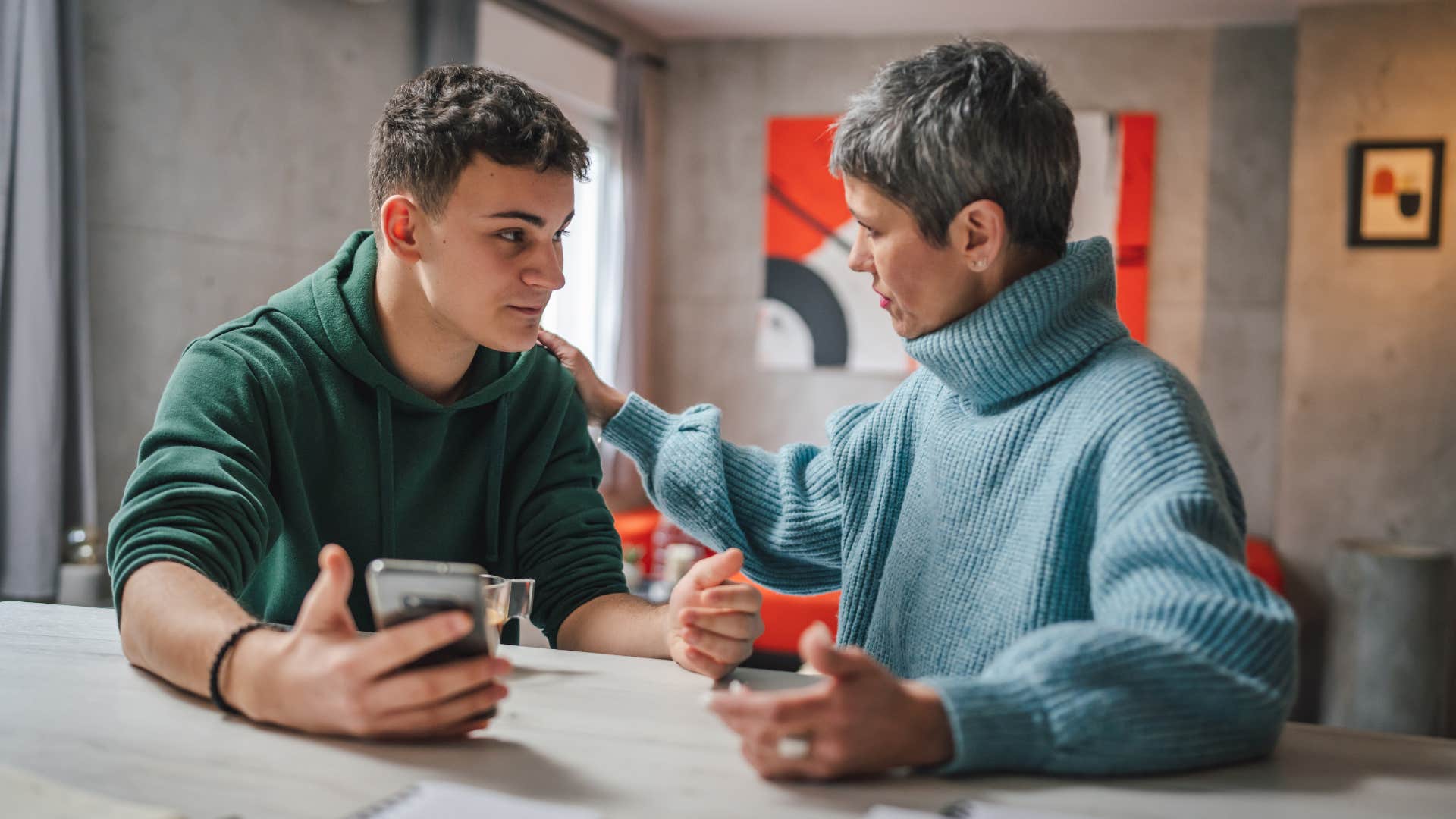
Once upon a time, parents didn't allow their kids to hear their explanation. Fixing them with a glare, they'd say the infamous "Because I said so" line. At the time, it felt right because parents were older and were expected to be respected and listened to. However, this new age of parents has a different perspective, which is why grandparents who don't like how their grandkids are being raised are usually most annoyed when parents explain rather than say no.
It shouldn't be that big of a deal. Yet, in their eyes, they can't believe that parents would waste their time. Viewing it as disrespectful, they might scold their kids for allowing their children to 'walk all over them.' However, parents are raising their kids with a different mindset. Viewing them as equals, they feel that just as anyone else deserves an explanation, so should children.
9. Not expecting kids to do many chores
 shurkin_son | Shutterstock
Everyone growing up was expected to do chores. From mopping the floors to cleaning the dishes, chores were just another part of everyday life. Sure, they weren't the funnest thing to do. At the moment, most of us were probably annoyed. However, these chores taught us valuable life skills, which is why many of us are more self-reliant as adults. That said, grandparents who don't like how their grandkids are being raised are usually most annoyed when they don't expect kids to do many chores.
Now, grandparents are right that doing chores is beneficial. According to clinical psychologist Corinne Masur, Psy.D., "Chores are important for building children's self-confidence and a sense of competence and self-efficacy." That being said, there is such a thing as doing too many chores. While cleaning their room and dishes won't hurt them, being in charge of an entire house is a different story. This is why parents refuse to give their children too many chores and always ensure the chores they do are reasonable.
10. Not making their kids show affection when they don't want to
 Mladen Mitrinovic | Shutterstock
Everyone remembers growing up and being made to be affectionate to family, right? Whether it was a peck on the cheek for their grandma or a hug for their aunt, most kids weren't given a say in how they showed affection. Thankfully, parents have changed the game since then.
Wanting to teach their kids the importance of bodily autonomy, they instill in them that they're allowed to say no. Grandparents might not agree with that sentiment, but there's no denying that forcing kids to accept things that make them uncomfortable makes them more susceptible to harm.
11. Allowing kids to be emotional in public
 MAYA LAB | Shutterstock
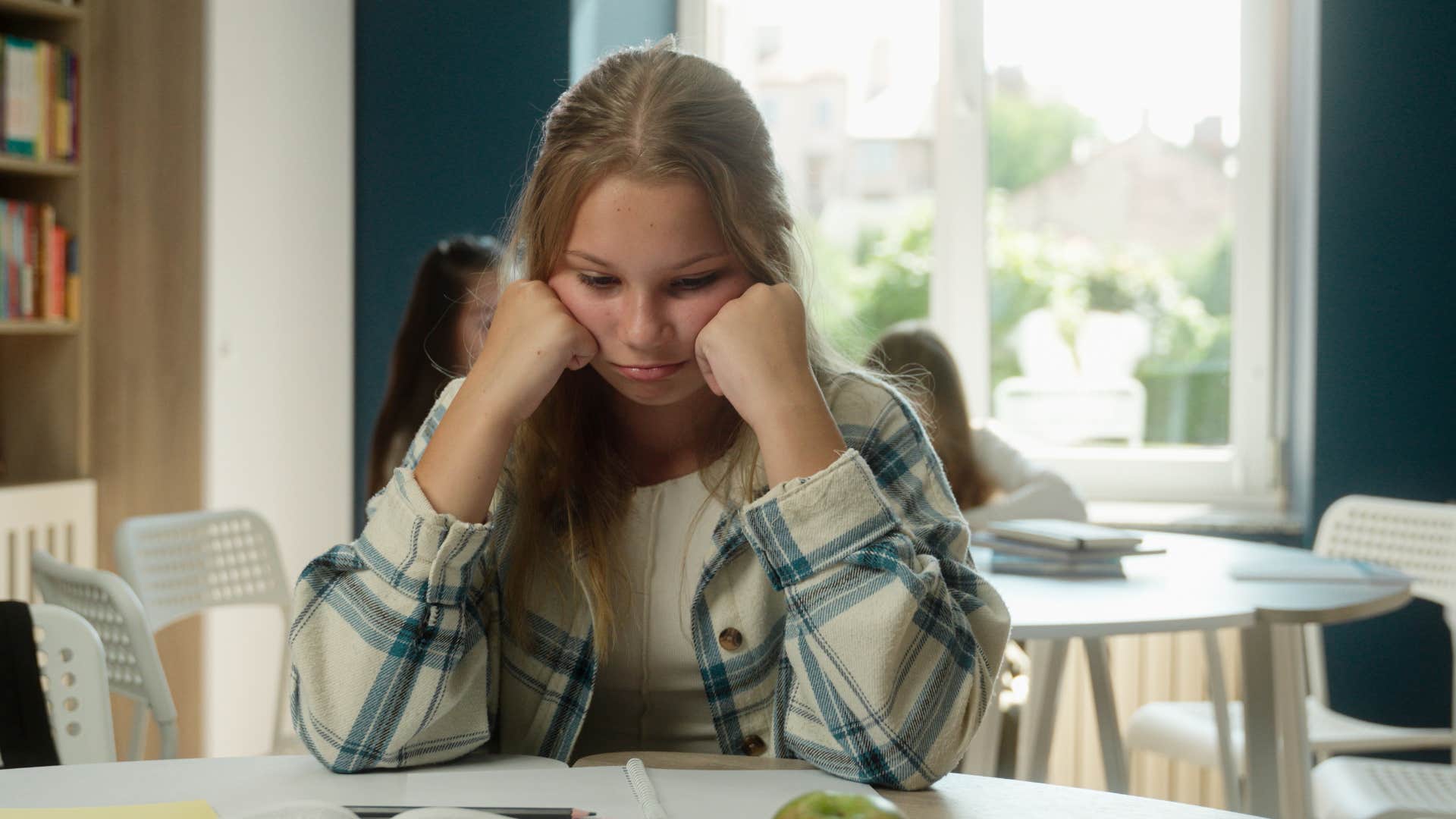
Finally, grandparents who don't like how their grandkids are being raised are usually most annoyed by kids being emotional in public. Let's face it, reputation is important. Despite what some may think, people care a great deal about what others think of them. According to a YouGov survey, around 48% of Americans self-identify as people pleasers.
This is why many parents used to get so angry when their kids cried in public. Viewing it as a huge inconvenience, they would harshly scold or even physically punish their children. It wasn't right, but in their mind, reputation mattered the most. Thankfully, modern-day parents don't care as much.
Even if it's uncomfortable, they'd rather their kid cry in public than hit them or break their trust. Now, does this mean let them do whatever they want? No. However, guiding a child out of the store and working through it doesn't make them bad parents. It just means they have more emotional maturity than their parents give them credit for.
Marielisa Reyes is a writer with a bachelor's degree in psychology who covers self-help, relationships, career, and family topics.
