
People Who Haven’t Printed A Photo In 10 Years Usually Have These 11 Things In Their Homes
 stockfour / Shutterstock
 Some people haven’t printed a photo in years, and they’re perfectly fine with that. Their memories live on phones, in shared albums, or backed up to the cloud. They don’t feel the need to hold pictures in their hands to remember what mattered. For them, access matters more than tangibility. Technology has changed how memory is stored and revisited, and many homes now reflect that shift. Research on digital behavior shows that convenience and efficiency strongly influence how people manage personal archives.
People who haven’t printed photos in a decade often approach their living spaces with that same mindset. Their homes tend to be flexible, functional, and immediate. The atmosphere feels current and adaptable rather than archival.
People who haven’t printed a photo in 10 years usually have these 11 things in their homes
1. Minimal wall décor
 Jirawatfoto / Shutterstock
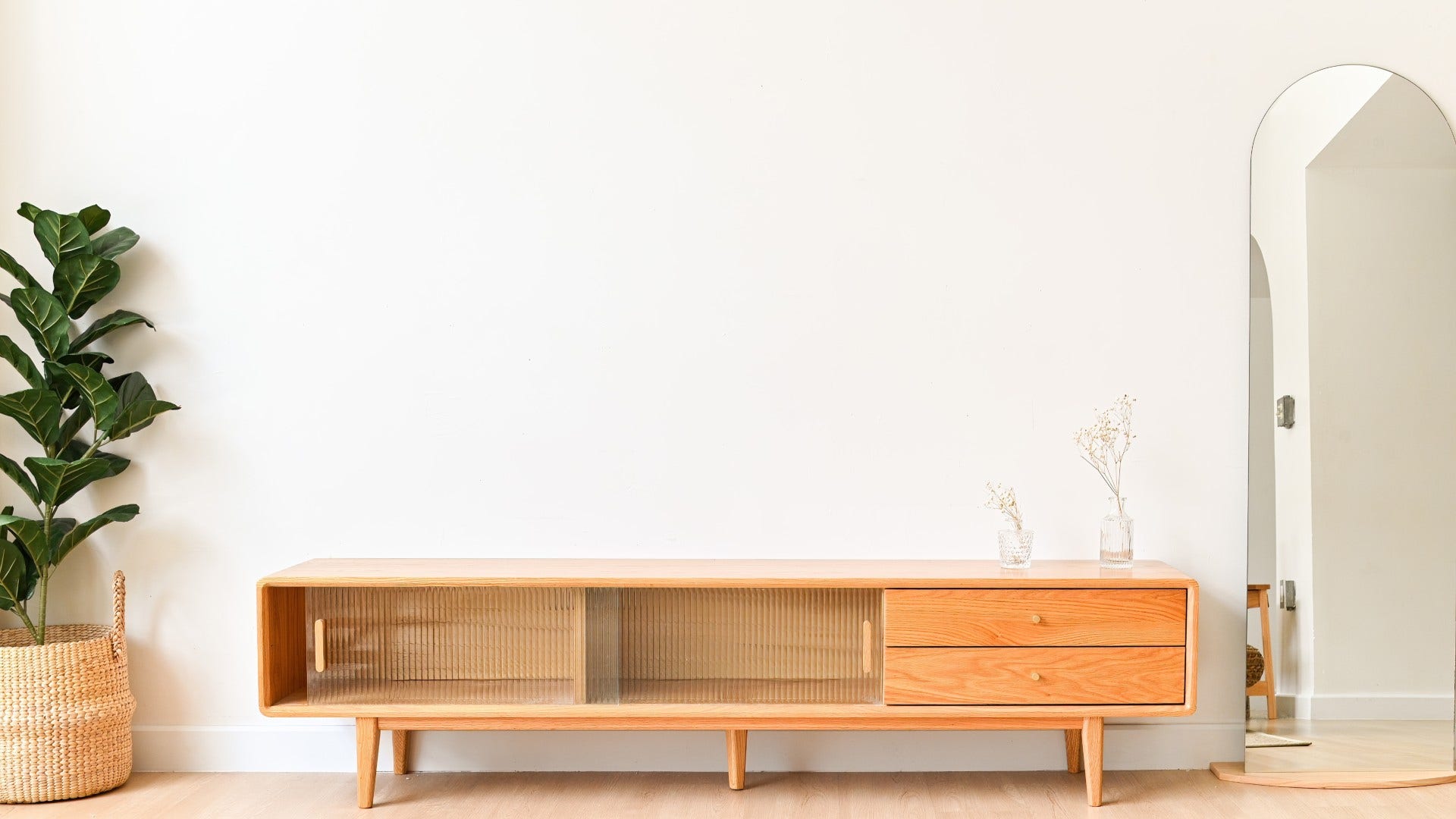
Homes like this often have clean, open walls. Artwork may be abstract, modern, or intentionally sparse. Personal photos rarely dominate shared spaces. The design feels intentional rather than nostalgic.
Visual simplicity can reduce cognitive load and create a sense of calm. Blank space feels purposeful rather than empty. The home often emphasizes visual breathing room.
2. Smart displays and digital frames
 Stock 4you / Shutterstock
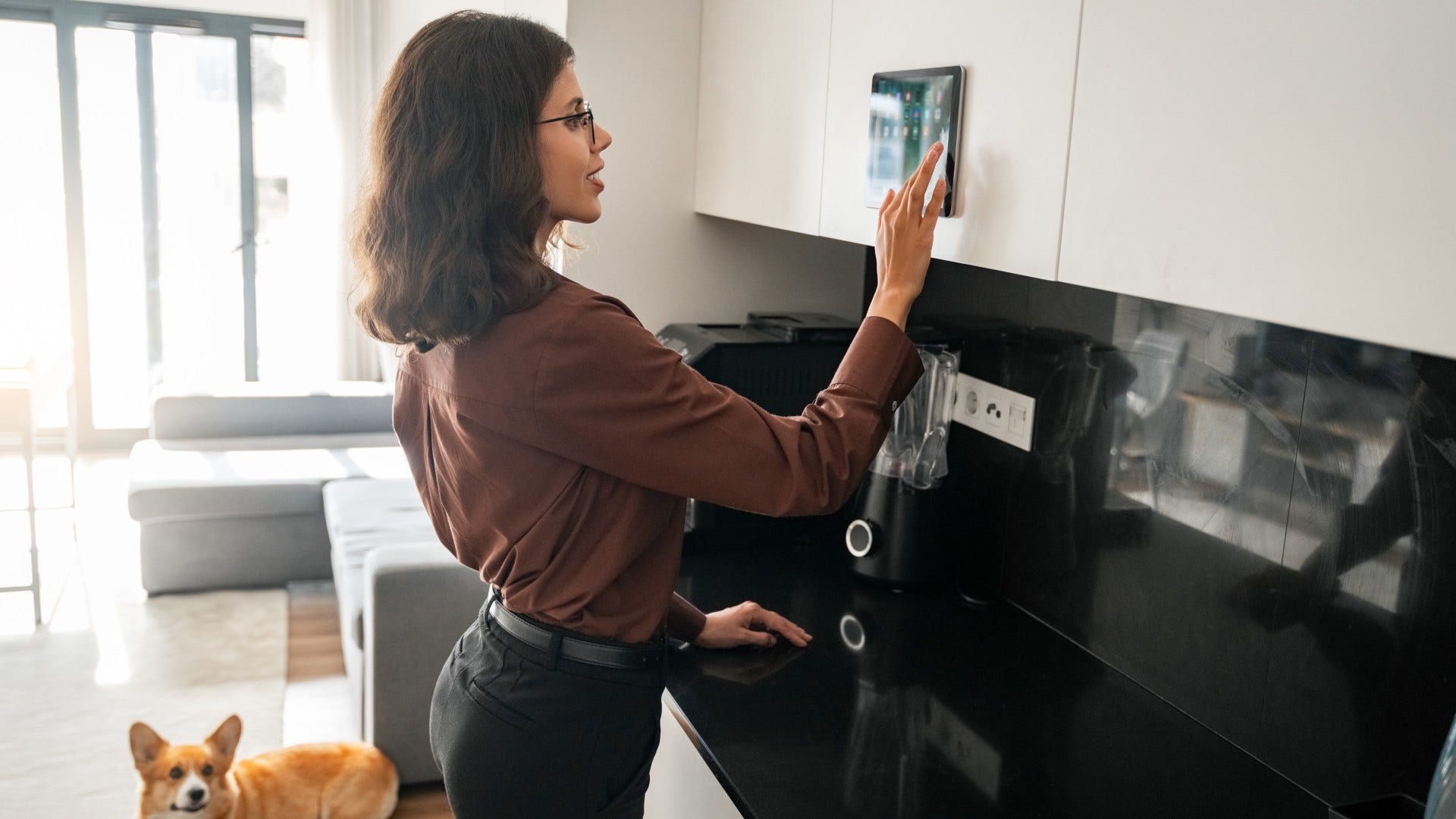
Instead of printed albums, memories rotate through screens. Smart displays may sit in kitchens or living rooms, cycling through hundreds of stored images. The collection is expansive and constantly updating. This allows for variety without permanence.
Digital storage supports the idea that memories are fluid and accessible at any moment. There’s comfort in knowing nothing is lost. The experience feels dynamic rather than fixed.
3. Sleek storage solutions
 Pixel-Shot / Shutterstock
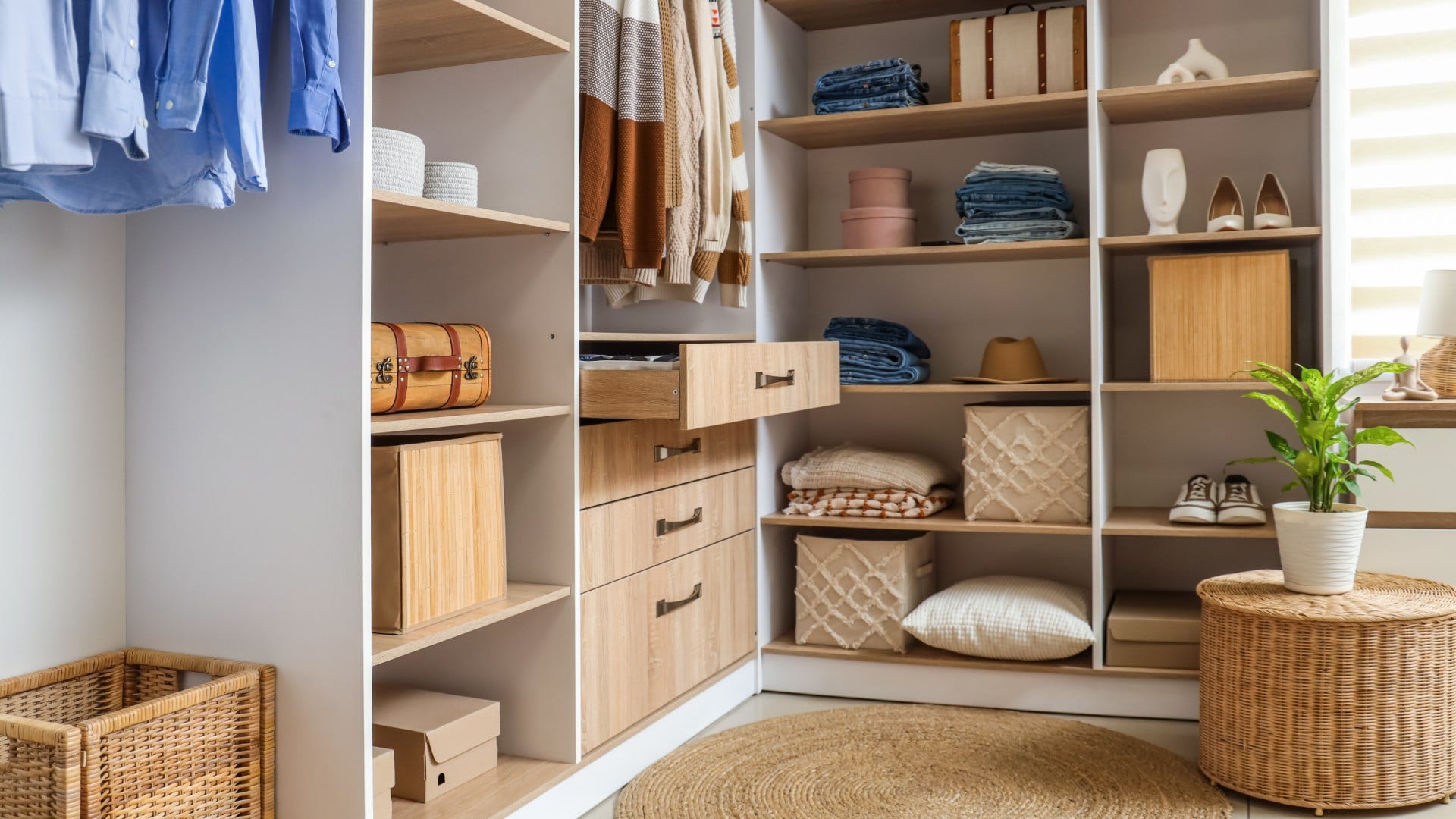
Closets and shelves are often organized with efficiency in mind. Storage bins are labeled, streamlined, and often concealed. Clutter is minimized wherever possible.
Visual order contributes to perceived productivity. There’s less attachment to paper piles or memorabilia. Items are kept for utility rather than sentiment alone. The environment supports movement and flexibility.
4. Multipurpose furniture
 Pixel-Shot / Shutterstock
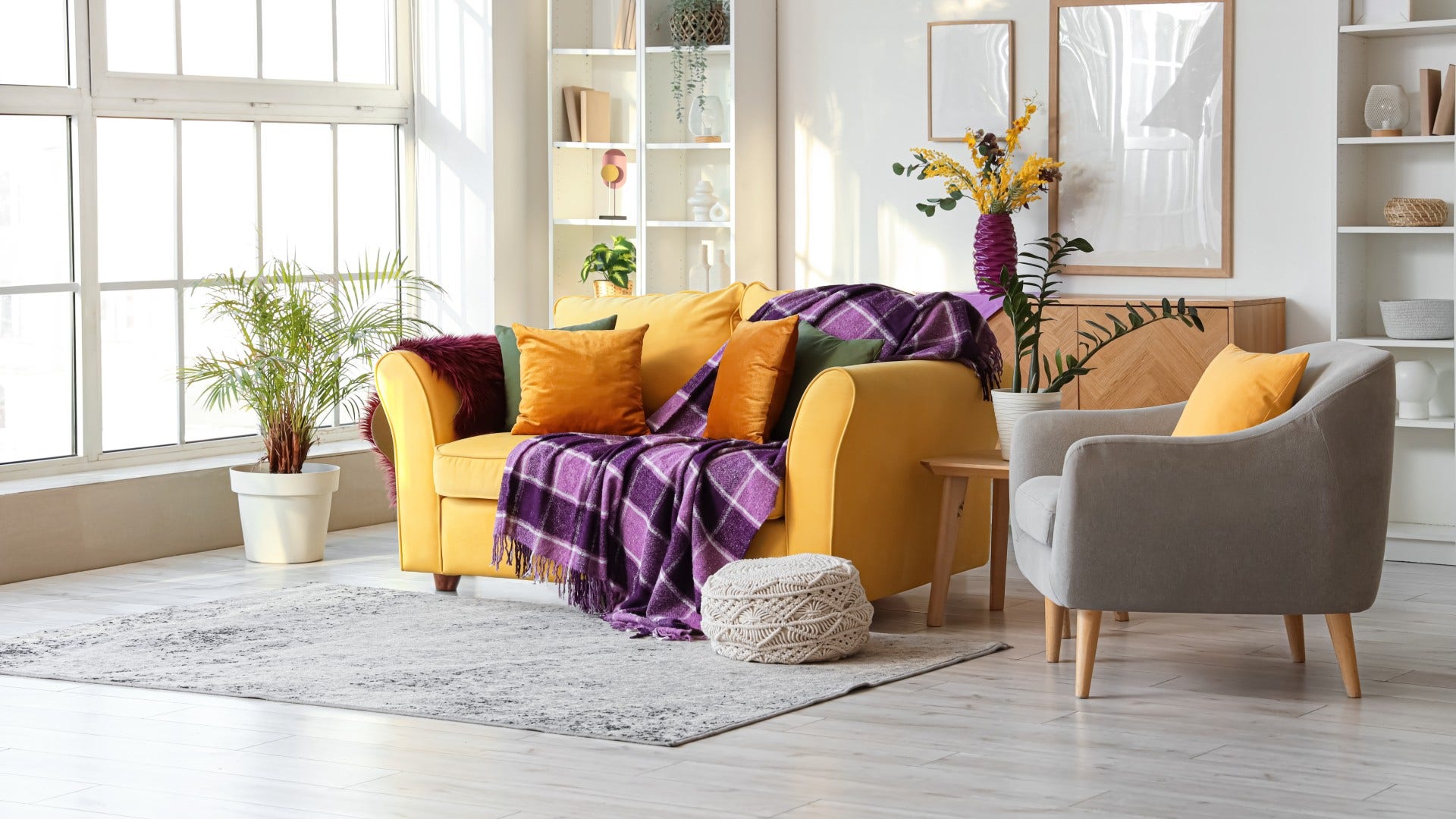
Furniture often serves more than one function. A coffee table might double as storage, or a guest room might function as a workspace. The layout adapts to changing needs.
Flexibility matters more than tradition. Homes are arranged to accommodate evolving routines. The space feels responsive rather than rooted. Efficiency guides design decisions.
5. Fewer physical keepsakes
 Prathankarnpap / Shutterstock
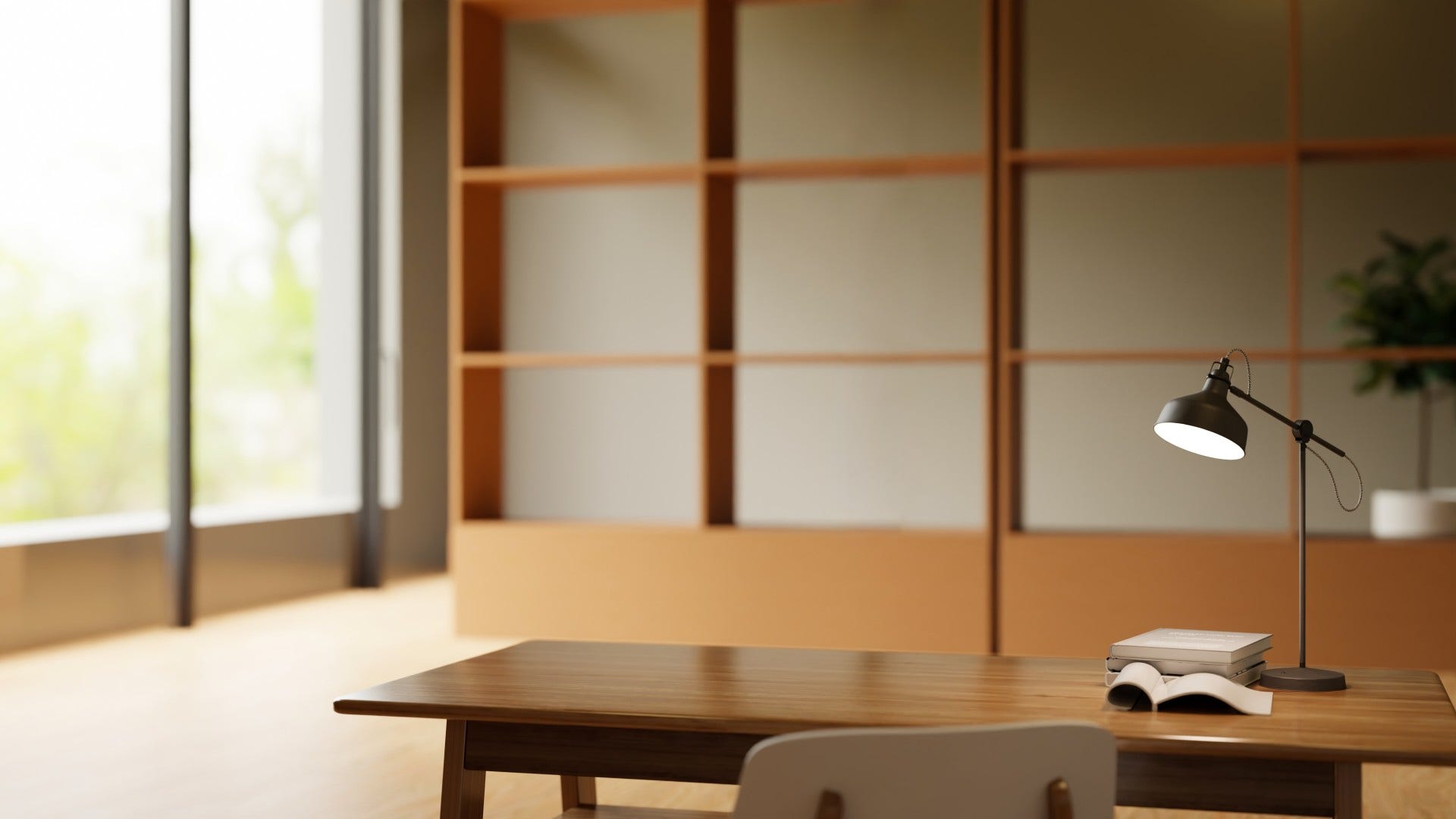
Ticket stubs, old cards, and printed mementos are rarely stacked in drawers. Meaningful items may exist, but they’re selective rather than extensive. Digital equivalents often replace physical reminders.
Photos of keepsakes may be stored instead of the items themselves. Memory becomes something documented rather than held. This reduces physical accumulation. The home feels lighter as a result.
6. A strong Wi-Fi presence
 JLco Julia Amaral / Shutterstock
Connectivity is central to daily life. Work, entertainment, and communication flow through digital channels. High-speed internet is prioritized over physical archives. Technology feels integrated rather than intrusive.
The home supports constant access to information and connection. Memories are one click away. Convenience shapes the atmosphere.
7. A focus on experiences over objects
 Sven Hansche / Shutterstock
Many people who don’t print photos invest more in doing than keeping. Travel, dining, and shared activities often take precedence over preserving physical artifacts. Experiences are documented digitally and revisited through screens.
Experiential purchases increase long-term satisfaction. The home reflects current life more than past chapters. There’s emphasis on what’s happening now.
8. A neutral, contemporary aesthetic
 Followtheflow / Shutterstock
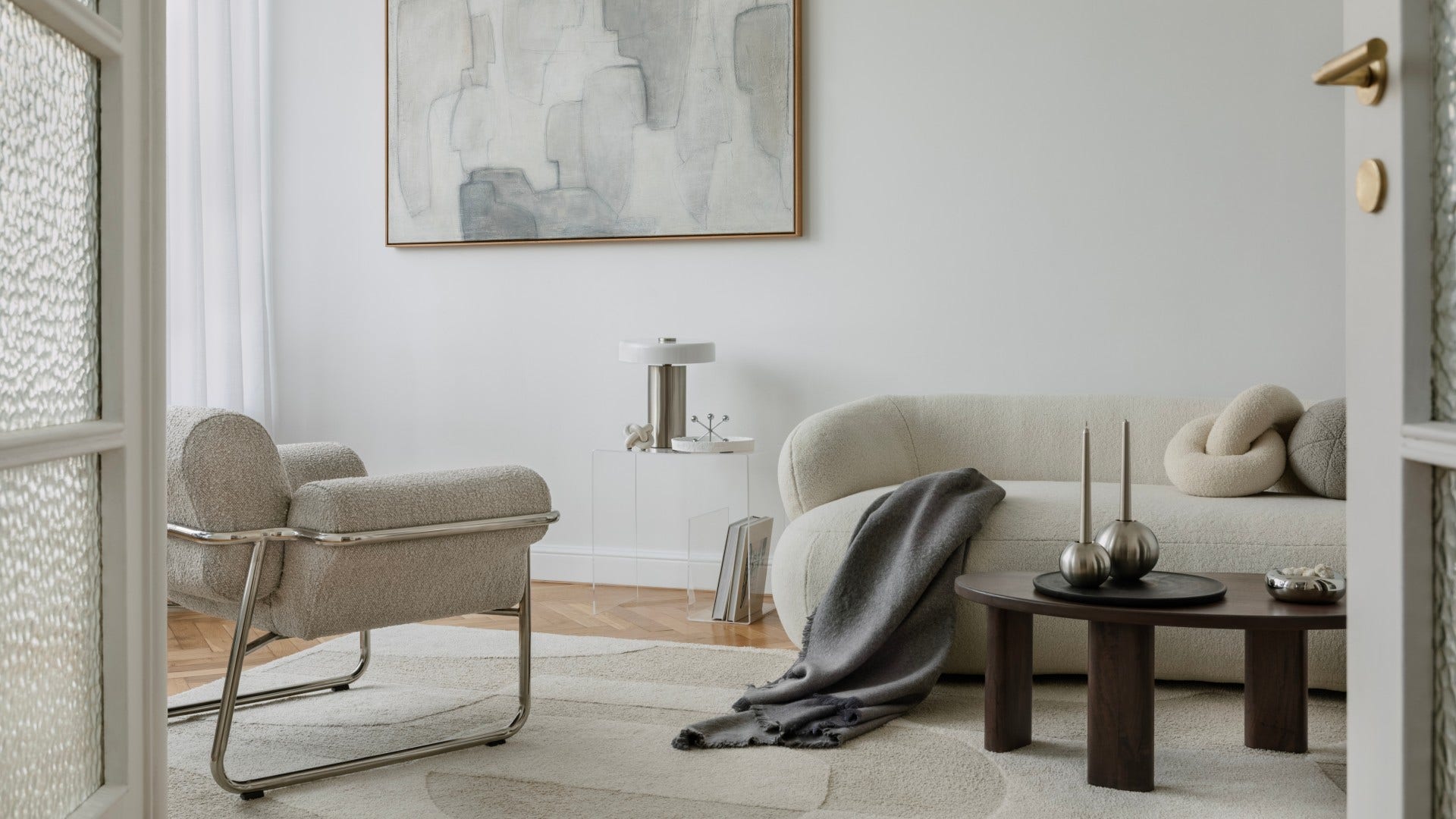
Their favorite color palettes often lean toward neutral, modern tones. Trends may influence design more than tradition. The décor feels current rather than layered across decades.
Updating elements of the space happens easily. Visual refresh feels natural. The home evolves quickly alongside personal tastes. Style keeps pace with the present.
9. Compact filing systems
 Naypong Studio / Shutterstock
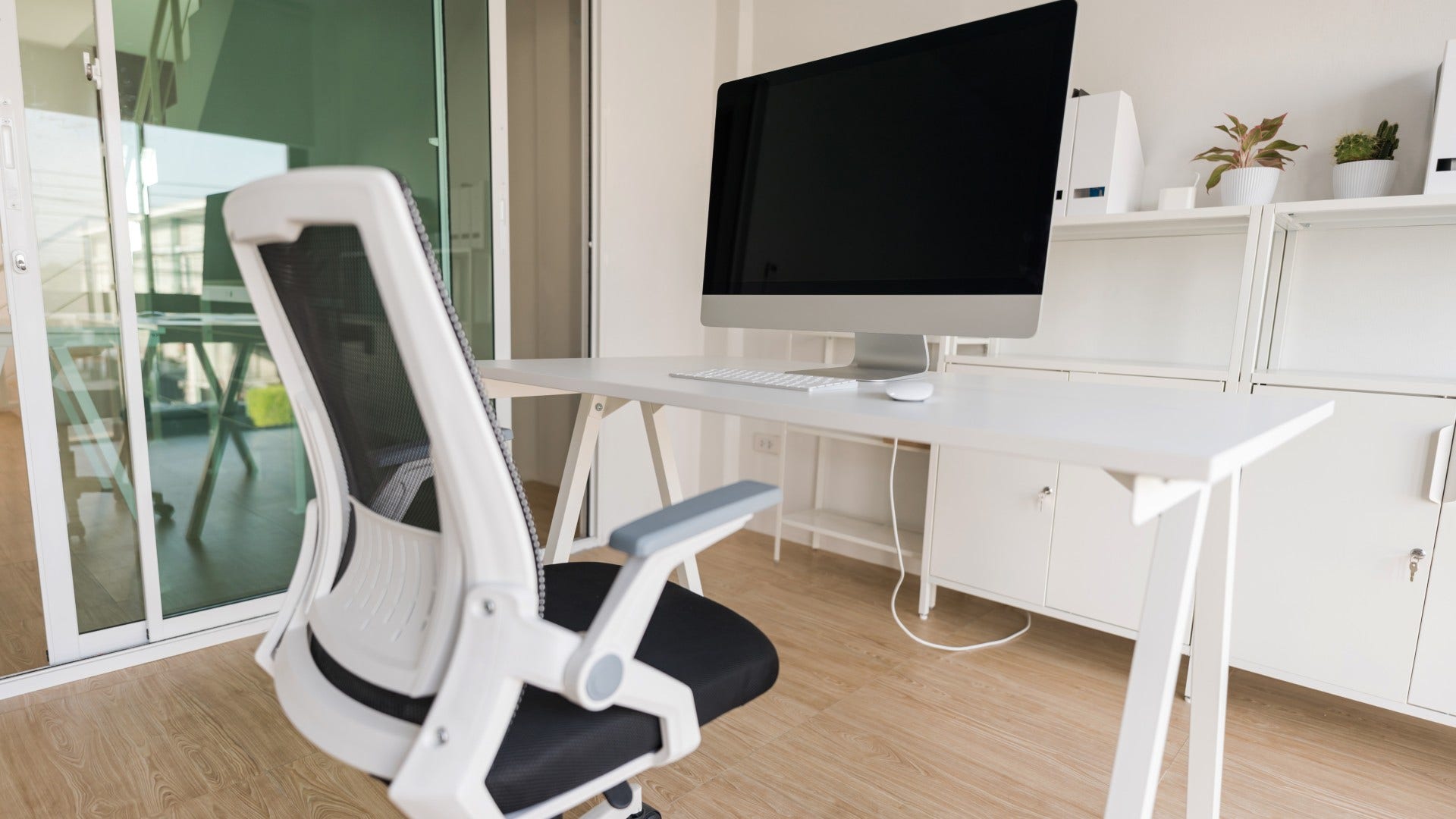
Important documents are often scanned and stored electronically. Physical filing cabinets may be small or nonexistent. Paper trails are minimized.
Digital organization systems replace thick binders. Searching for a document happens through a device rather than a drawer. This reinforces efficiency. Physical archives feel unnecessary.
10. Frequent tech upgrades
 leungchopan / Shutterstock
Devices are replaced or updated regularly. The latest phone or tablet supports daily routines. Technology is always evolving. Homes reflect that forward momentum.
Outdated equipment rarely lingers. Staying current feels practical rather than indulgent. The environment moves with innovation.
11. A sense of present-focused living
 Antonio Guillem / Shutterstock
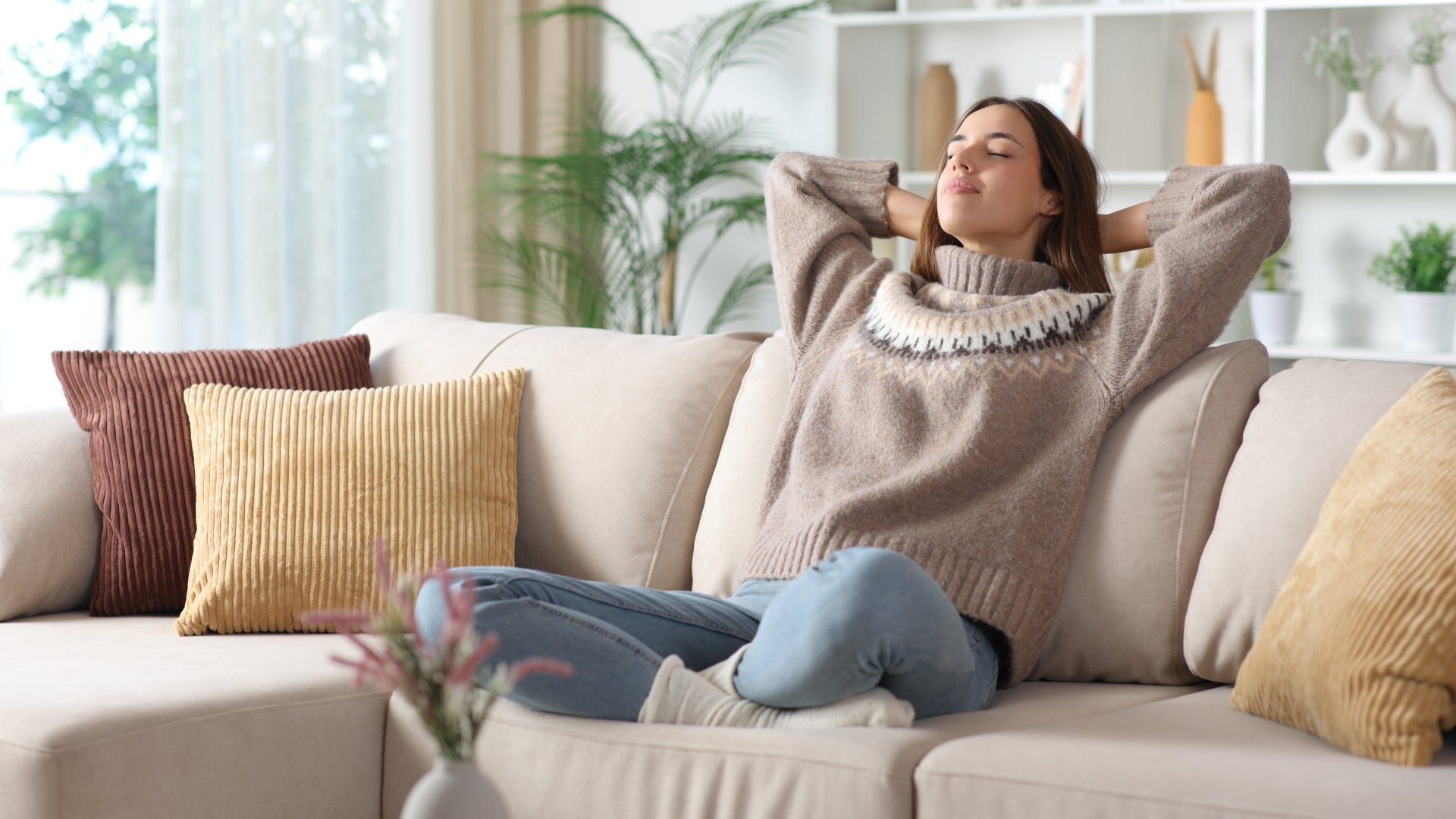
Above all, these homes often feel anchored in the now. The atmosphere prioritizes function, flexibility, and immediacy. Memories are accessible without occupying physical space.
Identity feels fluid rather than archival. The past is stored digitally rather than displayed visibly. Living spaces emphasize movement and adaptability. The home feels ready for what’s next.
Sloane Bradshaw is a writer and essayist who frequently contributes to YourTango.
