
People Who Were Kids In The 1980s Learned These 11 Life Lessons That Are Sadly Rare Today
 melissamn / Shutterstock
 While there were certainly a number of adverse childhood experiences in the 1980s, many of which are controversial today, the life lessons and skills young Gen Xers and millennials learned from growing up in that period should be admired. From self-discipline to learning to grow into their independence naturally, people who were kids in the 1980s learned life lessons that are sadly rare today.
Especially in contrast to new parenting styles and the emergence of technology, social media, and cellphones, younger generations today are living much different lives from their millennial counterparts. They’re adopting anxious, socially avoidant attitudes, building entitlement, and relying on technology for entertainment, all at the expense of their personal development and growth.
People who were kids in the 1980s learned these 11 life lessons that are sadly rare today
1. Entertaining themselves without a screen
 Gorodenkoff | Shutterstock.com
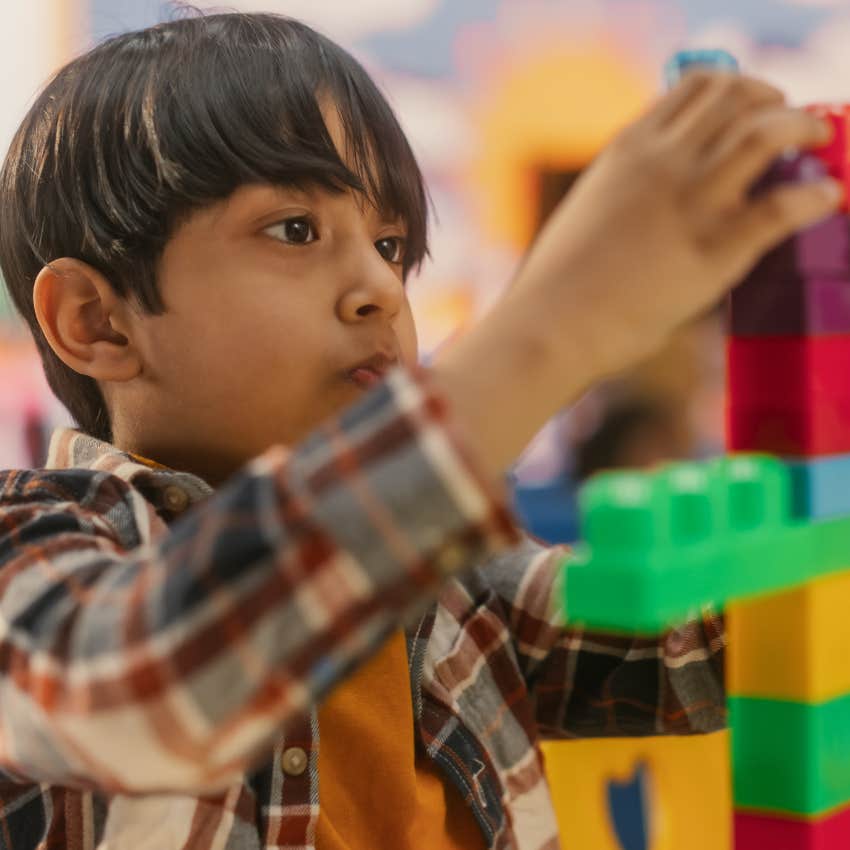
According to a study published in the Psychological Bulletin, the more screen time modern kids indulge in today, the more likely they are to experience socioemotional struggles later in life. From struggling to regulate their own emotions to developing social anxiety, being placed in front of a TV screen or an iPad is seriously deteriorating their ability to cope with boredom in healthy ways.
However, people who were kids in the 1980s learned the life lesson of entertaining themselves without a screen early in life. From unsupervised play in their neighborhoods outside to entertaining themselves and their siblings while their parents worked, they had to learn how to cope with solitude and boredom without technological distractions.
2. Learning to play without supervision
Unsupervised play is largely a thing of the past, especially given new parental safety anxieties and over-parenting behaviors. However, it was largely a life skill for Gen Xers and young millennials to play outside without a parent looking over their shoulders.
They had to learn to solve their own problems and make their own friends without parental supervision, giving them an early chance to develop independence and autonomy. While other kids today lack resilience and autonomy in navigating their lives, this generation of kids had no choice but to build these skills by playing outside without supervision.
3. The power of making mistakes
Without parents standing over their shoulders, solving their every problem, and watching their every move, kids who grew up in the 1980s learned to make mistakes. They had to deal with them and learn from them because they had no other choice.
It might seem counterintuitive, but it’s true: making mistakes, especially at an impressionable age, is the key to learning and growing. As adults, we need the emotional regulation skills and self-assurance to make mistakes and grow from them, rather than running away from being or saying something wrong.
4. The art of waiting
Compared to younger generations of kids today, who’ve learned to expect instant comfort and gratification thanks to technology and shifts in parenting, kids who grew up in the 1980s were forced to master the art of waiting. Whether it was saving money for something they wanted from the store or entertaining themselves through boredom, they had no choice but to get comfortable with delayed gratification and waiting.
Even in a general societal sense, experts like psychiatrist Dr. Tanveer Ahmed suggest that children now being considered "protected" rather than "useful" encourages more entitled attitudes. They expect people to meet their every need and solve all their problems, rather than being resourceful and managing their time independently.
5. Learning independence naturally
 Pressmaster | Shutterstock.com
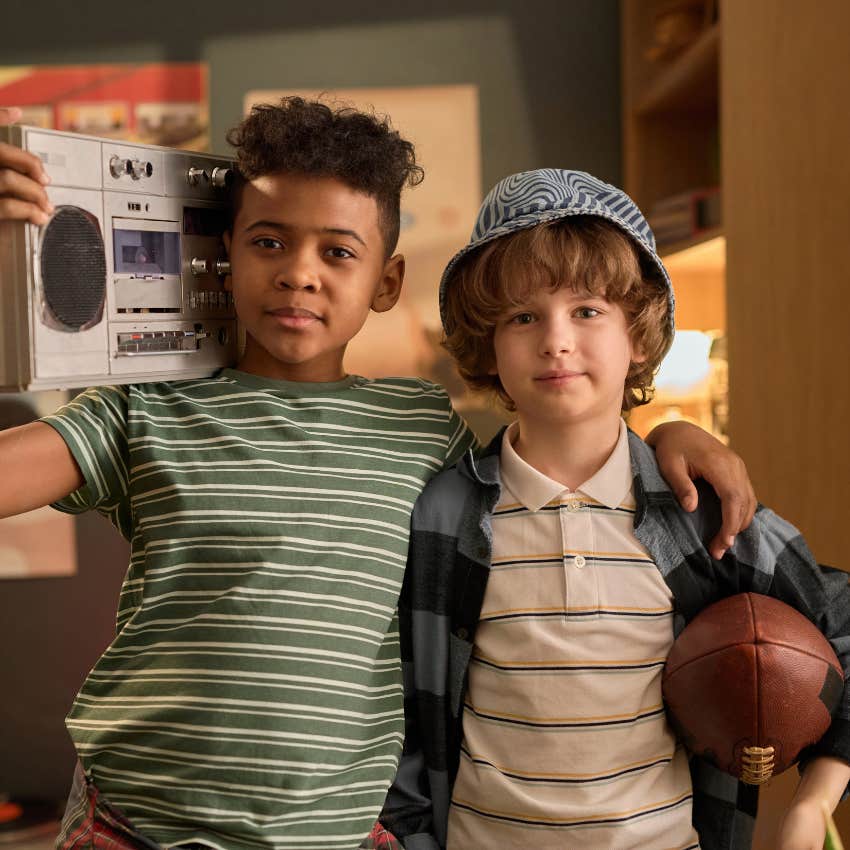
Whether through unsupervised play, being home alone, getting jobs from a young age, or babysitting younger siblings while their parents worked, people who were kids in the 1980s learned life lessons about independence that are sadly rare today.
They didn’t have parents around to meet all their needs immediately or to monitor their every move, so they naturally learned to be self-reliant and to take care of themselves when it really mattered.
6. Social skills develop through practice
Many kids from the ‘80s who were expected to make their own friends and develop social skills by practice weren’t sheltered into expecting a parent to step in and manage conversations. From raising concerns with their teachers to navigating conflicts with their friends from a young age, they weren’t taught to immediately resort to parental influence for help.
Compared to today’s kids, who not only grew up in a time of isolation but also developed social anxiety from social media usage and excessive screen time, kids from the 1980s had plenty of time to practice their social skills.
7. Rejection is temporary
While teaching kids to deal with rejection isn’t an easy feat, many kids from the ‘80s were taught this life lesson from a young age.
Parents from the 1980s taught their kids to value character and resilience over achievement and success, which makes rejection feel much more approachable. Compared to today’s kids, flooded with expectations of academic achievement and extracurriculars, kids from the ‘80s were shaped by character rather than material things and validation.
8. Do chores without expecting anything
Compared to many kids today, bribed with allowances or treats for doing chores, people who were kids in the 1980s learned the life lesson that chores don’t come with compensation. They were expected to help out around the house from a young age, whether by watching siblings or doing chores, without receiving anything in return.
According to a study from Harvard University, it’s this kind of responsibility that breeds healthier, happier children in the long run. So, while it might’ve been annoying for kids at a young age, it taught them to be responsible for their obligations and work through tasks, even when they were inconvenient or uncomfortable.
9. Conflicts should be managed face-to-face
 Dragon Images | Shutterstock.com
According to data shared by the World Health Organization, one-in-six children today has experienced cyberbullying. Kids are hiding behind screens to spread gossip, share rumors, and speak negatively without facing the consequences face-to-face. They can break people down and bully other kids, largely without understanding the outcomes that happen when you’re having a real conversation in person.
However, kids in the 80s, who grew up without social media or cell phones, were taught the life lesson of handling conflict and concerns face-to-face. They couldn’t hide behind a screen or spew anonymous gossip around without consequences. They had to manage arguments and express concerns in person.
10. Privacy should be protected
Whether it was keeping certain conversations private for family members or sharing photos in person with close friends and peers, people who were kids in the 1980s learned the art of protecting their privacy, which is sadly rare today.
With modern parents today oversharing about their lives and their children’s lives on social media, kids are learning that seeking attention online is a natural, normal thing – even if it sometimes comes at the expense of their privacy and safety.
11. Respect other people’s boundaries
Whether it was tolerating phrases like “no” and “because I said so” from a parent or learning to follow house rules in their living spaces, kids from the 1980s learned the life lesson of respecting boundaries that are sadly rare today.
Especially in contrast to modern households where gentle parenting has spiraled out of control, older generations of kids were forced to grapple with the discomfort of accepting and respecting another person’s boundaries.
Zayda Slabbekoorn is a senior editorial strategist with a bachelor’s degree in social relations & policy and gender studies who focuses on psychology, relationships, self-help, and human interest stories.
