
10 Everyday Things 80s Kids Were Expected To Handle All On Their Own
 Universal City Studios
 Kids who grew up in the 1980s were expected to handle quite a bit on their own and given a level of independence that would make many modern parents deeply uncomfortable.
While there was care and structure at home, there was also a clear expectation that kids would figure things out on their own without constant parental supervision, emotional coaching, or safety nets hovering nearby. Parents back then trusted their kids to manage everyday responsibilities early because independence was seen as a skill you built by doing things and messing up a bit.
If you forgot something, got bored, or made a mistake, you learned from it. And while that freedom came with its own risks, it also created a generation of adults that knows how to adapt, problem-solve, and stay calm when things don’t go as planned.
Here are 10 everyday things 80s kids were expected to handle all on their own:
1. Getting themselves to and from school
 Marizza from Getty Images | Canva Pro
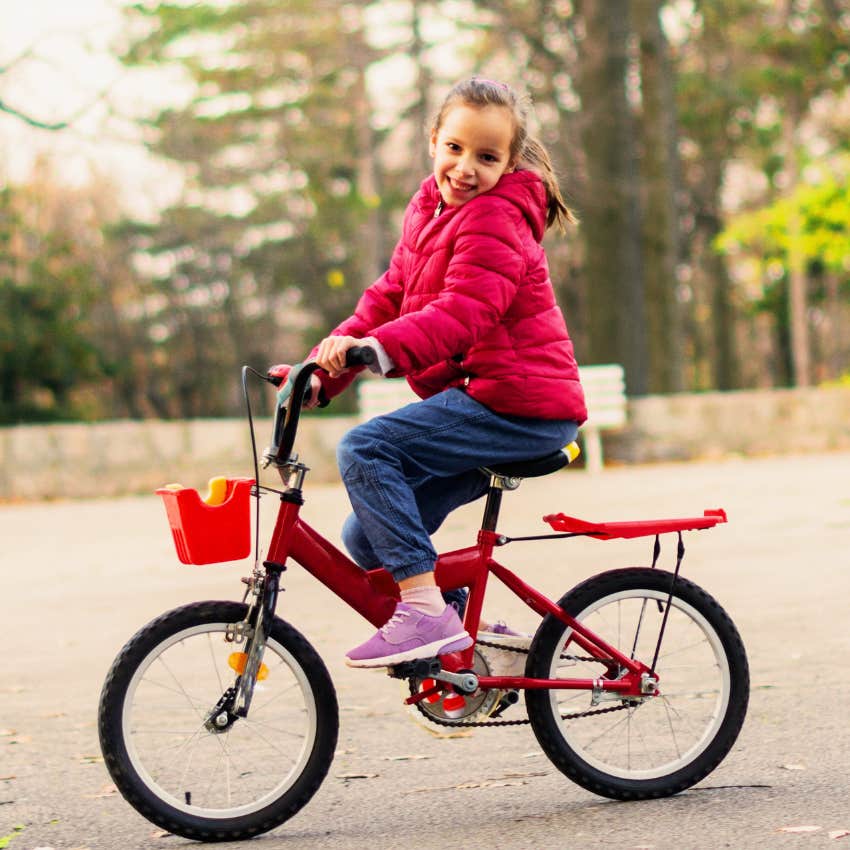
Whether it meant walking, biking, or taking public transportation, most 80s kids were responsible for getting themselves where they needed to go on their own. Parents might give basic instructions, but they weren’t tracking locations or checking in every five minutes.
If you missed the bus, you figured out another way. If you got lost, you asked someone for help. Allowing kids to navigate the world on their own taught independence, awareness, and the ability to stay calm under pressure. These are skills that seem to be lacking in younger generations.
2. Making their own snacks and meals
After-school hunger wasn’t a family meeting, it was a personal problem. 80s kids learned early how to make sandwiches, heat leftovers, or get creative with whatever was in the fridge. There was no expectation of perfectly balanced meals or constant supervision. The goal was simple: feed yourself and don’t burn the house down.
That early autonomy around food translated into confidence and self-reliance later on, as well as better long-term eating habits. The opportunity to develop cooking skills early in life actually has benefits that extend through adulthood and maybe even into the next generation, according to a 10-year longitudinal study conducted by researchers at the University of Minnesota’s School of Public Health.
3. Being home alone for hours
Being a latchkey kid wasn’t unusual back then, it was normal. Many 80s kids came home to empty houses after school, let themselves in, and stayed alone until dinner.
They learned how to entertain themselves, follow basic rules, and manage their time without adults watching over them. That solitude built independence and a strong sense of personal responsibility.
4. Dealing with boredom without screens
When there was nothing to do, 80s kids didn’t ask their parents to entertain them. They went outside, invented games, read books, or stared at the ceiling until something interesting happened.
Boredom wasn’t treated as a crisis, it was part of life. And learning how to move through it without stimulation helped develop creativity, patience, and imagination. “Boredom helps children develop planning strategies, problem-solving skills, flexibility and organizational skills, key abilities that children whose lives are usually highly structured may lack,” says Jodi Musoff, MA, MEd, an educational specialist at the Child Mind Institute.
5. Resolving conflicts with friends
 Jacob Lund | Canva Pro
Parents didn’t intervene in playground drama or neighborhood arguments. If you fought with a friend, you figured it out yourself or the friendship ended. Learning how to apologize, compromise, or walk away was part of growing up. Those early social negotiations built communication skills that still show up in adult relationships.
“When parents swoop in at every friendship hiccup, you disadvantage your child," explains Dana Hirt, M.Ed., PCI® certified parent coach, and founder of a Chicago-based parent coaching and education service. "Even if they stumble, it’s important for kids to learn how to approach and solve problems in all types of relationships. It’s a skill they’ll need throughout life.”
6. Entertaining themselves outdoors
Kids were often expected to leave the house and stay gone for hours, checking in only when it got dark. There were very few structured activities or scheduled playdates, just bikes, sidewalks, and imagination.
That freedom of staying out in the neighborhood engaging in unstructured play until the street lights came on taught risk assessment, social navigation, and independence. Kids learned where they were allowed to go, who they could trust, and how to manage themselves without parental oversight.
7. Remembering responsibilities without reminders
There were no digital alerts or shared Google calendars. If you forgot your homework, library book, or permission slip, you dealt with the consequences. Parents rarely went out of their way to pick up the slack for their kids at all, which is a sharp contrast to one of today's most popular parenting styles: Snowplow parenting, also called bulldozer parenting.
This type of parent seeks to remove all obstacles from a child’s path so they don’t experience pain, failure, or discomfort. However, these experiences are crucial for healthy childhood development and help children learn important life skills.
Responsibility wasn’t managed for children in the 1980s like it is today, it was learned through trial and error. That accountability helped many 80s kids develop strong organizational habits later in life.
8. Regulating their emotions privately
Big feelings weren’t always discussed as openly as they are today. Kids were often expected to calm themselves down, sit with discomfort, and move on. Even therapy was not nearly as common.
While this wasn’t always healthy, it did teach emotional self-awareness and internal coping mechanisms. Many 80s kids learned how to self-soothe long before the term existed. “Being able to manage emotions is critical for academic achievement, school readiness, and mental health,” explains Susan D. Calkins, PhD, professor of human development, family studies, and psychology at the University of North Carolina at Greensboro. “If children don’t master emotional regulation, they face challenges for years to come.”
9. Figuring out new things without instructions
 mariasymchychphotos | Canva Pro
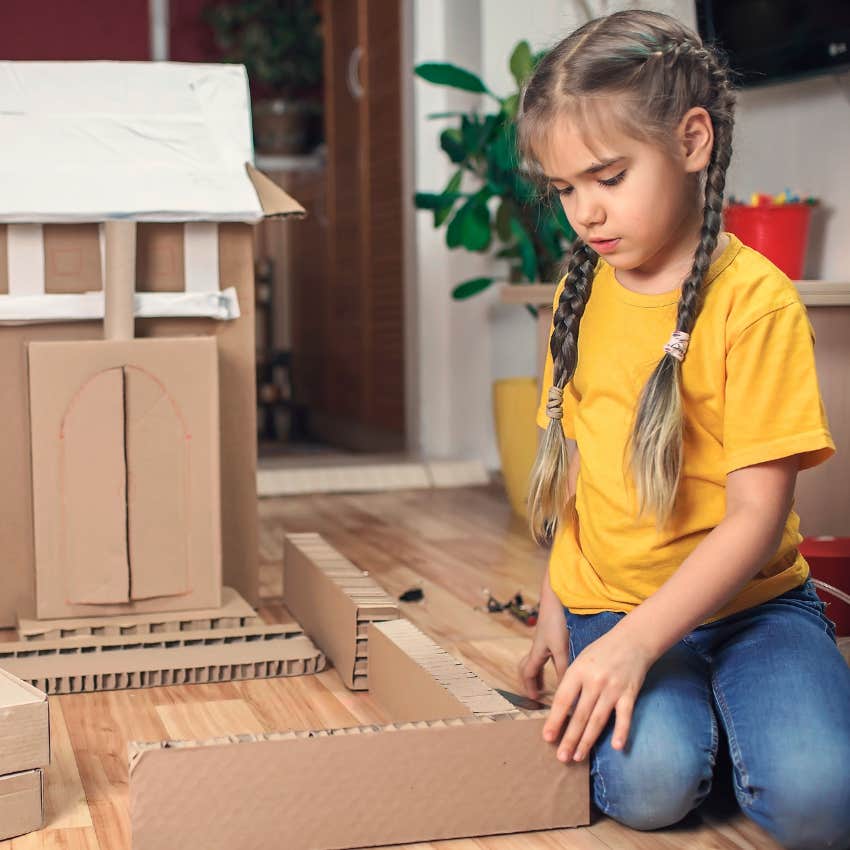
Whether it was assembling toys, fixing something broken, or learning a new game, kids were encouraged to experiment and figure stuff out rather than ask for help.
There were no tutorials or step-by-step guides, just curiosity and persistence. That trial-and-error approach built confidence and problem-solving skills that still show up today.
10. Managing their own safety awareness
Kids were taught basic rules like don’t talk to strangers, be home before dark, and trust your instincts. And then they were simply expected to apply them on their own.
They learned personal situational awareness through experience, not constant supervision. That early responsibility shaped how many 80s kids navigate the world with caution, confidence, and adaptability well into adulthood.
Micki Spollen is YourTango’s Editorial Director. Micki has her Bachelor’s Degree in Journalism & Media Studies from Rutgers University and over 10 years of experience as a writer and editor covering astrology, spirituality, and human interest topics.
