
11 Everyday Things Baby Boomer Kids Were Expected To Handle On Their Own
 LightField Studios / Shutterstock
 While many kids today seem to be learning to become dependent and selfish in the light of their moms' and dads' misguided, gentle parenting, older generations grew up to be more independent and self-disciplined because of authoritative parental behaviors that are somewhat shunned today. From micromanaging playdates to avoiding taking disciplinary action, some of the things parents today don’t allow their kids to experience are actually the most beneficial if you want to raise healthy, independent humans.
Many of the everyday things baby boomer kids were expected to handle on their own, from school issues to deciding what to do in their free time, offered learning opportunities that have served them well throughout their lives. Baby boomers didn't expect their parents — or anyone, for that matter — to save the day for them, because they know they take care of themselves.
Here are 11 everyday things baby boomer kids were expected to handle on their own
1. Deciding what to do in their free time
 Lopolo | Shutterstock.com
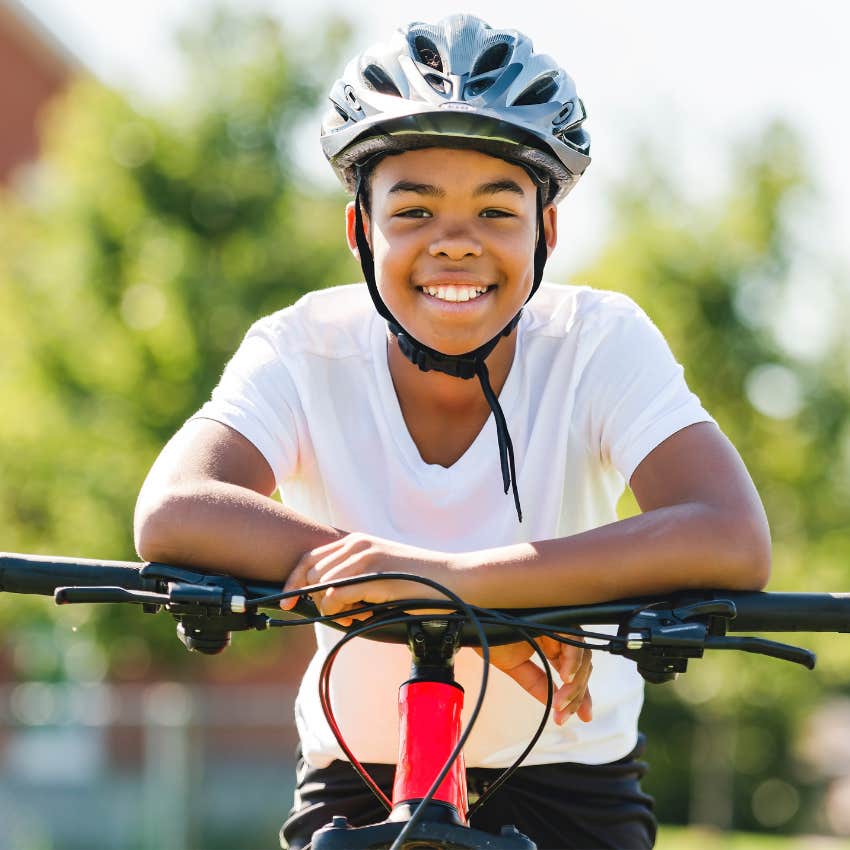
Free time is one of the everyday things baby boomer kids were expected to handle on their own. They were told to come home when the streetlights came on and were expected to fill their own time with unsupervised play without leaning on their parents or technology for entertainment, like today’s modern kids.
According to a study published in the Journal of Pediatrics, this kind of unstructured play may be condemned by modern parents, but it's still incredibly important to prioritize the long-term well-being of their kids. All kids should be expected to handle boredom and fill their own free time without over-parenting efforts, as doing so boosts mental health and provides a greater sense of independence.
2. Saving money
Even if boomer children didn’t necessarily have the chance to develop financial literacy through open, vulnerable conversations about money with their parents, they did live through a uniquely tumultuous time that taught them the power of frugality and independence.
They were expected to get jobs and save their money. They also adopted many of the frugal money habits their parents relied on out of necessity. Money was one of the everyday things baby boomer kids were expected to handle on their own, specifically when it came to saving for their own treats and contributing to the family.
3. Problem-solving
As a study published in the Journal of Cognition and Development suggests, kids have many opportunities to practice problem-solving skills through play, especially when it’s free play without parental supervision or over-parenting that creates dependent kids.
When they have the opportunity to play outside and navigate their own struggles without a ton of parental oversight, they can practice these skills that modern kids miss out on. Nobody was coming to save the day or solve their problems for them, so they became independent children, sometimes out of necessity for big stuff and other times for fun.
4. School issues and grades
Boomer students didn’t have their parents coming to conferences to advocate on their behalf or going in to challenge grades. They expected their kids to handle that on their own. Whether it was asking for extra credit or badgering a teacher about a grade, they were taught to take responsibility for their own education from a young age.
Of course, there have been shifts in the quality of teaching, education systems, and student dynamics between generations. But for boomer kids at a young age, they were offered more opportunities to gain independence than kids typically are today.
5. Household chores
 PeopleImages | Shutterstock.com
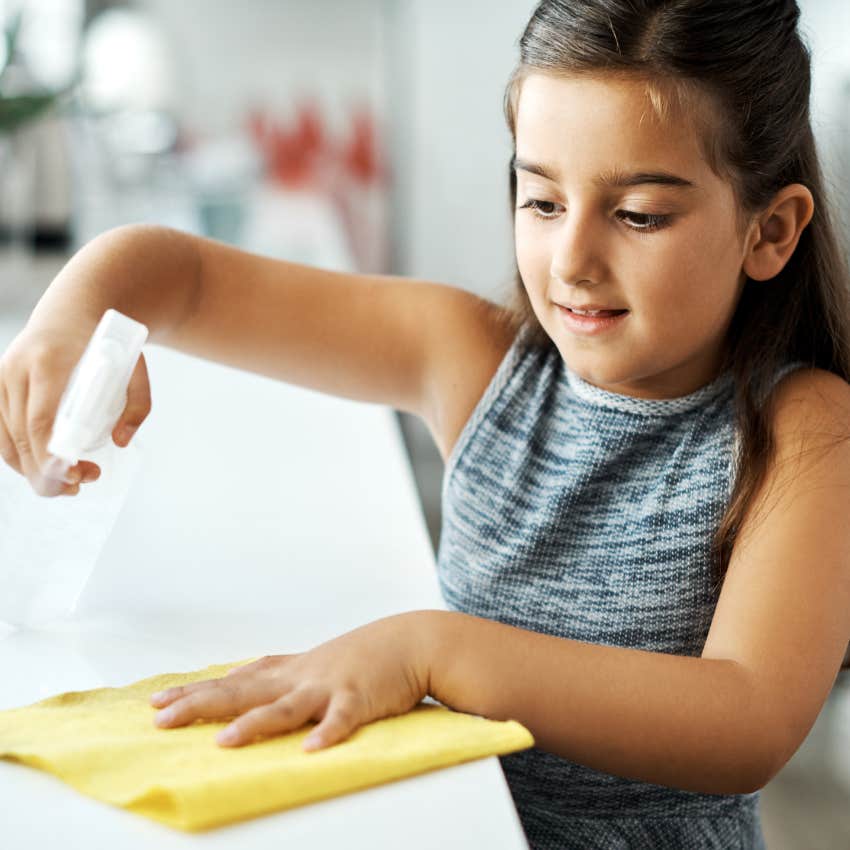
While kids today might expect an allowance or praise from their parents in exchange for doing household labor and chores around the house, they’re one of the everyday things baby boomer kids were expected to handle on their own.
Of course, this taught them a level of self-discipline and independence that’s important for their adult lives, as a study from Harvard Health suggests. Doing chores also reminded them that there is power in caring for themselves and their belongings.
6. Babysitting
The mental health and well-being of kids tend to affect their siblings, according to a study published in the Healthcare journal, so fostering a healthy connection can be wildly powerful. From babysitting to learning to problem-solve together, these were everyday things baby boomer kids were expected to handle on their own.
Even if it was annoying in the moment for older siblings to feel forced into babysitting in their free time, it was a bonding experience and a lesson in autonomy and independence.
7. Running errands
Many parents are learning to embrace lessons of autonomy for their kids in the modern world, even if it’s uncomfortable and requires courage. From unsupervised play outside to letting their kids run errands, teaching autonomy was one of the things boomer kids always had coming in their childhoods.
Even if it meant putting them in uncomfortable situations where they had to learn to problem-solve through their own struggles or solve problems that didn’t always work out in their favor, they were set up to be fully functioning, independent adults.
8. Making plans with their friends
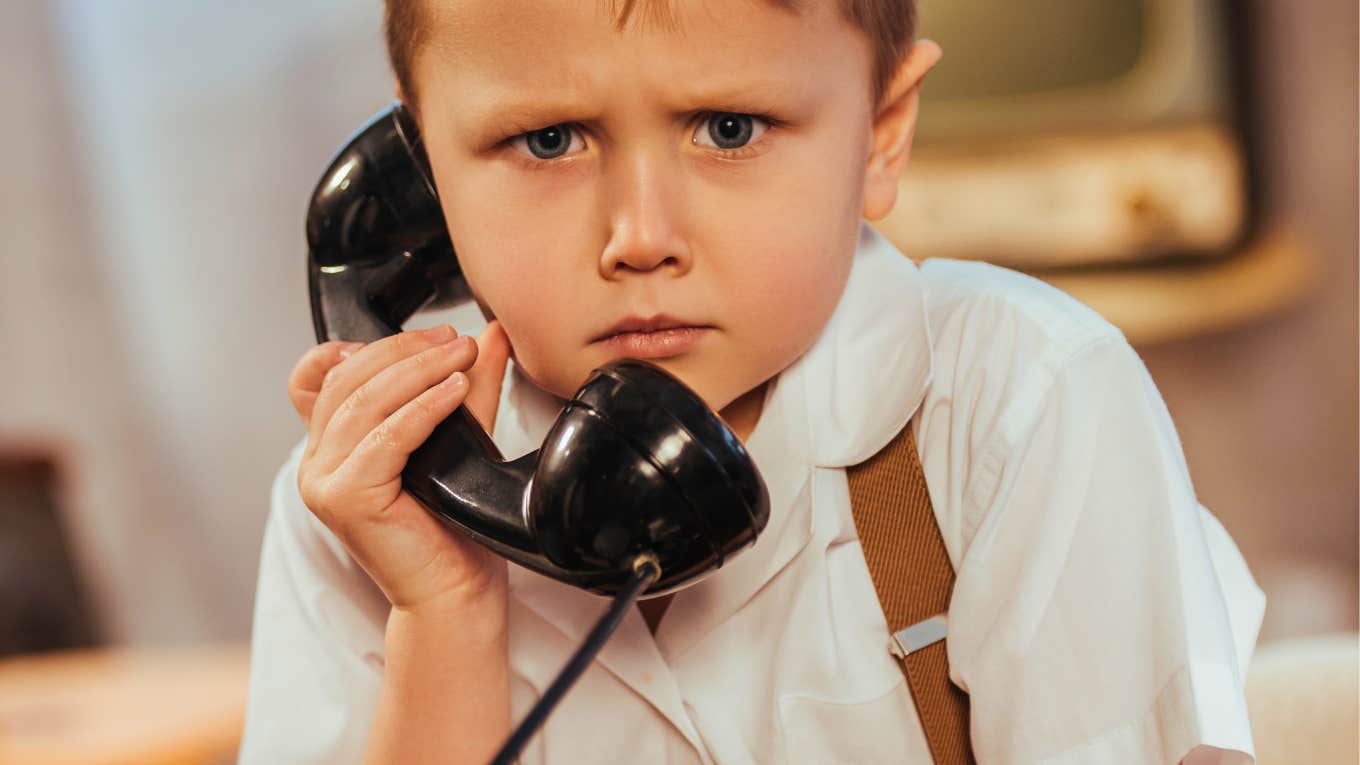
Expected to call their friends on a landline and coordinate getting together, baby boomer kids were expected to handle making plans with their friends on their own. They didn’t have parents who scheduled every minute of their day and loaded them down with extracurriculars. They had to take accountability for their own social calendars.
Even if that meant walking from a friend's house home or getting home from school however they could, boomers had the autonomy to schedule themselves.
9. Navigating boredom
 gpointstudio | Shutterstock.com
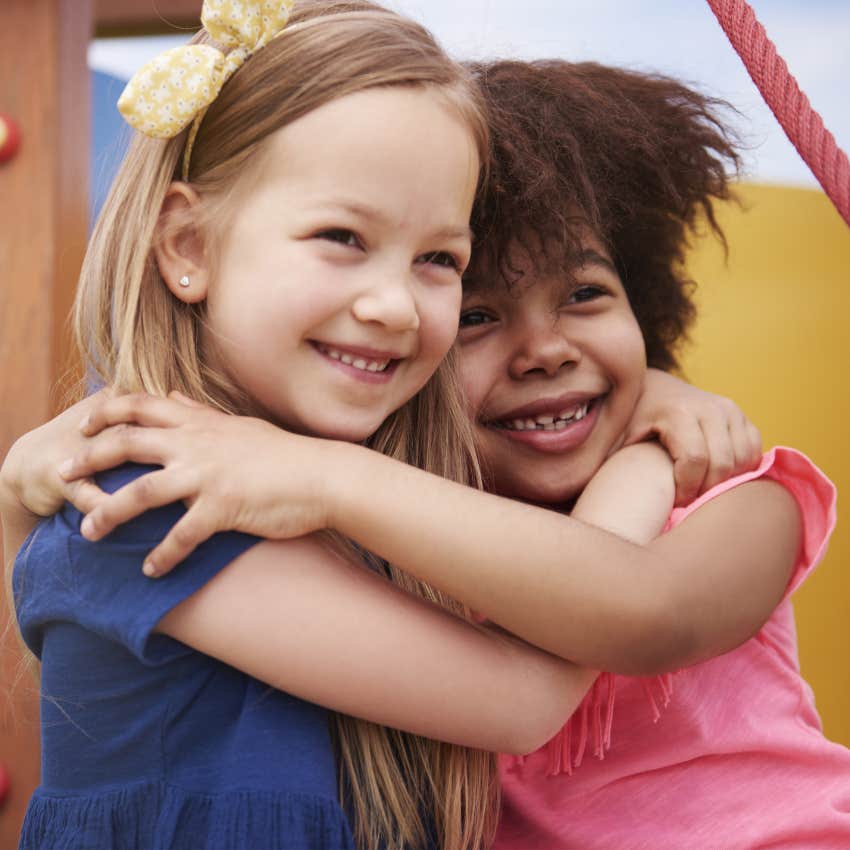
Even if it was the bane of our experience to feel bored as kids, learning to navigate boredom offers several benefits for our nervous system, self-esteem, and mental health. Whether they chose to fill their time with social activities, drawing, riding a bike, or other hobbies, these were some of the everyday things boomer kids were expected to handle themselves.
Today's kids, who are often given screens to distract them and have parents who constantly burden themselves with finding entertainment, don’t have the same kind of appreciation for alone time that boomer kids did.
10. Accepting consequences
Whether it was a timeout in their bedrooms at home or getting detention from their teachers, learning from their own mistakes and how to regulate their emotions while accepting discipline are some of the everyday things baby boomer kids were expected to handle on their own.
While parents today may step in to advocate for their kids at school and solve their problems for them, boomer kids were offered the chance to practice independence far more often.
11. Cooking simple meals for themselves
While kids are less likely to appreciate cooking skills and learn from watching their parents, learning how to cook by practicing with their families offered baby boomer kids the chance to learn an important life skill.
As adolescents and young adults, they had the skills to take care of themselves and could make their own meals, even when their parents weren’t around to supervise.
Zayda Slabbekoorn is a senior editorial strategist with a bachelor’s degree in social relations & policy and gender studies who focuses on psychology, relationships, self-help, and human interest stories.
