
If Someone Is A Truly Good Human, These 11 Actions Come Naturally
 ShotPrime Studio | Shutterstock
 There are no rules or guidelines when it comes to identifying as a good human being. It also doesn't mean being perfect every single day of your life, either. True goodness isn't measured by how much you accomplish, how popular you are, or even how many kind acts you perform in a year. Instead, it's about the conscious choices people make all the time without expecting recognition. Being a good human isn't about never messing up or always having the perfect words to say to others.
It's about acting with integrity and compassion. It's about respecting others because you want to be treated the same way. Good people can move through the world in a way that makes everyone around them feel safe and heard. They do it not for praise, but because that's genuinely who they are. They show up and act out, reflecting their deep-seated values and morals.
If someone is truly a good human, these 11 actions come naturally:
1. They show kindness without expecting anything back
 Dragana Gordic | Shutterstock
Naturally good people aren't about the grand gestures that'll make them look good to everyone else. Instead, they will hold the car door open for someone or allow a stranger to cross the street when they're stuck in the middle of the intersection because it's a genuine thing to do. They're not looking for strings attached.
"Many people view kindness as a weakness, but it's quite the opposite. It is a sign of strength. It is moving from 'me' to 'we,' seeing the bigger picture, and loaning someone your strength and support," encouraged scholar Robyne Hanley-Dafoe.
They aren't asking themselves what benefits they get from being kind to someone. Instead, they're doing it because it's the right thing to do. They know that some people just need a bit of kindness in their lives, and so they aren't afraid to dole it out just for the feeling of knowing they've made someone's day.
2. They take accountability without being pushed
 VH-studio | Shutterstock
It's simply about being able to own up to their actions, whether they were good or bad. People who do this aren't just waiting around for someone to call them out. Instead, they're reflecting and admitting to what was their fault so they can learn and move on.
"This isn’t about being perfect or always getting it right. It’s about doing the best we can to operate above the line more often than not. And when we inevitably drift below it, we notice, we realign, and we choose again, because the way we honor ourselves and show up in small moments builds a life that feels aligned," explained scholar Robyne Hanley-Dafoe.
They don't want to turn it into some kind of blame game where they're hanging their own actions on someone else. They choose to focus on what went wrong and how they can make that right. Being able to take accountability in that way means that they're growing and learning from their mistakes, even if the intention wasn't to hurt or harm someone else.
3. They respect boundaries even when it inconveniences them
 insta_photos | Shutterstock
Naturally good human beings don't view boundaries as a suggestion. They see them as both real and important, even when it might be impeding on what they want. The reason is that these individuals are empathetic to the bone. They know that everyone has their limits, and pushing past them will only serve to hurt the other person.
"When you allow others to violate your boundaries, you give away your personal power, and this drains you mentally, physically, and emotionally. Your stress increases," pointed out psychotherapist Moshe Ratson.
With the relationships they have in their life, these individuals never want people to feel as if they aren't respecting them. Boundaries are not some kind of challenge that you can work to overcome, but rather they're a guide to help keep a relationship healthy and sustainable. Therefore, good people see boundaries as non-negotiable, and they'll never try and push back on them.
4. They listen to understand, not to win
 simona pilolla 2 | Shutterstock
These individuals are not thinking about how they can prove themselves right, but instead they're choosing to focus on being able to understand where someone else is coming from. When they're in the middle of a disagreement or argument with someone, it doesn't automatically become some kind of competition where they need to come out on top.
"Listening and empathy skills are the hallmarks of good communicators, leaders, and therapists. Listening skills can be learned, but the reality is, some people just tend to be better listeners than others," said psychologist Diana Raab.
They're simply listening to understand rather than to win. It's not about their ego or trying to score points, but it's about connection and genuinely wanting to know why someone is feeling the way they're feeling. They aren't trying to interrupt or dismiss the other person's feelings and thoughts. They're just sitting back with their ears and hearts wide open.
5. They celebrate others without feeling threatened
 insta_photos | Shutterstock
The key to good people being able to have this trait is that they have the confidence and self-awareness to know that someone else's success doesn't take away from their own. They don't need to be the most recognized person in the room all the time.
"Celebrating big wins also leads to more social and emotional support. We often tell others about these achievements, resulting in closer relationships, positive feedback, and enhanced feelings of belonging and connection," pointed out clinical psychologist Melanie McNally.
They're more than fine with being able to step back and let someone else have the spotlight because there is enough to go around for everyone else. Their happiness isn't contingent on being able to outshine others, especially when it's someone they deeply care about and respect. They're able to enjoy good things happening to those around them easily.
6. They notice when someone is being left out
 MAYA LAB | Shutterstock
They genuinely care to make sure that everyone feels included and valued in moments of social interactions. They can tell when someone is feeling unseen and will do their best to make sure they're being heard and that people aren't just talking or walking all over them.
They'll direct a question their way or even ask for their opinion to remind others that this person is also amongst the group and shouldn't be ignored. They never want someone to feel as if they're being alienated. It might not be that obvious to other people, but to naturally good people, they want to help someone feel as if they belong.
7. They don't shame people for changing their minds
 Krakenimages.com | Shutterstock
There's nothing wrong with deciding to change your mind around authentic good people. They know that it's just a sign of someone learning and growing from a past belief that they had. In fact, they welcome people changing their minds all the time.
They will never roll their eyes or make some sarcastic comment when someone suddenly reconsiders a previous choice. To them, that's something healthy that should be encouraged rather than dismissed and put down. There's simply no need to make someone feel small for learning something new about themselves or the world around them.
8. They respect other people's time
 voronaman | Shutterstock
These individuals are not showing up late without notice or canceling last minute without a good enough reason. Instead, they're showing up whenever their presence is needed. If they're making plans with friends, they ensure that they're never wasting anyone's time, or if they have a job interview scheduled, they're showing up a good ten to fifteen minutes early just in case.
They plan and prepare in advance. If there's even a chance that they know they'll be running late, they'll communicate clearly and effectively. Because of how seriously they take other people's schedules and priorities, they never want someone to feel as if they're taking advantage of that.
9. They don't rush people into trusting them
 Ilona Kozhevnikova | Shutterstock
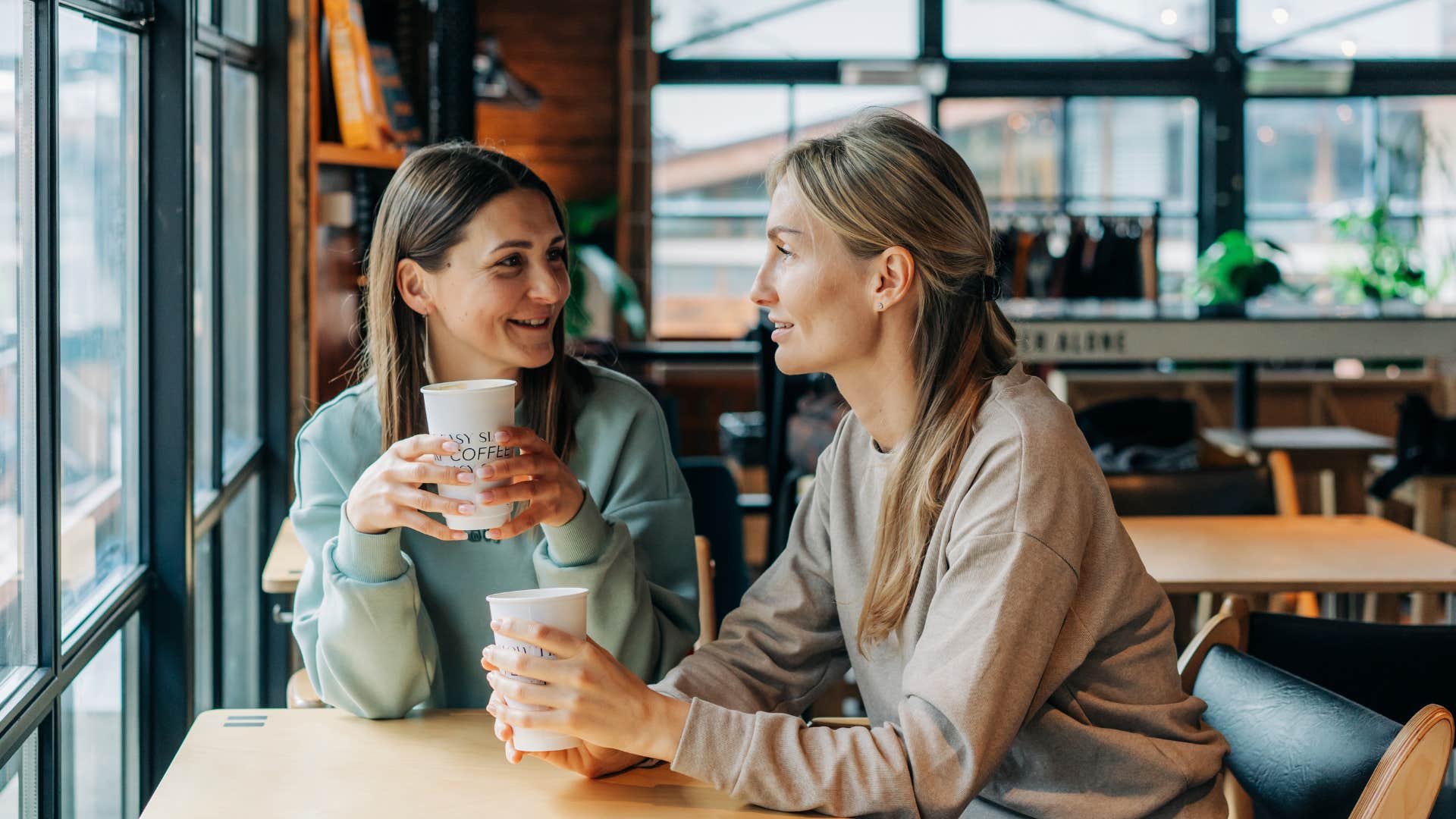
A truly good human knows that trust takes time to build with others. It's why they don't just expect people to wholeheartedly and blindly trust them when they haven't done anything to prove that they're trustworthy in the first place. They don't take another person's hesitation or silence personally at all. They simply see it as a normal part of building a relationship and connection with someone else.
They know that building trust means being consistent, and over time, they'll be able to gain that person's trust. The fact that they're always patient shows just how emotionally intelligent a good person typically is. They never want to pressure or rush someone because that's not how genuine connections are formed in the first place.
10. They don't want people to fear them
 Kyle Lee | Shutterstock
Some people feel instantly powerful when others are fearful in their presence. But the thing is, fear doesn't breed respect, and you can't have them both. For truly good people, they recognize that people who fear them usually end up walking on eggshells around them.
Their goal is never to try and dominate another person or control them in any aspect. Instead, they want to cultivate an environment with other people where there's always mutual respect and loyalty, not fear. They're able to assert themselves without coming off as bullies. They're able to communicate their expectations without belittling that person in the process. Their strength comes from their integrity rather than intimidation.
11. They treat service workers like real people
 Lordn | Shutterstock
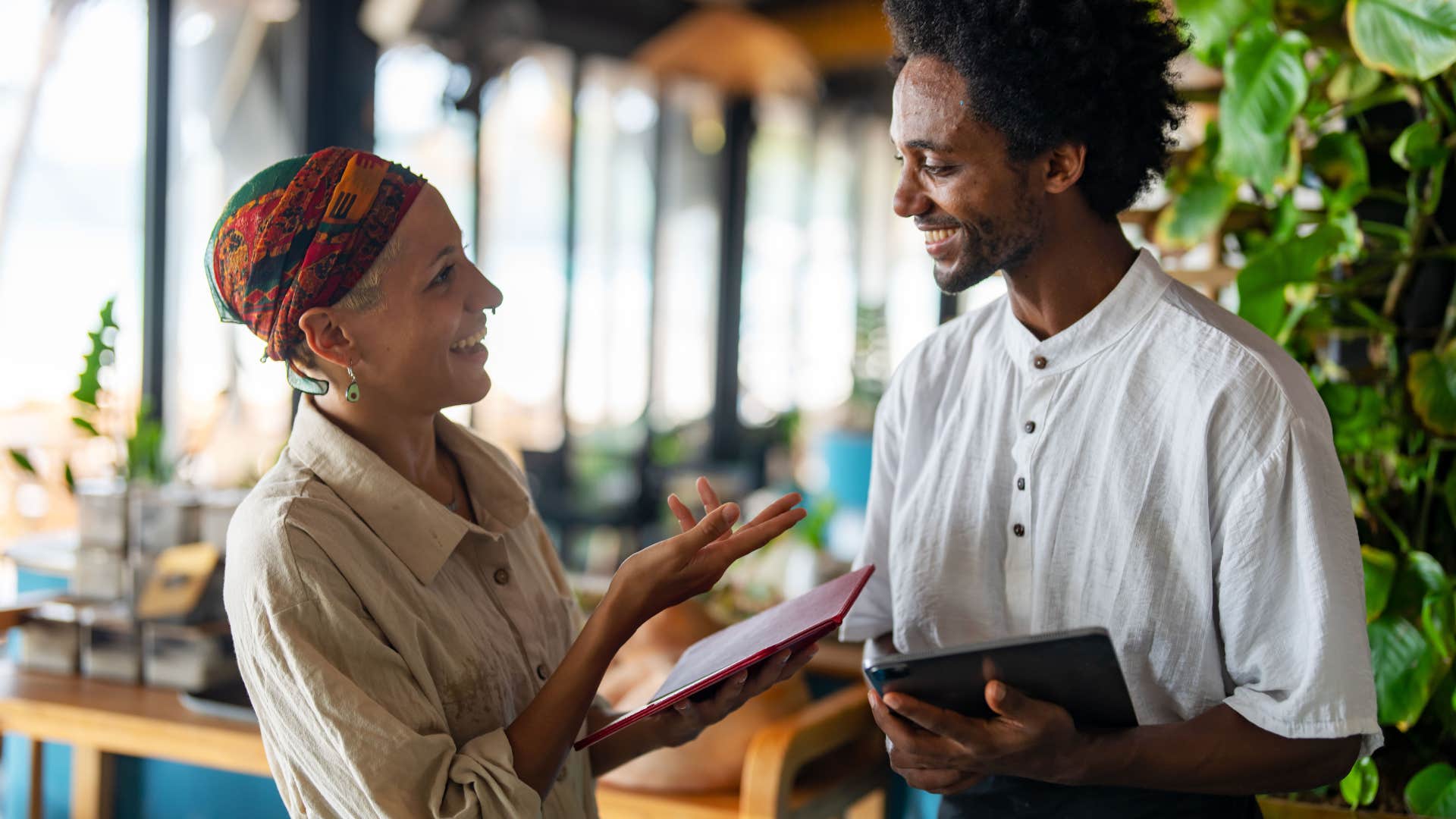
Truly good people don't see service workers as beneath them. Whether it's a server at a restaurant or the janitor in their office building, they give the same respect they would give to anyone else. They're never being rude or dismissive to them just because they're working a job that requires them to be of service to others.
They don't just assume they're "less than" because of the line of work they're in. They make sure to hold eye contact with them and smile during every single interaction. It doesn't take much effort, but it shows the biggest difference in letting someone know just how valued they are.
Nia Tipton is a staff writer with a bachelor's degree in creative writing and journalism who covers news and lifestyle topics that focus on psychology, relationships, and the human experience.
