
11 Forgotten Social Skills From The 1970s That Are Worth Bringing Back
 oneinchpunch | Shutterstock
 Long before we had smartphones and social media, there was something meaningful and even endearing about having to do certain things in a much slower pace. During the 1970s, in particular, genuine engagement with the people in your life and just having actual attentiveness to the things around you weren't just appreciated, it was actually expected. While some of these habits might seem old-fashioned to people these days who may have never experienced living during that decade, there are some forgotten social skills from the 1970s that are worth bringing back.
While there were parts of the 1970s that weren't perfect by any means, people had a knack of paying actual attention to each other. They listened and made people feel like they mattered. Honestly, that, along with a plethora of other skills from that time, is something we could all use a lot more of these days. It was just about showing up and being present for someone else. Whether you grew up in that era or not, being able to discover these practices now can make the biggest difference and impact with how you're choosing to move through the world.
Here are 11 forgotten social skills from the 1970s that are worth bringing back
1. Handwritten letters
 Ollyy | Shutterstock
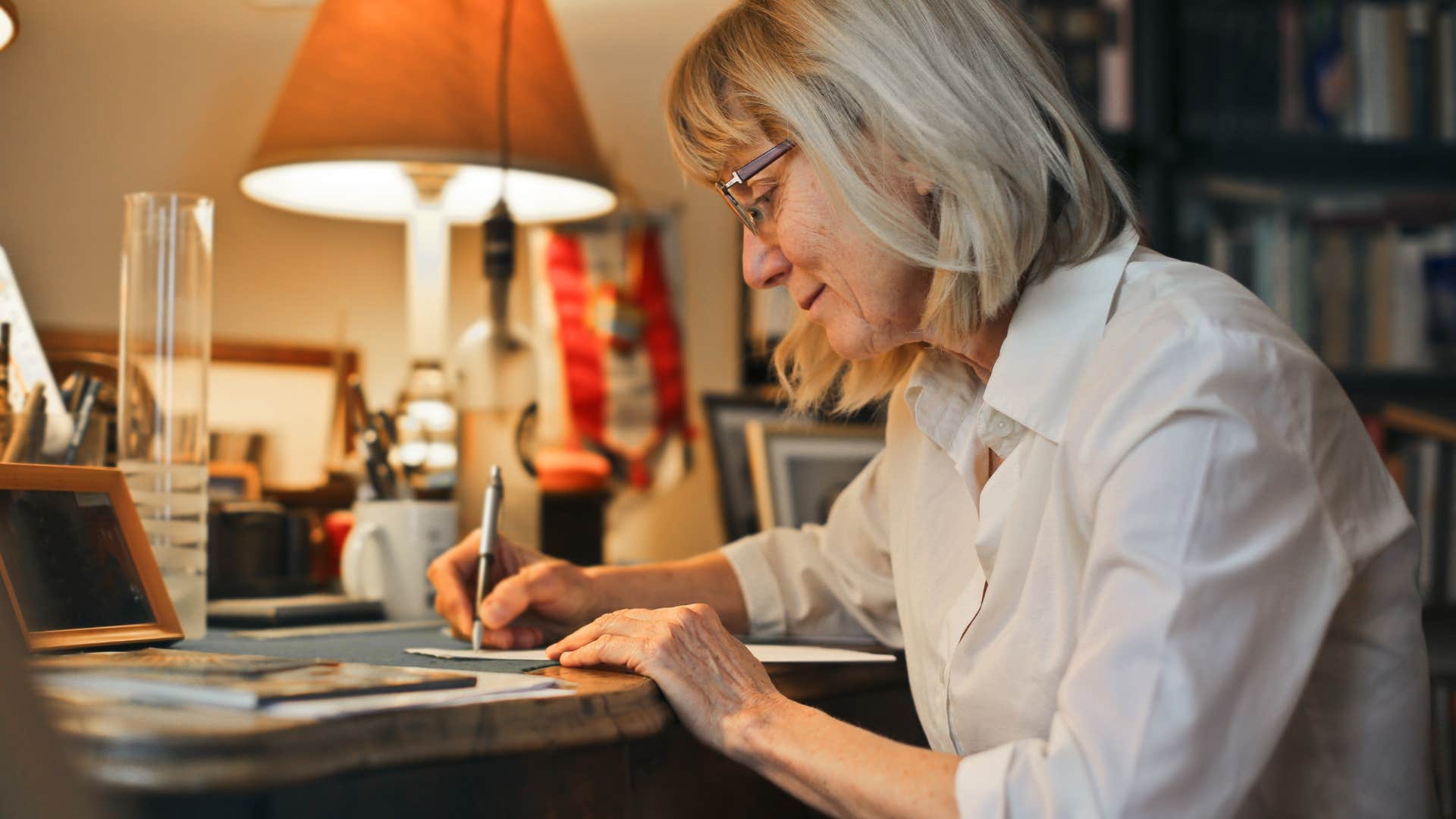
There's just something that hits different about not only receiving a handwritten letter, but taking the time to write one for someone else. Rarely do we ever get out a pen and paper, sit down, and get our thoughts and feelings down on that paper before sealing it all up and sending it out to someone. Now, we just whip our phones out and send a quick text or even an email.
"A letter is a great outlet for expressing your feelings. For the most part, the ultimate purpose of writing a letter is to inform, instruct, entertain, amuse, explore psychological problems, keep in touch, or offer love. Before the telephone was invented, people wrote letters to one another as a way to keep in touch," pointed out poet and inspirational speaker Diana Raab.
Writing a letter actually forces you to slow down in a way that texting and emailing can't have you do. You are forced to sit with your feelings and put them into actual words. Something about that makes the contents of the letter feel that much more personal and vulnerable. Also, the process of getting a letter in the mail can be quite heartwarming.
2. Complimenting strangers
 Gorgev | Shutterstock
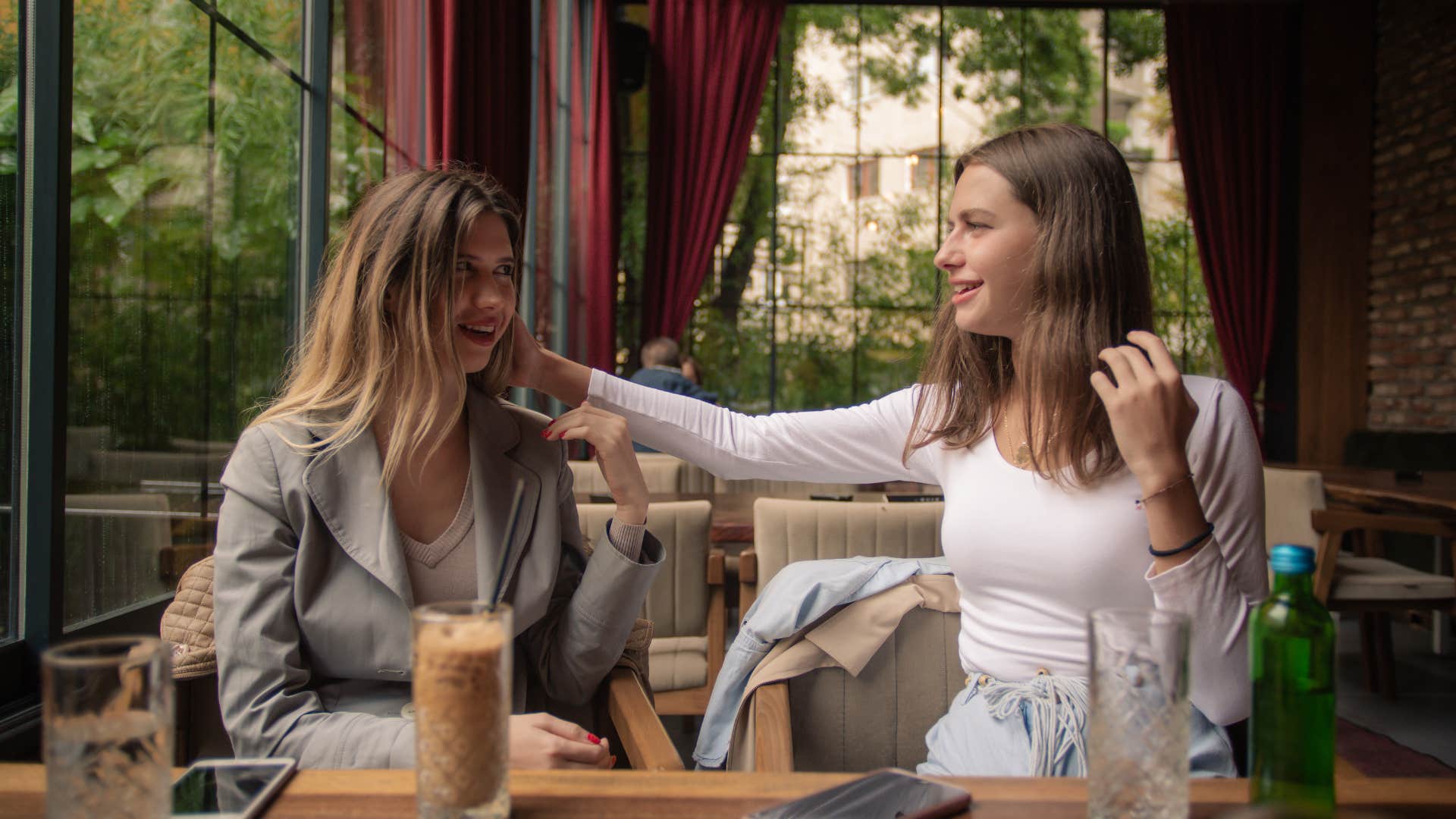
If you saw someone walking down the street wearing a stylish jacked or cool shoes, you might have stopped and paid them a compliment back in the day. There's just something so heartwarming about not only receiving a compliment while you're going about your day, but also knowing that you've just put someone in a good mood when you stop them to shower a little bit praise onto them.
As one of the forgotten social skills from the 1970s that are worth bringing back, complimenting strangers doesn't mean you expect anything in return or have an ulterior motive; rather, you just want to let that person know their hair looks really good that day. You keep it moving after that. Maybe now more than ever we need to be exhibiting that level of kindness to strangers that we pass on the street.
3. Offering your seat to others
 Monkey Business Images | Shutterstock
Too often we are more concerned with getting the last seat on the bus or train than we are to giving it up to someone who might need it more. Maybe it's an elderly person, a pregnant woman, or a tired mom holding a baby. There are many instances where a person might continue to sit and act as if they don't see someone desperately needing to sit.
The beauty of this gesture lies in the fact that you're stepping in without hesitation to provide a semblance of comfort for someone that might need it. It doesn't cost you much except standing on your feet until it's your stop or another seat opens up. Back in the day, people did it without even thinking, but now we're all conditioned to just be a little bit selfish.
4. Face-to-face conversations without distractions
 Miljan Zivkovic | Shutterstock
There's no phone buzzing off somewhere on the table while you're out to eat with a friend or trying to multitask while having a deep conversation with your spouse. It's actually having face-to-face interactions with people where you're genuinely interested in what they have to say.
During the 1970s, being able to sit across from someone or just be in the same room with them and talk without any distractions was the pinnacle of communication.
"The importance of communication: basically it connects us to others and connects others to us. It makes us feels as if we're a part of something. It's an important part of establishing community. A good conversation, for me, means that I've come away from it feeling closer to the individual I've been conversing with," educator Amanda Friedman admitted.
We can forget sometimes about the importance of going beyond the surface of how someone's life is going. When you're actually talking to someone without the distractions, you get deeper with them and you end up sharing more than you probably have ever shared with them.
5. Being patient in lines
 PeopleImages | Shutterstock
Having patience was one of those things that, during the 70s, people didn't have to think twice about exhibiting. While no one enjoys ever having to wait in line, back then it wasn't the same as it might be today.
The internet and especially social media have conditioned so many people to want things immediately. We're simply not used to waiting around, and so we become quite impatient and even irritable.
People during the 1970s knew that the gratification of finally getting that thing was often worth waiting in line for. They didn't try to speed up time just to accommodate their needs. Maybe we could take a page from their book and slow down a little, even when we're just waiting in a line.
6. Bringing a small gift when visiting
 SeventyFour | Shutterstock
Back in the day, you didn't show up to someone's home empty-handed. You showed up with a small gift, whether it was a bottle of wine, some flowers, or a dessert of some kind. It was how you showed the host that you were appreciative of being invited.
It wasn't about the price tag at all of the gift on top of everything else. Instead, it was the thought that counted. And now, it's another of the forgotten social skills from the 1970s that are worth bringing back.
Hosting takes effort, which means that, as a guest, it's your duty to acknowledge that effort in some way. And what better way to do that then show up with something for the host?
Today, that expectation doesn't always exist. We tend to just show up to places and think our presence is enough of the gift. While it's always good to show up, sometimes it's better to show up with something in your hand to express the gratitude of being welcomed into someone's space.
7. Returning borrowed items promptly
 BalanceFormCreative | Shutterstock
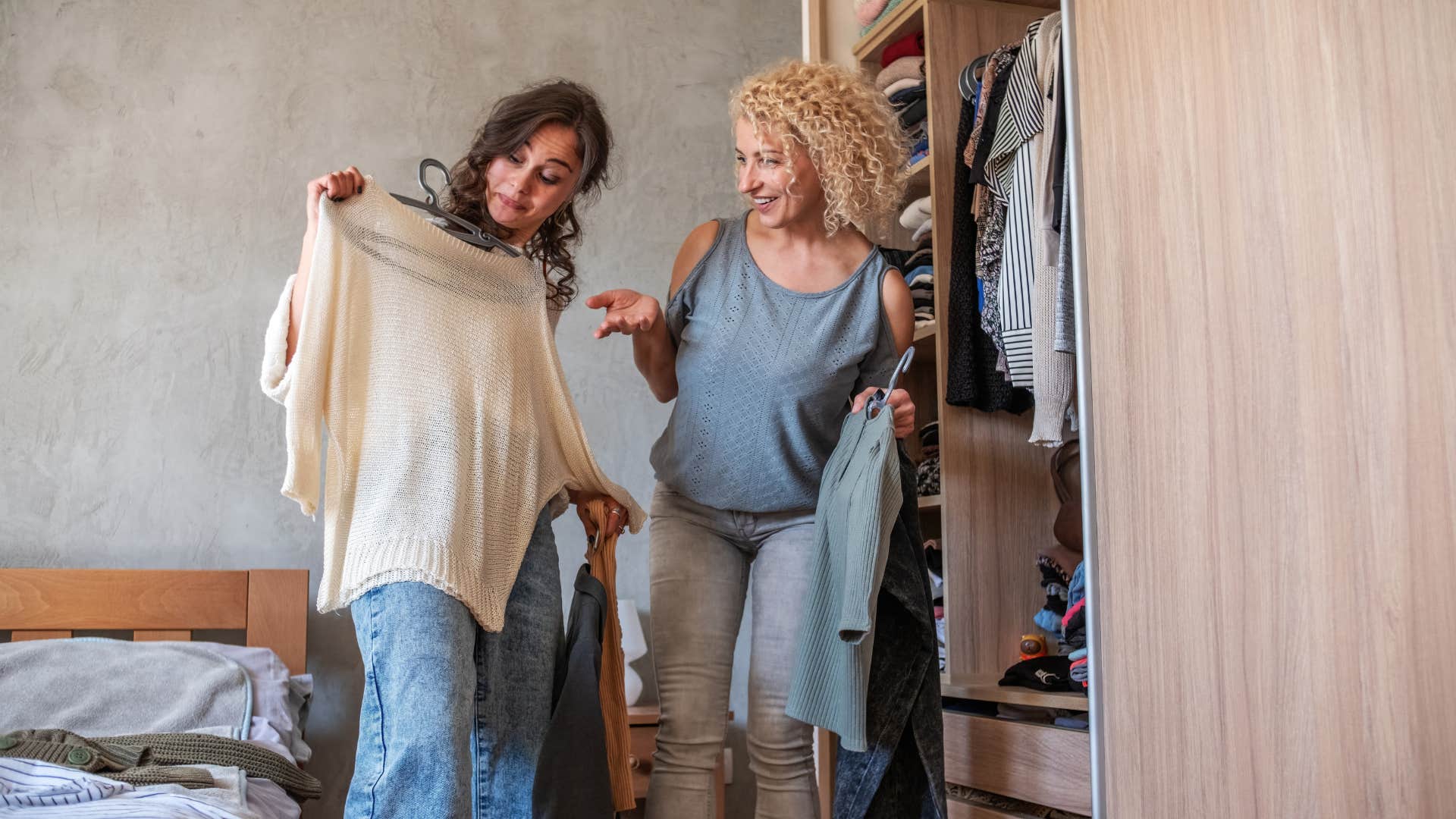
If you borrowed something from someone once upon a time, you made a mental note to make sure you gave it back as soon as you were done using it. If it was an article of clothing, you even made sure to go the extra step and wash it so that you were returning it in mint condition.
Nowadays, though, borrowed items may not mean that much to the person that is borrowing the item. They might have a fleeting thought of wanting to give it back ASAP, but then life gets in the way and it may not be a priority anymore.
However, that shouldn't be the case. You should treat someone else's property with the care and attention that you would treat something of your own, no matter what it is.
8. Gracious party hosting
 Dejan Dundjerski | Shutterstock
During the 70s, being the host of the party mean that you were greeting guests at the door, taking their coats, and making a point to introduce guests to each other and spark conversations between the people that you all know. It was about creating a warm environment for the people that you were inviting into your home. You weren't just blending into the background and refusing to make people feel welcome.
Being a gracious host used to be something that was expected, and it was comforting to know that you were going to a party or social gathering where the host was taking care of your every need in their space. Bringing back this social skill can truly make the biggest difference when it comes to cultivating and nurturing the community that we have around us.
"Being a part of a healthy community can help us feel connected to others, as well as feel we're part of something larger than ourselves. When we're going through a difficult time, it can be enormously helpful to have people who we can turn to," explained psychologist Samantha Stein.
9. Expressing sympathy in person
 AnnaStills | Shutterstock
A rather important social skill that is fading from our arsenal is the fact that we should be expressing any form of sympathy to someone while standing face-to-face. You show up to their front door with a home-cooked meal wrapped up for them, a card and, above all else, a nice, long hug while you offer support in the best way that you can give it.
"When you think about losing someone close to you, it can be comforting in and of itself to know that others will be there to support you. Even if they stumble a bit in their expression of sympathy, the more their words are based on an attempt to understand how you’re feeling, the less you'll care about the exact words they use," psychologist Susan Krauss Whitbourne insisted.
There was none of that sending someone a "thinking of you" text and then not bothering to do any other kind of work. It was about looking someone in the eyes and expressing how sorry you are that they had to go through a saddening time like the one they're currently having. It was about actually showing up and remind people that they're more than cared for.
10. Offering a ride when practical
 Zamrznuti tonovi | Shutterstock
During the 70s, people were often eager to help out in whatever way they could, especially when it came to offering someone a ride. If they were pulling into their neighborhood and saw their neighbor walking down the street with an armful of groceries, they'd stop and offer to take them the rest of the way.
There was no such thing as overthinking, just the urge to make sure people were getting home safe. And though this practice has faded over time, it's one of the forgotten social skills from the 1970s that are worth bringing back.
Doing this was about taking care of those who were around, nothing more and nothing less. It made relationships feel so much more connected when you allowed for these special moments. Today, that habit might have become a lot more complicated and now we don't think of just how kind it is to offer someone a ride when they might need it.
11. Checking in after a misunderstanding
 Jacob Lund | Shutterstock
Back then, if someone felt hurt or something awkward happened, people made a point to follow up afterward to make sure the air was clear and things were good. It wasn't about trying to stoke the flames of drama, but about making sure that the relationships they had and cared about were not in danger at all.
It was showing up to someone's house, or going out of your way to call them and have an honest conversation. It showed just how much you valued the relationship to really try and nip those negative feelings in the bud.
"When we harm others, we harm ourselves in the process, and rationalizing or defending only makes us feel worse. It causes us to feel a more profound shame as it pulls us from our humanity and connection — accountability and making amends help us heal the other, which allows us to forgive ourselves," Stein explained.
Nowadays, we all are a bit quick to cut someone off after any sort of misunderstanding. We don't want to have the difficult conversations anymore and instead prioritize "protecting our peace" to the point where we end up all alone with no one.
Nia Tipton is a staff writer with a bachelor's degree in creative writing and journalism who covers news and lifestyle topics that focus on psychology, relationships, and the human experience.
