
If You Got Married In The 1970s, Your Relationship Likely Has These 11 Qualities That Are Exceedingly Rare Today
 Alex Johnstone | Unsplash
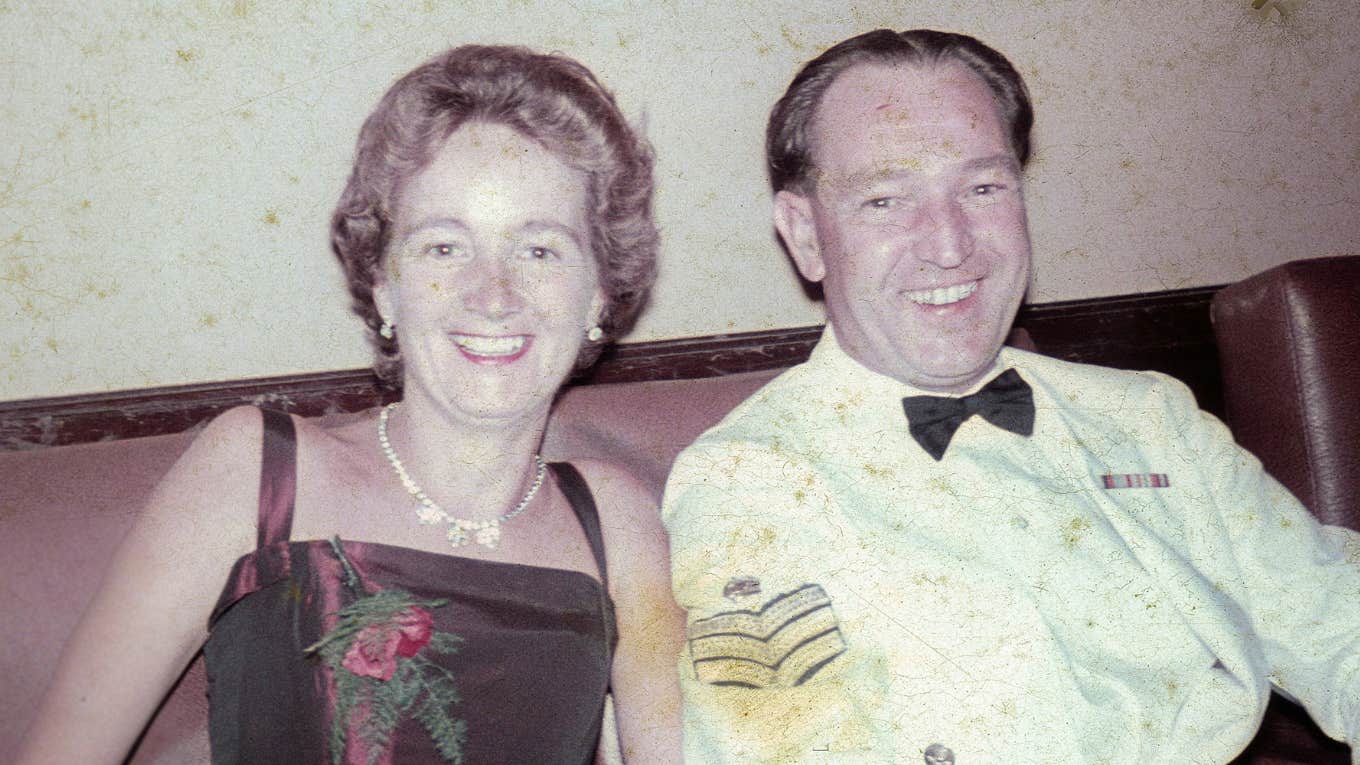
 While many couples from the 1970s are long since separated today, considering marriage was an expectation (or rather, an “obligation” for everyone), if you got married in the 1970s, your relationship likely has these qualities that are exceedingly rare today, especially if you and your spouse are still together.
Especially because the marriage rate has declined by over 60% since 1970, many modern people don’t have the parental relationships or the intention of practicing a healthy relationship. Others are too avoidant and focused on convenience to do the work. While marriage was far more popular among people in the 70s, they also knew a few things about nurturing a healthy connection and respect.
If you got married in the 1970s, your relationship likely has these 11 qualities that are exceedingly rare today
1. You know how to connect without screens
 nada54 | Shutterstock
If you got married in the 1970s, without cell phones and social media playing a role in your relationship, chances are you’re more connected today because of it. From celebrating each other without social media posts to checking in without screens, you’ve mastered the art of connection, even while technology and devices shifted around you.
Even dating without the illusion of “choice overload” from dating apps in the 1970s allowed couples to invest in their relationships and put effort in without worrying about commitment being a burden. They focused their attention on a partner, and likely are better off today without that illusion of having a million other options.
2. You manage finances openly
 Evgeny Atamanenko | Shutterstock
Especially amid changing economic conditions, rising prices, and inflation over the last decade, if you’re still in a healthy relationship today, chances are you had to adjust to managing finances together in a healthy way. While it might have been easier to be vague or to adopt traditional gender norms a few decades ago, healthy relationships today require some level of transparency and co-decision making.
While pooling finances together, as a study from Personality and Social Psychology suggests, is important for relationship satisfaction to making decisions together, your relationship likely has these rare qualities that make all the difference today.
3. You resolve conflicts together
 Srdjan Randjelovic | Shutterstock
Instead of sharing on social media or immediately texting a friend when you argued with a partner at home, people who got married in the 1970s were forced to resolve things together. Of course, if you’re still together today, those healthy conflict-resolution skills are partly to celebrate for your longevity.
On top of that, a study from the University of Georgia found that conflict-resolution skills in a marriage are also a predictor of better health. So, you’re not only secure with your partner, but you feel consistently better when you’re not suppressing issues and dealing with resentment.
4. You plan dates often
 pics five | Shutterstock
With the intention of chivalry still alive and the “courting” process still largely influential in the 1970s, many couples from this generation planned and went on dates often. The key to being happy and satisfied in a marriage today is to continue making time for that quality connection.
As a study from Contemporary Family Therapy explains, the more positive quality time and conversations a couple has, the more likely they are to build resilience in the face of negativity and conflict. So, if you’ve stayed together with a partner and handle conflict well, chances are you haven’t let go of that need to “date” your partner.
5. You don’t compare your relationship to other couples
 Krakenimages.com | Shutterstock
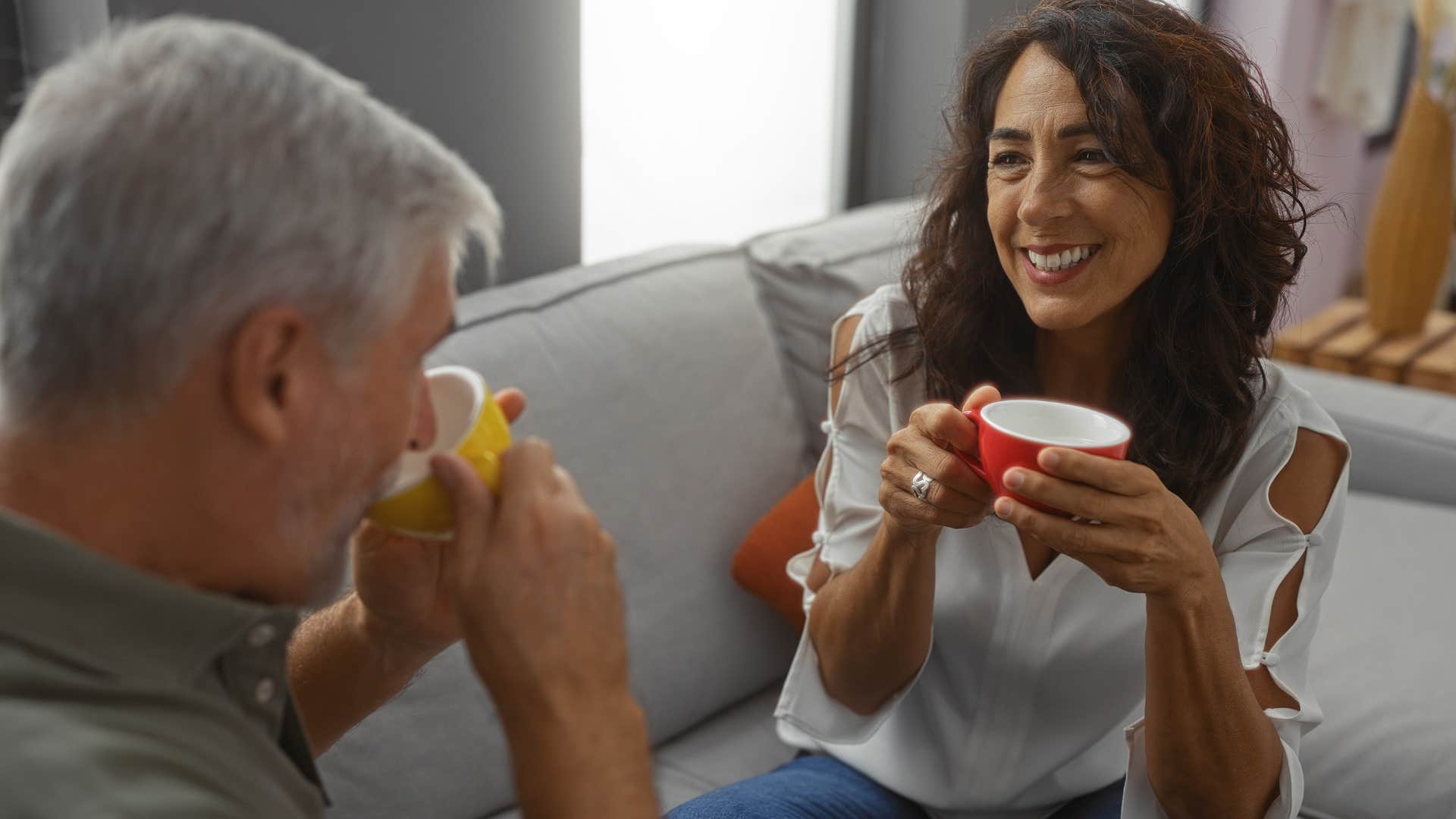
Without cell phones and social media that consistently urge people to compare themselves, their jobs, and their marriages with those of other people, couples from the 1970s could form their own values and relationships without the pressure to conform.
They could decide what was important, create habits and rituals, and lean into quality time without being pressured to fit a certain standard or lifestyle from online pressures. Of course, the pressure to compare yourself was still alive in a real way, but without the accessibility of a cell phone, they learned to craft their own relationship foundation first.
6. You make compromises openly
 siro46 | Shutterstock
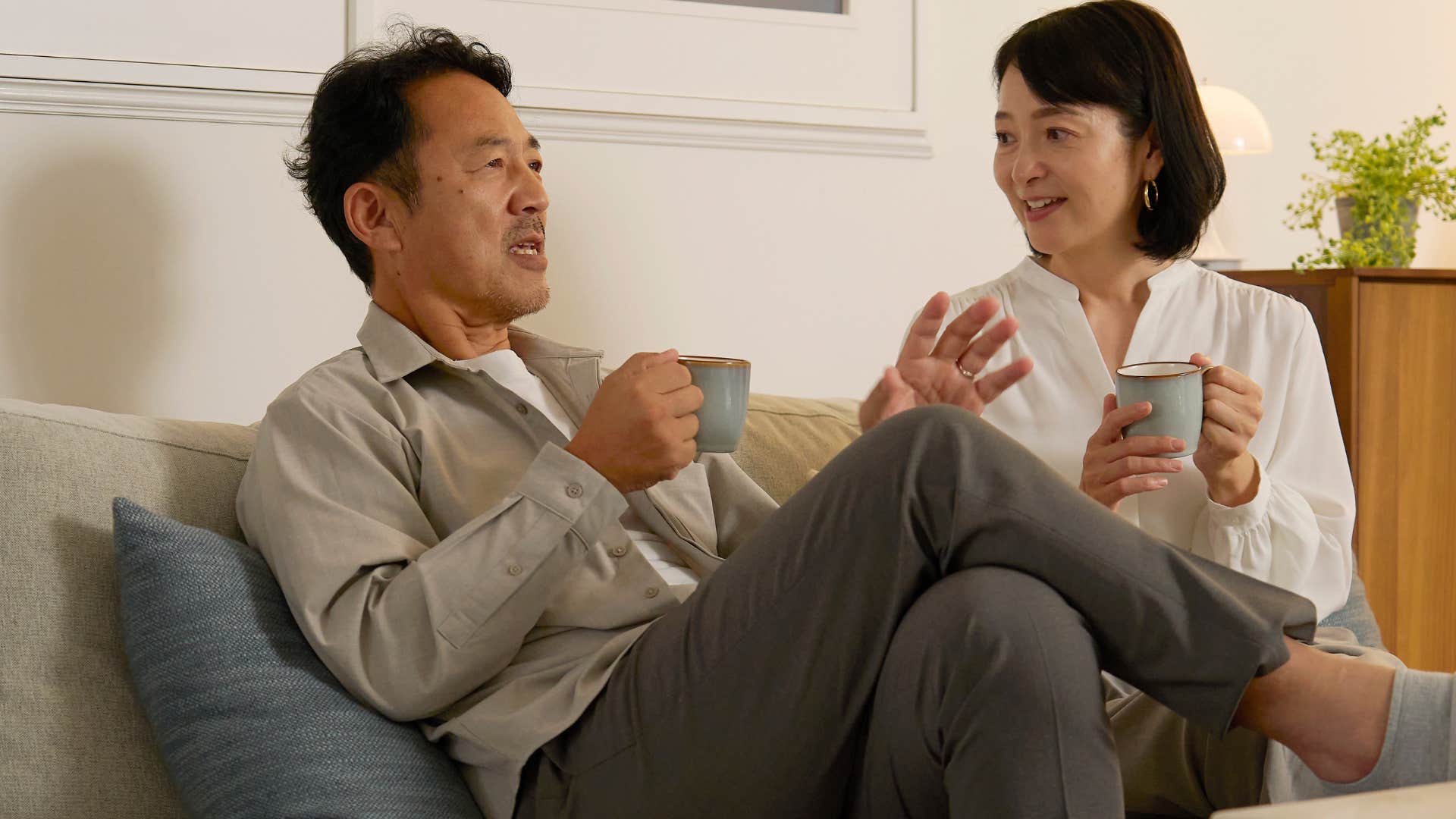
While discourse around sacrifice and compromise in marriages is challenged today, there’s no denying that they’re one of the rare traits that have kept healthy couples together since the 1970s. Especially growing up in a time when sacrifice was inevitable in the face of gender norms and family expectations, they’ve grown to shift with changing values.
From shifting their careers to account for financial needs to accepting varied roles around the house, healthy couples compromise, both on small, individual levels and in big ways.
7. You’ve adapted to cultural changes
 Prostock-studio | Shutterstock
From shifting financial responsibilities to technology and cultural shifts, if you got married in the 1970s, your relationship likely is exceedingly rare today because you’ve developed a strong sense of resilience and adaptability. You’ve needed healthy communication and conflict-resolution strategies, but these are just a few of the qualities you’ve crafted.
As a 2025 study explains, the lower the levels of emotional empathy and adaptability in a marriage, the more incompatible and unsatisfied they end up being.
8. You’re relatively private
 Zamrznuti tonovi | Shutterstock
While big milestones and accomplishments are glamorized in relationships today, especially on social media, it’s no surprise that couples tend to prioritize them and the validation that comes from sharing them. However, couples married in the 1970s have the rare trait of foundations built by connections and celebrations together, on a more private level.
They focus on the little things in life, and even though the digital landscape and culture have shifted around them, they still prioritize the intentionality that comes from privacy.
9. You lean into community
 PeopleImages | Shutterstock
Considering people in the 1970s often met through their own friend groups, neighbors, mutual friends, and families, there was an inevitable aspect of belonging that came from real-world “meet-cutes.” There was a level of innate respect and trust because they already knew each other to some extent.
Compared to couples and individuals today who often feel isolated, without community or belonging to lean on, these marriages from the 1970s had an advantage from the start. They had friendships and people to come back to, not just for quality time, but for emotional support and fun.
10. You committed without knowing everything
 oneinchpunch | Shutterstock
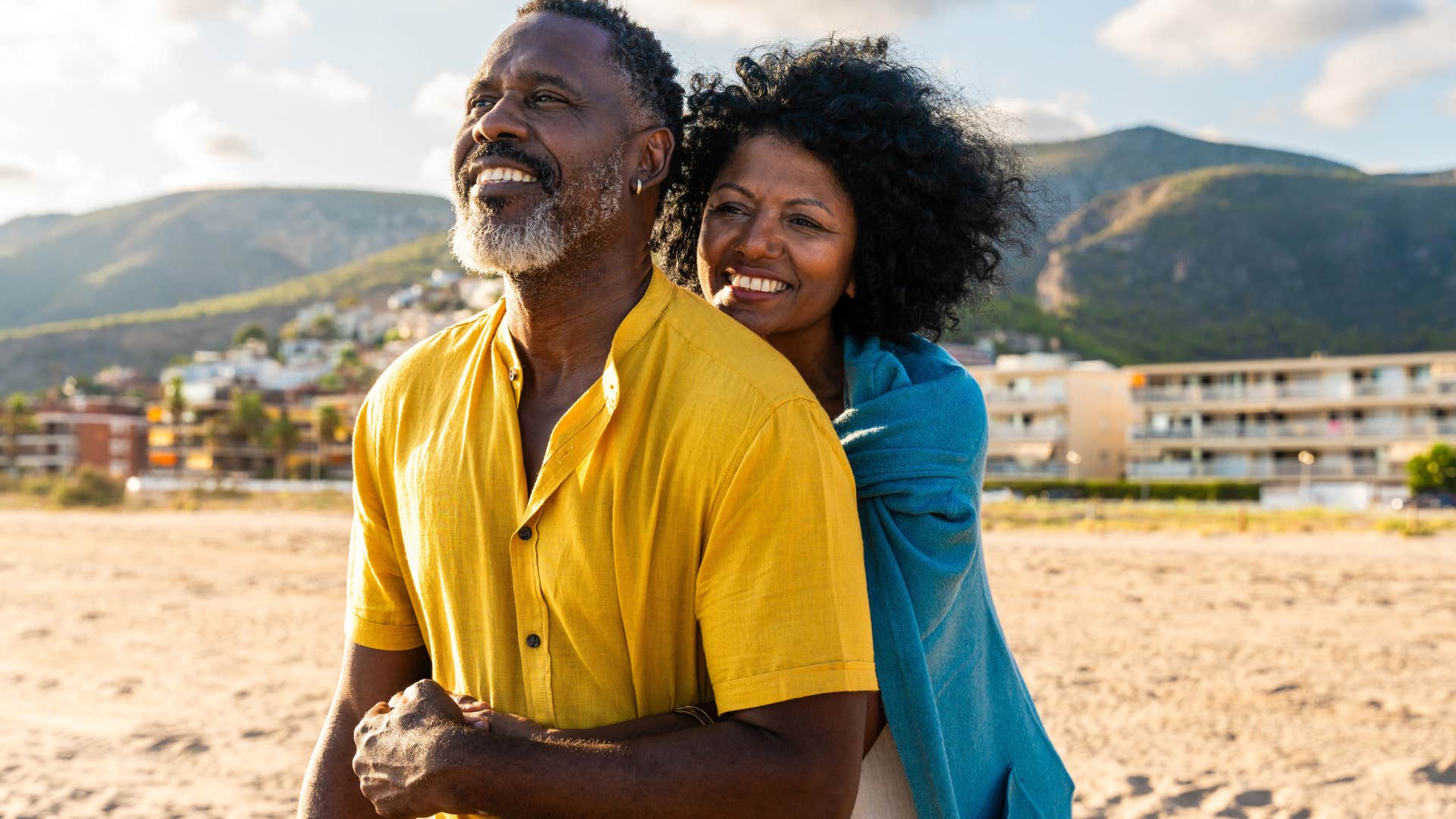
With “choice overload” from dating apps today partially contributing to people’s distaste for commitment, couples in the 1970s focused their energy on each other with the intention of dating. They didn’t split their time between a million people or run from a dating “label” to protect their autonomy, but leaned into the discomfort of effort and intention.
While social norms are changing and marriage is less essential than it was a few decades ago, modern couples could use a sense of this resilience. You don’t run away when things get hard. You commit and make the decision to put in the work, even when it’s inconvenient and uncomfortable.
11. You appreciate silence
 Dejan Dundjerski | Shutterstock
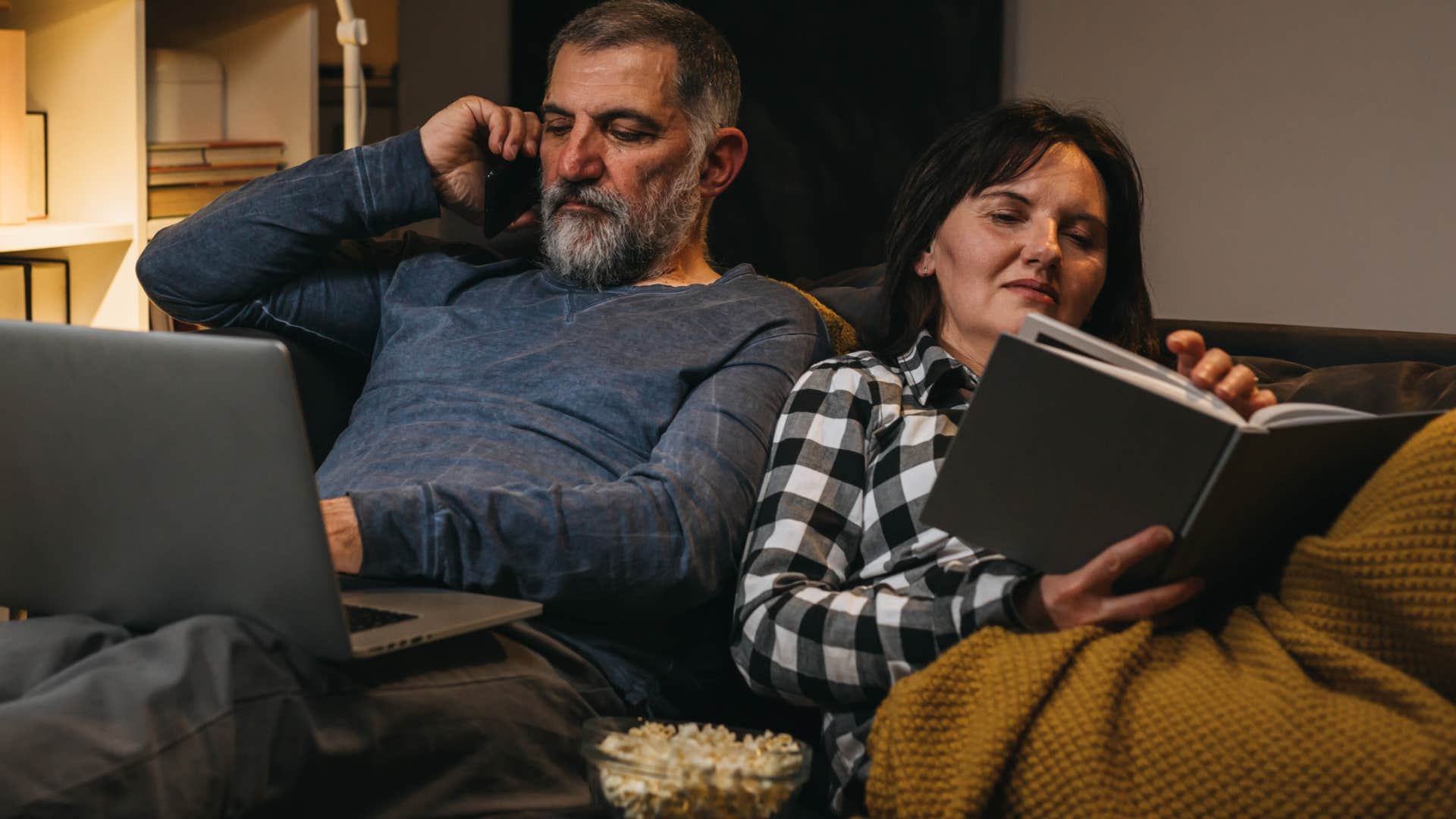
Especially early in the marriage, when cell phones and mindless entertainment weren’t necessarily present yet, great couples had to learn to sit with each other, embrace silence, and fill their time without distractions. They had to lean into conversations, check-ins, and quality time, without the presence of a cell phone or TV screen to constantly distract them.
If you got married in the 1970s, this might feel like second nature, but it’s actually a rare quality that’s going out of fashion today in a hyper-digital world.
Zayda Slabbekoorn is a senior editorial strategist with a bachelor’s degree in social relations & policy and gender studies who focuses on psychology, relationships, self-help, and human interest stories.
