
If You Have Any Of These 11 Hobbies, You Were Probably Raised By Very Good Parents
 M_Agency | Shutterstock
 There are many different ways you can tell if your parents raised you right. Sometimes, all it takes is a feeling of love and security. Some people look for more concrete evidence, whether it be for themselves or for others. But if you have any of these specific hobbies, you were probably raised by very good parents.
Your hobbies say a lot about who you are. Consumer psychology expert Josh Gonzales explained that there are two types of hobbies. The first, eudaimonic, or ones that involve growth, show you’re competent. The second, hedonic, or ones that are just focused on your entertainment, show you’re warm. The hobbies you’ve picked up over the years also say a lot about how your parents shaped you and whether they were good at what they did.
If you have any of these 11 hobbies, you were probably raised by very good parents
1. Reading
 DukiPh | Shutterstock
Reading might just be the most important hobby parents can pass on to their children. Of course, not every kid is going to take to it and enjoy it, so even if you aren’t much of a reader, that doesn’t mean your parents failed in some way.
But for a lot of people who love reading well into adulthood, it all started when their parents read to them when they were too young to do it themselves. And whether it's a preference for fantasy novels or historical biographies, if you have this hobby, you were probably raised by very good parents.
Neuropsychologist Laura Phillips said, “Just exposure to words is the single most important thing that you can do to help build the language pathways in your child’s brain. Reading and exposure to words helps kids maximize their language and cognitive capacity.”
When parents encourage their children to read, it shows that they have a sincere interest in their education, both formally and informally. They want them to not only have the knowledge they need to get through life, but also have a love of gaining more.
2. Gardening
 Ground Picture | Shutterstock
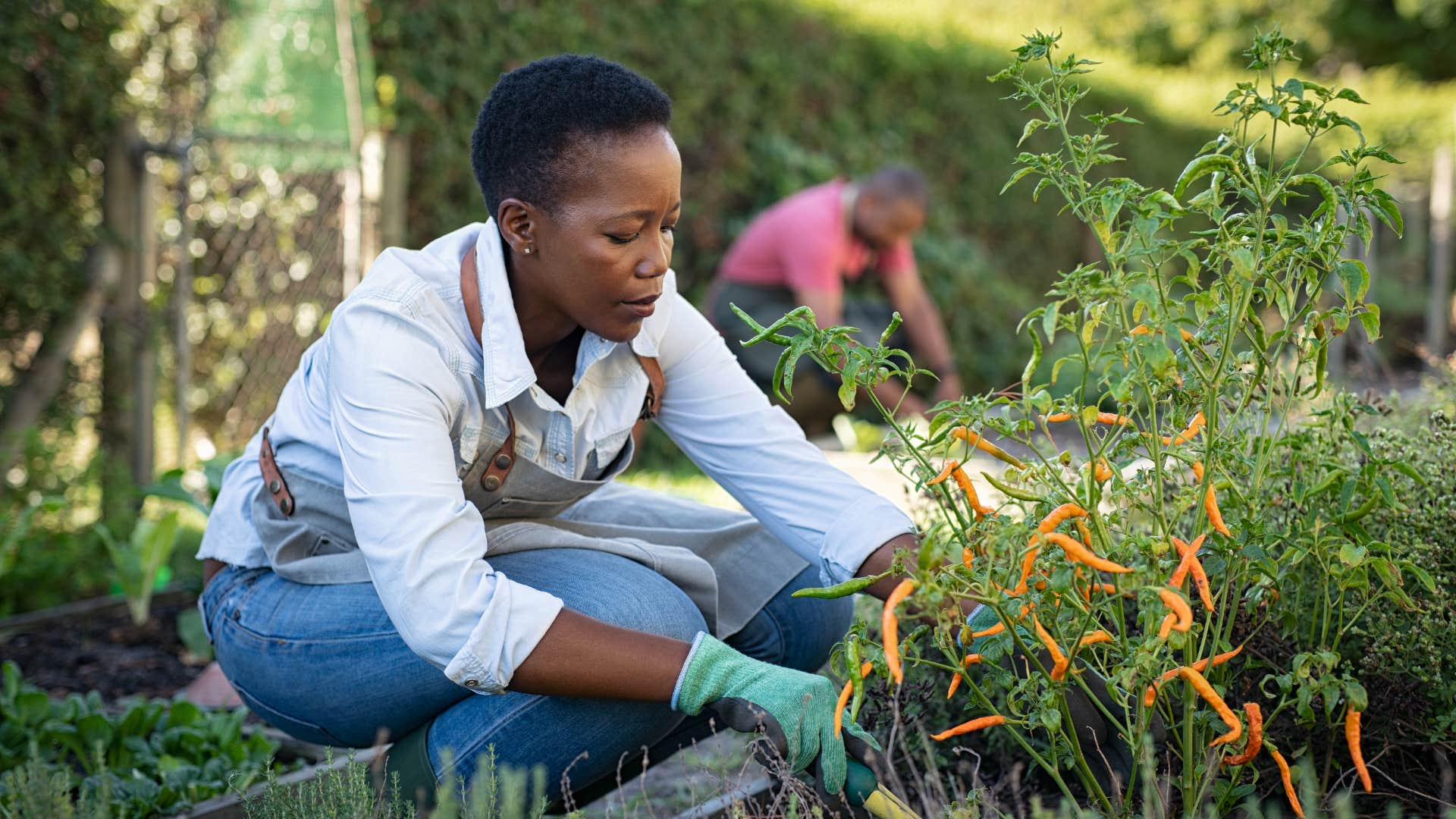
Gardening teaches so many important skills and lessons. It shows you the importance of being frugal and not overspending, while also being able to provide for yourself and be self-sustaining.
Many parents choose to start a family garden when their kids are young and get them involved in the effort. For others, parents may have simply encouraged these values, which led to their kids developing a green thumb later in life.
Authors Nimali Fernando and Melanie Potock explained that there are so many benefits to gardening with kids. It’s basically a built-in science lesson, and it will teach them to take care of their bodies by enjoying whole foods. It can also help them develop responsibility, communication skills, and mindfulness.
When parents start a garden with their children, they’re opening them up to new experiences and skills, and they’re helping them develop personally. Even if your parents didn’t actually start a garden with you, if it’s a hobby you have now, it means that they got you started off on the right path and encouraged you to focus on important things that serve you well now.
3. Traveling
 Drazen Zigic | Shutterstock
Travel is admittedly a hobby that it takes some privilege to participate in these days. However, when we think of traveling, we often think of flying to exotic destinations and getting stamps in your passport. Going on road trips also counts as traveling, and you don’t have to go far to find a place that is new to you and learn something about it.
When all travel took a pause in 2020, Eric Weiner, a former foreign correspondent for NPR, wrote, “In fact, I’d argue travel is an essential industry, an essential activity. It’s not essential the way hospitals and grocery stores are essential. Travel is essential the way books and hugs are essential. Food for the soul.”
Parents can instill a love of traveling in their children, even if it means taking them on simple, small day trips. This shows that they want them to learn about new people, cultures, and points of view. There is so much more to the world than just what we know in our personal bubbles, and getting outside of that to learn more shows you had good parents.
4. Sports
 Monkey Business Images | Shutterstock
Like all hobbies, playing sports isn’t for everyone, so not participating in it doesn’t mean that you had bad parents. However, getting involved in sports is one of the best ways to ensure you stay fit and healthy.
So, if your parents encouraged you to get into sports, they definitely cared about your well-being. Not everyone who enjoys sports in childhood will continue to do so in adulthood, but it does put you on the path to always value physical fitness.
In a study published in Sports, researchers noted that participating in sports can improve both your physical and psychological health, as well as aiding in your personal development. “Those who play sports have a higher level of physical activity later in life, and through sport, knowledge of nutrition, exercise, and health can be developed,” they added.
No matter when you get involved in sports, it means you’ll experience untold benefits. Anyone who pursues this kind of hobby was probably raised by good parents because it means they were taught to value their health and to prioritize physical activity. It’s important to keep a healthy focus on these things throughout your life.
5. Music
 Miljan Zivkovic | Shutterstock
There are so many ways you can get involved with music, whether it’s singing, playing an instrument, or even just being an avid listener. If you have any of these hobbies, you were probably raised by very good parents.
Whether it's learning to play an instrument or sing, you’re basically learning a second language that you’ll always carry with you. Even if you don’t undergo formal musical training, there are so many benefits to being musical.
According to the National Center for Complementary and Integrative Health, “Performing or listening to music activates a variety of structures in the brain that are involved in thinking, sensation, movement, and emotion. These brain effects may have physical and psychological benefits. For example, music causes the release of brain chemicals (neurotransmitters and hormones) that can evoke emotional reactions, memories, and feelings and promote social bonds.”
Furthermore, encouraging a love of music is really akin to cultivating a love for diverse cultures and experiences. If your parents pushed you to get into music, even just by listening, it means they were likely very good parents. This is a huge blessing for any kid that they will carry with them for the rest of their life.
6. Volunteering
 Krakenimages.com | Shutterstock
One of the most meaningful hobbies anyone can have is volunteering. Giving your time to a good cause is a selfless and compassionate thing to do. If you find yourself volunteering and working to make life better for others, there’s no question that your parents passed on some very important values to you. Even if you didn’t start volunteering until you were an adult, they likely planted the seed.
Licensed clinical social worker Angela Thoreson said that volunteering can have a positive impact on your physical and mental health, as well as giving you a sense of purpose and a chance to develop new skills. And, of course, “Volunteering increases social interaction and helps build a support system based on common interests.”
So often, we focus on the altruistic benefits of volunteering that impact those you serve. However, it also benefits the volunteer in so many ways. Having a passion for making a difference in the world shows that you are a good person who was raised by good parents.
7. Cooking and baking
 Just Life | Shutterstock
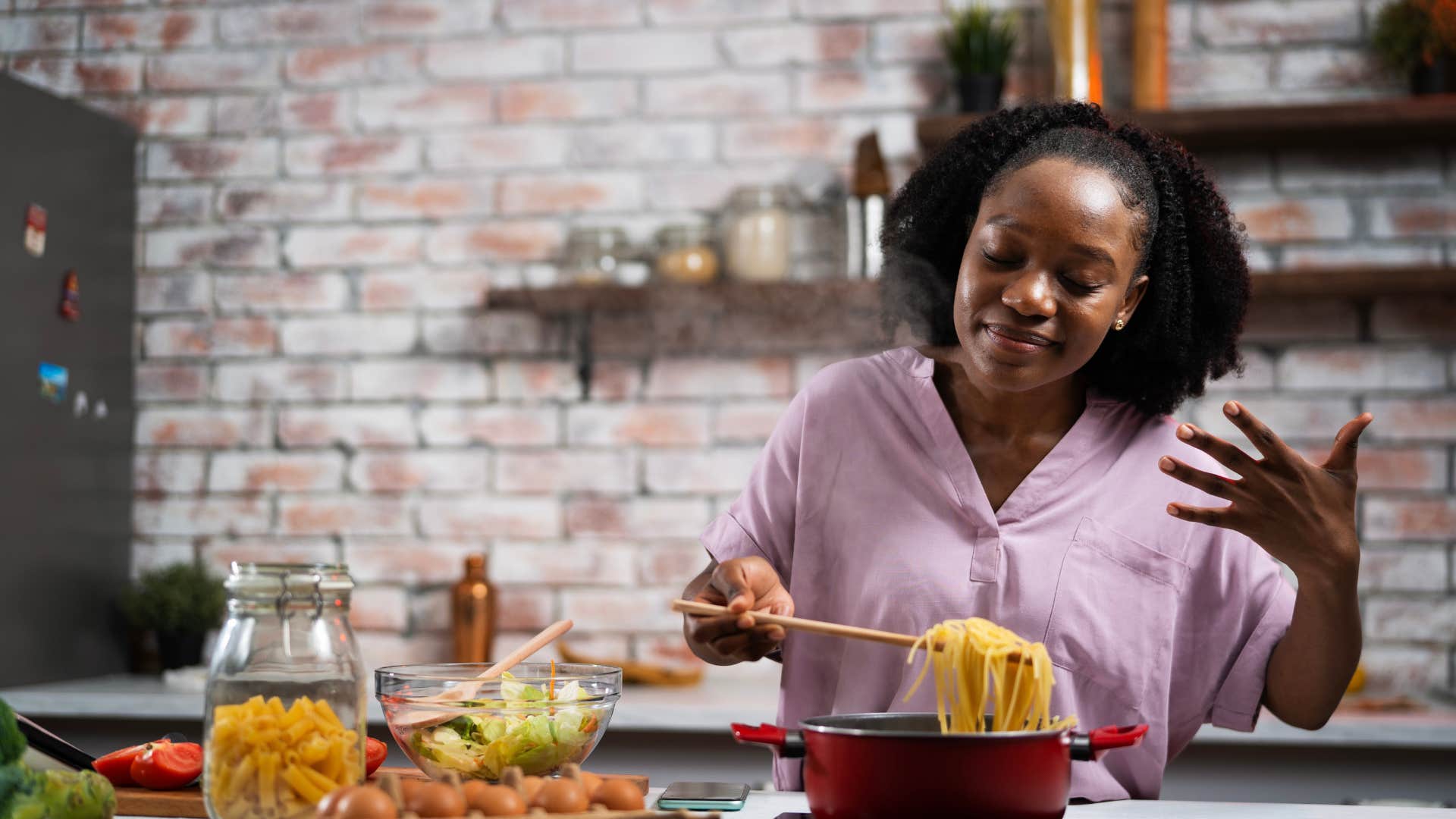
If parents want to give their children a head start in life, encouraging them to pursue a practical, helpful hobby like cooking or baking is an excellent way to do so. Anyone can learn to cook or bake at any point, but kids who have been doing it from a young age will surely be more comfortable with the process and have an even better handle on it as an adult.
Mental health practitioner Ankita Guchait said, “Psychologists describe mindfulness as paying attention to the present moment. Baking does exactly that, just with a spoon in hand. The rhythm of stirring, the smell of vanilla, the soft feel of dough — it all keeps you in the moment. Research shows that everyday creative activities like cooking and baking are linked with improved mood and emotional well-being.”
In addition to the fact that cooking and baking provide mental health benefits, they’re also very useful things to have a solid understanding of. If you know how to cook and bake, you know how to take care of yourself, and how to save lots of money by not having to order takeout every night. They’re good skills to have, and they mean your parents raised you well.
8. Thrifting
 gabriel12 | Shutterstock
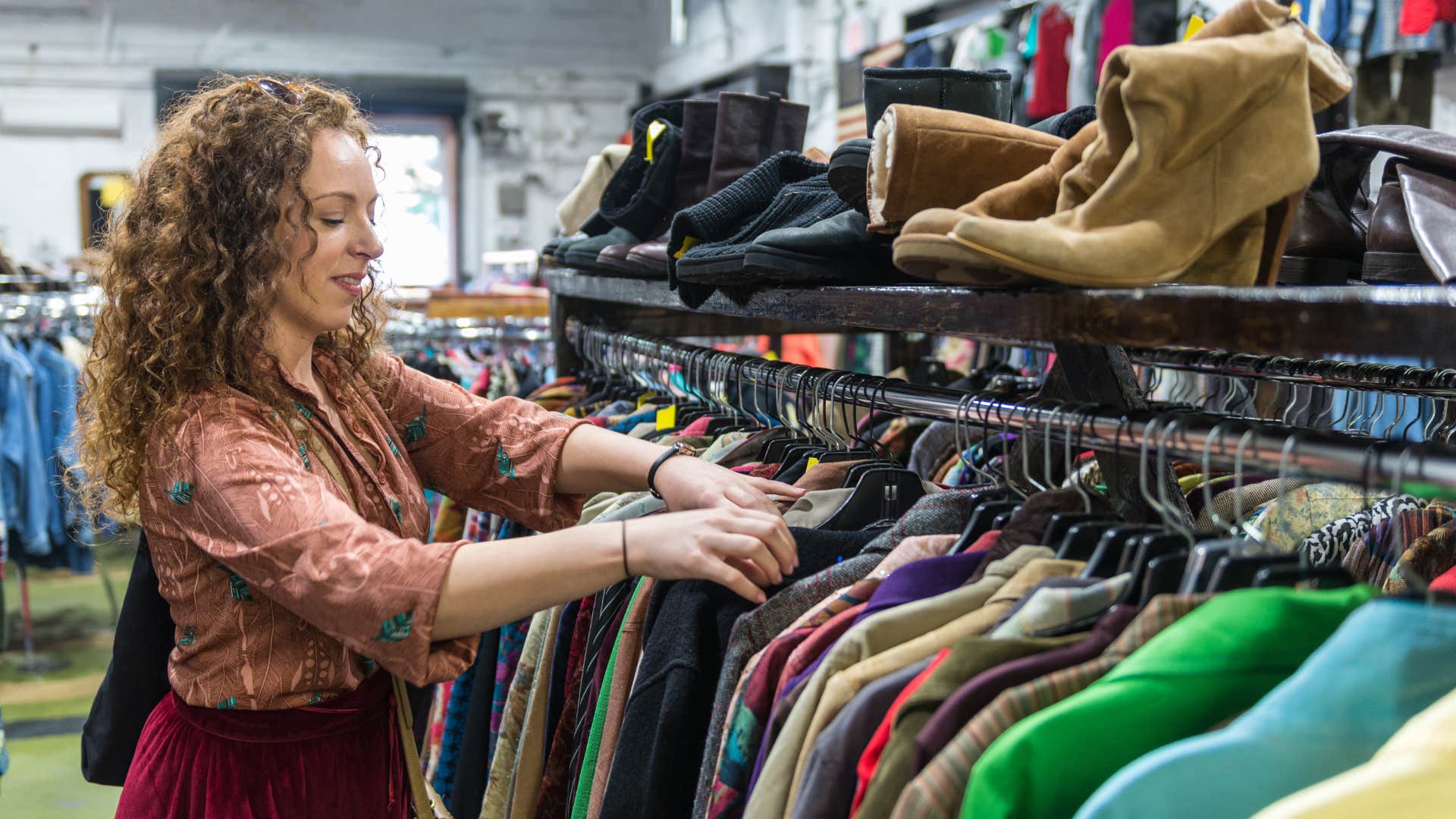
If you love thrifting, it shows that your parents instilled some pretty important values in you. They taught you to live sustainably and reduce your carbon footprint. They also showed you the importance of saving money wherever possible. And, of course, you’re helping with the massive waste crisis we have in the world.
Science journalist Abigail Beall reported that Americans throw away an average of 13 million tons of clothes each year. This is why the University of Colorado Boulder said that thrifting can lead to “less clothing in landfills” and “fewer wasted resources.” Obviously, they also pointed out that thrifting is a great way to save money.
Maybe your parents tried to take you thrifting when you were a kid, but you didn’t understand it or thought it wasn’t as cool as going to the mall to get new clothes. But hopefully by now you have picked up on how important it is to both the environment and your wallet to buy secondhand when possible.
9. DIY projects
 Ostanina Anna | Shutterstock
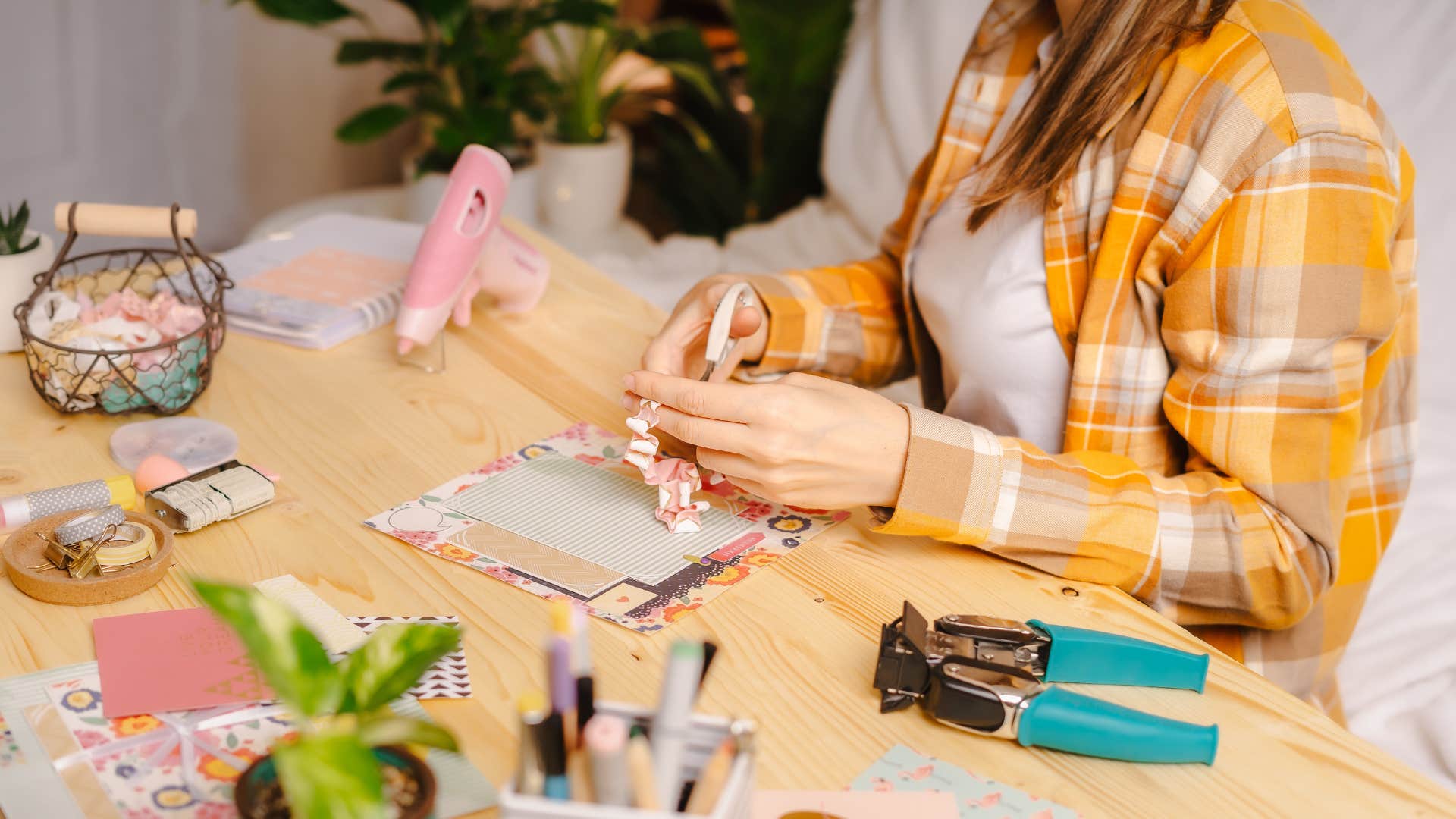
DIY projects are another useful hobby you can participate in that signals you were raised by good parents. Whether it’s fixing things up around the house or creating something new, knowing how to do these projects is incredibly helpful. Not only can you improve your space, but you’ll also have a knowledge of how to use different tools and resources.
Journalist Jacque Wilson said, “Crafting can help those who suffer from anxiety, depression, or chronic pain, experts say. It may also ease stress, increase happiness, and protect the brain from damage caused by aging.”
Parents can encourage their kids to start DIY-ing when they’re young, and they can set an example by doing so themselves. This will have benefits for their kids’ mental and physical health, but it could also potentially save them some money depending on what they choose to create.
10. Writing
 PeopleImages | Shutterstock
Writing might sound like a rare hobby. After all, not everyone has the ability to sit down and bring fictional worlds and characters to life on the page. But that’s not the only form of writing.
Having writing as a hobby could mean you enjoy journaling or writing essays. Basically any form of putting words together counts as writing, which makes it a pretty accessible hobby.
James Pennebaker, a cognitive psychologist at the University of Texas-Austin, studied the impact of writing on people who are struggling emotionally. Summarizing his findings, M. Cecil Smith said, “Short-term, focused writing can, according to Pennebaker, benefit anyone — from persons who are dealing with terminal illness, victims of violent crime, or new college students struggling with the transition from high school.”
Writing is a great creative hobby to take on that can affect you in so many ways. If your parents encouraged you to express yourself in this way or a similar one, chances are they cared about you a lot. They wanted you to have a creative outlet through which you could express your feelings and maybe even leave your mark on the world while you’re at it.
11. Going to museums
 STEKLO | Shutterstock
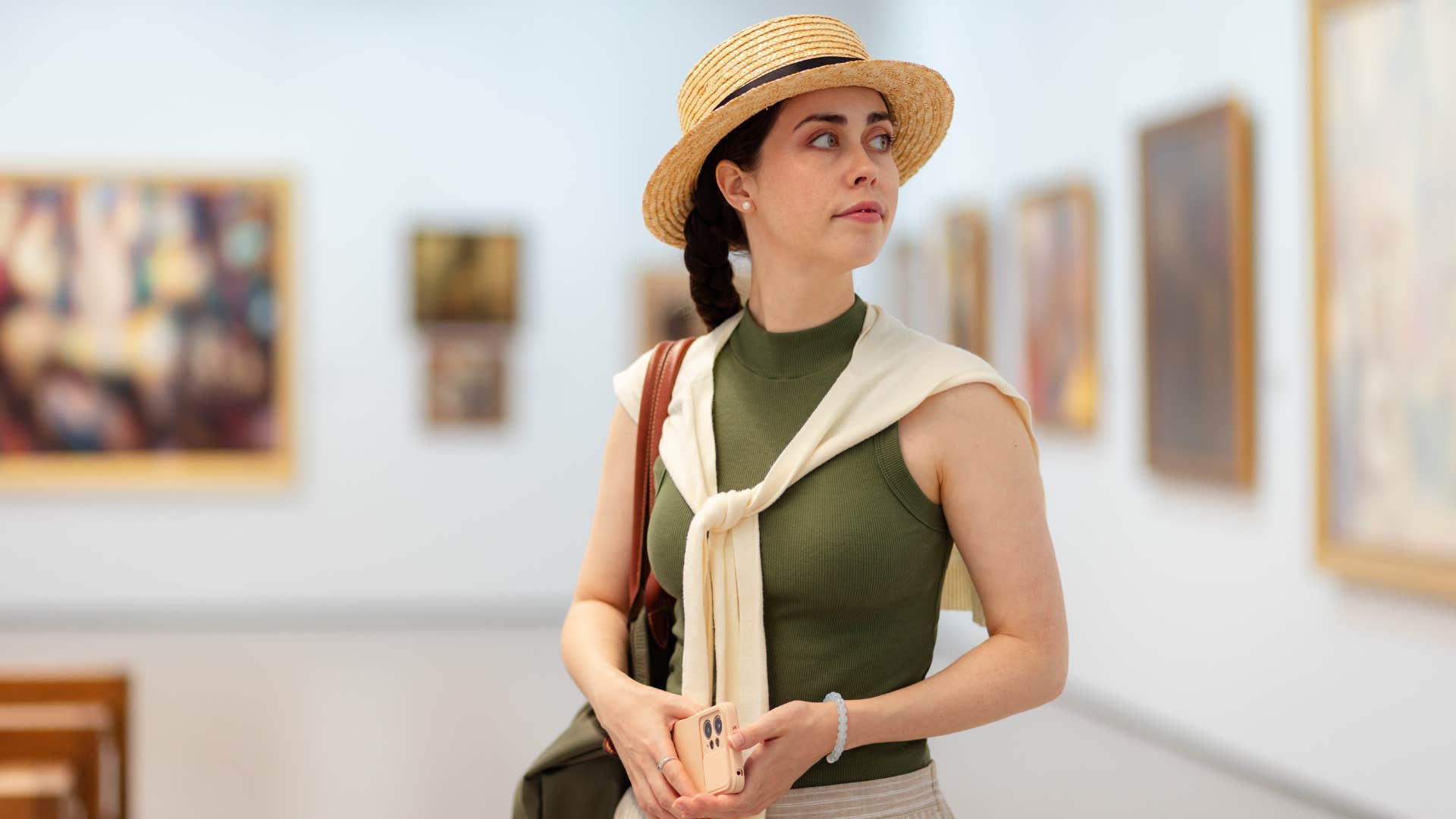
Going to museums is a hobby that isn’t talked about very often, probably at least in part due to the fact that it has become a bit obsolete for some people. You go to museums to learn and to enrich your appreciation of different forms of art, but a lot of people don’t feel the need to do that when you can easily look up that information or artwork online.
Still, there is something special about going to museums. It shows that you care about being a lifelong learner and are always curious. It also shows that you have an appreciation for institutions that are fighting hard to continue teaching people. This means your parents were probably very invested in your education and taught you that knowledge is a treasure. That’s a wonderful thing.
In a study published in Behavioral Sciences, researchers said of museums, “They offer an abundance of positive benefits for visitors’ personal growth, such as an increase in self-esteem, sense of identity, reduced social isolation, and decreased anxiety.” It may seem old-fashioned, but going to museums is definitely a hobby that’s worth undertaking.
Mary-Faith Martinez is a writer with a bachelor’s degree in English and Journalism who covers news, psychology, lifestyle, and human interest topics.
