
Gen Z Finds It Super Annoying When Their Gen X & Millennial Parents Do 11 Outdated Things
 SpeedKingz | Shutterstock
 Parents of Gen Z kids have faced challenges they never could've imagined. Gen X and millennial parents navigating societal changes and tech advances can sometimes annoy their kids, usually when they have no clue of what life is like for Gen Z kids in today's economy.
Unfortunately, according to the Survey Center on American Life, Gen Z also experiences the highest rates of loneliness than other generations. With this in mind, it's especially important for Gen X and millennial parents to stop relying on outdated jokes, rules and behaviors and start seeing their kids for the awesome people they truly are.
Gen Z finds it super annoying when their Gen X & millennial parents do 11 outdated things
1. Teasing their child for being 'emotional'
 Wavebreakmedia | Shutterstock
According to a Gallup survey, 46% of Gen Z feels misunderstood by their parents, specifically when it comes to conflict resolution, open communication, and showing affection. Over 62% of them just want to feel listened to by their parents when they're upset, instead of criticized, offered unprompted advice, or made fun of for their unique problems.
Many experts suggest that Gen Z and their parents are experiencing the harmful consequences of a new generational gap, fueled by their changing cultural and social norms, technology, new beliefs and values, and high-stress struggles like financial insecurity. Feeling unheard by their parents often starts with not being taken seriously or not being actively listened to, which can start with jokes and end with larger conflicts about genuine communication.
Gen Z is more willing and able to express their emotions compared to many older generations that grew up learning to repress and ignore. This general divide can add another layer to this feeling of being misunderstood and alienated from their families that many Gen Zers experience.
2. Denying their own emotions
 Fizkes | Shutterstock
Gen Z is largely characterized as the most "emotionally aware" generation, as they've grown up with social media and online resources that expand their accessibility to information about mental health, healthy relationships, self-care, and personal development. They're given practical tools to learn these things early in life, even if their parents aren't openly communicative and emotionally intelligent.
Gen X or millennial parents who feel threatened or insecure in the face of their Gen Z kids' emotional intelligence may resort to both repressing their own emotions and avoiding uncomfortable conversations. They may be clearly stressed, angry or scared, but they deny it to their kids, partly out of habit. After all, it's what their boomer parents taught them!
They may also gaslight and criticize their kids, saying they're "dramatic" or "overreacting" to self-soothe their own discomfort. This leads to serious problems, all over something totally outdated.
3. Refusing to resolve conflicts
 Prostock-studio | Shutterstock
Gen X and millennial parents often annoy their Gen Z kids by pretending like conflicts and bad feelings will just disappear if they ignore them. But Gen Z is correct, and that thinking is outdated.
According to a study published by Development and Psychopathology, parents with avoidant tendencies surrounding conflict can feed into emotional insecurity in their family system. By avoiding or degrading conversations about uncomfortable emotions, they not only repress their own emotions, they contribute to unresolved conflicts and resentful feelings in their kids.
Without clear, open, and healthy avenues to discuss these things with their parents, Gen Z kids feel alienated and generally misunderstood, feeding into the levels of loneliness they're constantly experiencing and mitigating in their daily lives.
4. Standing by instead of advocating for their kids
 Motortion Films | Shutterstock
The older generations were often left to fend for themselves, especially Gen X and the older millennials. They had to fight their way through life, with pretty much nobody advocating for them. But Gen Z wants something different. They want to know their parents will stand up for them, if needed. When they don't, it annoys their kids and hurts their feelings.
A parent's physical and emotional absence can contribute to "left-behind" children, according to a study by the International Journal of Environmental Research and Public Health. These alienated kids are not just more likely to perform poorly in academic and intellectual spaces, with many of them choosing not to explore university options, they also struggle with their own emotional intelligence as a result of feeling unsupported growing up.
Parents can't protect and shield their kids from all of life's struggles, but they can step in and advocate for their kids when it makes the most sense: from bullying, abuse, discrimination, and when they have learning differences or challenges that need to be addressed.
This doesn't mean Gen Zers think they shouldn't have to learn from mistakes, they do. But they know they deserve their parents to have their back, too.
5. Having a 'favorite child'
 ORION PRODUCTION | Shutterstock
One extremely outdated thing some Gen X and millennial parents do that annoys their kids is having a favorite child. Even when parents joke about it, it can be annoying and raise sneaking suspicions in the others that they aren't actually as loved as the favorite.
According to social psychologist Ilan Shriro, favoritism amongst parents and their children occurs in nearly two-thirds of families in the United States. Whether favoritism often manifests as less critical discipline, more rewards, or a higher degree of emotional and physical support from parents, it can also alienate other siblings and children that feel less loved and appreciated.
Sparking self-esteem issues, loneliness, and mental health concerns in many children, as they feel forced to change their personalities and habits to appease their parents, many of these Gen Z children learn that they're most comfortable when they're not at home or around their parents.
Some might even adopt attention-seeking behaviors and people-pleasing tendencies that sabotage their relationships with their siblings and other family members by introducing resentment into their dynamics.
6. Disrespecting their kids' boundaries
 Pics Five | Shutterstock
Gen X and elder millennials weren't raised with boundaries. What was theirs belonged to their parents, and they had no space that couldn't immediately be intruded upon when they were kids. It can be hard for these generations to break this habit with their Gen Z kids, who know they deserve better.
Especially considering parents today are more protective than ever, with accessibility to more safety concerns about social media and "horror story" headlines online, it can be impossible to respect their children's phone privacy and personal space without constant anxiety.
When parents go poking around in their kids' texts, DMs and social media, it can be done out of protection, but it can also be done as a way of controlling them. Without set boundaries in place around technology, it all feels like a violation of boundaries. When their kids are adults, it's more than just annoying, it's a total violation of privacy.
According to a study from the Journal of Youth and Adolescence, this overprotection often does more harm than good in their children by taking away their autonomy in the home, pushing kids away from their parents, and sabotaging the fundamentals of trust that are necessary for healthy parent-child relationships.
7. Openly criticizing their child's other parent
 Fast-stock | Shutterstock
Gen X parents grew up watching shows like Married With Children and others where the mom and dad were overtly rude and insulting to one another, as if it were normal. But Gen Z's emotional intelligence is so high, they know that's not healthy behavior. Even when their parents do this as a joke, it annoys their Gen Z kids.
Worse, some parents do it out of genuine anger or contempt for the other parent, something that's incredibly destructive to their kids, as well.
According to a report by the Family Institute at Northwestern University, parental "bad-mouthing" to children can have adverse effects on their familial relationships, comfort at home, and communication skills with both of their parents. By creating negative feelings and critical thoughts about their other parent in a child's mind, toxic parents can control the narrative of the family.
Especially prevalent in divorced and separated parents, this "parental alienation" not only puts their kids in uncomfortable situations in the middle of their adult parents, it sparks uncomfortable emotions like guilt and shame into their Gen Z kids that often take a lot of work to unlearn in adulthood.
8. Acting insecure or childish
 Chay_Tee | Shutterstock
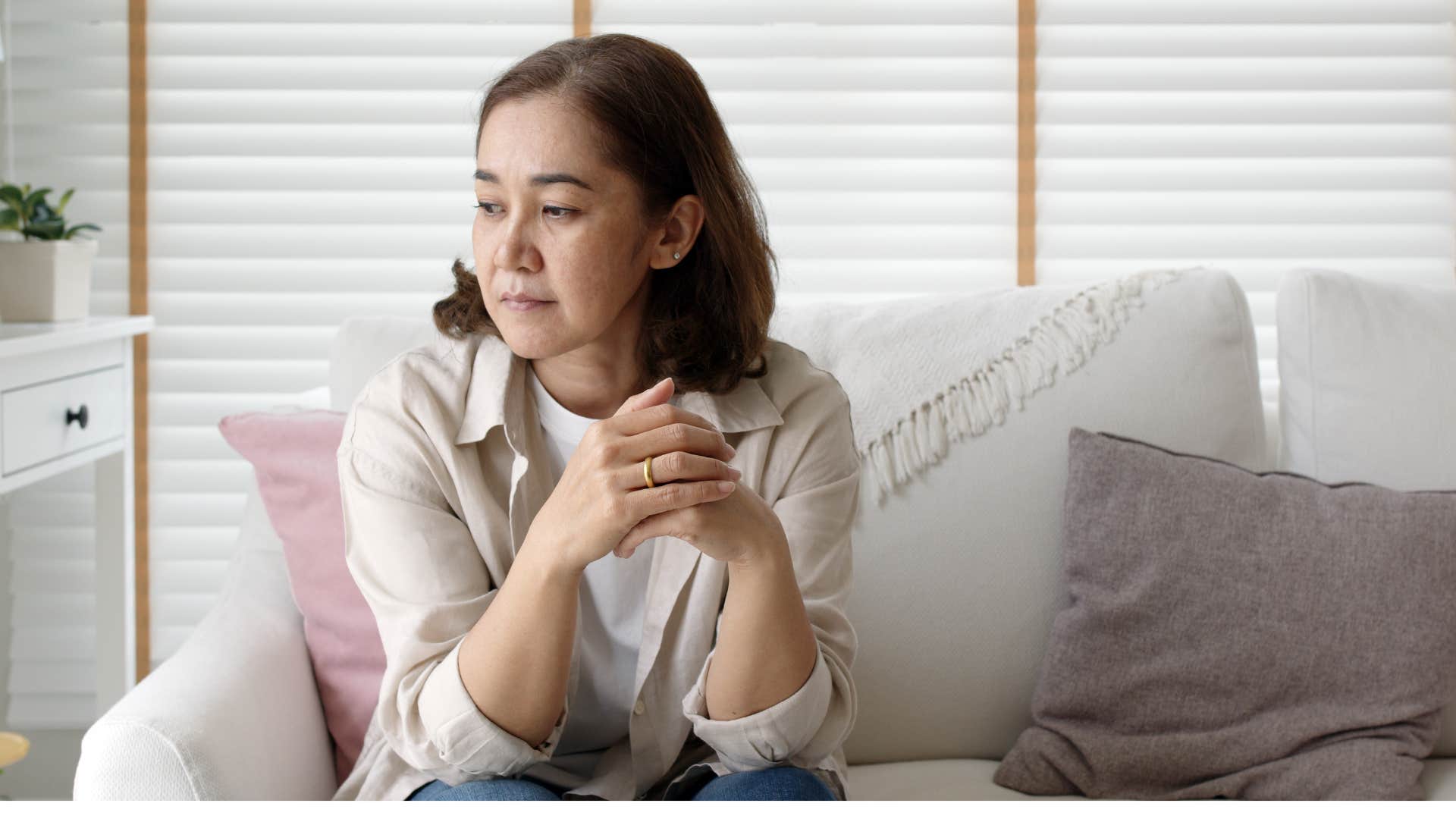
Most people have met a parent who tries to act cool or like a teenager. Some may even flirt with their child's friends! This is gross and always was, and Gen Z kids are even more sensitive to this weird behavior than their Gen X and millennial parents would've been. They sense it comes from low self-esteem, and they find it annoying because their parents should be well past that behavior.
Emotionally immature parents are almost always battling with their own insecurities. They were taught (or learned) that expressing their emotions and communicating openly with others would only put them in a place to be ridiculed or judged by others, so they instead close themselves off. Even to their own children, they repeat this cycle of insecurity, sabotaging their self-esteem by teaching them similarly misguided self-preservation techniques.
According to experts at the Private Therapy Clinic, insecure parents struggle to meet their children's needs, mostly because they can't even meet their own. Especially detrimental for Gen Z kids who are more aware of this emotional gap with their parents, this behavior can be isolating and alienating for kids, even into adulthood as they try to navigate their own personal relationships.
9. Act like any job that's not a full-time office job is a joke
 Fizkes | Shutterstock
As the "digital native" generation, Gen Zers have spent the majority of their lives around social media, cell phones, and technology, to the point where it's impacted every aspect of their lives. It's natural to them. They often find ways to make money online, which is a clever way to adapt to a changing jobs market where there are less full-time positions than ever before.
Parents who are skeptical or talk down about their Gen Z kids' new perspectives and opportunities can spark resentment in their kids. Not only does it stop parents from being able to openly celebrate their kids achievements, it sparks seeds of doubt, anxiety, and guilt into their kids simply for pursuing their passions or interests.
Even worse, these parents ignore the reality of what Gen Z is up against when they look for a job. It's not the same as it was for Gen X or even millennials, and it's annoying for their kids to have to explain this again and again.
10. Shifting blame
 Fizkes | Shutterstock
You've probably seen the trend on social media where adult to ask their Gen X and baby boomer parents for an apology for things that were done in their childhood. Some are beautiful stories, where the parents take accountability and there is a moment of clarity and connection. Other times, the parents refuse, saying they simply couldn't have done it differently because their kid was so naughty or so hard to handle.
According to Cleveland Clinic psychologist Chivonna Childs, one of the main ways parents contribute to alienating their children is their tendency to shift blame and avoid accountability. Instead of taking responsibility for their mistakes and actions, even at their own expense, to support and communicate openly with their kids, they blame-shift and victimize themselves.
Not only can this spark similar behavior in their kids as they grow up, it also alienates them from true bonds with their parents. They're taught that making a mistake is something to avoid at all costs, even if it means lying or being deceitful to the people closest to you.
11. Refusing affection
 Fizkes | Shutterstock
According to licensed psychologist Akilah Reynolds, children who don't receive the necessary affection and affirmation from their parents in childhood will often experience more of the consequences of loneliness into adulthood than those who do. For past generations, this was just expected. Parents rarely gave affection after kids started growing up. But Gen Z expects more, and they know they don't need to be lonely.
Being able to give and receive open affection in a family is necessary to cultivating a healthy dynamic, and when children aren't given it without conditions, they may resort to toxic attention-seeking behaviors to get their parents attention and fight to feel loved.
Gen Z understands this, and will often try to be affectionate. When their parents refuse to give affection back, it annoys them, as they know they deserve it. And that is one of the best things about their generation, they know what's healthy and they aren't afraid to ask for it. Even from their own parents.
Zayda Slabbekoorn is a staff writer with a bachelor's degree in social relations & policy and gender studies who focuses on psychology, relationships, self-help, and human interest stories.
