
11 Everyday Things Eldest Daughters Were Expected To Handle On Their Own
 Krakenimages.com | Shutterstock
 While "eldest daughter syndrome," defined by a firstborn daughter's burdens and responsibilities, can often be caused by disconnected parents, according to psychologist Dr. Kate Eshleman, it can also be a symptom of unrealistic gendered expectations for young women. They're expected to care for their family, do constant emotional work, and solve problems at the expense of their own needs.
There were many everyday things that eldest daughters were expected to handle on their own because of these expectations, and while they might have been parentified enough to juggle them all, the lingering consequences have followed them into adulthood. They may be more responsible, independent, and responsible, but chances are they're also often isolated, chronically stressed, and anxious.
Here are 11 everyday things eldest daughters were expected to handle on their own
1. Caring for younger siblings
 evrymmnt | Shutterstock
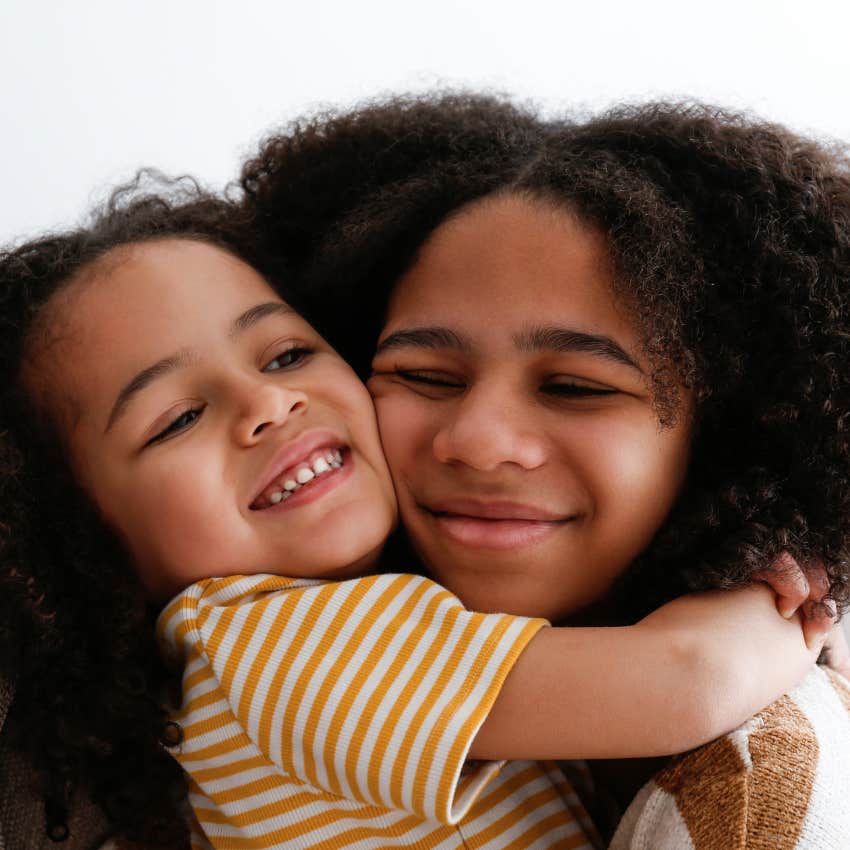
Whether it was mediating their younger siblings' conflict or babysitting when their parents weren't home, eldest daughters were often expected to step in as a supplemental parent when theirs weren't around. Not only did this parentify them and teach responsibility from a young age, but it also encouraged them to become self-reliant to a fault — putting the needs of others always ahead of their own.
Even if they had older brothers, many eldest daughters still took on the role of "caretaking" for siblings in homes where traditional gender roles were present. Much like adult women in their households and relationships today, they took on the majority of childcare roles, even if it meant sabotaging their own childhood experiences and innocence.
2. Managing their own emotions
While many eldest daughters were expected to handle practical, tangible tasks like childcare and cooking at home, it's not uncommon for them to also become a pillar of emotional support for the family. They had to learn how to manage and regulate their own emotions, because they were so often expected to help their siblings and parents mediate their own.
So, it's not surprising that eldest daughters often develop a certain level of emotional intelligence out of necessity as a kid, even if it leads to suppressing the emotions they notice and finding misguided ways to self-soothe to protect themselves.
3. Solving their own problems
Independence comes early for eldest daughters, expected to be more mature at a young age. Whether it was being a parent to their younger siblings or being the mediator between parents during emotional arguments, they were forced to grow up and often missed out on the innocence of childhood that their sibling counterparts had space to enjoy.
Especially in single-parent households, it's often daughters who assume this role. While it can cultivate resiliency and independence, these daughters are also forced to bear an emotional burden for others that doesn't just dissipate when they become adults and leave their home.
4. Managing their disappointment
Whether it came from watching their siblings get to be kids for longer than they were allowed or regulating their emotions in the face of struggles they had to figure out on their own, these were some of the everyday things eldest daughters were expected to handle on their own.
Especially if they are the first in the family to avoid suppressing their feelings and pushing away all that energy, they're likely unsupported in actually healing and mediating these complex, overwhelming emotions. They carry deep emotional burdens that don't just parentify them from a young age, but often strain their family dynamics and cause hyper-independence later in life.
5. Being a role model
 Miljan Zivkovic | Shutterstock
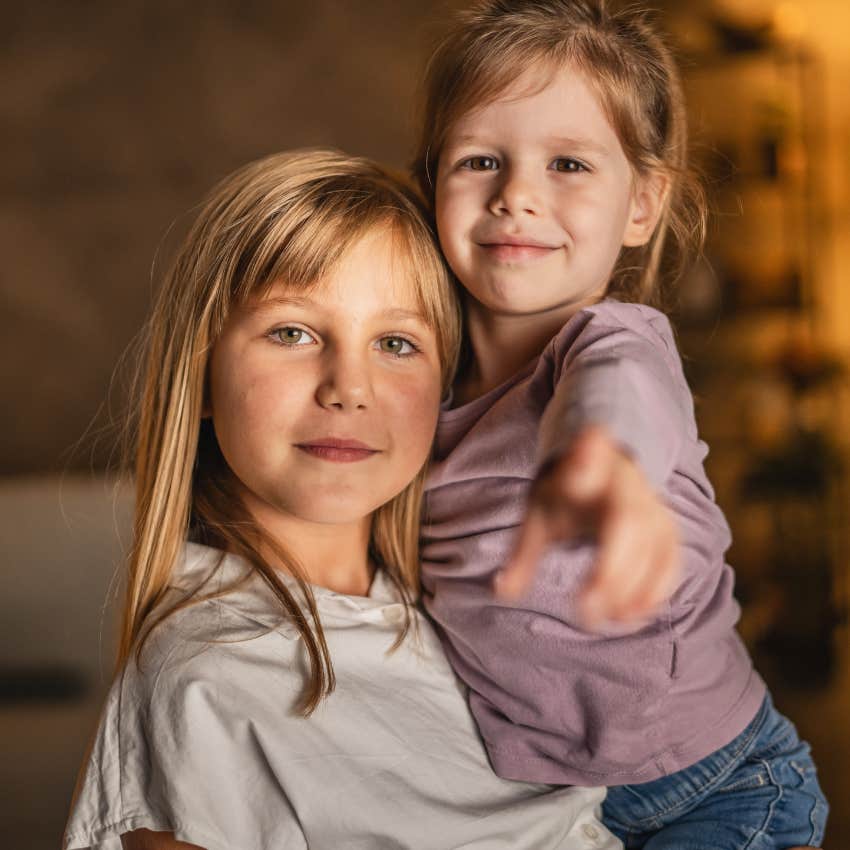
On top of caring for their siblings and even emotionally supporting their parents, many eldest daughters were expected to be the perfect role models for their younger siblings. Even if that meant suppressing their own needs, protecting the peace, and holding themselves to unrealistic standards of "perfection," these were some of the everyday things eldest daughters were expected to handle on their own.
That's part of the reason why eldest daughters tend to mature incredibly early in their lives, according to a study from Psychoneuroendocrinology. If they're expected to be a pillar of strength and direction for struggling parents, especially emotionally with their mothers, it's not surprising that they were the third or second parent at home.
6. Supporting themselves
Whether it was getting ready for school on their own or celebrating their own milestones, because eldest daughters are often given a great deal of trust and responsibility in their lives, they're hardly supported in managing their own things. They show up emotionally and physically for everyone else in the family out of necessity, but it's hardly reciprocated to the same level.
While part of this can be due to complicated family dynamics, financial struggles that leave parents out of the home a lot, or even a lack of time, supporting themselves is one of the everyday things that eldest daughters are expected to handle on their own.
7. Carrying guilt
When they made time for themselves, celebrated their accomplishments, or rested, many eldest daughters were pressured into adopting guilt. Their entire childhoods were framed around caring for others, whether it was siblings or parents, so it's not surprising that this guilt follows them into adult routines.
Feeling like they're constantly not doing enough is the bane of an eldest daughter's existence. So, the second they put their own needs first or do something for themselves, they're thinking about how they could be doing something for another person instead.
8. Being isolated
Many eldest daughters struggled to make friends in childhood because they were expected to mature and handle everything from a young age. They were a lot more mature than their peers, and simultaneously urged to put their needs on the back burner, making friendship and social investments seem less important.
While it might have crafted more time for them to care for others and their families, it sabotaged their ability to cultivate strong friendships and find the support they already weren't getting at home. They had to learn to sit with and live with their loneliness, even when they were always around other people.
9. Struggling with self-worth
 New Africa | Shutterstock
According to a study from the Journal of Child Psychology and Psychiatry, parent-child relationships and closeness are intrinsically tied to child well-being and self-worth. For eldest daughters, who not only struggled with balance and closeness with their parents but also learned to tie their self-worth into action and responsibility, it's no surprise that insecurity was something they had to manage on their own.
As adults, their hyper-independence or even people-pleasing behaviors — however their childhood experiences manifest — are simply a means of coping with that misguided self-worth.
10. Being the 'strong one'
Expected to handle everyone else's emotions, resolve everyone's crises, and suppress their own needs, it's no surprise that being the "strong one" was an everyday thing that eldest daughters were expected to handle on their own.
Especially if their parents were out of the house most of the day, and they were alone to resolve problems and care for their siblings, they had no choice but to be this pillar of guidance and strength. Without them, the entire household would fall apart.
11. Remembering everything
From doctor's appointments to deadlines for homework, and their family's entire schedule, it was often the eldest daughter's responsibility to remember important dates and to handle administrative work within the family.
Of course, this tendency is largely rooted in traditional gender stereotypes, where women are expected to handle administrative work, planning, and organizing, and considering these daughters were parentified young, they started early.
Zayda Slabbekoorn is a senior editorial strategist with a bachelor's degree in social relations & policy and gender studies who focuses on psychology, relationships, self-help, and human interest stories.
