
People Who Make Their Beds Every Single Morning Usually All Have These 11 Rare Personality Traits
 Roman Samborskyi / Shutterstock
 Despite being such a simple, menial task, making your bed every single morning has a catalog of benefits that seep into every part of your life. According to clinical psychologist Michael J. Breus, this small daily habit not only improves stress levels and sleep quality, but it can also reduce tension in relationships, increase productivity, and boost your mood. Even if everything else goes wrong, people who make their beds every day at least come home to a clean bed, ready to start the next day on the right foot.
People who make their beds every single morning usually also have certain rare personality traits. On top of the benefits they receive from the small ritual, they also benefit from traits such as self-discipline and intentionality that boost well-being and happiness across other aspects of their daily routines.
People who make their beds every single morning usually all have these 11 rare personality traits
1. They’re secure
 YEVGEN_RYCHKO via Canva
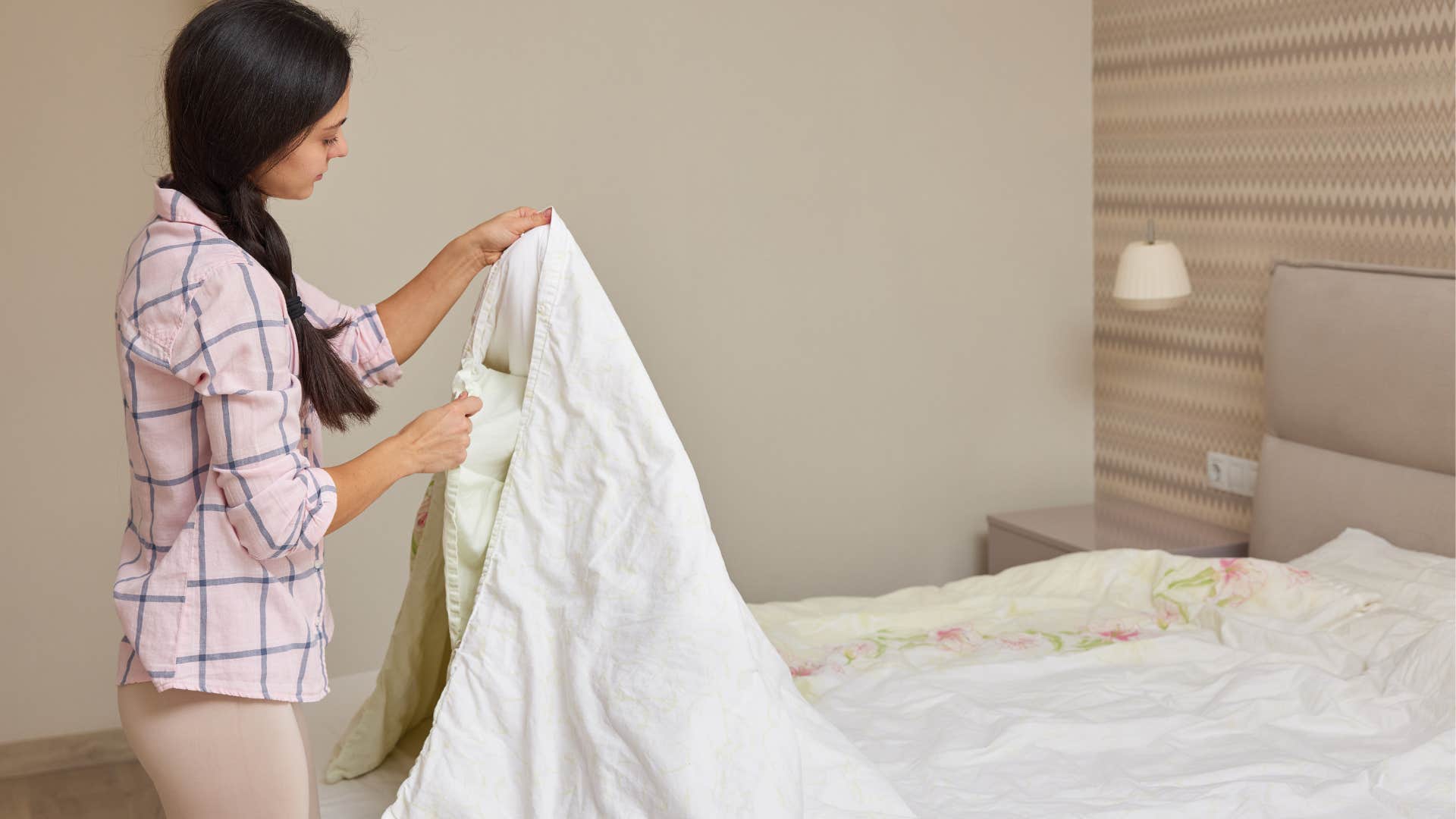
By relying on routines and small rituals for a sense of predictability and purpose, people who make their beds every day are often secure in themselves and their lives. They don’t need to rely on other people or relationships to feel less stressed and grounded, because, at the very least, they have something like a made bed to come home to for comfort at the end of a long day.
There’s a reason why self-discipline, mindfulness, security, and self-esteem are inherently linked, as a study from the Psychological Studies journal explains. Even 10 minutes of mindfulness before starting your day, like making your bed or doing intentional skincare, is powerful for boosting your sense of self, connection, and well-being.
2. They’re disciplined
 Slatan via Canva
Even when they wake up on the “wrong side” of the bed or are stressed about making it to work on time, people who religiously make their beds every day will take the time to do it. They’re inherently disciplined in this way – considering the outcome and their future self, rather than instant gratification or comfort in the moment.
Much as children learn to appreciate the art of waiting, adults who regularly follow this practice are less likely to seek out quick fixes and shortcuts in every aspect of their lives. They know that putting in effort now will eventually pay off, and when it comes to making their beds, that time comes around every single night.
3. They’re calm
 Sino Studio via Canva
When someone knows how to manage stress and relies on rituals that protect their sanity on hard days, their nervous system’s baseline is calm rather than fight-or-flight. Even small rituals, like making their bed every single day, truly boost their mood and protect their calm at home, at least according to Professor Susan B. Trachman.
Calmness isn’t necessarily their foundational personality trait, but by consistently following routines that calm their nervous system and regulate their complex emotions, it becomes second nature.
4. They’re intentional
 Truecreatives via Canva
According to psychologist Harry Cohen, the most intentional people often have a strong sense of meaning and purpose in their lives. They’re thoughtful and intentional because they have a deep purpose that filters their energy and protects their discipline throughout the day.
Whether they’re talking to a stranger or getting out of bed in the morning, their intentionality means every small habit and ritual will have a purpose, even if they don’t realize it in the moment.
5. They’re forward thinkers
 Truecreatives via Canva
In addition to considering the big picture in other aspects of life, people with forward-thinking attitudes often also follow specific routines and consistent habits. They can envision future versions of themselves appreciating the fruits of their labor, even if it means putting in extra effort or time in the moment.
They’re not necessarily driven by immediate gratification or comfort, desires that often lead to procrastination and avoidance, but rather, consistency and a strong work ethic.
6. They’re grounded
 Truecreatives via Canva
The more stress and anxiety you’re carrying around, the more likely you are to be living in your head. You’re overthinking everything, trying to manage a million racing thoughts, and struggling to feel grounded as you navigate your everyday life. Sleeping might even be a challenge, as quietness prompts all of these complex emotions to the surface.
However, because this habit makes their sleeping routines and quality much better, people who make their beds every single morning are often more grounded than everyone else. Without stress that delays falling asleep and sabotages sleep quality, as a study from the Journal of Sleep Research explains, they’re able to get the rest they need to feel safe, secure, and grounded the next day.
7. They’re responsible
 Truecreatives via Canva
Experts agree that the most powerful thing you can do in your life is take responsibility, acknowledge mistakes, and learn from them. Apologize genuinely when you make a mistake. Take responsibility for the direction of your life and the small rituals you feed into every single day. Nobody is coming to save you.
People who make their bed every single morning or set realistic standards for themselves understand this. They’re responsible by nature, not because of some rare experience or trait, but because they’ve crafted a sense of self-assuredness, confidence, and purpose for themselves.
8. They’re creatures of habit
 Africa Images via Canva
According to experts from Brown University Health, creating habits and following sustainable routines can truly be profound for boosting efficiency and productivity in your life. While it’s not always easy to craft and maintain them, once you find the right ones for you and start to experience their outcomes, consistency is far easier than when you first start.
People who make their beds every single morning usually all have these rare personality traits. They’re creatures of habit because they’ve reached the point where consistency has paid off. They’re seeing the fruits of their own labor, and being present in small moments that inject their rituals with meaning.
9. They’re self-assured
 Karola G from Pexels via Canva
Even if their confidence and self-assuredness come from more nuanced places, the simple truth is that small rituals like making your bed every day can actually give you a sense of accomplishment that feeds into them. You can become a more confident person simply by putting effort into small tasks, especially those that benefit your well-being.
This small morning ritual sets a person’s intention for the day, giving them a head start on positivity, connection, and optimism that someone in with a cluttered, chaotic morning routine doesn’t have.
10. They’re deep thinkers
 Truecreatives via Canva
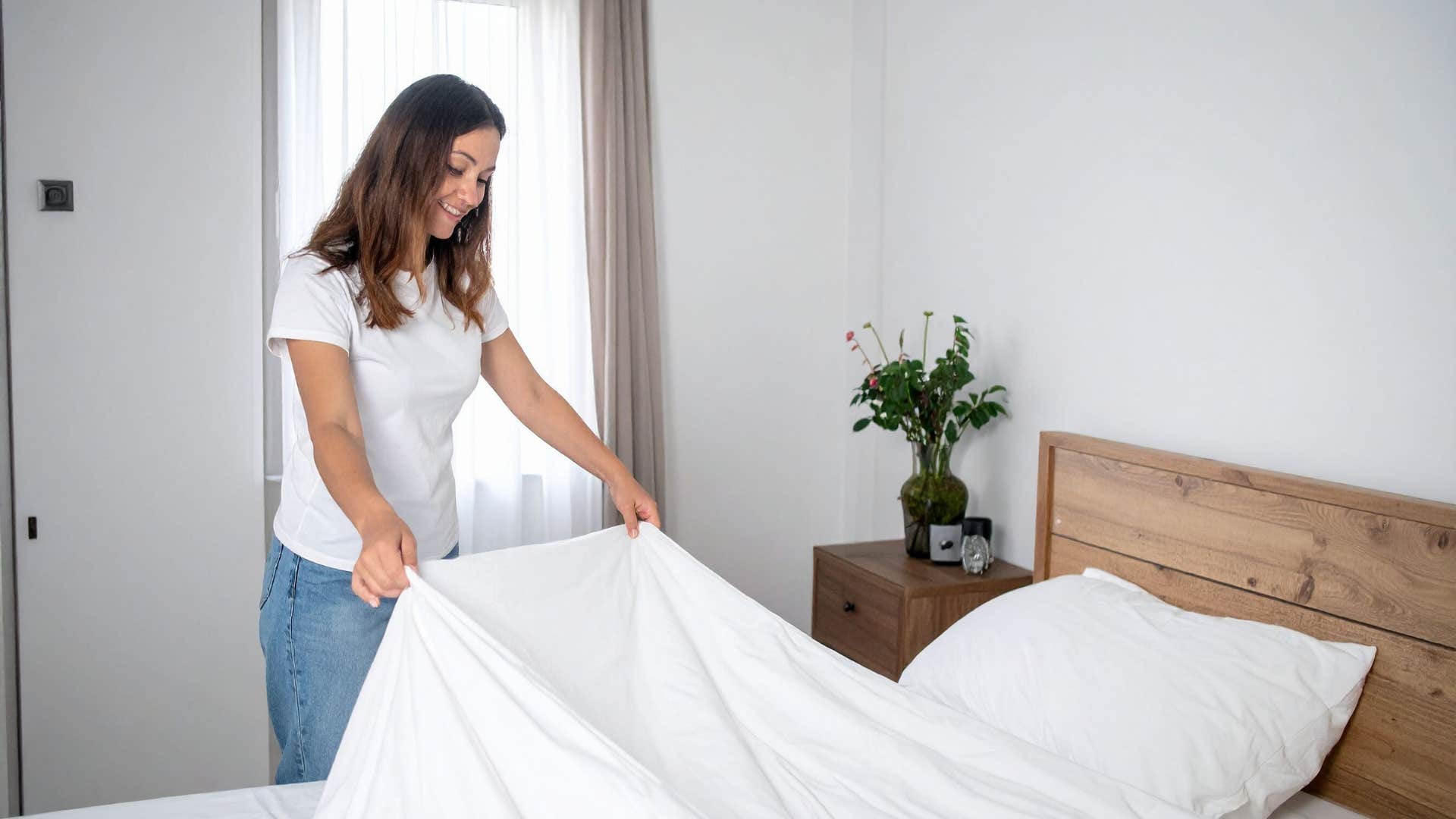
According to a 2020 study, clutter tends to add stress to our lives and sabotage brain functions such as memory, focus, and concentration. So, if you’re intentional about cleaning routines that keep your spaces clutter-free, chances are you have more brain space for things like creative hobbies and deep thinking.
People who make their beds every day know that, even if nothing else goes right that day, they can come home and feel a sense of calm from not having a cluttered bed to sink into.
11. They’re goal-oriented
 Truecreatives via Canva
If someone is goal-oriented, they likely know that setting small, achievable goals can motivate them to focus on the bigger stuff. Whether it’s doing their skincare at night or making their bed every single morning, it’s these small wins that set them up for productivity and success in their other routines and goals.
People who make their beds every single morning aren’t just committed to the ritual because they’re goal-oriented, but also because this practice gives them the chance to truly achieve what they want in life.
Zayda Slabbekoorn is a senior editorial strategist with a bachelor’s degree in social relations & policy and gender studies who focuses on psychology, relationships, self-help, and human interest stories.
