
People Who Eat Almost Every Meal In Their Car Usually Have These 11 Smart Habits
 ArtOfPhotos / Shutterstock
 Eating in your car doesn’t exactly scream luxury. It’s usually rushed, improvised, and squeezed between errands, commutes, and obligations. But for some people, that habit is all about efficiency. It reflects a certain kind of lifestyle design, even if it doesn’t look polished from the outside.
Research consistently shows that small daily habits reveal larger personality patterns. The people who regularly turn their cars into dining rooms often share traits such as time management, adaptability, and focus. They’re not necessarily disorganized. In many cases, they’re optimizing. And that practicality comes with its own kind of intelligence.
People who eat almost every meal in their car usually have these 11 smart habits
1. They value time efficiency
 Lysenko Andrii / Shutterstock
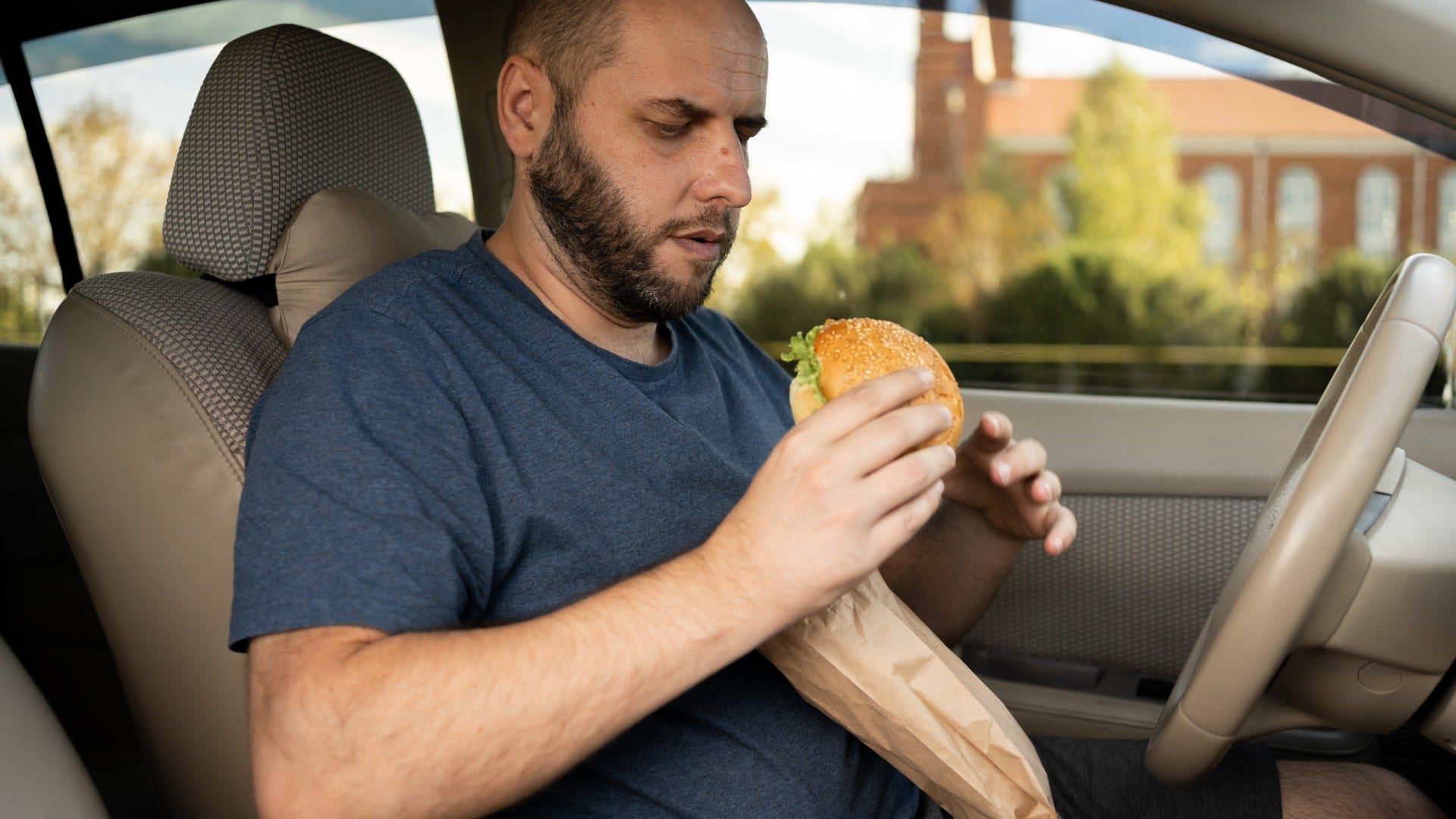
People who eat in their car often view time as a resource that shouldn’t be wasted. If they have 20 free minutes between commitments, they’ll use it. Individuals who batch tasks and combine activities tend to feel more in control of their schedules.
Eating during a commute or while parked between appointments becomes a strategic practice. It allows them to protect other parts of their day. This habit reflects prioritization. They’re thinking ahead, not just reacting.
2. They’re highly adaptable
 Summer 1810 / Shutterstock
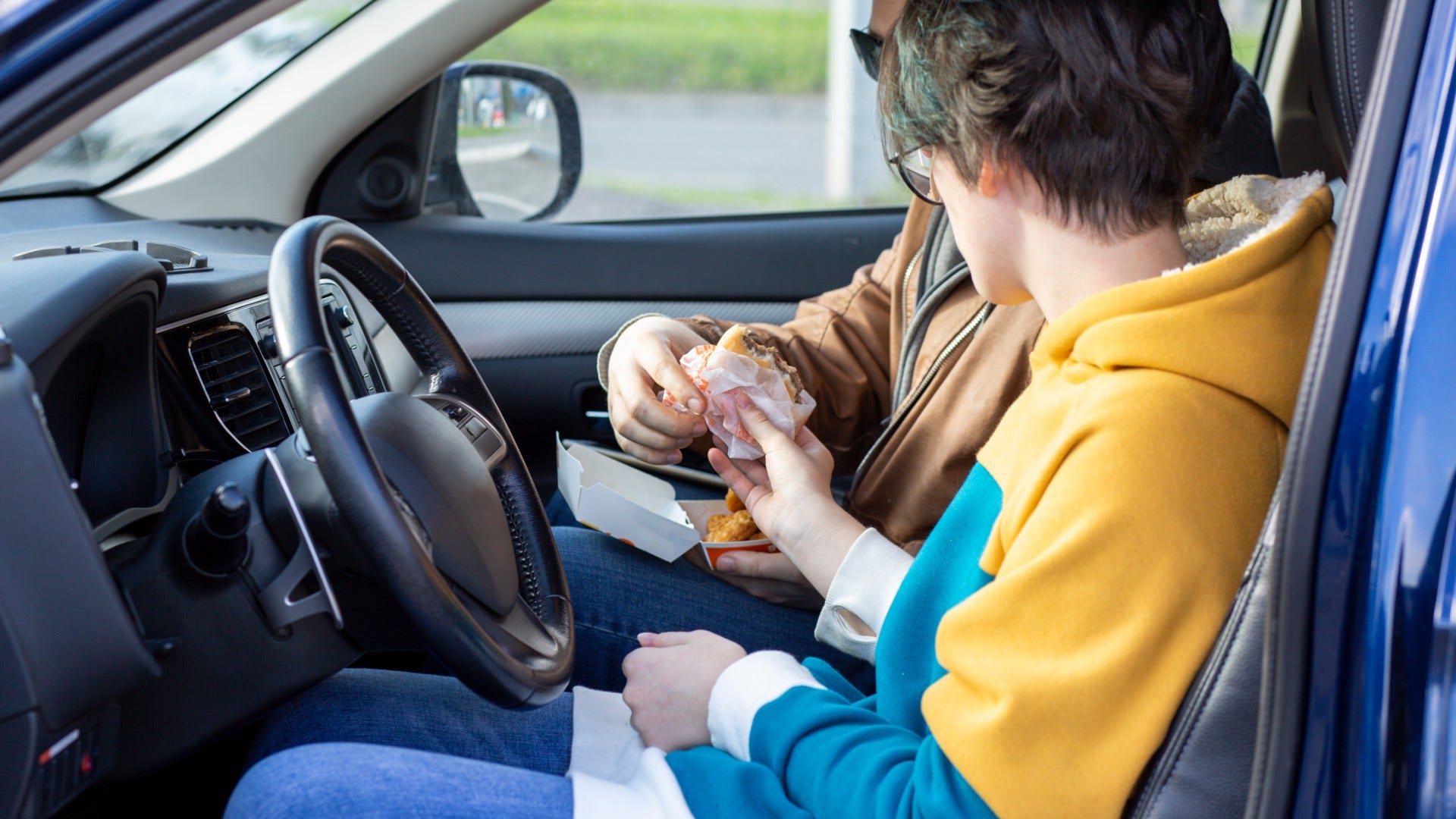
Not everyone can handle meals that aren’t perfectly structured. Those who regularly eat on the go are comfortable adjusting. Psychological flexibility, which is the ability to adapt behavior to changing circumstances, is strongly linked to resilience.
If lunch doesn’t happen at a table, that’s fine. They make it work. That comfort with improvisation often carries into other areas of life. Plans change. They adjust.
3. They don’t romanticize routine
 Anatta_Tan / Shutterstock
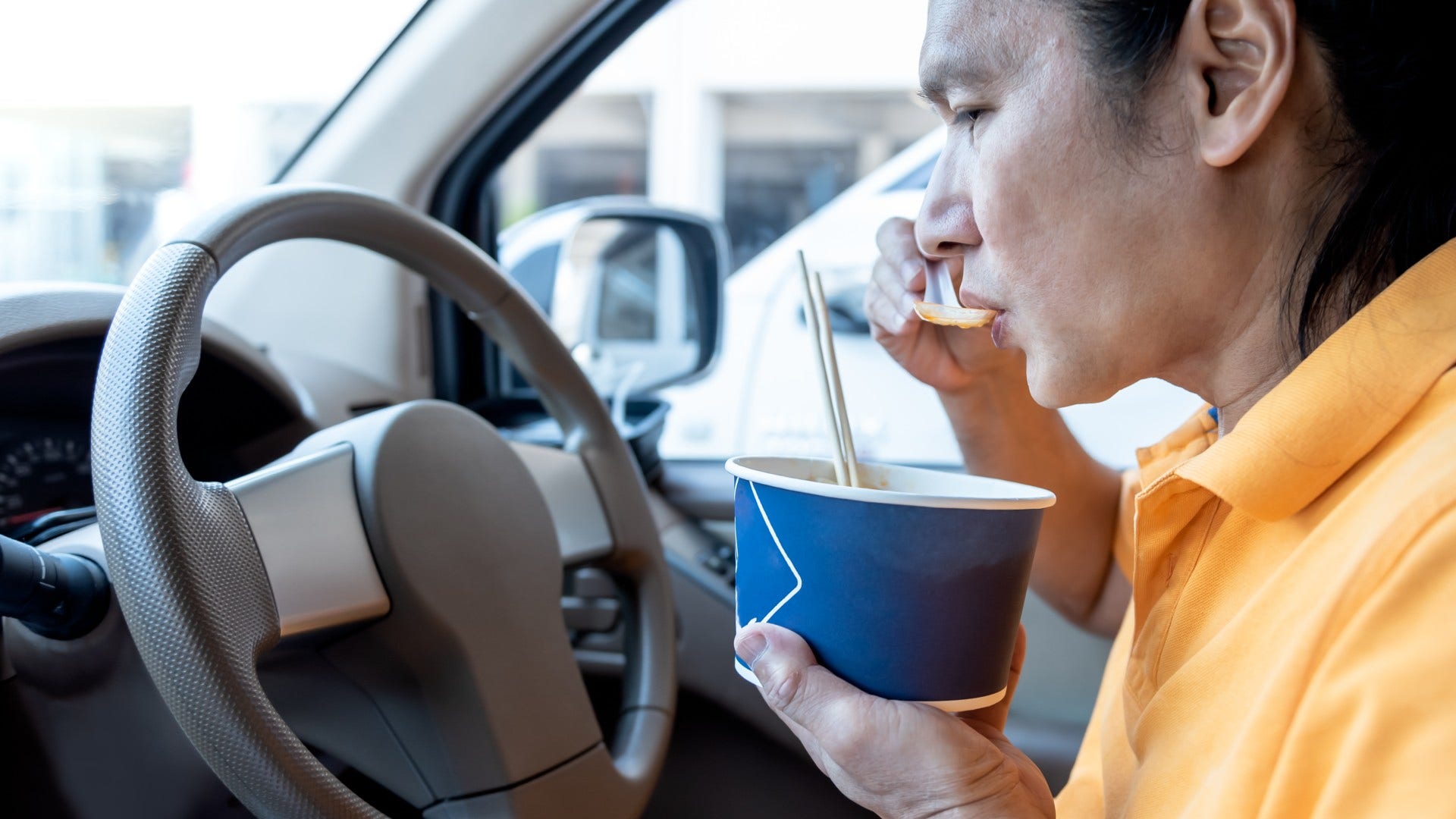
Some people need ritual around meals. Others treat food as fuel when necessary. That mindset can reflect cognitive clarity about priorities. Individuals who focus on outcomes rather than presentation tend to simplify processes.
If eating in a parked car gets them where they need to be, aesthetics become secondary. Practicality wins. That doesn’t mean they never slow down. It means they know when slowing down matters.
4. They’re comfortable being alone
 l i g h t p o e t / Shutterstock
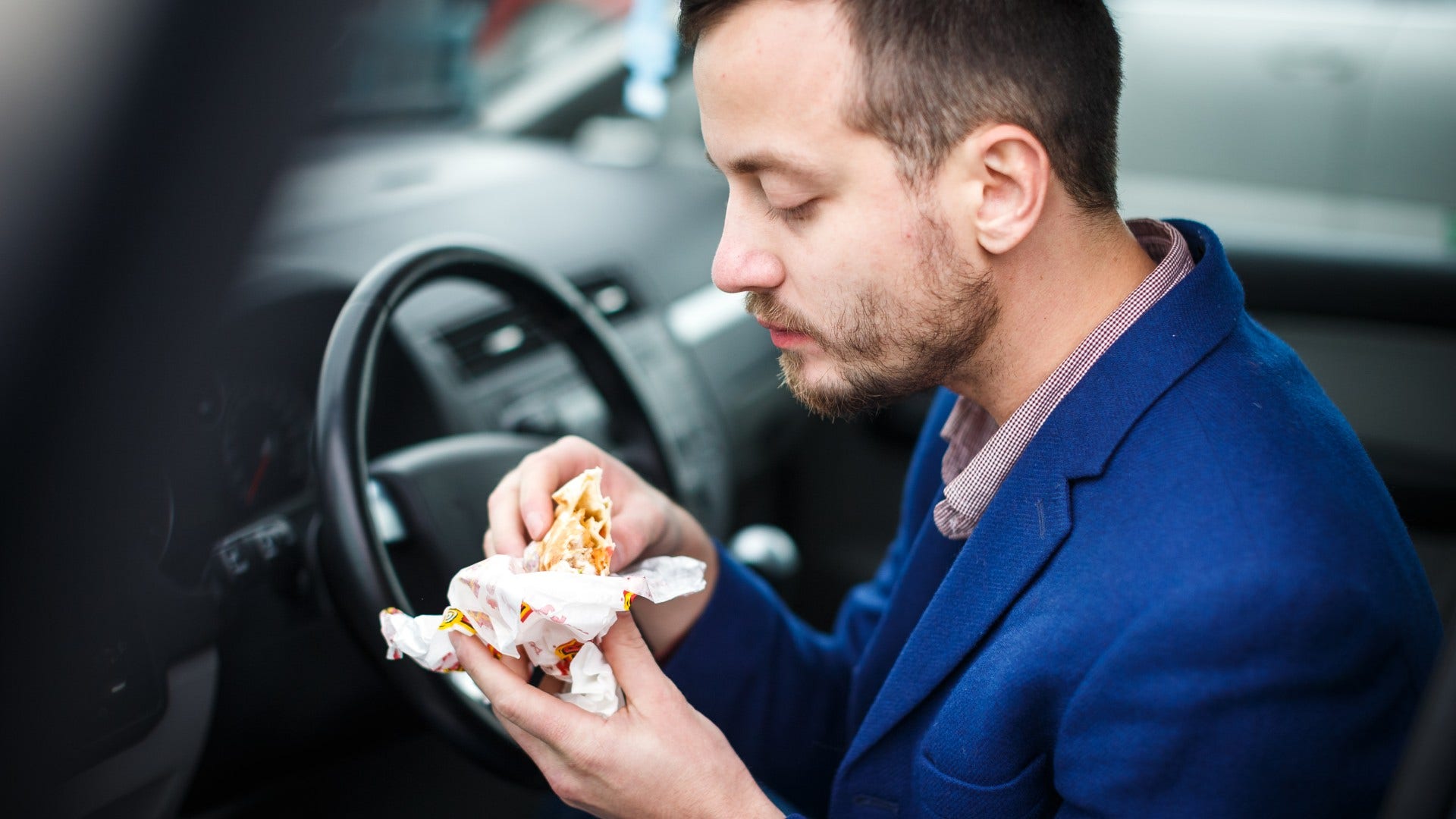
Eating alone can feel awkward for some people. Those who regularly eat in their car often use that time as mental space. Intentional alone time can improve reflection and emotional regulation.
A parked car becomes a small private bubble. It’s a break between interactions. That comfort with solitude signals internal steadiness. Not everyone can sit quietly without distraction.
5. They plan ahead more than it looks
 Slava Dumchev / Shutterstock
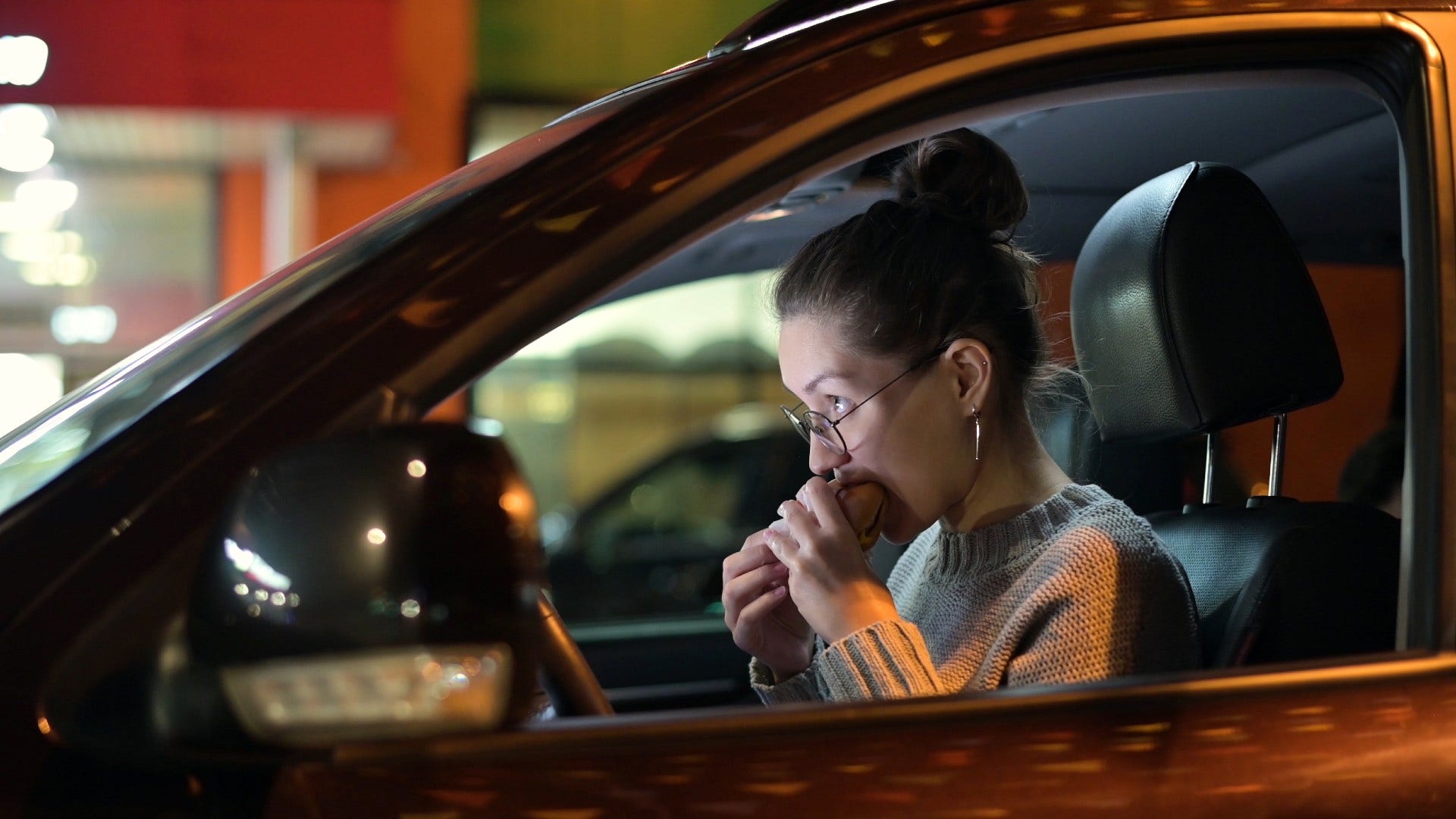
Car meals often require forethought. Snacks packed in advance. Drive-through choices are mapped into the schedule. Research on executive functioning links planning behavior with reduced daily stress.
What looks chaotic may actually be premeditated. They know where the gaps in their day are. They fill them efficiently. That kind of micro-planning reflects organization.
6. They tolerate minor discomfort without overreacting
 Martin Novak / Shutterstock
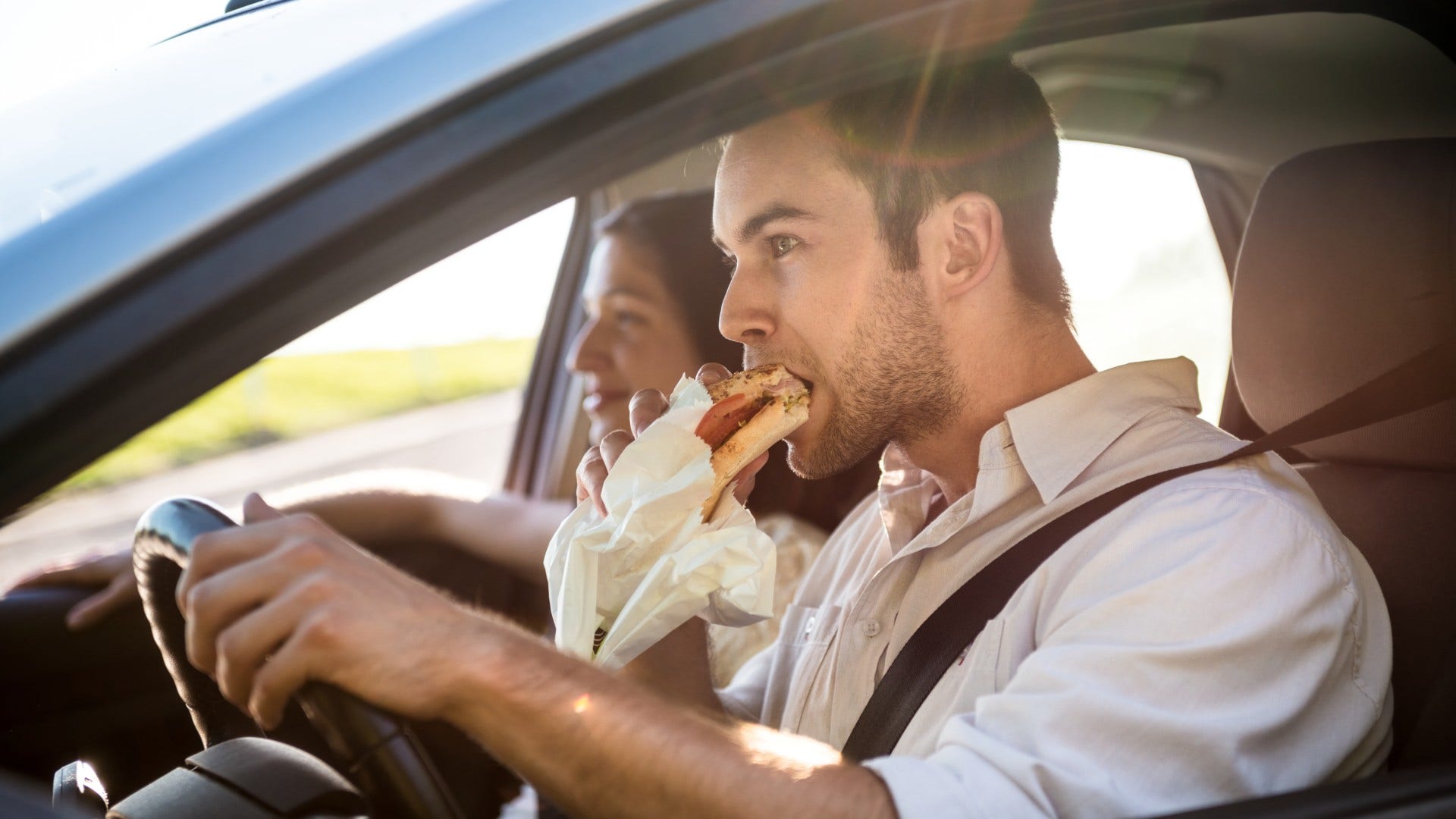
Eating in a car isn’t glamorous. It can be cramped and slightly inconvenient. Yet some people shrug it off easily.
Individuals who accept minor inconveniences without escalation maintain better emotional balance. They don’t need ideal conditions to function. Flexibility replaces frustration. That mindset protects energy for bigger issues.
7. They multitask strategically
 A_Iv / Shutterstock
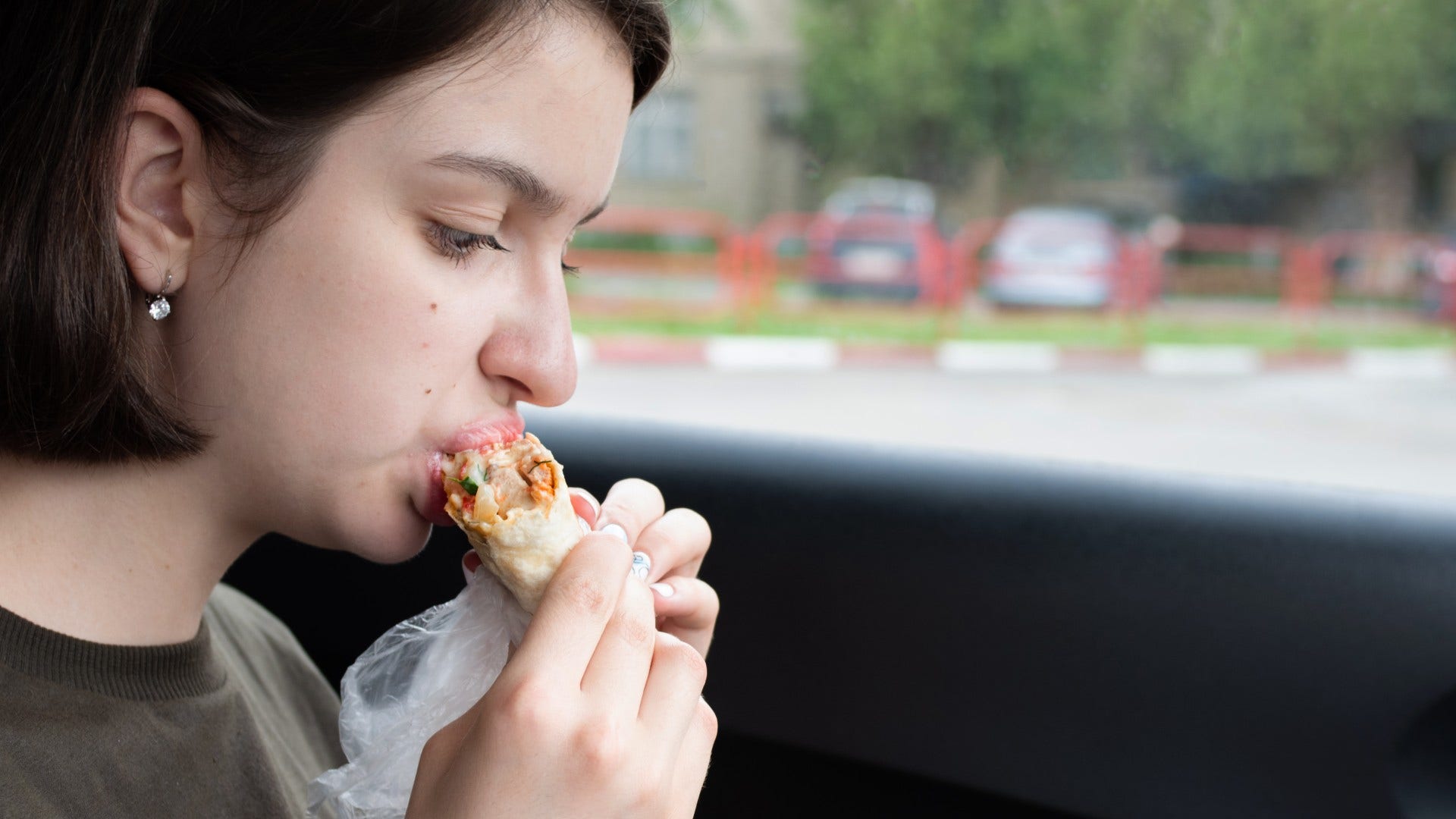
While multitasking has limits, combining compatible tasks can increase efficiency. Simple, low-effort activities can pair well with routine transitions.
Eating during a parked break or commute can free up later time. The key is intentional pairing. These individuals often recognize where mental bandwidth is available. They use it thoughtfully. That awareness reflects situational intelligence.
8. They prioritize momentum
 victoras / Shutterstock
Stopping fully for every task can fragment a busy day. Some people prefer maintaining flow. Momentum supports productivity by reducing transition fatigue.
If eating in the car keeps their rhythm intact, they choose it. They’re minimizing disruption. Momentum feels better than a restart. That pattern shows up in other areas as well.
9. They compartmentalize effectively
 Pair Srinrat / Shutterstock
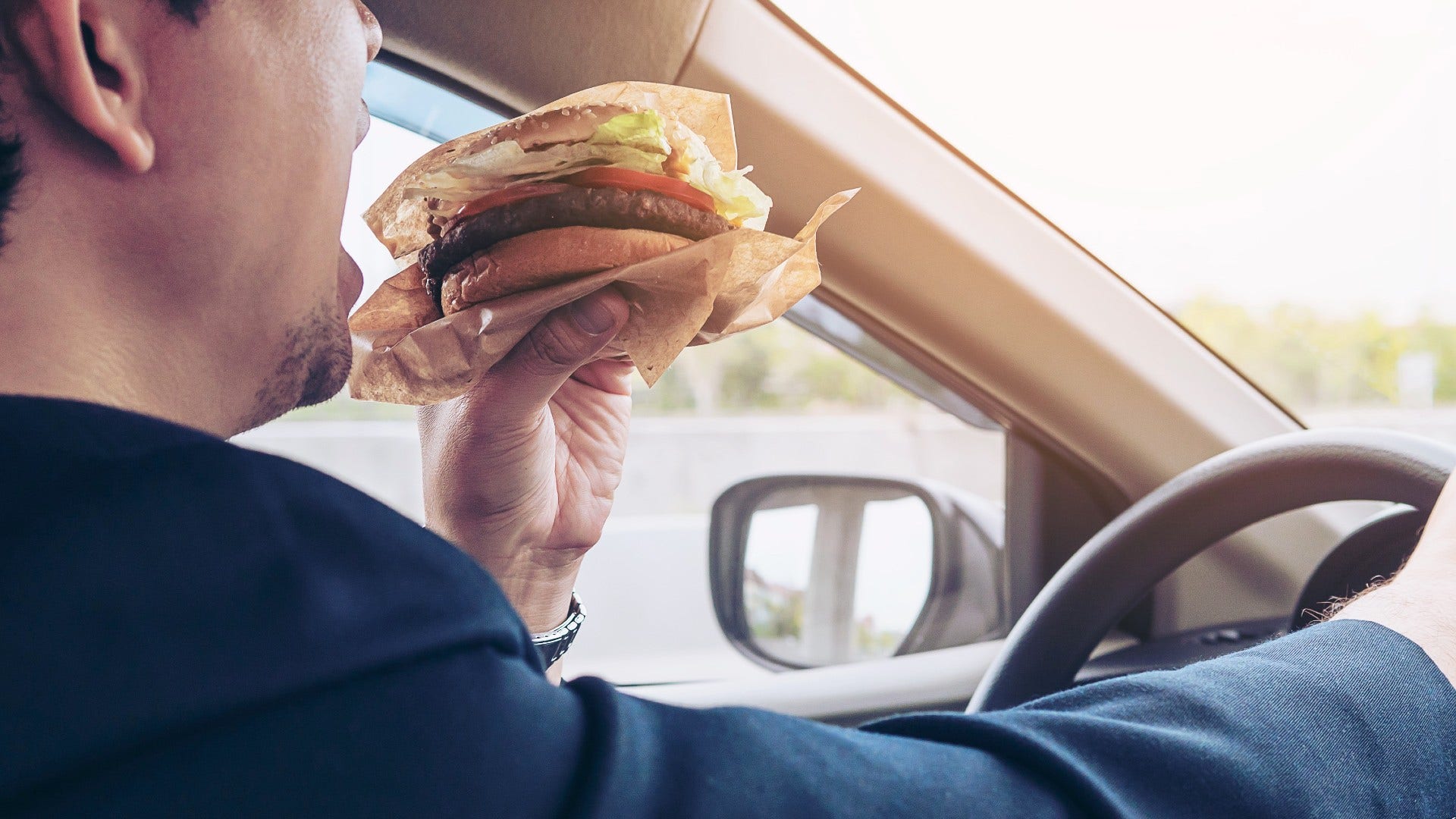
People who can shift from a meeting to a quick meal to the next responsibility without spiraling mentally tend to compartmentalize well. Research on cognitive boundaries shows that this skill reduces rumination.
The car becomes a transitional zone. They refuel and move on. They’re not carrying one task emotionally into the next. That ability supports clarity.
10. They value independence
 Derbas10 / Shutterstock
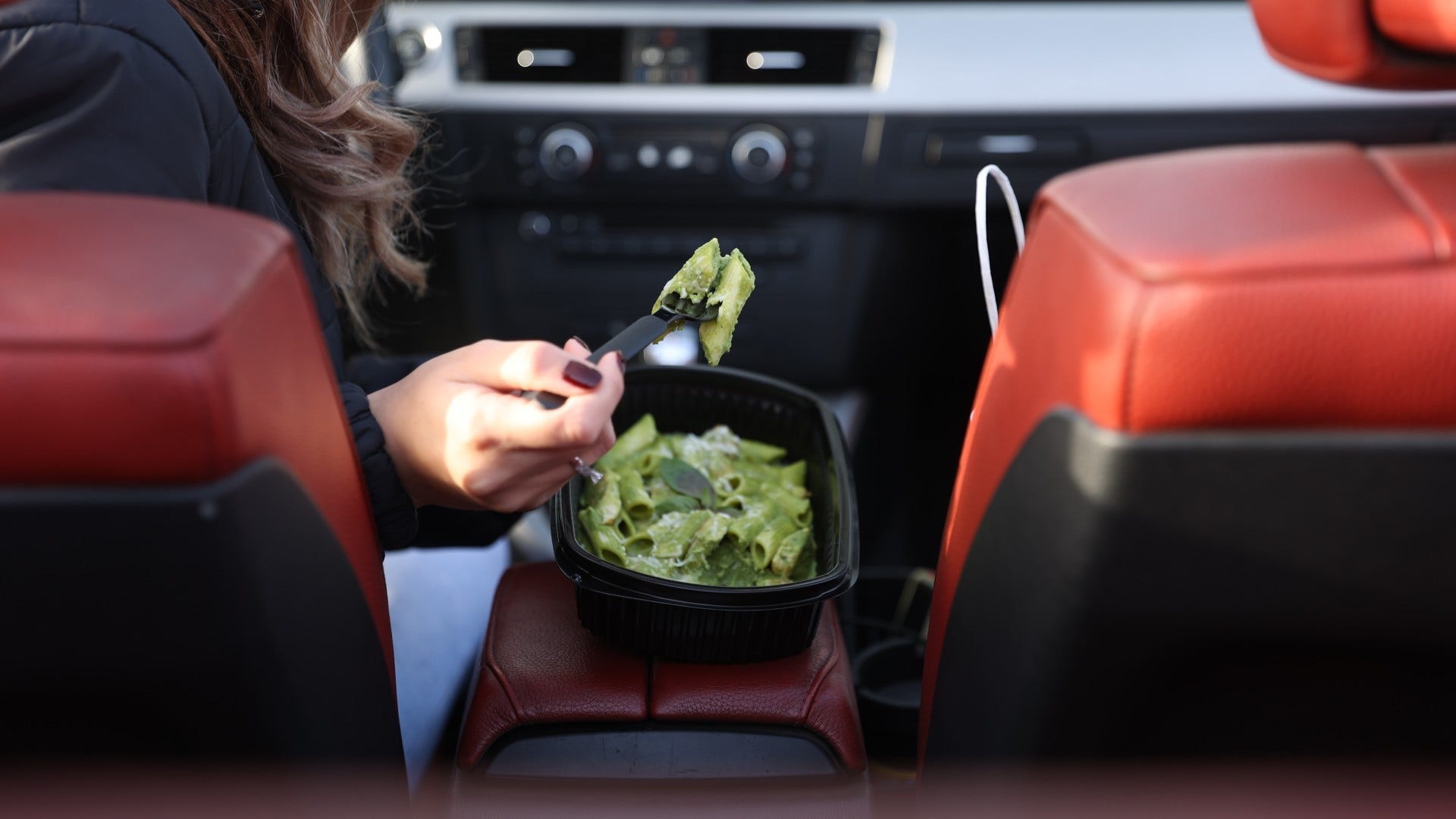
Relying on a traditional dining setting isn’t necessary for them. Independence often shows up in small, self-directed habits. Studies on autonomy highlight its connection to life satisfaction.
If they can eat wherever the schedule allows, they feel self-sufficient. They don’t need ideal circumstances. They create workable ones. That quiet independence often extends beyond meals.
11. They understand trade-offs
 Lysenko Andrii / Shutterstock
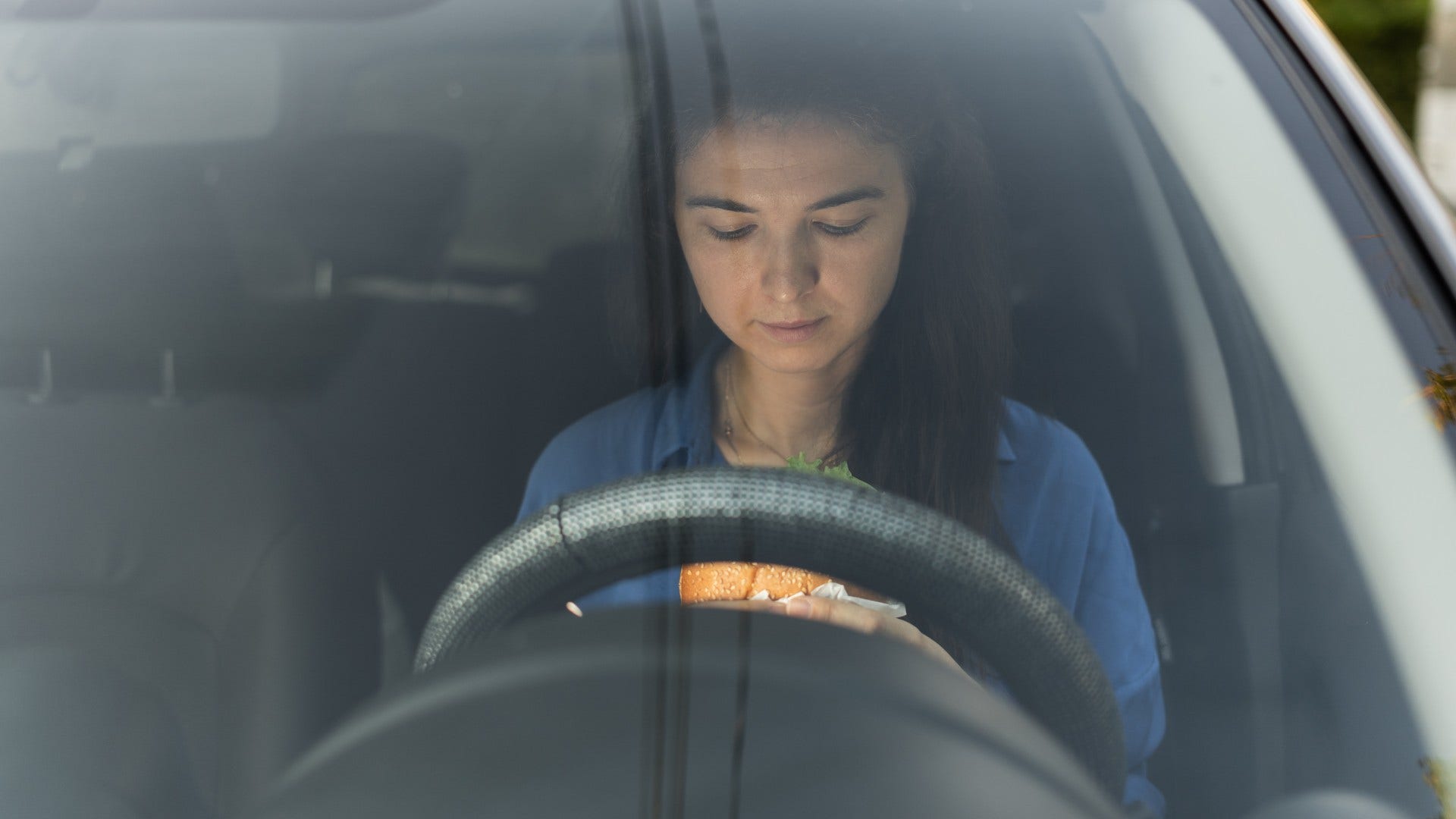
Life rarely allows perfection in every category. Satisfied individuals often accept trade-offs consciously. Eating in the car may sacrifice ambiance, but it protects time or energy elsewhere.
They’re making calculated choices. It’s not random. It’s prioritized. That ability to weigh costs and benefits reflects practical intelligence. Sometimes smart doesn’t look polished — it looks efficient.
Sloane Bradshaw is a writer and essayist who frequently contributes to YourTango.
