
Young People Make Fun Of 11 Outdated Millennial Habits That Are Actually Really Good For You
 Navistock | Shutterstock
 Millennials are often made fun of a lot, especially by younger generations. They've had to live through thinking the world would collapse during Y2K, and tend to enjoy things from the early aughts. They stick to nostalgia and base their entire personalities around it. Millennials also have habits that are good for you, yet lots of young people tend to laugh at them.
It’s easy to joke about wearing skinny jeans and being emo, but younger generations could learn a thing or two from millennials. Their behaviors reflect their intention to live mindfully, and they strive to be the healthiest, happiest versions of themselves.
Outdated millennial habits that are really good for you, but young people make fun of
1. Eating avocado toast
 Ground Picture | Shutterstock
Paying $20 for a slice of multigrain bread topped with avocado and egg seems excessive, but you could also see spending that money as an investment in your health and well-being. Young people make fun of millennials for eating avocado toast, but they're actually heart-health approved.
They’re jam-packed with essential vitamins and are low in sugar. They’re a high-fiber food that helps lower cholesterol and blood sugar while keeping you full. Avocados are not only delicious, but have more potassium than bananas. So, this breakfast staple more than a millennial trend, it's a nutritional meal.
2. Their commitment to yoga
 LightField Studios | Shutterstock
Practicing yoga is about more than putting on a color-coordinated outfit from Lululemon and going into a downward-facing dog. This practice is about moving your body and going on a spiritual endeavor. It's simply a way to incorporate mindfulness into your life, on and off the mat.
Neuroscientist Andrew Huberman explained that a study determined people who do yoga “don’t just learn movements, they learn how to control their nervous system in ways that reshape their relationship to pain, to flexibility, and to the kinds of things that the neuromuscular system was designed to do.”
So, while it might be easy to poke fun at millennials for spending money on studio classes or their "namaste" attitude, they remain committed to taking care of themselves.
3. Their skincare routines
 Prostock-studio | Shutterstock
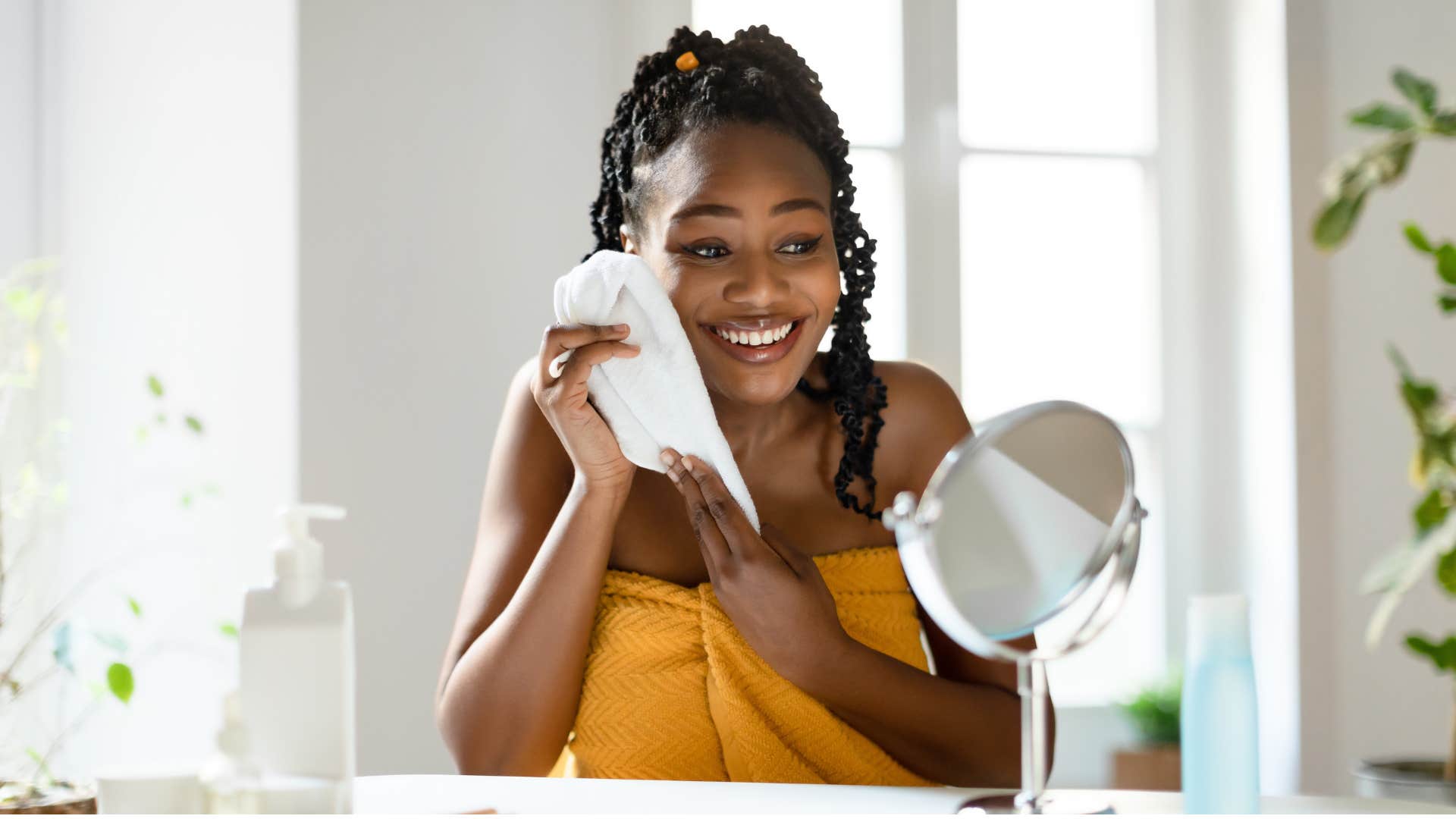
While younger generations today are hyper-focused on using the newest skincare products and filling their shopping carts with trending items, millennials stick to very simple, gentle routines. Their use of toner, moisturizer, SPF, and serums is something to celebrate, not make fun of.
Devoting time and energy to skincare keeps you young and staves off premature aging. The actual value of skincare goes beyond self-care and protecting against sun damage. It’s a way to implement routine into an otherwise hectic lifestyle, and it feels great to have fresh, radiant skin.
4. Journaling
 Luke SW | Shutterstock
Some people might not see the value of writing their thoughts and feelings into a notebook with a cover declaring “chase your dreams.” Still, millennials know that journaling leads to a healthier, happier life.
But journaling is incredible for your mind, body, and soul. It gives people an outlet for their emotions, but it also manages anxiety and stress, and leads to more positive self-talk. And that's certainly not something to make fun of.
5. Their need for 'me time'
 Ground Picture | Shutterstock
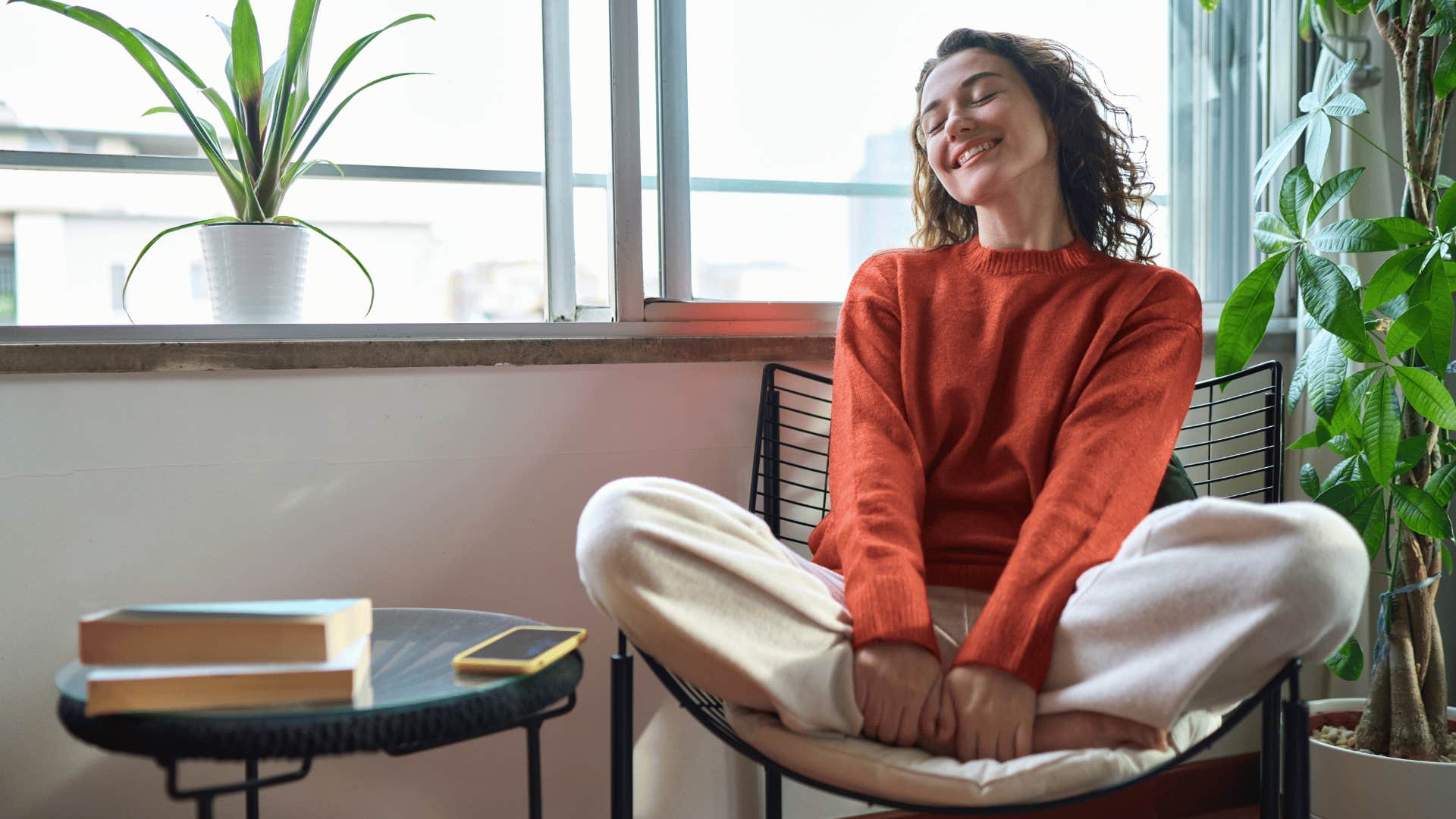
We all need time to disconnect from the world around us and reconnect to ourselves, so carving out time just for yourself is a valuable habit. When it comes to self-care, millennials are professionals. It's more than taking bubble baths and listening to whale sounds, it’s about nourishment on all levels. It’s so that you can show up and be more present for yourself and the people around you.
For younger generations, who are often so focused on comparing themselves to ohthers online, they neglect their self-care. But they could learn a thing or two from millennials by prioritizing themselves. Because we can't support and be there for others if we can't do the same for ourselves.
6. Being open about mental health
 Prostock-studio | Shutterstock
Gen Z is actually open about their mental health, though older generations find this habit a bit annoying. They dismiss mental health struggles as evidence that younger generations should toughen up, the reality is that everyone struggles at some point in their lives, no matter what generational label they fall under.
Connection and support are essential for survival and well-being, so millennials openly share their experiences. Engaging in transparent conversations is crucial to reducing stigma and easing access to mental health services. Although this trend among millennials may be misinterpreted or mocked, it benefits people of all ages.
7. Spending money on experiences, not material items
 Unai Huizi Photography | Shutterstock
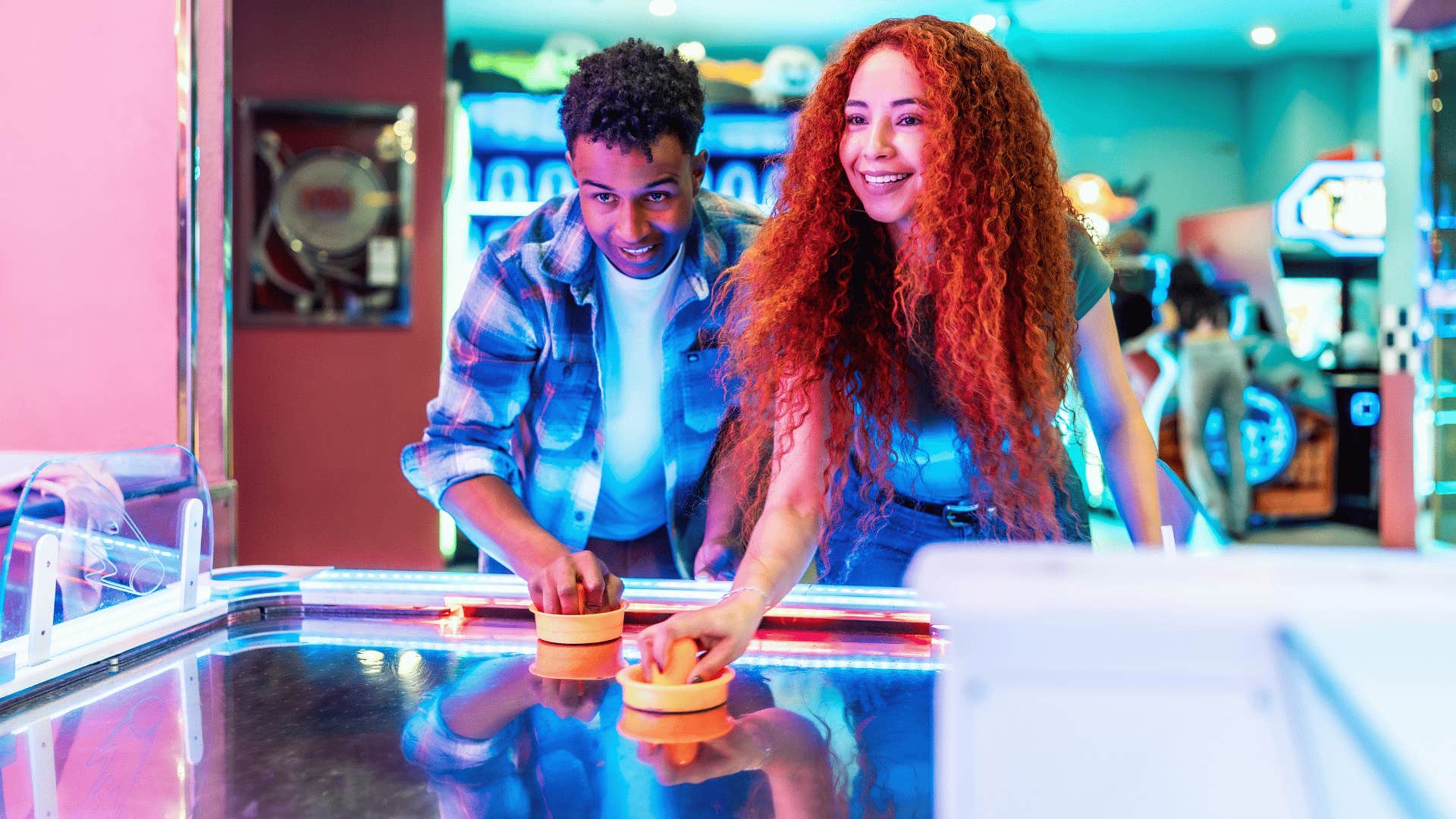
Spending money on experiences instead of material items is something younger generations often make fun of millennials for doing. But this habit is incredibly good for you, providing more lasting happiness than a material item could.
People don’t need another candle that costs over $50 dollars or an outfit they’ll wear once and then shove in the back of their closet. Millennials are masters of buying experiences, choosing instead to spend money on plane tickets or a tasting menu at a delicious restaurant. Their habit of buying experiences represents a wonderful approach to life.
Instead of owning more things, they want to make memories with people they love. They want to feel alive. Buying experiences allows them to create meaning and strengthen their connections, and younger generations can take note.
8. Living with roommates
 bbernard | Shutterstock
Whether you share living space with a bestie or a total stranger, having a roommate can save a significant amount of money. That's especially crucial right now, as the cost of living doesn’t seem to be going down any time soon. While home ownership has become cost-prohibitive, the rental market isn’t much better.
In fact, it's actually cheaper now to rent instead of own a home. Despite the higher median housing costs for renters, there are still 18.8 million homeowners who dedicate more than 30% of their income to their housing expenses. It's a financial balancing act for many.
Those percentages highlight the economic strain most people are experiencing. Living with roommates can help cut costs and boost a sense of community and connection, yet oftentimes, it’s not a choice but an essential way to make ends meet.
9. Owning too many tote bags
 Cast Of Thousands | Shutterstock
Millennials might dive headfirst into an NPR fundraiser, giving away canvas totes in exchange for a donation. But their endless collection of tote bags is a good thing, aside from the closet space all those bags might take up.
It shows a steadfast commitment to sustainable living and environmental stewardship. Every tote bag that a millennial buys reduces single-use plastic waste. Plus, they can fit a month’s worth of avocados and oat milk into just one tote, which makes it all worthwhile.
10. Treating their pets like family members
 LightField Studios | Shutterstock
People might wonder if a dog really needs their kibble to be topped with farm-fresh scrambled eggs every night, and the millennial answer is “yes, absolutely.” Younger generations may poke fun at them for treating their pets like family members, but the level of care and commitment they put into pet care shows how responsible and responsive they are.
Being a devoted pet parent might mean buying a subscription to the bone-of-the-month club or spending more money on their haircare routine than you do on your own. However, millennials know that caring for their pets is a worthwhile investment. They give love to get love and reap the sweet, snuggly rewards.
11. Treating themselves to special things
 DavideAngelini | Shutterstock
While millennials don't need to spend money on cappuccinos and croissants every time they leave the house, it brings joy to their otherwise mundane existence. They don't feel guilty spending a few extra dollars on something that makes them happy. It's also not the reason why they can't afford to buy a home.
Cultivating a little treat habit might get expensive, but not spending money on treats isn’t going to give millennials enough savings for a down payment. Special treats are a way to celebrate small wins, like going to work every day like an adult or dealing with the stress of family. It's not easy, but having something sweet always helps.
Alexandra Blogier, MFA, is a writer based in Boston, Massachusetts who covers psychology, social issues, relationships, self-help topics, and human interest stories.
