
11 Invisible Costs Women Pay Just To Exist That Most Men Don't Even Have To Think About
 GaudiLab | Shutterstock
 Although some people may argue that it's just a matter of perspective, many women would say the invisible costs they face simply for existing are very real. Some of these costs show up as biased attitudes and expectations that women face daily, while others carry an actual financial price tag.
Research from the Center for American Progress shows that women often earn less, pay more for certain products, and even face predatory lending practices more frequently than men. When you add up the financial, emotional, and mental burdens, it becomes clear that life can be more expensive for women in ways many men rarely have to think about. These are some of the invisible costs women quietly carry every day.
Here are 11 invisible costs women pay just to exist that most men don't even have to think about:
1. Paying for monthly hygiene products
 PerfectWave | Shutterstock
Managing a monthly cycle comes with both physical discomfort and financial costs. Menstruation may be the most apparent downside of being a woman, yet it is rarely discussed because it remains largely stigmatized.
Each month, women experience intense pain and discomfort but are expected to continue working and managing their usual responsibilities. Additionally, products like pads, tampons, menstrual cups, and pain relievers often cost a significant amount of money, even though women can't really do without them.
It might seem like we should just be thankful to live in a place where these products are readily available, which is true, but it doesn’t change the fact that they can be expensive. A review published in The Lancet Regional Health Americas revealed many places these products are still taxed, meaning women are literally paying extra for a biological function they can't control. This leads to what’s called "menstrual poverty," meaning women cannot afford to buy the products they need because of their cost.
Women not only spend a significant amount of money on managing their monthly cycle, which they cannot control, but also face emotional challenges because of it. Men may never truly understand this.
2. Earning less because of the wage gap
 Daniel Pawer | Shutterstock
Besides paying more for necessary items, women also start with less money. Research shows that women generally earn 12% less than men at the beginning of their careers, 19% less after 10 years, and 25% less after 30 years. Additionally, once women reach age 35, their wages tend to stagnate, making it harder to earn more money, even if they deserve it.
Technically, Title VII of the Civil Rights Act makes it illegal to pay someone less based on their gender. However, this hasn’t stopped the practice from occurring. Not every woman has the resources or the desire to pursue legal action because of fear of retaliation, so it seems like this unfair aspect of the workforce might persist for now.
3. Spending more to meet beauty expectations
 Dean Drobot | Shutterstock
Beauty is a very nuanced and costly subject for women. One of the biggest issues is that women face higher standards to be considered attractive or even acceptable by society. Makeup, skincare, hair appointments, and beauty treatments can add up quickly, especially when women feel pressure to look polished at work or in social settings. This means women feel forced to spend money on beauty products and services they might not even want.
Data from Advanced Dermatology shows that women spend approximately $1,064 annually on appearance-related expenses, while men spend only $728. It’s quite possible that women who spend the most on beauty products and frequently get expensive, trendy haircuts aren’t really that interested in their appearance, and end up spending money on these things simply to meet expectations placed on them.
4. Dealing with bias in healthcare
 PeopleImages | Shutterstock
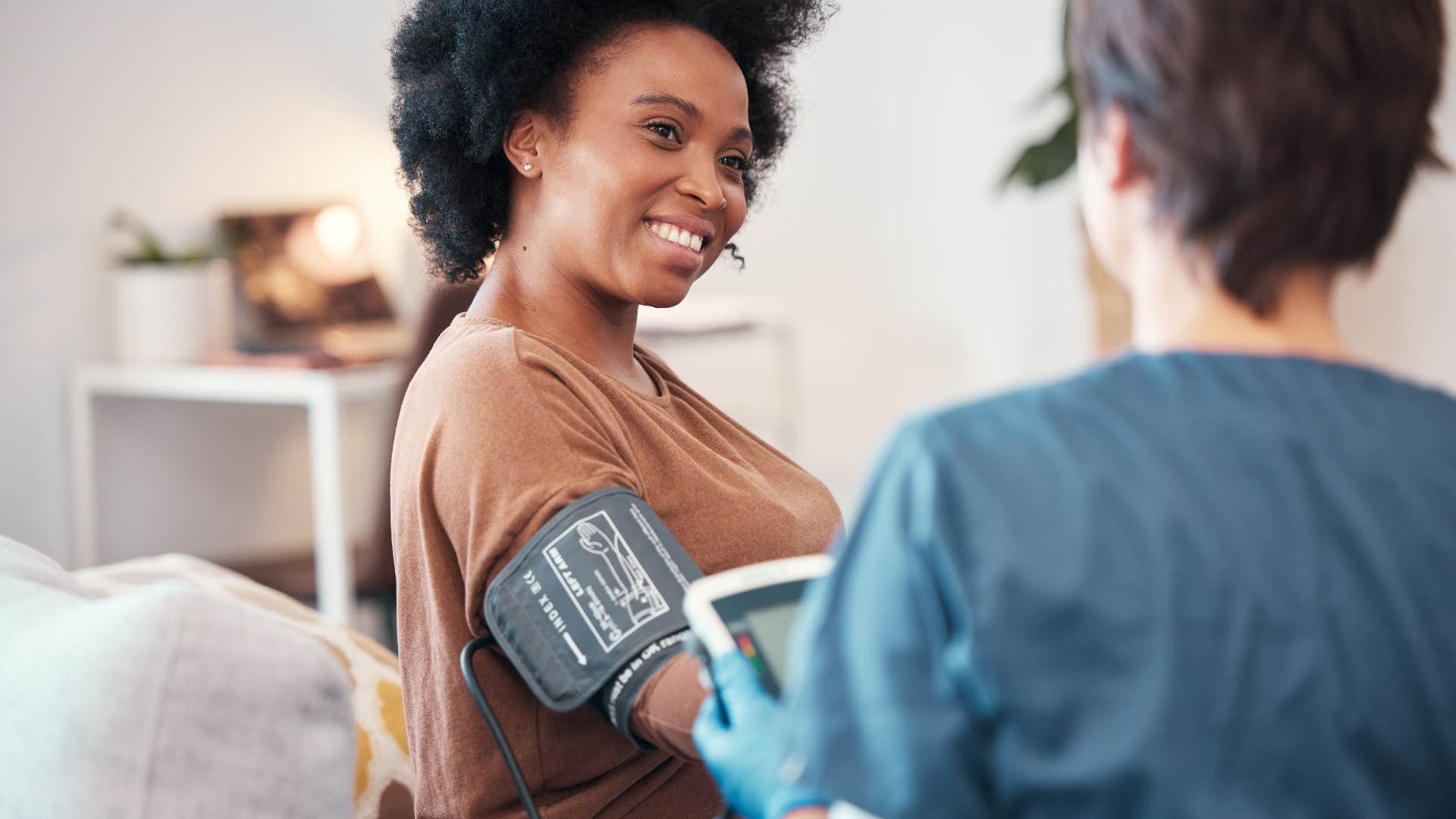
One invisible cost women encounter that doesn’t receive as much attention as issues like the wage gap is biased attitudes in healthcare. Researchers have repeatedly found that women wait longer than men to be diagnosed with many diseases. An earlier diagnosis increases the chances of better health in the future and can save money on additional medical visits and treatments.
To make matters worse, doctors often view women as unreliable or unbelievable, which means women are more likely to have their symptoms dismissed or misdiagnosed by medical professionals. Oncologist Elizabeth Comen, MD, explained, “There has never been, in the history of Western medicine, a belief system that extolled women’s bodies, women’s intelligence, as being as powerful as men’s. This framework still infiltrates all of medicine.”
Beyond the financial impact, it also means women often carry the emotional burden of having to advocate harder for their own health. Many efforts have been made to advance true gender equality, but these initiatives appear to have mostly failed in the medical industry, causing women to pay a higher price both financially and emotionally.
5. Constantly thinking about personal safety
 Snapic_PhotoProduction | Shutterstock
For many women, safety isn't something they think about only sometimes; it's something they constantly consider. But men often can't relate to those ongoing worries. Everyone experiences moments of concern about their safety, regardless of gender, but for women, it’s a persistent issue.
The United Nations has noted that violence against women can take many forms, from intimate partner violence to cyberbullying and even femicide. Because of this reality, safety is something many women think about all the time. It often leads them to spend money on things like self-defense tools or rides home, rather than walking alone at night (which isn’t always safe).
In some cases, women even take bigger measures to choose where to live based on whether a place feels safe. These precautions may seem small, but over time they add up to costs many men rarely have to think about.
6. Spending more on fitness and activewear
 PeopleImages | Shutterstock
Invisible costs associated with fitness are closely connected to those related to beauty because, for many women, working out is primarily about achieving a certain look rather than maintaining health. Boutique fitness classes targeted specifically for women can be expensive, especially when ladies feel expected to maintain a certain look while exercising.
Women’s activewear has become a high-grossing industry, and women are expected to look put together even at the gym. Some research suggests that wearing a good sports bra when exercising can lead to better performance, but buying matching sets, specialized workout gear, and supportive sports bras isn't cheap.
7. The financial penalties of motherhood
 Natalia Deriabina | Shutterstock
Becoming a mother often involves significant financial and career consequences, and the very idea of motherhood suggests that a cost will be involved. A LendingTree study found that raising a small child can cost as much as $29,419 a year.
There is much more to motherhood than just raising a child, though. When a woman is pregnant, she basically needs to buy a whole new wardrobe, along with pre- and post-natal care items.
On top of maternity clothing, prenatal care, and childcare support, pregnant women and new moms face the very real possibility of stalled promotions or lost income during maternity leave. Women who take maternity leave are less likely to get a promotion or raise and often find their jobs at risk.
Additionally, moms are frequently seen as the default parent expected to stay home when a child is sick. This perception makes women seem less reliable after having a baby, even though no one would assume the same of a man who recently became a father.
8. Paying the pink tax
 voronaman | Shutterstock
Many products marketed to women cost more than nearly identical products marketed to men. The World Economic Forum defined the pink tax as the phenomenon in which "consumer products targeted and advertised to women are sometimes more expensive than comparable products marketed to men." Some of those products may be nearly identical, but the ones sold to women cost more, putting women at a disadvantage.
Razors, personal care items, and even basic toiletries often cost more simply because they’re marketed to women. Over time, this so-called pink tax adds up to a high extra cost. One study by the New York City Department of Consumer Affairs found that almost all products marketed to women are more expensive, including personal care items, which are marked up by about 13%.
It seems unfair that a bottle of women's shampoo costs more than a man's when they are essentially the same product, but brands and companies have pushed this trend for decades to make extra money.
9. Spending more on clothing
 Standret | Shutterstock
Women's clothing often costs more than men's, even when the quality isn't as good. Part of the reason is something known as pink tariffs, higher import taxes on many women's clothing items that economist Edward Gresser of the Progressive Policy Institute estimates cost women about $2 billion a year. Manufacturing differences can also play a role, meaning women sometimes end up replacing basic wardrobe pieces more often.
There's also a growing belief that men's clothing is simply made better. Some women even shop in the men's section for basics like T-shirts because they last longer. Sara Qaddoura, former curator of e-commerce at Not Just A Label, explained that men's clothing typically requires fewer pattern variations, which makes it cheaper for brands to produce and allows them to invest more in the quality of the garments.
10. Carrying more domestic responsibilities
 Evgenyrychko | Shutterstock
Although the fight for gender equality is not without progress, evidence from Gallup showed that women are still disproportionately responsible for tasks like laundry, cleaning, grocery shopping, and decorating. Doing these things obviously takes a lot of time and energy that could have been used to further their careers or even for self-care.
These tasks require both time and money for supplies, which adds another invisible cost. The time spent managing a household can also limit opportunities for career growth or personal time.
If a woman is in a relationship with a man, you might assume they would share the costs of these items since both benefit. But if a woman is single, would people be as forgiving of her not keeping her kitchen clean as they would be of a man? Probably not, which means women likely spend more on these things than men.
11. The financial reality of being single
 PeopleImages | Shutterstock
Living alone often means covering expenses without anyone to split them with. The single tax can affect anyone who's single, but it seems to take a particular toll on women. Researcher Alicia Bubb and economics professor Sarah Sinclair explained that this term refers to anything that single people pay more for because they don't have someone to split the cost with, such as rent, utilities, groceries, and even streaming services.
"The singles tax disproportionately impacts women, who are more likely to live alone than men," they argued. When combined with existing wage gaps, that financial burden can feel even heavier. In this way, women can end up paying a financial price for choosing to stay single and prioritize their own happiness. Sharing expenses with a partner might be cheaper, but that doesn't mean anyone should feel forced into a relationship just to make life more affordable.
Mary-Faith Martinez is a writer with a bachelor’s degree in English and Journalism who covers news, psychology, lifestyle, and human interest topics.
