
11 Sad But Understandable Reasons Certain People Stop Taking Good Care Of Themselves
 Monster Ztudio | Shutterstock
 With how stressful life has been lately, many people have dropped their own self-care out of necessity. They're not taking care of themselves as well as they used to and it may be because they're deaing with some emotional turmoil in silence.
When times are tough, even basic things can feel overwhelming. But it's importangt we treat ourselves with empathy, while also working to prioritize our own needs when we feel a little lost.
The sad reasons are some people stop taking good care of themselves over time:
1. They have a smaller support system
 Chay_Tee | Shutterstock
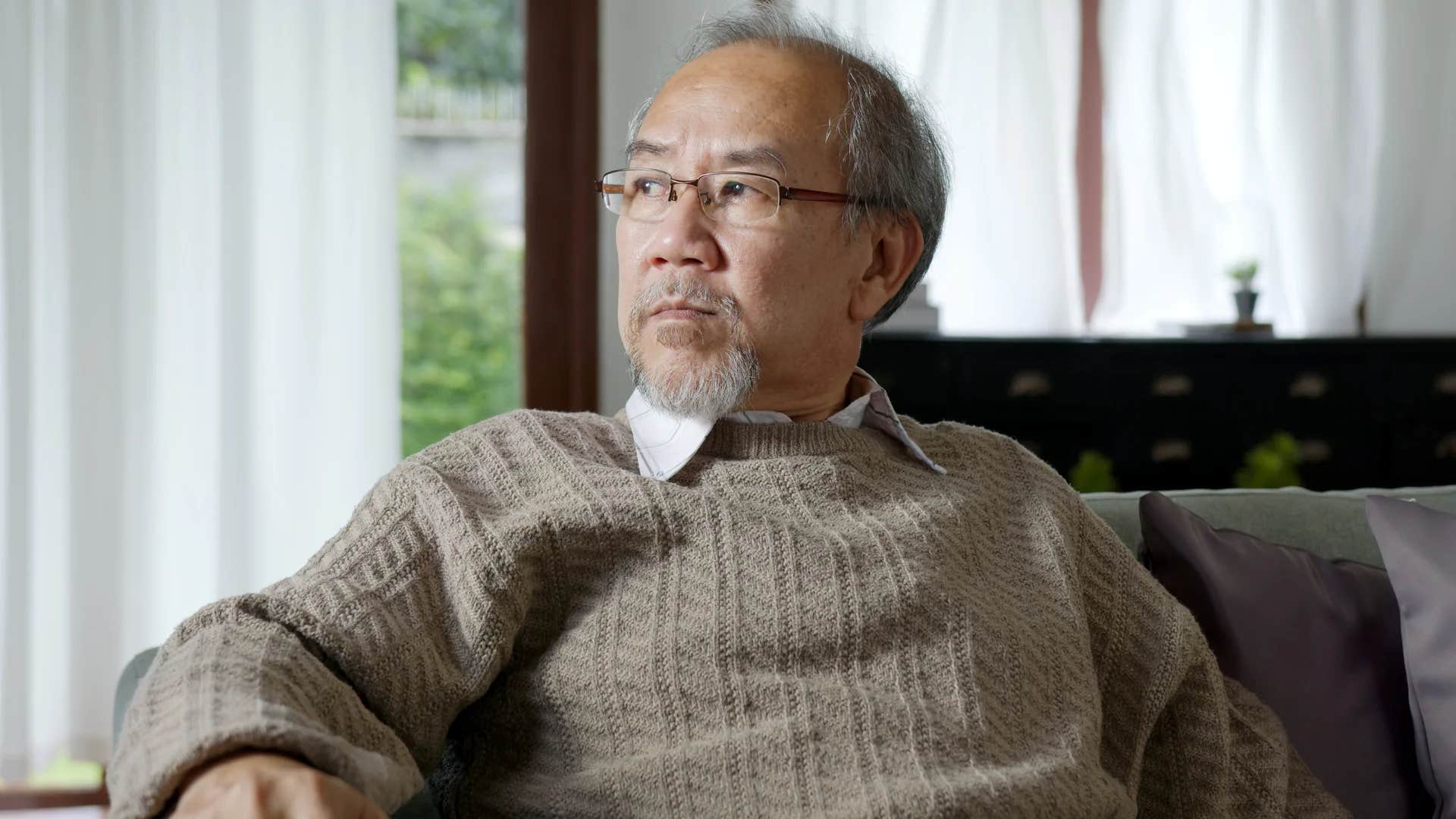
As people age and grow out of certain habits, they may find themselves dealing with a shrinking social circle. They struggle with isolation and have a hard time taking care of their mental and physical well-being. Especially for people who are retired or not working in a setting where they interact with others, having the regular pressure to get ready for the day can make it harder to motivate themselves.
Considering depression and isolation can also make self-care and hygiene more difficult, it's not surprising that many people who stop taking care of themselves feed into a cycle of disappointment and low-self esteem. And it gets to a point where it feels impossible to break free.
2. They live alone
 Inside Creative House | Shutterstock
Without a partner or roommates, a lot of older people feel less inclined to take care of themselves. So, it can be easy to slip into a routine where basic hygiene and self-care is consistently overlooked. Coupled with the familiarity and convenience of this routine, they sacrifice their self-esteem in ways that build up into more problematic issues, like worsened mental health.
A simple daily task like forgoing an outfit or hygienic routine that makes you feel more confident can actually hurt your self-esteem and continue the cycle of lacking healthy habits. Even if they live alone, it's essential to cultivate habits and hygiene routines that help you to feel your best.
3. They struggle with their health
 fizkes | Shutterstock
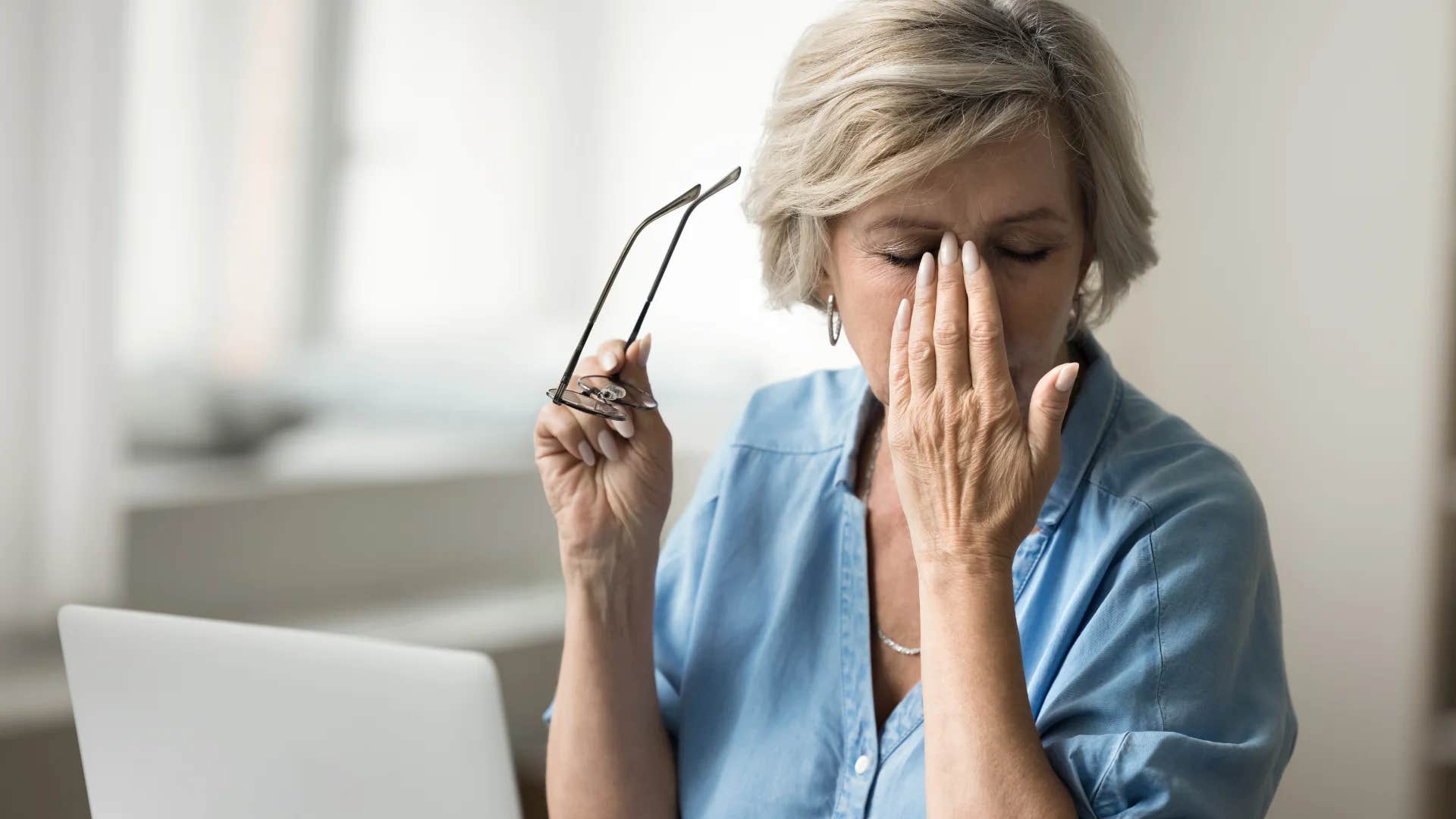
Over time, even if someone isn't in their golden years yet, they may have health issues. This can make it more difficult to care for themselves, and even simple tasks like taking a shower or brushing their teeth seem impossible. But not moving your body regularly can have detrimental effects.
If you're struggling with agility or physical movement, consider easy ways to promote your physical health, like taking a short walk or shifting your diet to account for nutrition. It's a small step in the right direction.
4. They're depressed
 Rocketclips, Inc | Shutterstock
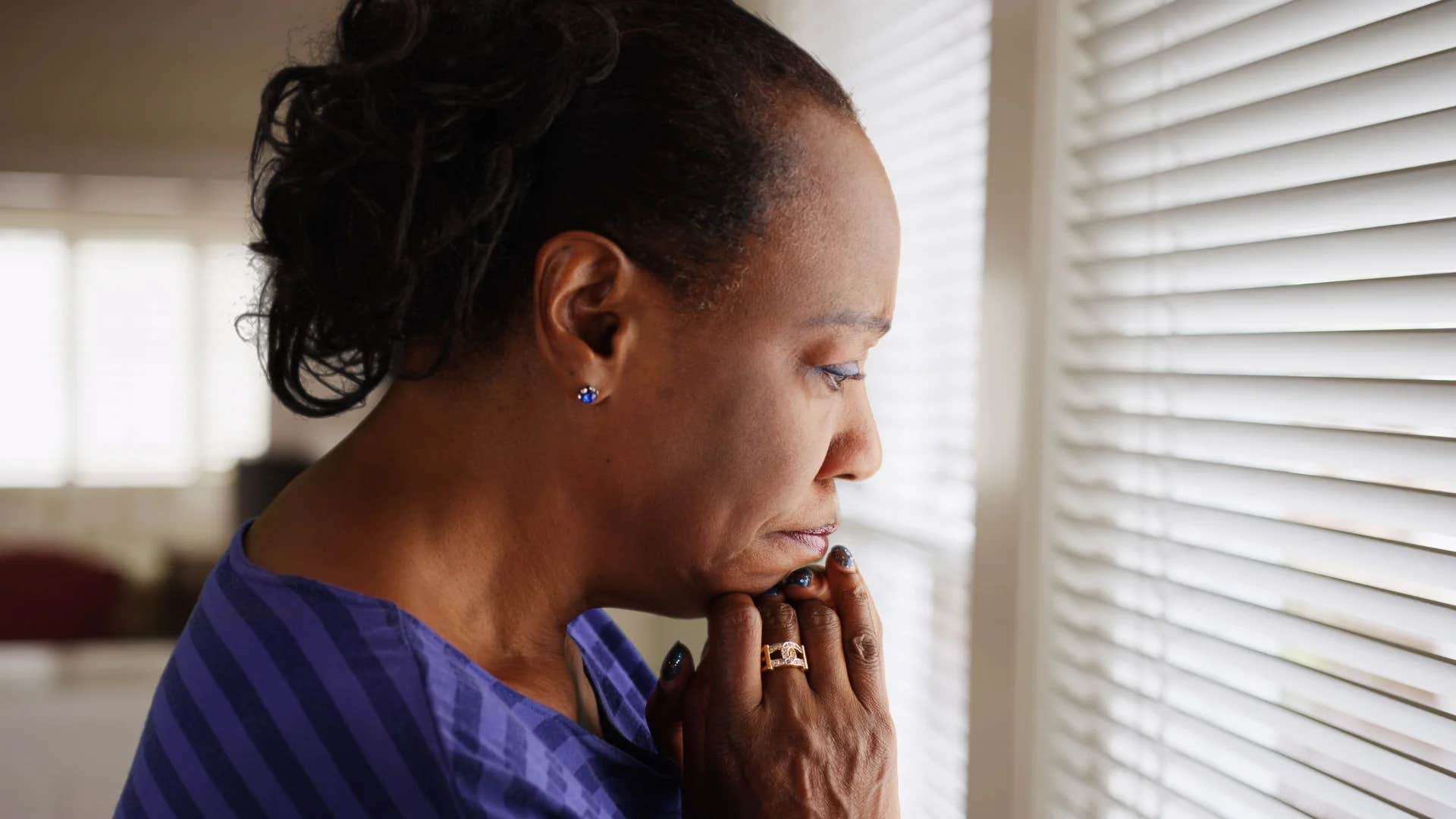
Adolescents and adults over 65 experience the highest rates of loneliness. As people age, they naturally end up spending more time alone, and if they're not going out of their way to seek out more social interactions, they're more likely to experience depressive symptoms.
In older individuals, especially, these symptoms can vary. Still, grappling with isolation and emotional turmoil can make anyone ignore basic hygiene or their well-being.
5. They struggle to set new goals
 MAYA LAB | Shutterstock
Certain people stop taking care of themselves because they find it hard to set new goals for themselves. Most people will continue crafting new aspirations in the next stages of their lives, but some end up avoiding the excitement and personal growth that comes with this journey.
Everyone yearns for meaning and purpose, but when people avoid setting new goals and pursuing new interests, they miss out on incredible benefits, like like better self-esteem. Unfortunately, this stagnation can make anyone feel like they're falling behind in life.
6. They have different priorities
 Andrii Nekrasov | Shutterstock
As people get older and take on a multitude of new responsibilities and obligations, it's easy for them to overlook themselves for the sake of productivity. They trade self-care or fulfilling alone time for the sake of their family's needs, or sacrifice sleep for a few extra hours of work.
Everyone has different priorities, but it's important for these individuals to make time for themselves. Self-care is fundamental to protecting cognitive abilities and sustaining physical and mental well-being. It helps people foster meaningful connections to combat isolation, so without that, they may lack self-care.
7. They don't feel pressure to 'fit in'
 Tonuka Stock | Shutterstock
The older people get, the less likely they are to feed into a toxic comparison culture or feel pressure to "fit in." But it's possible to take care of yourself and adopt healthy habits without being motivated by external validation. Truly confident people take good care of themselves for no other reason than self-care. They feed into helpful habits and build routines that make their own lives more fulfilling, not to "fit in" or compete.
However, some people may have only done it for the sake of external praise and validation. So, over time, even though comparison culture becomes less relevant, they don't feel incentivized to look after themselves in the same manner.
8. They're less independent
 Raushan_films | Shutterstock
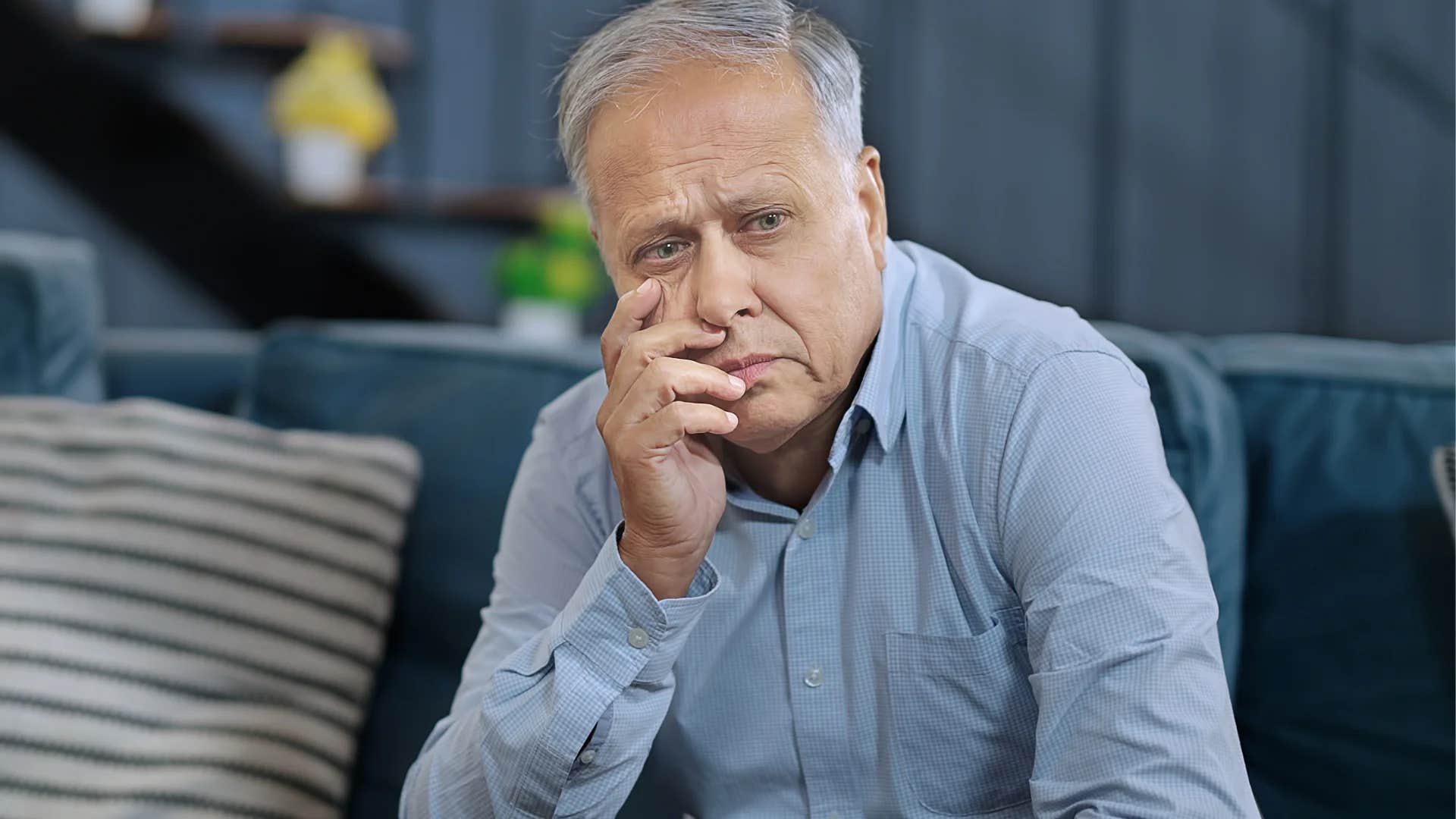
While social isolation and depressive symptoms can make practicing great hygiene more difficult, people who stop taking care of themselves may also be struggling with independence. For older individuals, especially, they may have a hard time independently completing basic tasks like showering or getting dressed.
This lack of independence can also feed into depression, which makes hygiene and self-care harder. It's frustrating and disorienting to feel like there are limits to the things you were once able to do without reservation.
9. They believe that self-care is selfish
 Jose Calsina | Shutterstock
Many older generations grew up alongside transactional parenting styles or an intense "hustle culture." Because of that, they have misguided beliefs about how they take care of themselves. They believe self-care is only appropriate when they've "earned" it.
However, self-care is essential for everyone to prioritize. We can't show up for others and do our best work, or even feel confident, without taking care of our physical, emotional, and mental health.
10. They just don't have the time
 fizkes | Shutterstock
Many people who stop taking good care of themselves believe they don't have the time. They not only make excuses for why they can't show up for themselves, but they may even subconsciously overschedule their time or take on more work to avoid the vulnerability of their well-being.
There's always time to prioritize yourself. Sometimes, it means setting uncomfortable boundaries or restructuring your priorities, but this should always be something you're actively pursuing. Even if that means adopting some mindfulness practices or relieving stress, it's important to not overlook the simple things.
11. They're burnt out
 Pheelings media | Shutterstock
Whether it's chronic stress from work responsibilities or dealing with raising a family, people neglect themselves because they're simply burnt out. They've used up all their energy taking care of others, so they have nothing left to give themselves.
They're grappling with the consequences of this burnout that can make even the simplest daily tasks feel unbearable. But in addressing their exhaustion, they can move forward and live a life that's happy and fulfilling.
Zayda Slabbekoorn is a senior editorial strategist with a bachelor's degree in social relations & policy and gender studies who focuses on psychology, relationships, self-help, and human interest stories.
