
Kids With Hypervigilant Parents Who Watch Their Every Move Usually Have 9 Self-Protective Traits As Adults
 MalikNalik | Shutterstock
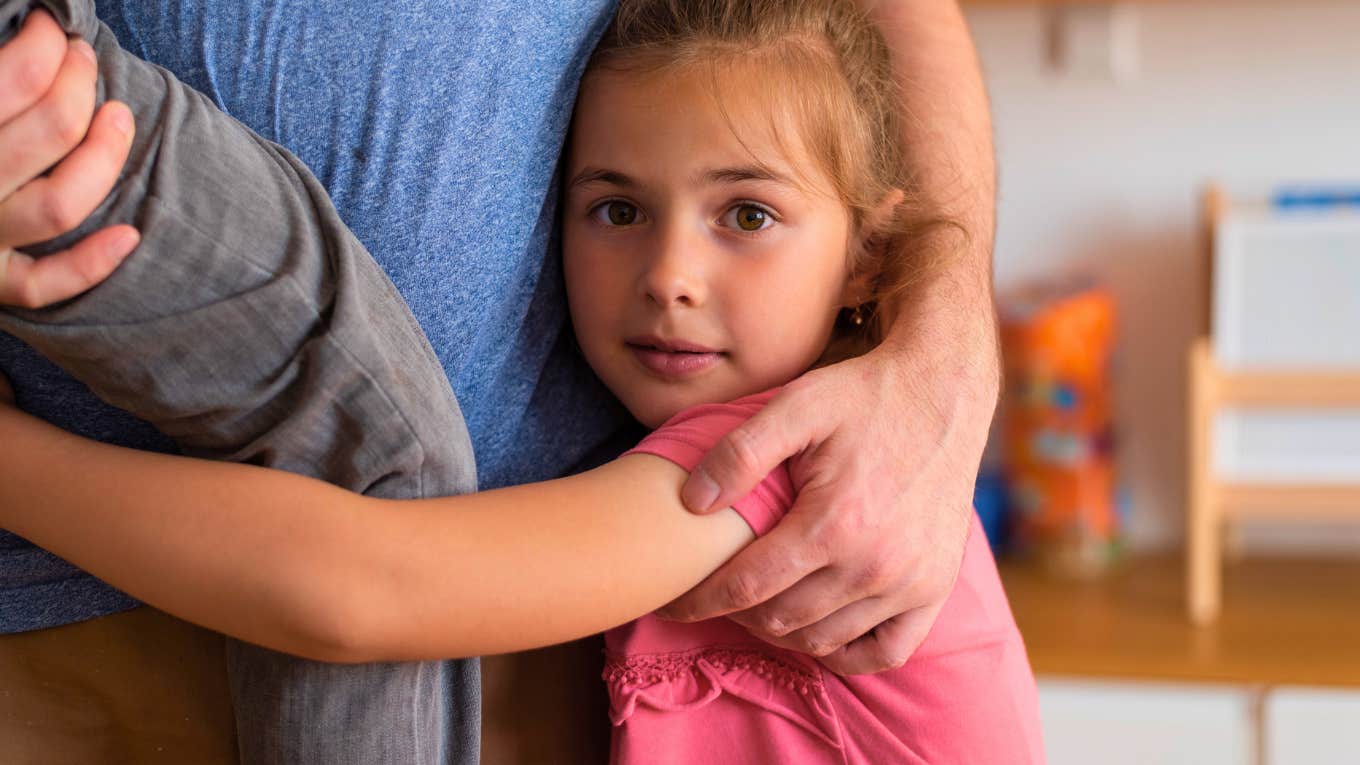
Overbearing parents raise kids who often have high levels of anxiety and low life satisfaction.
Even if their parents just want them to be safe, kids of hypervigilant parents end up with self-protective traits as adults that harm their well-being. They end up isolating themselves and even repeating their parents' anxious behaviors.
Traits kids carry into adulthood when they're raised by hypervigilant parents who watch their every move
1. They're afraid to be vulnerable
 Inside Creative House | Shutterstock
Kids of overprotective parents are much more likely to develop insecure attachment styles and poorer emotional regulation in adulthood. So, it's not surprising that the things that require some level of stability are now things they avoid in their relationships.
They're so used to hiding to protect themselves that it's infused into how they interact with others. While it might feel like a relief to control how much access they give, it only makes them feel more isolated.
2. They don't celebrate their successes
For kids with hyper-critical families, their successes growing up rarely felt good. Their parents picked apart things they were excited about and anxiously considered all the "what ifs?" after sharing good news.
They learned to suppress their achievements around others. Even if their parents had the best intentions, it created someone who self-isolates despite yearning for connection.
3. They overthink everything
Many adult children from these kinds of homes believe that everyone is constantly monitoring them, because that's what they grew up with. Most of us tend to overestimate just how judgmental people are of us, but these people feel it even more deeply because their parents were evidence that it may be true.
They couldn't do anything without having a parent looking over their shoulder or judging their mistakes. And now, they're anxious adults who overthink to protect themselves from judgment.
4. They let other people make the decisions
Overprotective, hypervigilant parents have good intentions. They just want their kids to be safe and supported, but they end up sabotaging their kids' abilities to make decisions for themselves without looking to someone else for reassurance.
That's why they grow into adults who need other people to take control. At work or in their personal relationships, they're drawn to overbearing people like their parents. They don't have an innate self-assuredness in their own problem-solving abilities or choices.
5. They're not interested in growth because it's uncomfortable
 mkfilm | Shutterstock
Despite being the key to growing and evolving in adulthood, many kids raised by overbearing parents end up avoiding feeling uncomfortable. They're so used to being watched that even small missteps end up feeling like complete failures.
Instead of constantly learning things about themselves, as adults of any age consistently do, these people stay in their comfort zones and hide their mistakes because they're afraid of being judged.
6. They constantly monitor people's energy
While noticing people's body language and anticipating their needs are healthy behaviors associated with strong social awareness, adult children with hypervigilant parents absorb and monitor too much. Rather than noticing and being observant, they change their behaviors depending on what someone around them feels, or what they perceive them to feel.
If their partner misses a text or a co-worker gives them a look, these are signs of bigger issues for these adults. They read into everything, making it harder to fully connect and making their anxiety worse in the process.
They think they're protecting themselves by trying to figure out how someone feels before they say it, but it only pushes people away.
7. They over-explain themselves
Children with hypervigilant, dysregulated parents often spend a great deal of time managing their parents' worries. Some end up shrinking themselves and hiding their own problems. Others become parentified, trying to soothe their parents.
In adulthood, these tendencies don't go away. They just take a different form.
Rather than sticking to boundaries, they overstep to make people more comfortable. They suppress emotions and concerns to keep the peace. They over-explain their life decisions to make people understand where they're coming from, instead of just living their most authentic life.
8. They self-isolate
Many people dealing with trauma and mental health problems self-isolate, but not always for the same reasons. For these adults, self-isolating is a means of protecting their energy, even if it ends up harming their relationships in the process.
They've become so used to hiding their true needs and emotions growing up that they still do it today, even with grounded people around who are ready to help.
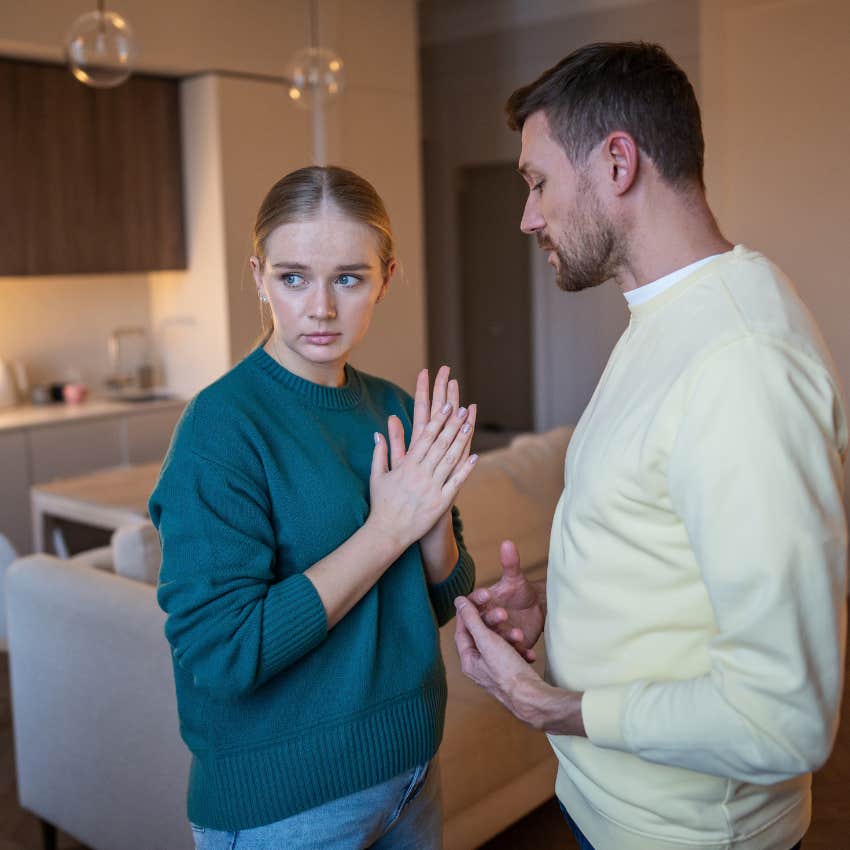
9. They seek out similarly overbearing partners
 DimaBerlin | Shutterstock
Because they know how to exist in the relationship dynamic, these people often end up repeating the same kinds of relationships over time.
While they may be moved out or away from their parents, their friends and romantic partners tend to be overbearing. It's not because they're healthy, but because they're familiar.
Zayda Slabbekoorn is a senior editorial strategist with a bachelor's degree in social relations & policy and gender studies who focuses on psychology, relationships, self-help, and human interest stories.
