
Kids Who Were Raised In 7 Types Of Homes Often Grow Up With Devastating Emotional Baggage & Trauma
 Iren_Geo | Shutterstock
Being raised in a toxic environment can deeply affect the way a person forms relationships later in life. It’s common for people who grow up in toxic family systems to mirror the patterns they were raised with, yet those dynamics aren’t written in stone. Understanding your family system can help you move on, especially with professional guidance.
Childhood trauma therapist Patrick Teahan shared that through working in private practice, he’s learned that “childhood trauma is so much more patterned and predictable,” which is to say that the types of toxic families he sees are more common than people believe them to be.
Kids raised in certain types of homes often grow up with emotional baggage and trauma:
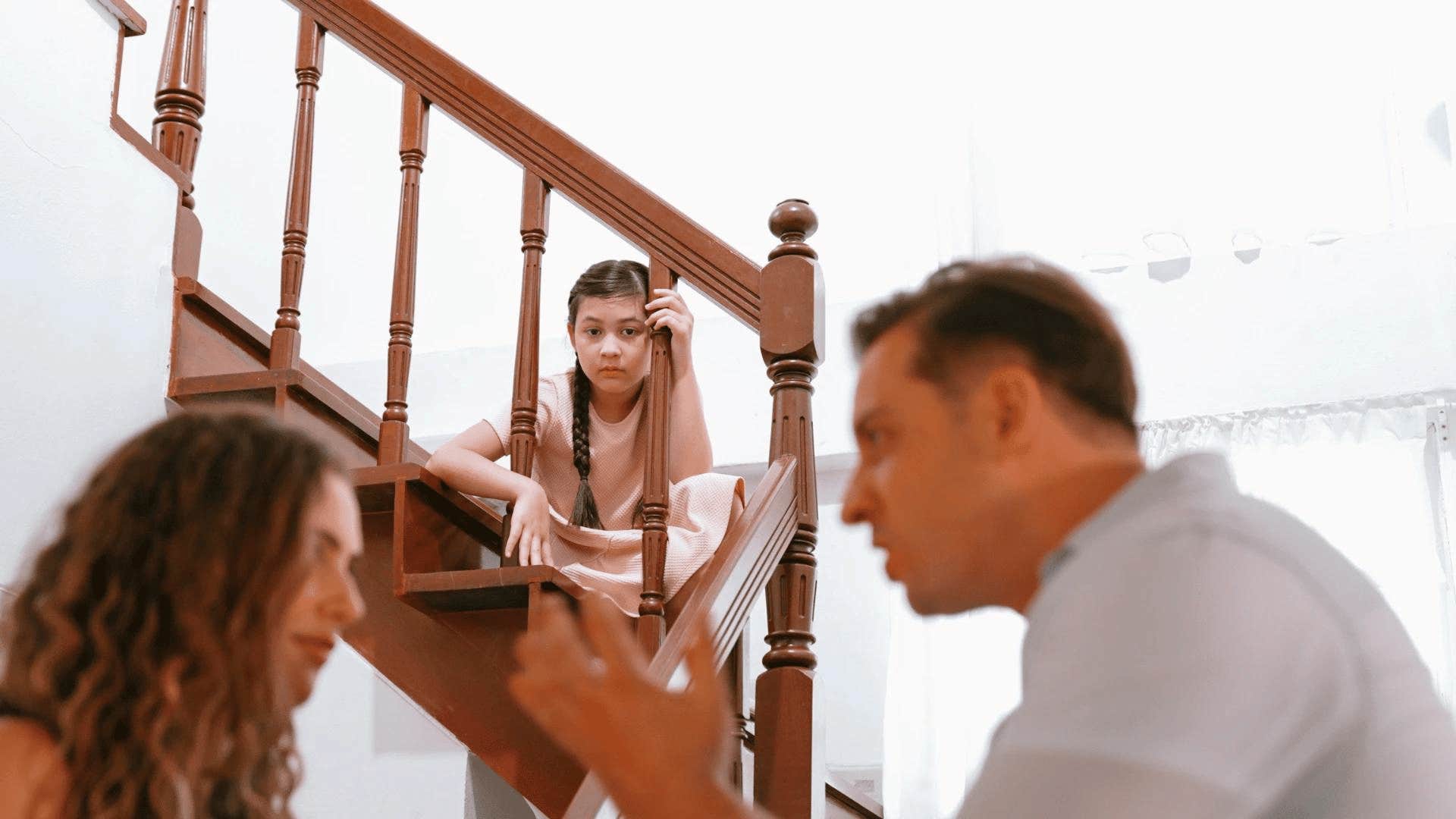
1. Aggressor and codependent
 Summit Art Creations | Shutterstock
The first family system Teahan touches on is a very common dynamic, with one rageful, violent, toxic parent, and the other parent who is codependent and doesn't protect or doesn't leave. According to Teahan, "The aggressor or the abuser usually holds things hostage, like the money, the job, the house. The system is usually locked, and dancing around the aggressor's feelings and the codependent parent is probably teaching that dancing," so that kids are witnessing a toxic power struggle.
Children in this system might witness the codependent parent being taken advantage of or abused, and they'll take care of the codependent parent. Adults from this system also often struggle with trust. They carry a lot of pent-up emotions, even rage, about accountability and their parents not protecting them. They may repeat their parents' patterns and end up in codependent relationships of their own. They may feel triggered when their partner doesn't hear them or protect them.
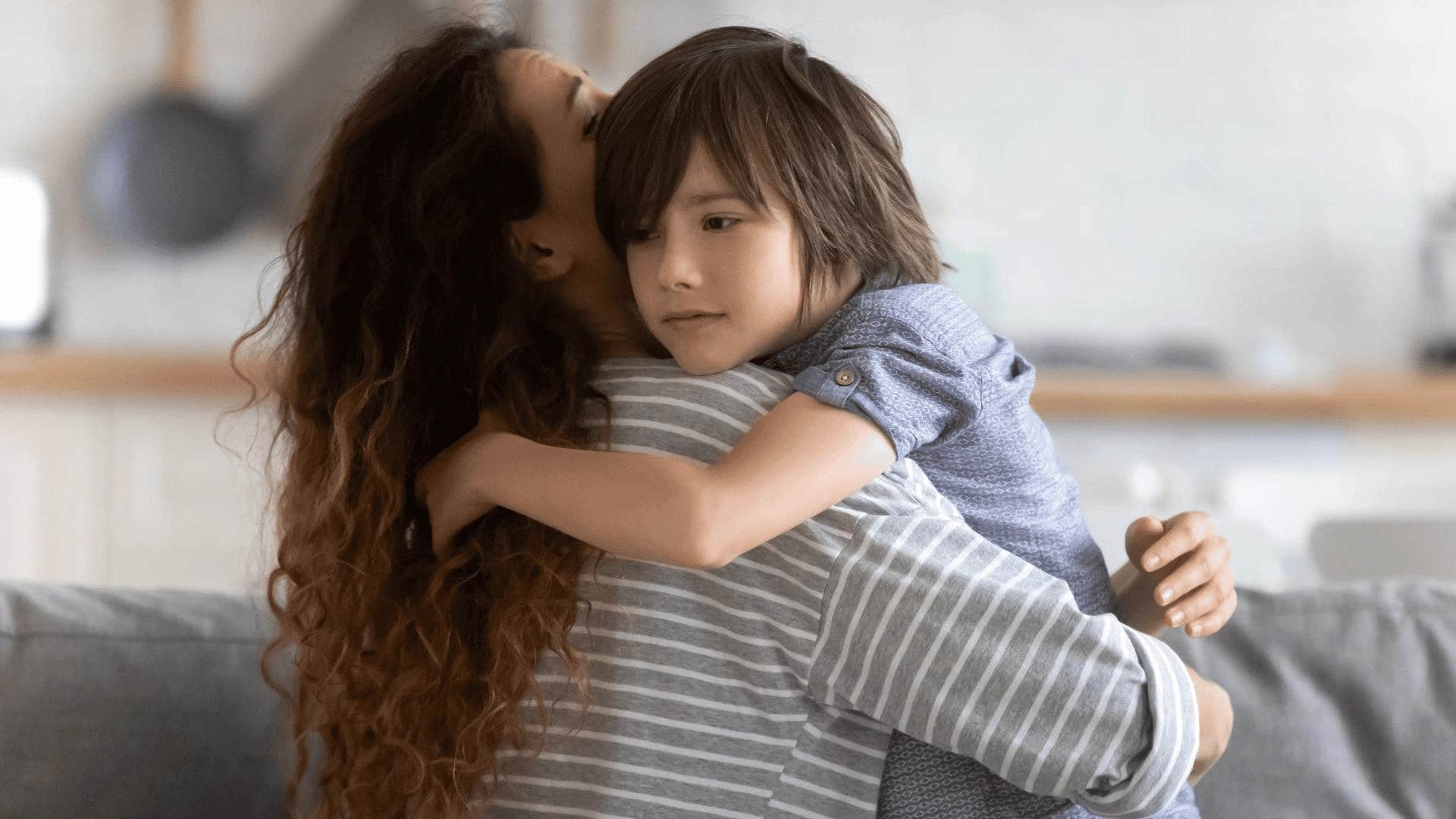
2. Single parent not by choice
 fizkes | Shutterstock
In this system, the child may be parentified, treated like an adult while their parent needs care. Oftentimes, as a result of being parentified, a codependency can develop, because the parent treated their child as a confidant or friend, as opposed to a kid they were responsible for.
"Kids growing up in this will have to make themselves totally selfless due to the stress of the parent being on their own," Teahan says. "They are raising themselves, they are doing everything themselves." He noted that there can often be a rotating cast of boyfriends, girlfriends, or step-parents, without the biological parent considering the impact those adults have on the child.
Children in this system might feel like a burden due to toxic messaging and intense blame from their parent or parents, believing that raising them ruined their life. Adults from this system may also develop what Teahan calls a "superhero complex" to cover up shame, or because they felt responsible for keeping their family on track.
Adds Teahan, "They will struggle with the void of the lost biological parent. They may struggle in life, feeling like a burden to everybody, or that everything is their fault. They may feel that they ruin people or ruin situations." Someone raised in this system would need to process the immense sense of responsibility that shouldn't have been placed on them.
3. Toxic divorce/loyalty
 fizkes | Shutterstock
Teahan doesn't frame divorce as toxic on its own. He noted that kids need to be helped through the divorce process, and if there's bitterness, poor co-parenting, or built-up resentments, divorce becomes toxic. He touched on parental alienation, which he describes as kids being "sort of brainwashed about one parent due to the other parent being very vindictive or mentally off, so there's really a character assassination of one parent over the other." If there's no processing of the divorce, it can be, according to Teahan, "A surreal experience that no one is processing this big, huge life event."
In this environment, children are often expected to choose sides. "Children are heart-based, and will absorb the resentment of this parent as a way to ally with them and sort of take care of them," which then compromises their relationship with the other parent.
Research indicates that people from this system often also struggle with trust and intimacy. They might feel healthy marriages are impossible and that stable relationships are a lie. "What our parents model about marriage and intimacy becomes our blueprint for it," Teahan explains. "That's a big thing we have to wrestle with and unravel because we have to establish a new idea of healthy relationships because that old blueprint is so compromised."
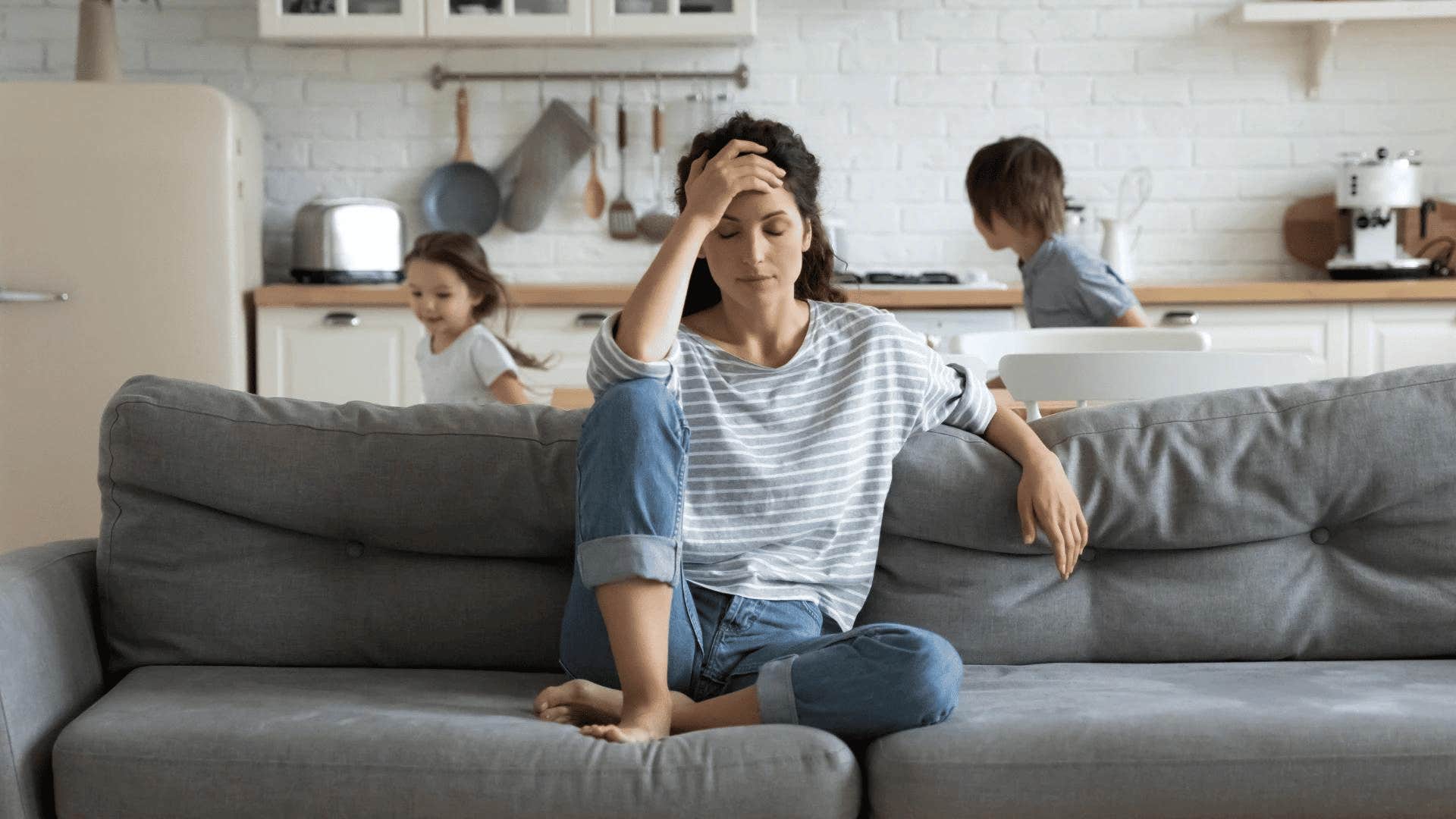
4. The chaos system
 fizkes | Shutterstock
This family system sees kids growing up in chaos, with parents who are themselves highly chaotic. Examples of this kind of dynamic could be parents who split up and get back together frequently, or who live in "severe poverty or survival mode."
"In a system like this, there can be a lot of broken promises, and the family is weirdly familiar with the fast-moving chaotic changes so much that they assume that's kind of how life is," warns Teahan. The chaos can show up as a "total loss of basics for children, like clean laundry, stable, consistent schooling, stable food, basic needs."
Teahan adds, "Often, the children in this system are treated almost like pets, like once the parents feel like food and shelter is established, that's all you need. Children will struggle with shame, and they will try to get their needs met from other people, like friends and teachers. Adults who grow up like this may struggle to move into an apartment and actually unpack, because they don't necessarily know how to establish themselves in an apartment."
Dissociation can also be common, "because these children aren't helped with catching up from one chaotic thing to the next; there's no parenting around that." Kids from chaotic homes are also usually "fiercely independent due to the shame of having grown up in this, which is a way to protect themselves." As adults, they often feel emotionally in transit and benefit from processing what they lost by growing up in chaos. They can be intense about cleanliness or money, or they might struggle with organization. Grieving the lack of consistency and stability is crucial for people raised in this system.
5. The anti-love family
 Ground Picture | Shutterstock
The "anti-love family" has "a deficit of affection, appreciation, warmth" and can stem from "contempt and disgust for some, if not all, of the family members, so children are just recipients of such contempt from their parents."
Teahan shares that parents' cruelty can be rooted in mental illness, self-hate, or their own unresolved trauma, noting, "The family acts out from a place of deep bitterness." In these families, vulnerability is seen as weakness and is often mocked.
Teahan adds that "parents in these systems are really off about their responsibility about raising children. They are totally narcissistically removed from that concept, and there's a sick message in a family, like, 'If I'm miserable, you're going to be miserable,' which is pretty nasty." He continues, "Children grow up in this heartbreak and, in some of them, become cold themselves, or some of them become painfully sensitive because growing up with a family like this, things are made to be so personal."
Adults from this system expect to receive cruel treatment from others throughout their lives, and they often feel confused by kindness. Someone from this kind of family might struggle to feel lovable, and the idea of being loved can bring up grief. Something to work on in therapy for people from an anti-love family is "the betrayal of love and responsibility by holding parents accountable for not doing anything about their own highly toxic stuff." They might also need to spend time "buying into the idea that they're lovable."
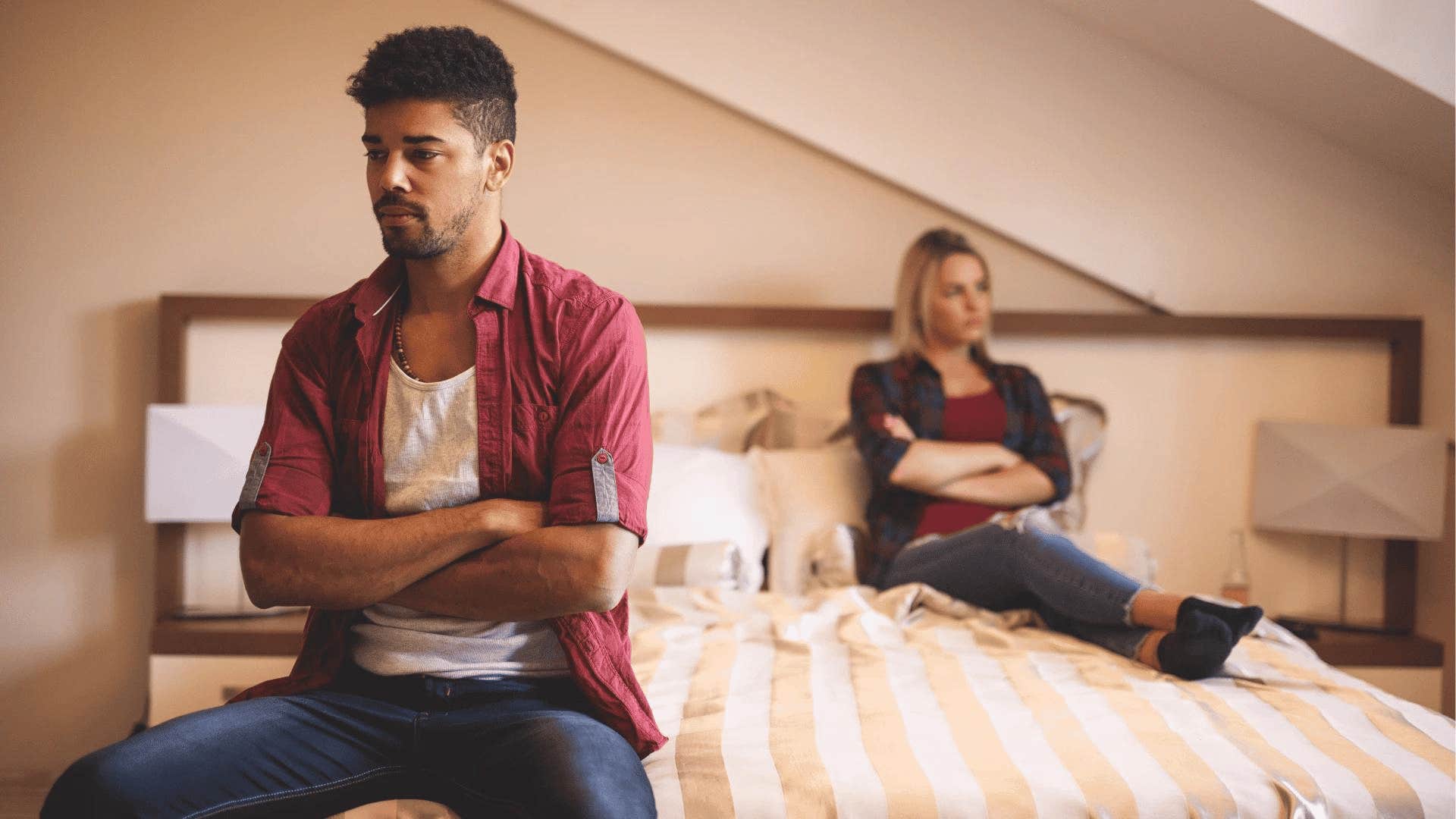
6. Ships in the night
 Dusan Petkovic | Shutterstock
This toxic family centers around neglect and disconnection, both as a couple and as a larger family unit. In this structure, parents seem to be living separate lives, as if they were playing house. They focus more on work or outside friendships than on what happens within the family.
Kids in this structure are often raised by grandparents or parented by their friends' parents. "There's a deep sadness to this system because it's like no one knows how to connect," Teahan says. Children might feel like their parents are strangers because their focus lies elsewhere. Teahan frames these families as a "non-child-centered house."
In adulthood, people raised in this system can struggle with intimacy on different levels. They might feel like they're on the outside, looking in. To heal from this kind of family system, they should aim to hold their parents accountable for not being available and for "going through the motions of having a family without actually cultivating having a family."
7. Looks good on paper
 PeopleImages.com - Yuri A. | Shutterstock
According to Teahan, "This family's major focus is controlling image and avoiding feelings at all costs." He notes that most of this family unit's energy goes into covering up feelings rather than addressing their issues. Their community doesn't pick up on the inauthenticity.
"The family is seen as super legit, super has it together. People don't notice the dysfunction underneath. A family like this can be meticulous about the yard, but they will cover things up like a really unhappy marriage," Teahan says.
Much of this family's energy goes into covering up the messier parts of life, like teenagers who act out. Teahan adds, "There's lots of secrets, lots of pretending or putting things away." Teahan also notes that values are "heavily rooted in one's station in life: Going to the right school, becoming a doctor, looking perfect dress-wise, image and status. This family also perceives having problems as weakness."
This particular family system is "confusing and oppressive from the place of pressure on kids to perform and to look certain ways, and no one does feelings, and it's pretty rigid." In these families, kids often struggle with their sense of identity and spontaneity. "They can also struggle later in life with authenticity and being true to themselves," Teahan says.
Adults who come from this family system can struggle with perfectionism, disappointing others, and falling into the comparison trap. Teahan notes that something to process in recovery from this type of family is "how things were so conditional and how the adults were totally focused on the wrong things."
Alexandra Blogier is a writer on YourTango's news and entertainment team. She covers social issues, pop culture analysis, and all things entertainment-related.