
Kids Who Were The Least Favorite Child In Their Family Usually Experienced 8 Things Growing Up
 Photo Editor: Olivia Bourgault | Photo: Marina Malades, Shutterstock
If you're a parent, you cannot imagine ever wanting your child to feel unloved. But favoritism reportedly occurs in one-third to two-thirds of families. If your parents played favorites and you were definitely not the one they liked best, the way you were treated probably still affects you now.
9 things experienced by kids who were the least favorite child in their family:
1. Their parents dismissed their emotions
 Antonio Diaz | Shutterstock
If your parents liked your siblings better than you, they probably acknowledged your emotions less often than they did for your favored sibling. This can have an effect that stays with you for years after you're grown up.
Having your feelings dismissed by your parents sends the message that expressing your emotions doesn't help you get your needs met. You likely learned from a young age to repress how you felt and pretend like everything was fine, even when it wasn't. Meanwhile, the favorite sibling probably had each whim catered to.
As an adult, you might feel disconnected from your own emotions and struggle to recognize how you feel. It's also possible that you developed an insecure attachment style as a result of not being the favorite child, which can make it difficult to maintain close relationships as an adult.
2. They were given way more responsibilities
 granata68 | Shutterstock
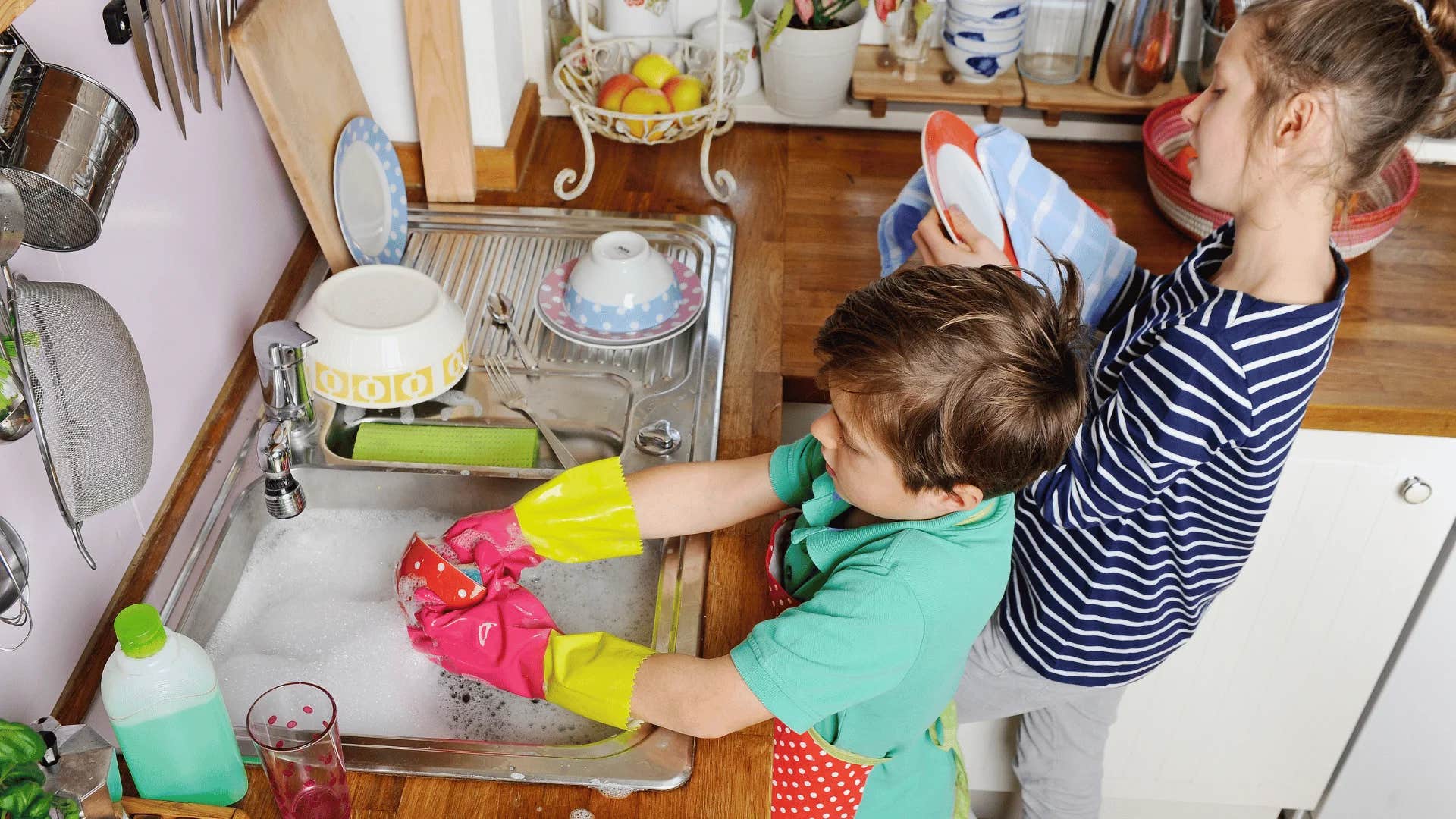
Picture Cinderella's workload compared to her stepsisters' chores. That's what it feels like to be the least favorite child.
Being assigned a developmentally inappropriate level of responsibility is also known as parentification or adultification. According to an article published in a public health journal, parentification requires children to become "pseudo-adults long before they are cognitively and physiologically equipped for these roles."
The negative outcomes of parentification include internalizing emotions and behaviors, externalizing problems, and developing rejection sensitivity or an insecure attachment style. Being asked to show up in an adult role when you were still young is a sign that you weren't the favorite child.
3. Their achievements were never recognized
 Harbucks | Shutterstock
As the least favorite child, your parents probably brushed your accomplishments under the rug while celebrating and amplifying what your sibling did. Maybe your parents showered your sibling with positive attention when they did well in school but only noticed you when you were struggling (and their response was negative).
Maybe they expected you to exist in the image of your favored sibling, and showed disappointment when you couldn't measure up in their eyes. No matter what it looked like in your home, it's painful.
It's possible that your sense of self-worth was deeply affected by the way your parents treated you. As a child, you were essentially told that you were never good enough, so you internalized that message. As an adult, you have low self-esteem and low confidence, and you still don't believe that you can do anything right.
4. Their parents didn't show affection
 fizkes | Shutterstock
If your parents showed love and care to your siblings but didn't give you care in the same way, that lack of affection can affect you as an adult.
After all, when parents express warmth and affection to their children, it leads to a wealth of positive outcomes. Withholding
The Gottman Institute reported that parental affection fosters a strong connection between parents and their kids, along with stronger communication. Being affectionate boosts kids' self-esteem, improves their academic performance, and creates fewer psychological and behavioral problems.
Yet not receiving an adequate amount of affection can prove harmful to children. A lack of affection can lead to high levels of stress and anxiety in adulthood, along with lower self-esteem and a feeling of being socially alienated.
If your parents withheld affection when you were younger, it could mean that you built your sense of self-worth in adulthood around constantly seeking validation from other people.
5. They couldn't fully trust their sibling
 fizkes | Shutterstock
Sibling relationships in families that played favorites suffer as a result of that favoritism according to research. They found that 48% of Americans who were raised in families without a favored child reported a close relationship with their sibling. Sadly, only 30% of people who were raised in families where one child was treated as the favorite said that they're close with their sibling.
When one child is favored over another, there is usually a strong sense of competition between the siblings, which fosters a sense of distance between them. It's hard to feel close to someone you've been compared to your whole life, which is why it's hard for disfavored children to trust their siblings who were favored by their parents.
6. They were only noticed when they made mistakes
 Gladskikh Tatiana | Shutterstock
If you were the least favorite child in your family, it's possible that the attention your parents did offer was negative. Your sibling was held up as the shining example of a golden child, while you were labeled as the one who always made mistakes.
As a result, you entered adulthood thinking that there was something inherently wrong with you, or that you could never do anything right. You don't believe in yourself, because you weren't taught to do so by your parents during your tender developmental years.
You may even feel guilt or shame for having acted out in other ways as a kid, as it was the only way you got your parents' undivided attention. Hopefully, as you come to terms with this, you can forgive yourself. Your reactions, given the situation, were normal for a child. Kids crave connection with their parents and will accept conflict as a substitute when nothing else is offered.
7. Their parents didn't give them their time or equal resources
 fizkes | Shutterstock
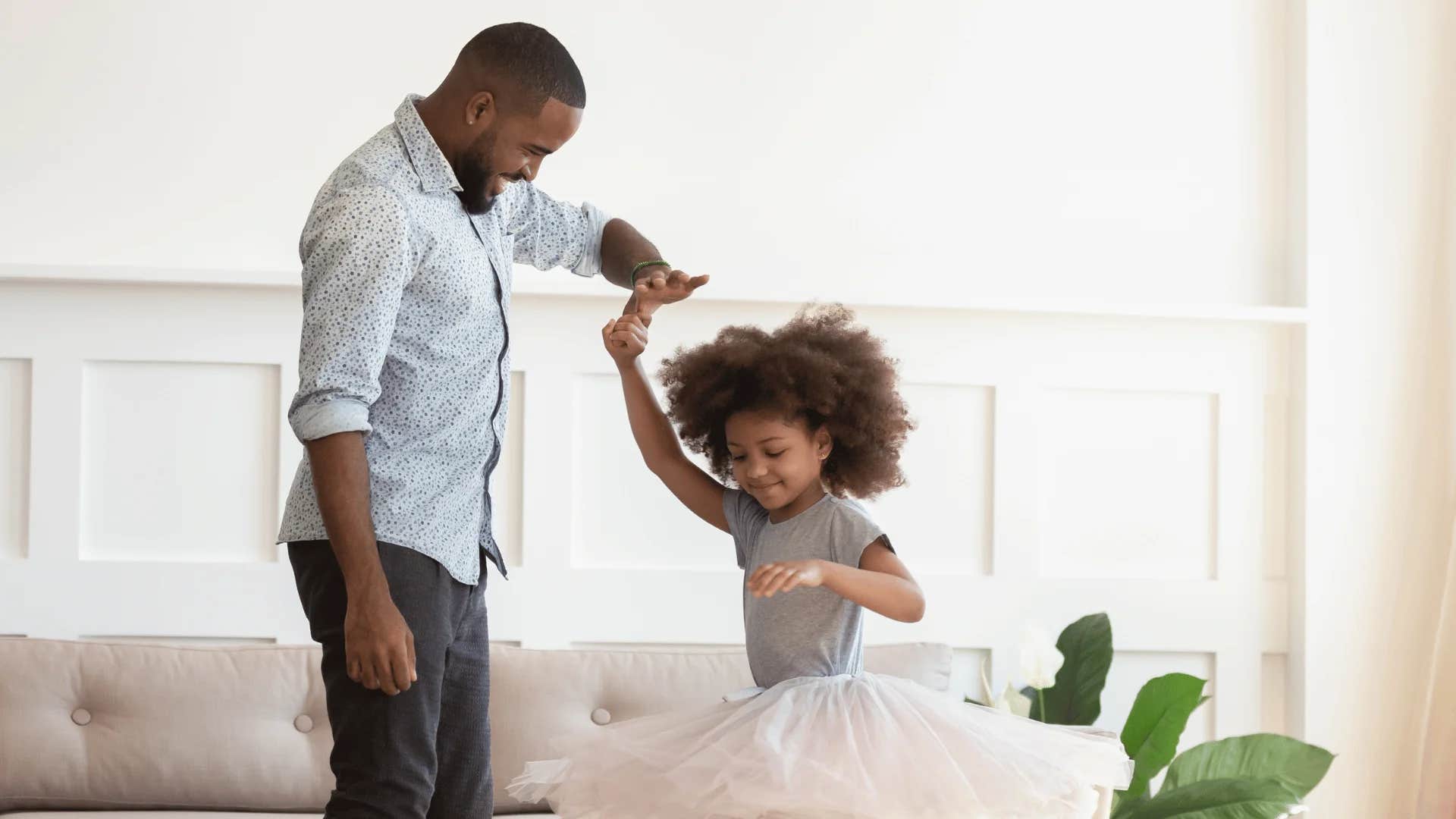
If your parents thought your sibling was a better student than you were, they probably fostered their academic capabilities over yours. The same is true for sports or piano or whatever it was your parents most valued.
You didn't get the same amount of practical attention that your sibling received, and you weren't given the same opportunities, either.
A study published by the Journal of Marriage and Family reported that favorite children are more likely to receive interpersonal resources and financial resources from their parents, which increases the likelihood of their success as adults. Because the disfavored child wasn't given the same amount of time or energy, they didn't get the same boost into having a successful adulthood.
8. They felt invisible and maybe even unlovable
 1st Footage | Shutterstock
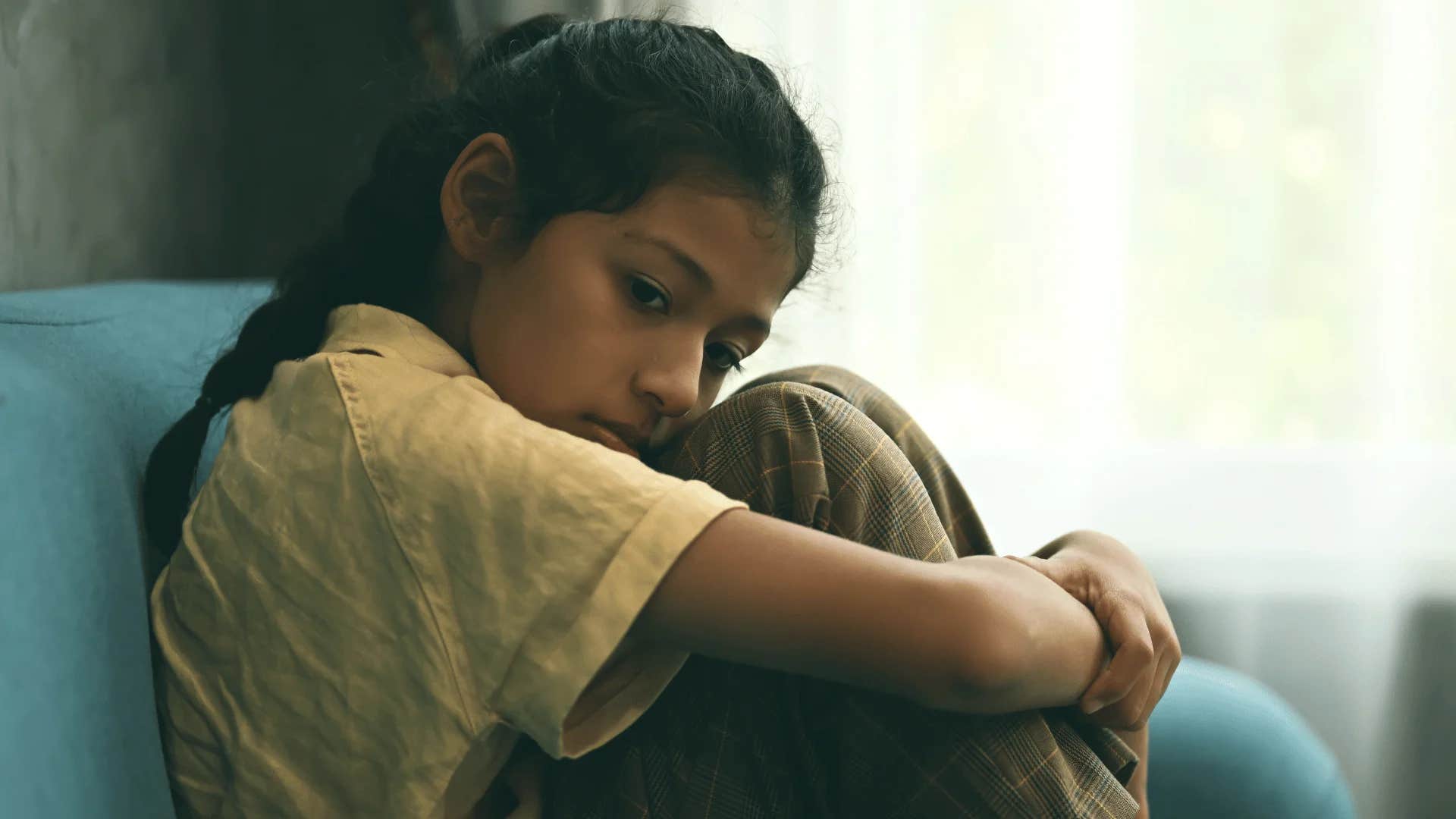
Kids whose parents favored their sibling often feel alone, even when they're in a crowd. The Survey Center on American Life reported that people raised by parents who had favorites are 40% as likely to report feeling lonely at least once a week in childhood, as opposed to 18% of people in families without a favorite child.
You felt invisible in your own family, as if nothing you did really mattered. As a result, you grew up feeling socially excluded, which led to a sense of isolation that persists even as an adult. You might have a hard time making friends or letting yourself be vulnerable with romantic partners, which can further hinder your sense of belonging.
Alexandra Blogier, MFA, is a writer for YourTango based in Boston. She covers social issues, psychology, self-help, and human interest stories.
