
People Who Need A Fan Blowing On Them To Fall Asleep Usually Have 9 Distinct Traits
 Ahmet Misirligul / Shutterstock
 Sleeping without a fan can feel strangely unsettling once it becomes a habit. For some people, falling asleep in the complete stillness feels almost unbearable. They rely on the steady hum and gentle airflow of a fan to help their minds settle down at the end of the day.
The routines people develop around sleep can offer small clues about how they think and cope with stress. People who depend on a fan at night often value consistent, comfortable environments that help them feel calm and in control. Although everyone's reasons are different, there are several traits that frequently show up among people who find it much easier to drift off with a fan blowing beside them.
These are distinct personality traits that people who need a fan blowing on them to fall asleep usually share in common
1. They’re frequently nervous
 New Africa | Shutterstock.com
When someone’s regularly holding onto a lot of anxiety and gets nervous quickly amid daily life, it can trigger an increase in heat and sweat. While not everyone carries that same stress into the bedroom, dreams, nightmares, and insomnia can work up those same feelings of tension and make it even harder to fall asleep amid the heat.
That’s why some choose to keep a fan blowing on them at all times. Even if they’re not hot in the moment, it’s not worth the risk of overheating at night and not having anything to cool them down.
2. They’re light sleepers
Much like a white noise machine, a fan blowing close to someone while they're sleeping has a masking effect that prevents light sleepers from being woken up by random noises. Like a bedtime story and the sound of a parent’s voice lull us to sleep as children, the white noise from a fan blocks out the noises of the world that create so much unnecessary distress for adults.
That’s why people keep fans close to their beds, even if they’re not actually prone to night sweats or heat.
3. They don’t like silence
Some people crave the silent stillness of a bedroom without any kind of white noise or distraction. Others can’t help but feel like silence is louder and more distracting than the sounds of a busy street or box fan.
While sleeping with a fan at night to avoid silence is somewhat acceptable and commonplace for so many, there are red flags. During the day, when we need these moments of stillness, boredom, and most importantly, silence to unwind our brains, constantly filling it with stimulation can be a toxic crutch. A fan at night is great, but constant background noise during sleep may create more stress for your brain in the long run.
4. They’re particular and disciplined
When someone has a very specific routine that they’ve curated through trial and error, of course, they’re particular about it. They know that it works and they’re protective of their sleep. Who can blame them?
While we like to put a lot of stock in being nonchalant about everything in life, sometimes, being disciplined and specific about what you need and like is necessary. Especially for women who are constantly socialized into people-pleasing for others, they need to have these parts of their routines that are wholly and entirely for themselves.
5. They have stressful, chaotic schedules
 DC Studio | Shutterstock.com
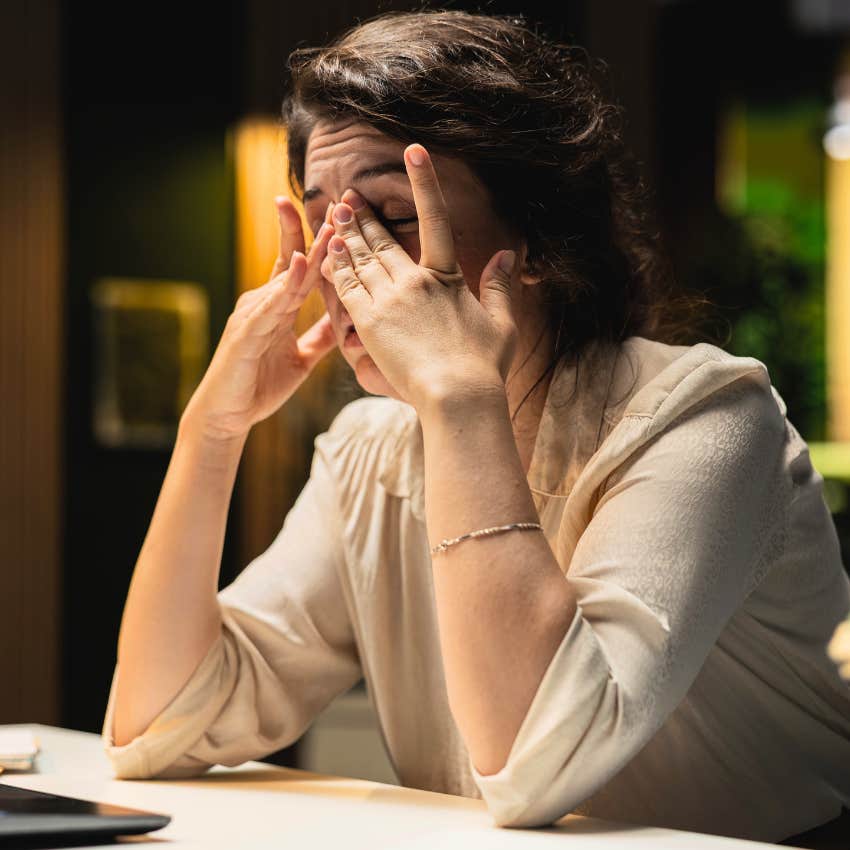
When your brain is overstimulated and overwhelmed by all kinds of information during waking hours, of course, having the white noise of a fan to blur it all out at night is essential. Whether it’s obligations for the next day, overthinking conversations at work, or dealing with a lot of emotional turmoil, having this noise to calm a racing mind can make sleep much better.
With a racing mind being one of the most common causes of insomnia and sleep problems, of course, something as simple as a fan turns into a nonnegotiable for people.
6. They’re nostalgic
If someone grew up with a creaky ceiling fan or always had a box fan at their childhood home, of course, they’re probably going to yearn for that nostalgic comfort.
Yes, some people push away those sentimental memories and urges, but the most nostalgic people lean in. They create comfort and meaning even in the most mundane moments and with the most unassuming objects, like a fan in their bedroom at night.
7. They need perfect conditions to sleep right
So many people struggle with early morning wakeups and chronic exhaustion because they don’t get enough sleep. However, for some people, especially those overworked and drained during waking hours, perfect conditions are needed to get the full recommended amount of rest.
They probably have cooling sheets, a sunrise alarm clock, a curated playlist, specific curtains, and a box fan with just the right sound. When they’re not at home or miss a step in their bedtime routine, everything shifts, and they don’t sleep well. So, they’re protective of it, even if it means going home late from a friend's house to sleep in their own bed.
8. They’re highly sensitive
During waking hours, the most sensitive people can be easily overstimulated by loud crowds, spaces, noises, and environments. Even the most everyday sensory information puts them at risk.
The same is true at night, when there are even fewer distractions from annoying sounds and disruptive sensory input. That’s why these people need to use a fan or white noise machine every night to block out these distractions and prevent them from being too overstimulated to fall and stay asleep.
9. They like the coziness of heavy blankets
 PeopleImages | Shutterstock.com
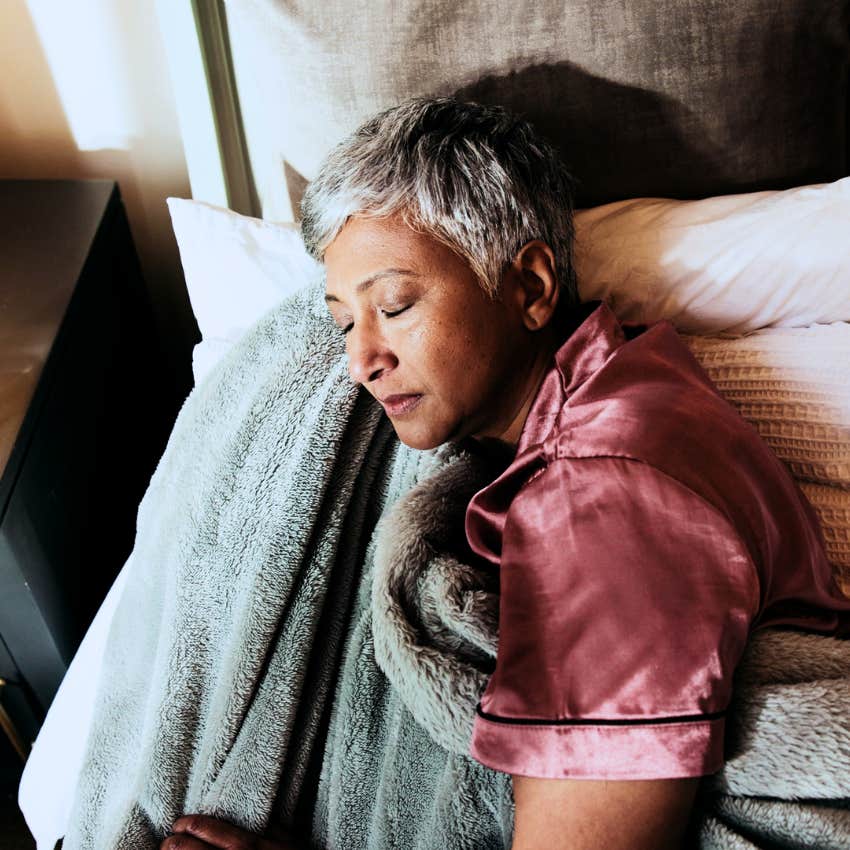
Despite a tendency to get warm quickly while sleeping or to prefer being cold, someone who still enjoys the comfort of a heavy blanket or comforter may use a fan to compensate. They like the pressure and being cocooned in their blankets at night, but need a fan blowing on their face to regulate their temperature.
While it might seem silly to some people who can fall asleep under any conditions, these people invest in a regular routine for a reason.
Zayda Slabbekoorn is a senior editorial strategist with a bachelor’s degree in social relations & policy and gender studies who focuses on psychology, relationships, self-help, and human interest stories.
