
9 Things Gen Z Simply Does Better Than Every Generation Before Them
 Jorge Elizaquibel | Shutterstock
 Despite often being criticized by older generations, Gen Z does a lot right. Yes, they may be beholden to their phones or dependent on constant stimulation, but they're also change-makers and trailblazers.
They don't accept social norms just because of tradition. They're interested in work-life balance. They prioritize their mental well-being. All of these, along with many others, are some things Gen Z does quite a bit better than the generations before them, even if it's not easy to give them the credit they deserve.
Gen Z does these things better than every generation before them
1. Protecting their personal time
 PeopleImages | Shutterstock
Even if the actual behaviors that form their personal routines aren't all that healthy, Gen Zers still protect their time. They are changing how workplaces view work-life balance and paid time off, because instead of hoarding it in favor of company loyalty, they're taking the time they're entitled to.
From mental health days with sick time to going home right at the end of their shift, and not a minute later, they're no longer sacrificing their personal well-being and time for the sake of a job. If they aren't getting any kind of purpose or meaning from work, it's just a paycheck that supports their personal life.
2. Making hobbies into side hustles
Even though it's not always healthy to monetize every single thing they're doing in their personal time, for so many young people it seems like they have no other choice. With the internet and social media at their fingertips, they can find all sorts of small money ventures, and while they may not pay the bills, they help.
From selling arts and crafts on Etsy to perusing LinkedIn for random freelance opportunities in their industry, their ability to use the internet to their advantage is priceless.
3. Spotting AI and fake news
With decades of experience being chronically online, so many young people today have a keen eye for fake news and AI-generated content. While they might still be using AI, they're unlikely to fall for some of the more obvious AI-generated photos and videos that older generations share on their own pages, and they're more skeptical than most.
There are plenty of older generations who know their way around the internet and have adapted well to AI content on their feeds, but some are still oblivious compared to Gen Z, who have spent almost their entire lives online.
4. Using therapy as routine self-care
Many older generations facing all kinds of underlying mental health stigma still perceive therapy as a form of diagnostic healing. Something happens to them, and if they absolutely can't handle it on their own, they may go to a therapist. That's the trend generationally, and while there may be exceptions, it's a stark difference to the routine nature of therapy for Gen Z.
For young people, therapy has become a wellness ritual. A casual act of self-care. A way to "tune up" their mental health, even when they're feeling well and living happy lives. They go to therapy before things "get bad," because it's a part of their routine and a way to take care of themselves, not an admission that they're weak or something's wrong.
5. Being natural in front of a camera
 Raushan_films | Shutterstock
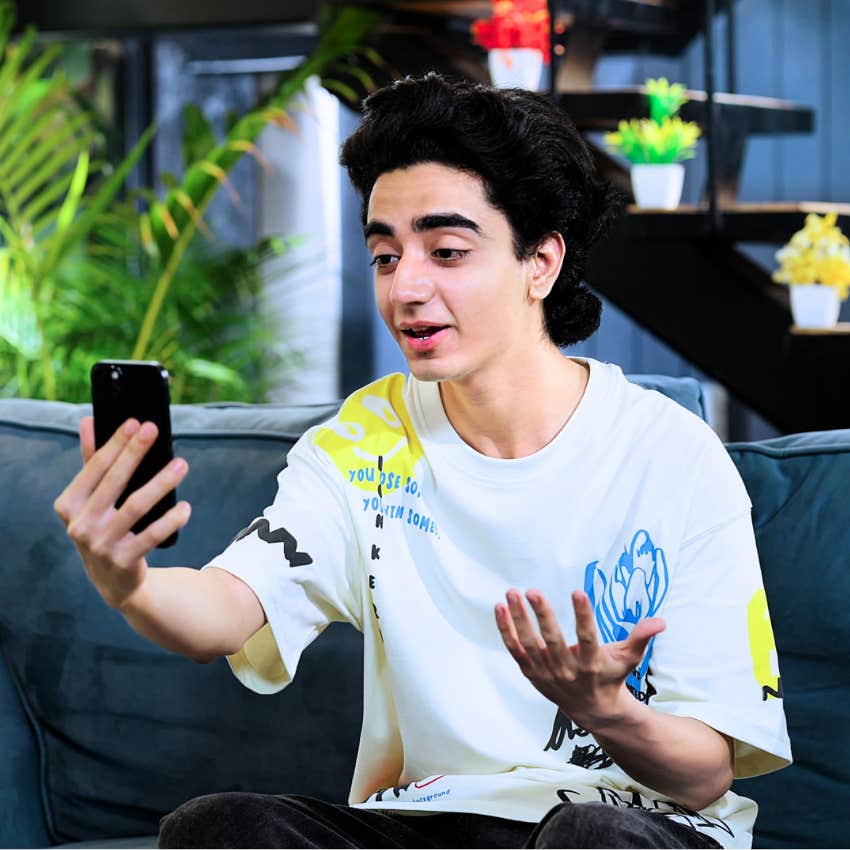
Because they spent a foundational chunk of their lives connecting with people only behind screens and online, Gen Z is comfortable with the camera. Even if they avoid live FaceTimes and unexpected phone calls sometimes, they're more comfortable being on camera or filming videos for social media than other generations.
Some experts even suggest they also look more "natural" in front of a camera than other generations. They've studied how people show up online and what they dislike about what other generations do, and that's shaped their own online presence.
6. Promoting comfort at work
Many older generations of workers have adopted the misguided belief that a strong work ethic requires suffering and struggle. Whether it's conforming to an uncomfortable, professional dress code or bringing work home, their ideas about what makes a good employee are directly informed by hustle culture.
However, Gen Zers aren't feeding into hustle culture anymore. They're not interested in working the hardest, at their own expense. Some don't care about climbing the corporate ladder. They're even reshaping the clothing they wear to work to be more physically comfortable and authentic in the workplace.
7. Staying pragmatic
Considering many of the promises about life they'd been fed growing up didn't come to light, including landing a job after college or being able to buy a home, Gen Zers have earned their cynicism. They might be optimistic about the future in ways that support their advocacy and high expectations for change, but they're still cynical about the reality they're facing.
In a society or in a workplace that doesn't always respect them, or at least where it doesn't feel like they're being respected, they're more observant about opportunity and struggle.
8. Prioritizing nutritional value
Whether it's eating only organic produce or being mindful about the supplements they take, Gen Z is a wellness generation. They might still be doomscrolling on their phones or ordering food delivery, but collectively, young people today are a lot more health-conscious with food and routines than others.
Unfortunately, they have to splurge on groceries to look out for their health in this way, but so many, unsure if they'll ever make a big investment in adulthood, are willing to make space for the expense.
9. Embracing singlehood
 Irina Shatilova | Shutterstock
Marriage is going out of style for many Gen Zers, especially for women who no longer feel like starting a family or becoming a wife is their only life path. They can embrace living life on their own terms, and protect their health and longevity.
Young people are pushing back on the pressure to settle down, and instead appreciating their young lives outside of relationships. Yes, many are dating. Yes, many are still getting married and starting families. But, collectively, the expectations and norms are shifting.
Zayda Slabbekoorn is a senior editorial strategist with a bachelor's degree in social relations & policy and gender studies who focuses on psychology, relationships, self-help, and human interest stories.
