
You Can Usually Tell How Sad Someone Is By These 11 Phrases They Say In Casual Conversation
 SynthEx | Shutterstock
 Well-intentioned advice like “just think happy thoughts” can feel so demeaning and invalidating in the wrong hands, but according to neuroscientist Dr. Andrew Newberg, there’s some truth to it. When we say negative thoughts, listen to sad music, and hold onto negative feelings inside, it can seriously affect our well-being and mindset, compared to changing things with optimism in mind.
That’s why you can usually tell how sad someone is by phrases they say in casual conversation. Whether it’s “I’m used to this” or a general lack of connection with others, their sadness isn’t entirely internal, but something people can sense within seconds of being around them.
You can usually tell how sad someone is by these 11 phrases they say in casual conversation
1. ‘I’m used to it’
 Gorgev | Shutterstock
The brain chemicals responsible for prolonged sadness and depression can often get “stuck” in this space, making us feel like the state of our mental health is “forever,” instead of something we can work through. So, it’s really no surprise that the saddest people often come back to phrases like “I’m used to it” often.
They really don’t feel like they have any power or autonomy over how they get to live and experience life, making every interaction, obligation, and conversation feel meaningless.
2. ‘I don’t care’
 Krakenimages.com | Shutterstock
A lack of interest in things they used to love is common for people battling depression, according to a study from Translational Psychiatry. Whether it’s people, experiences, or hobbies, everything that could help spark joy becomes meaningless and draining.
All they have the energy for are bare minimum obligations, like getting out of bed and showing up for work. They likely feel emotionally numb and entirely disconnected inside, manifesting in subtle, somewhat unsuspecting phrases like “I don’t care.”
3. ‘This always happens to me’
 sakavichanka | Shutterstock
Instead of acknowledging the role they play in their own lifestyle, many people dealing with sadness find it much easier to blame everyone else and cling to questions like “Why does this always happen to me?” to cope. It’s no surprise, considering even the most confident, happy people still struggle to accept accountability for the way they feel.
However, this mentality that life is happening “to” them, rather than “through” them, is what keeps them stuck in a perpetual cycle of sadness. Even if experiences of loss and grief, some of the most challenging things to cope with, happen, blaming others only prolongs our need to sit with our feelings and heal.
4. ‘I’m just tired’
 PeopleImages | Shutterstock
An age-old disguise for feelings of sadness, many people who say “I’m just tired” are actually hiding much more serious internal chaos. Of course, their battles with mental health may actually be exhausting, but a lack of sleep likely isn’t the only reason why they’re struggling.
Even if this avoidance feels comforting for a few moments, the truth is that putting feelings into words, seeking support, and even writing down how we’re feeling can make a huge difference. Acknowledging and accepting these negative thoughts can also help us move on, even if it feels like such a cliché in a moment of distress.
5. ‘None of that matters anyway’
 MAYA LAB | Shutterstock
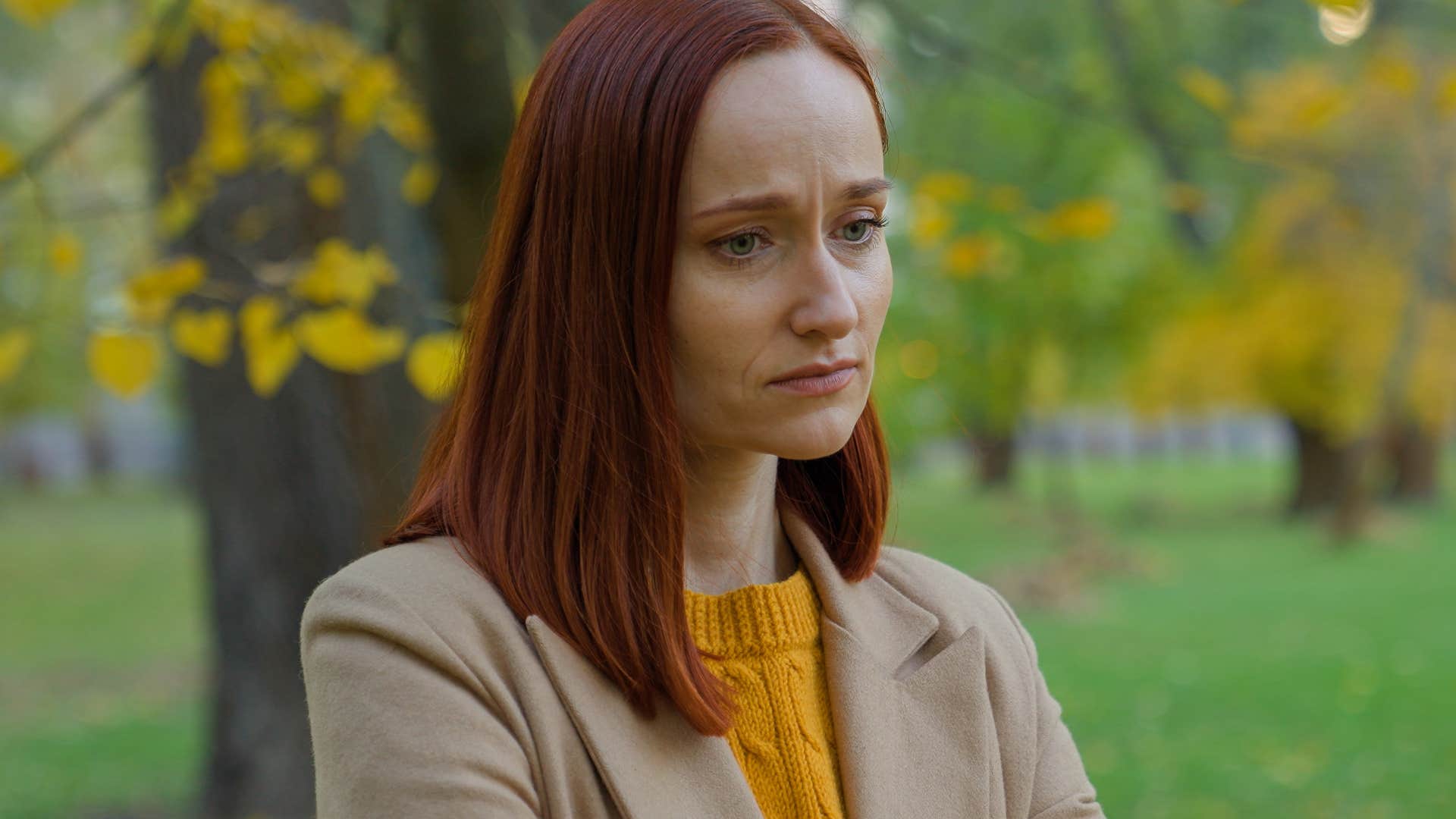
Most people experiencing depression feel a lack of purpose and meaning in their lives. They feel entirely disconnected from pleasure, partially because they’re coping with chronic sadness, and partially because their brain chemistry is being negatively affected by their constant inner turmoil.
While we can learn and acknowledge these facts on paper, living through this kind of displeasure and disconnection feels impossible to navigate. Whether it’s driven by mental health struggles or burnout, feeling like nothing matters strains relationships, adds to internal sadness, and even sabotages the parts of our daily routines that we usually look to for joy.
You’ll often hear these people saying “none of that matters anyway” to cope with their sadness, even when it clearly keeps them stuck in a place of lack.
6. ‘I’d rather just be alone’
 MAYA LAB | Shutterstock
Most people dealing with internal chaos feel like the only choice they have is to self-isolate. They cling to their alone time and try to hide how they’re feeling, especially when they can’t mask happiness for anyone. However, isolating themselves only keeps them from seeking the “connection prescription” and support they need to heal.
It’s a cycle. We avoid our emotions and seeking support to manage them at the expense of our well-being, but end up stuck in a cycle of social isolation that only amplifies all of our sadness, cognitive struggles, sleep problems, and health.
7. ‘It’s all my fault’
 New Africa | Shutterstock
According to a study from the Journal of Affective Disorders, feelings of inadequacy and hopelessness are common for people experiencing depression. They can’t help but blame themselves for everything because their self-worth is so low that they can’t do anything but add to it.
While it’s typically healthy to acknowledge and address the role we play in the uncomfortable situations of our lives, it’s not always productive for an already sad person to linger in a place of self-blame. Especially if they’re not taking action, but making themselves feel worse, they can’t heal when they’re always regretting and blaming themselves for the worst parts of their lives.
8. ‘I knew this would happen’
 Anna Stills | Shutterstock
As a defense mechanism against fear and worry, many people struggling with sadness live in a pessimistic world, where they believe everything will go wrong. At least, if they can mentally prepare themselves for their insecurities to be validated by others and for their lives to go sideways, they’re not blindsided.
Even if expecting the worst seems like it can make disappointment hurt less, it really makes no difference. So, when we take on a ton of pessimism and negativity, all for the sake of preparing ourselves, we’re only perpetuating more sadness and harm in our daily lives around something that will hurt us regardless.
9. ‘What’s the point?’
 Krakenimages.com | Shutterstock
Most people believe that either their lives have meaning or humanity as a whole has a succinct purpose on Earth that makes them feel meaningful. However, when someone is falling down the rabbit hole of depression, a feeling of hopelessness and helplessness collectively challenge those beliefs.
Despite needing a sense of meaning and belongingness to live happy, healthy lives, these people generally feel like nothing matters. They don’t find joy in small moments, feel disconnected from their people, and regularly express a distaste for the things they used to love.
“What’s the point?” becomes the default mindset for their entire lives, making it feel impossible to do everything from shower to get out of bed and plan a future for themselves.
10. ‘I don’t want to be a burden’
 Krakenimages.com | Shutterstock
Especially when someone’s sadness is manifesting through anxious tendencies, their worry of being a burden by asking for help or speaking about their struggles may be more prevalent, according to a study from Aging & Mental Health. That’s part of the reason why they self-isolate to hide their suffering, even if it prompts social isolation and feelings of loneliness that only add to their own personal, emotional burdens.
So, if you notice someone letting a phrase like this slip around you, reassure them that your relationship is there for a reason. Through good and bad times, having a good friend or loved one around to just listen and love you is so profoundly important.
11. ‘I can’t’
 BongkarnGraphic | Shutterstock
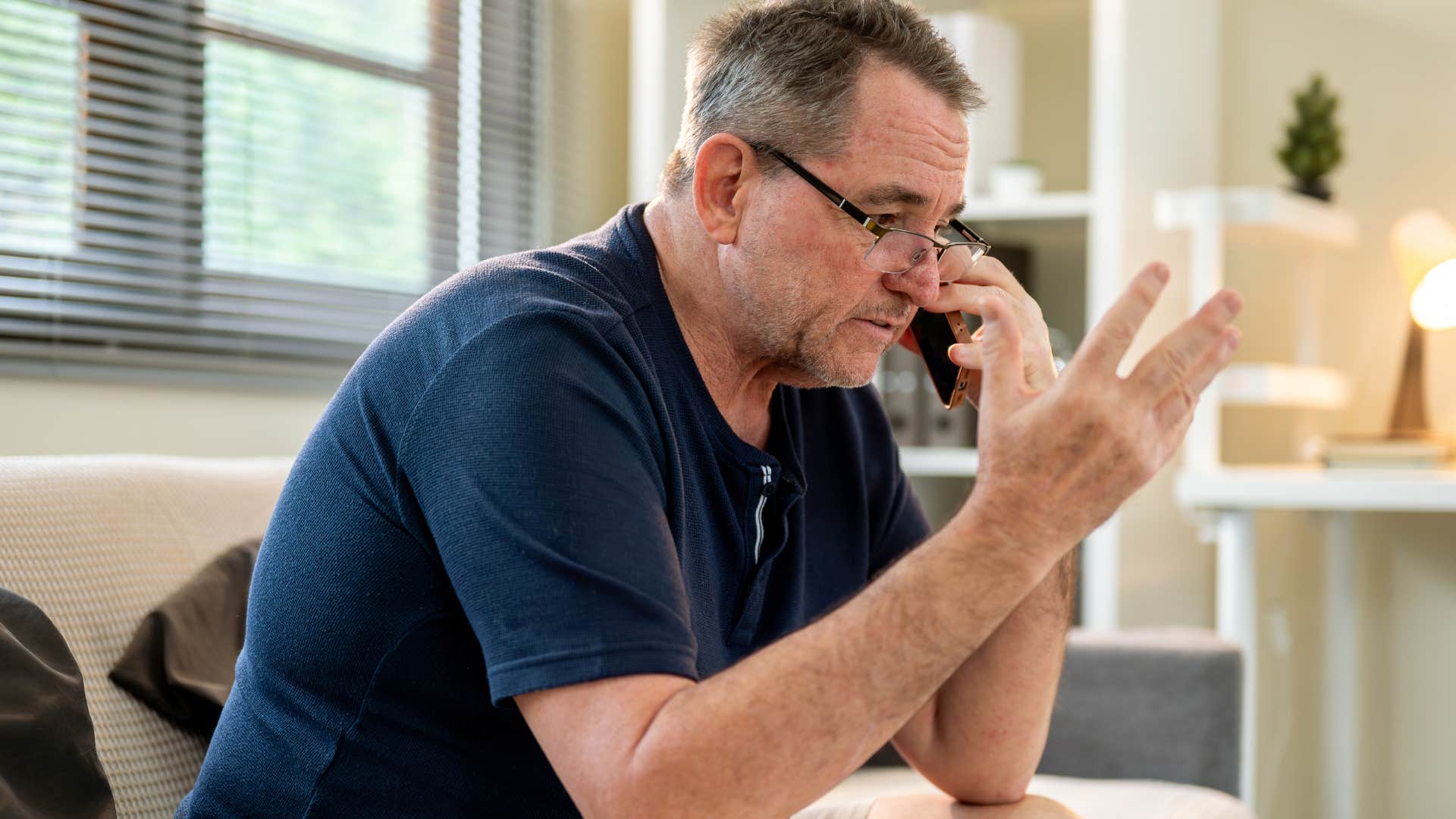
The inability to do something, whether it’s daily activities like brushing their teeth or large commitments like seeking help, is common for people experiencing chronic sadness or depression. Their nervous system is stuck in a state of fight or flight, where even the most basic parts of daily life feel impossible.
You’ll hear “I can’t” or “not today” from them often, even if whatever they’re avoiding is exactly what they need to do to feel better and heal. It’s not because they’re lazy or unmotivated, but because their minds and bodies are already exhausted trying to mediate the chaos happening internally.
Zayda Slabbekoorn is a senior editorial strategist with a bachelor’s degree in social relations & policy and gender studies who focuses on psychology, relationships, self-help, and human interest stories.
