
People Who Cancel Plans & Ignore Text Messages Usually Have 11 Distinct Reasons
 Andrii Iemelianenko | Shutterstock
 Even though we rarely feel dread and annoyance when we show up for plans, there's no denying that most people carry more stress before leaving the house to hang out with friends or attend an event. According to psychologist George Loewenstein, that's why we feel relief when we cancel plans, because it removes all that pent-up precursory stress and anxiety.
However, people who cancel plans and ignore text messages usually have more nuanced, distinct reasons for doing so, beyond just dealing with stress and social anxiety. As long as they're maintaining boundaries, being open about their reasons, and still showing up for the people they care about, it's not always a bad thing.
People who cancel plans and ignore text messages usually have 11 distinct reasons
1. They're burnt out
 Photoroyalty | Shutterstock
If someone is entirely burnt out from working too hard or handling too much emotional chaos, they may not have the mental capacity or energy to show up for other people. Whether it's keeping up with small talk around people in-person or responding to a text message, they'd prefer to be isolated than drain themselves any further.
It's a cycle where social isolation feels both like a fleeting coping mechanism for comfort, while also further amplifying someone's exhaustion and emotional chaos.
2. They don't know what to say or how to act
 PeopleImages | Shutterstock
Humans often crave predictability in many aspects of life. We feel more secure and "in control" when we know what to expect.
Especially for someone already struggling with social anxiety, if they're supposed to go to an event they can't rehearse in their head or create a script for, avoiding it can offer a fleeting sense of comfort that they're missing. Even being unsure of how to respond to a text can bring up feelings of anxiety that prompt avoidance.
3. They're the 'therapist friend'
 Photoroyalty | Shutterstock
People who adopt the role of a "therapist" friend in their social networks often bear the burden of everyone else's bad moods and problems. Not only do they take on the stress of solving people's issues, but they also become a dumping ground for negativity.
So, if they're not getting the support they need and are struggling themselves, canceling plans or cutting off communication may be their only way of coping. If they spend more time around people who only drain their energy, whether it's intentional or not, they only put themselves in a worse place.
4. They worry about being rude or disconnected
 Bricolage | Shutterstock
If you're in a bad mood and know you can't show up as your best self, staying home and canceling plans can feel justified. You want to protect other people from your bad mood and push off commitments until you feel better. That's not necessarily a bad thing.
Especially if taking space to rest and reflect makes you feel better physically and emotionally, everyone benefits from a canceled plan or a boundary.
5. They're depressed
 PeopleImages | Shutterstock
Many people who are depressed find it harder to do the bare minimum tasks our lives require, whether that's practicing personal hygiene or even getting out of bed in the morning. So, it's not surprising that canceling plans and avoiding texts are also common symptoms in someone who's struggling.
While they might have made plans to hang out with someone when they felt better, when that commitment actually rolls around at the wrong time, it can feel impossible to show up for. While these habits might offer a depressed person a fleeting sense of security or comfort, in the long run, canceling plans and self-isolating only amplify symptoms of depression and other mental health concerns.
6. Their social battery is drained
 Stock-Asso | Shutterstock
Introverts and people with introverted tendencies need alone time to recharge their social batteries, which is why they often have to cancel plans or ignore text messages after unexpected, draining days. They need space to prepare to go out into the world, so they're not trying to interact with people with an empty social battery.
While extraverts are often empowered and energized by being around others, introverts need quietness and alone time on a regular basis to show up as the best version of themselves in the world. Even contributing to a group chat with a bunch of people can be overwhelming for an introvert who's drained from the day, so it's not surprising that actual human interactions feel impossible when they're in dire need of alone time to reset.
7. They're focused on something else
 DimaBerlin | Shutterstock
Many people overextend themselves by showing up for people and responding to texts when they don't have the time, energy, or effort to do it well. Whether it's being overworked and busy at a job or having something at home taking up their energy, canceling plans and ignoring texts is their way of focusing on what actually matters.
Especially for people who feel constantly pressured to put other people's needs before their own, setting boundaries by going "DND" on their phones or canceling plans is a practice of self-empowerment. They're focused on something that makes them feel good or works in their favor, and they're not willing to keep putting their needs on the back burner.
8. They need a mental break
 Daisy Daisy | Shutterstock
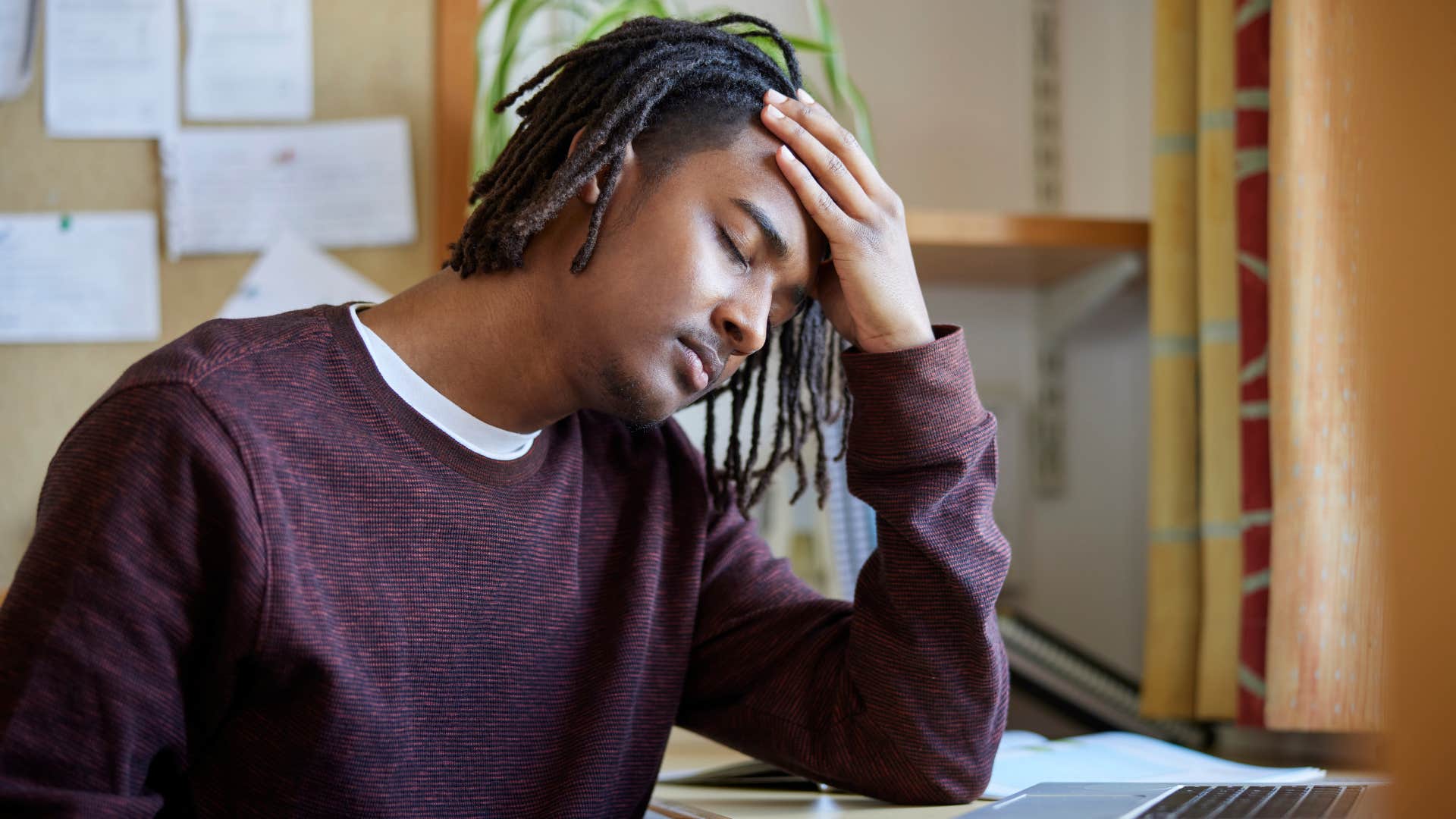
We all need a break sometimes, and without the flexibility at every job or household to carve out space, canceling plans or turning off a phone can be the only way to get one. Especially if someone feels overextended, like they're pushing toward some kind of breaking point, canceling plans and carving out space to do absolutely nothing is an essential part of life.
Even if it's only for 15 minutes, a study from PLOS One suggests that "micro-breaks" can really be effective for boosting energy and making people feel more grounded again.
9. They're selective with their energy
 PeopleImages | Shutterstock
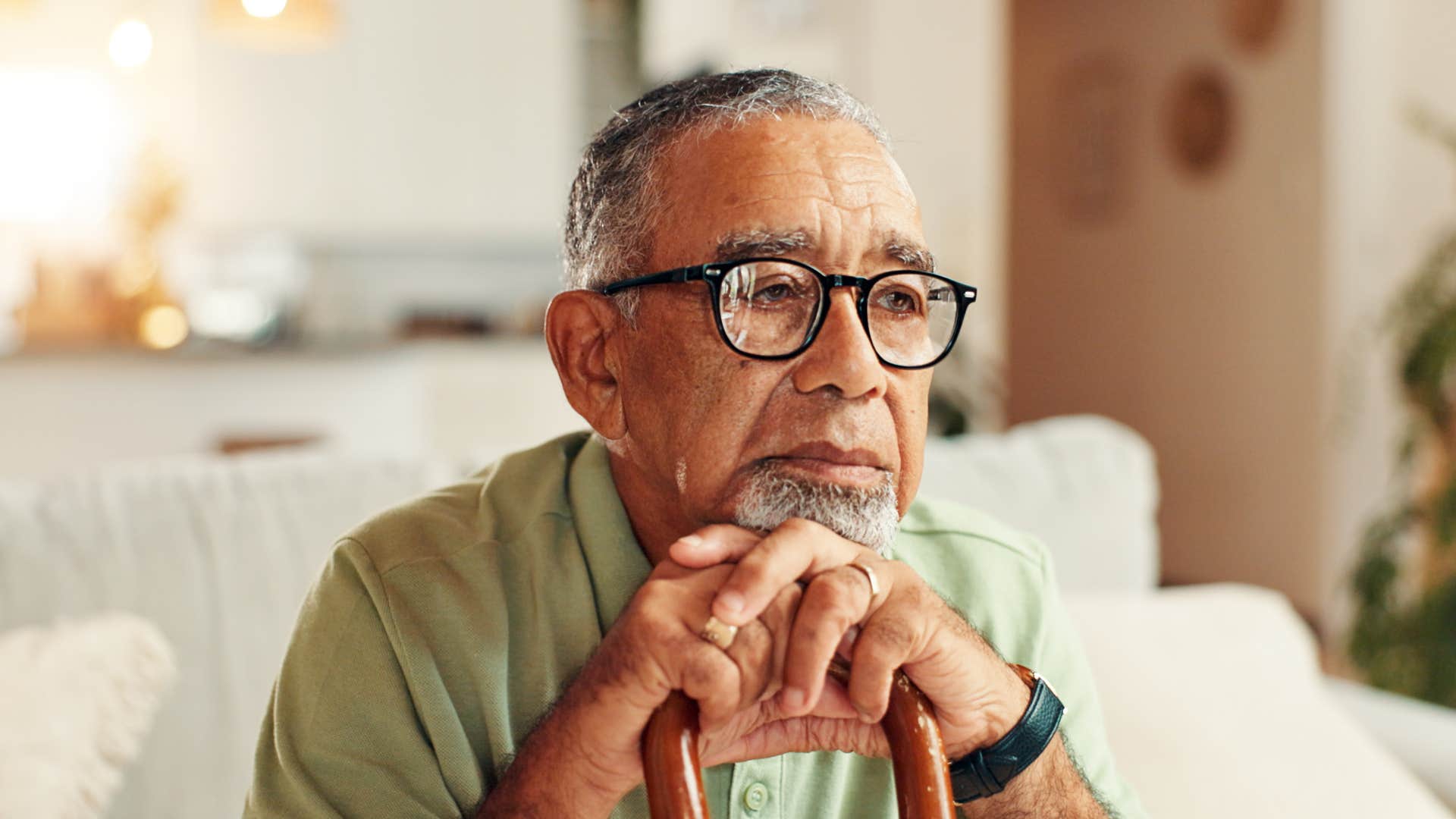
The amount of time people spend with connections plays into general well-being, according to a study from the Journal of Personality and Social Psychology, but the quality of that time matters most of all. That's why people with more meaningful connections and close, small friend groups are often happier than those who boast a million superficial ones.
People who are selective with their energy don't waste their social battery on events that don't add value to their lives. They don't cultivate stress around responding to people who don't support or show up for them. That's why they're not afraid to cancel plans or go "ghost" on their phones. They're selective, and that's not a bad thing.
10. It's easier behind a screen
 Reshetnikov_art | Shutterstock
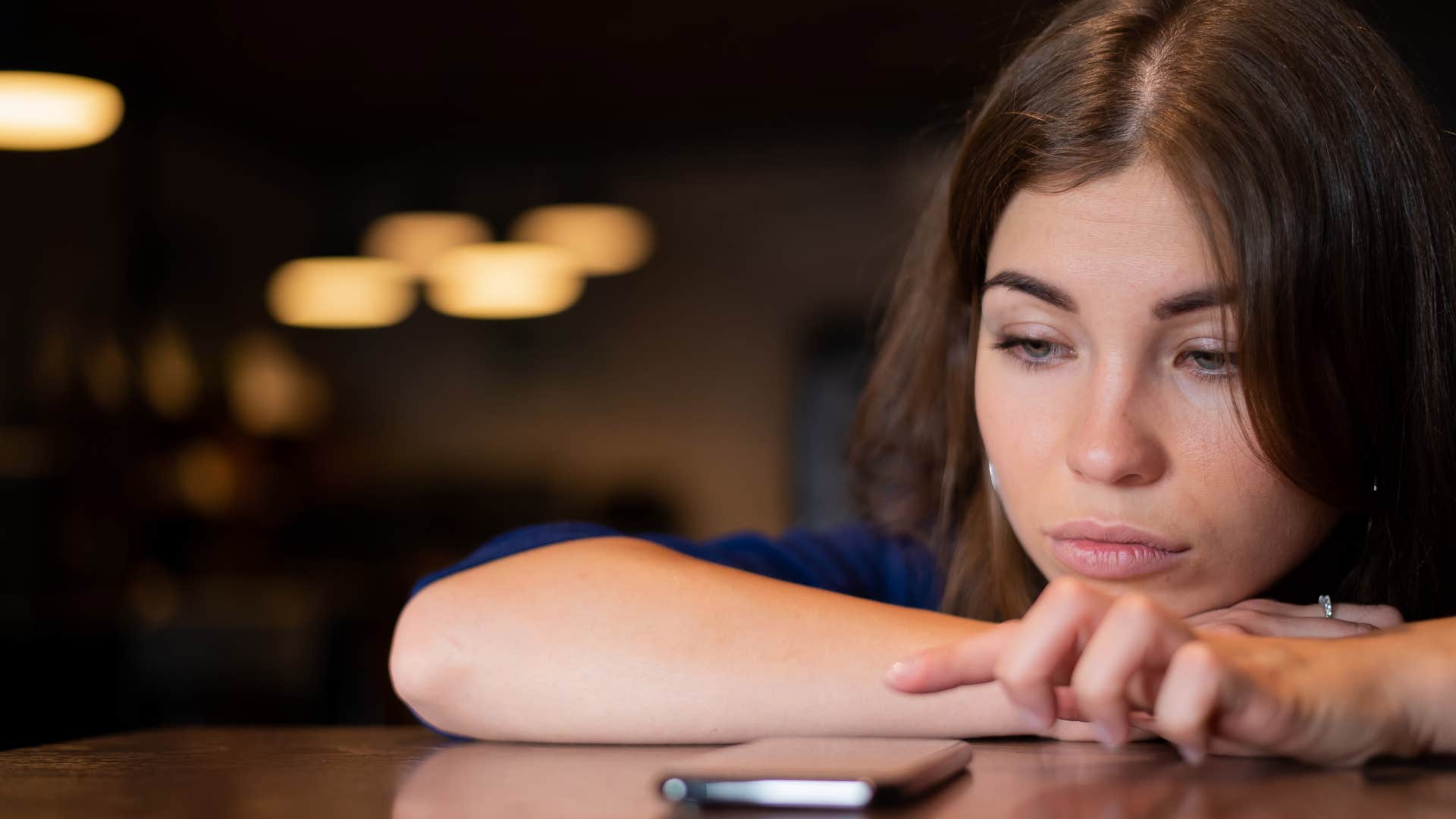
While the "cancellation culture" in our modern society is getting out of hand in many cases, with people not showing up for their loved ones and putting their own convenience first, the truth is that it's been made easy. With a text message or a phone call, people can cancel plans and ignore texts without necessarily having to take accountability face-to-face.
So, if someone's struggling with social anxiety or exhaustion, they cancel more plans because it's easier. They can do it right from the comfort of their homes and phones.
11. They're hiding something
 New Africa | Shutterstock
From keeping a secret from a friend to trying to conceal their mental health struggles, people who are actively avoiding a conversation or the truth may find it easier to self-isolate themselves from in-person conversations and interactions.
Even if it's keeping a secret or holding a grudge, dishonesty takes a lot more effort than being truthful. So, to avoid the effort it takes to hide something or avoid a certain topic in person, canceling plans or ignoring a text message might be a person's "easy way" out.
Zayda Slabbekoorn is a senior editorial strategist with a bachelor's degree in social relations & policy and gender studies who focuses on psychology, relationships, self-help, and human interest stories.
