
People Who Refuse To Allow Pets In Their Bed Often Share These 11 Distinct Personality Traits
 Pixel-Shot / Shutterstock
 For many pet owners, sharing the bed with a dog or cat feels cozy and comforting. For others, however, the bed is one space in the house that remains strictly off-limits to animals. While this rule may seem like a small household preference, it often reflects deeper habits related to boundaries, routines, and how people approach personal space.
People who keep pets out of their beds are rarely doing so because they don’t love their animals. In most cases, the decision reflects how they prioritize structure, sleep quality, and personal comfort. Over time, the same mindset that leads them to maintain this boundary tends to show up in other areas of life as well.
People who refuse to allow pets in their bed often share these 11 distinct personality traits
1. They value clear boundaries in their environment
 AYO Production / Shutterstock
People who refuse to allow pets in their bed often have a strong sense of personal boundaries. Individuals who maintain clear physical limits tend to carry the same approach into other aspects of life.
For them, the bed represents a private space meant specifically for rest and relaxation. Allowing a pet into that space can feel like blurring an important line. This doesn’t mean they are less affectionate toward their animals. Instead, they simply prefer keeping certain areas of their lives separate.
2. They prioritize uninterrupted sleep
 New Africa / Shutterstock
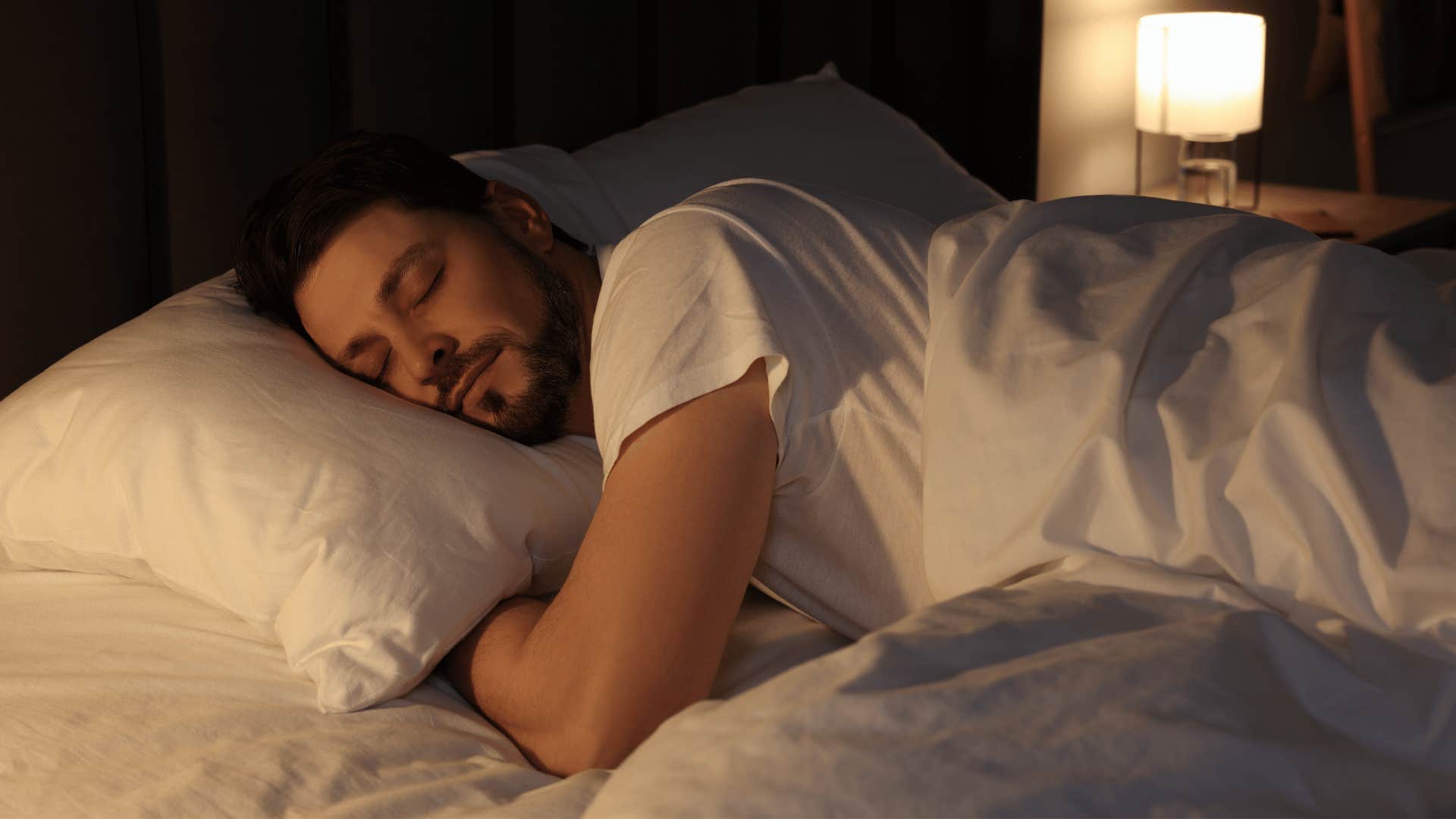
Sleep quality plays a major role in many people’s decision to keep pets off the bed. Studies on sleep hygiene suggest that even small disturbances, such as movement, noise, or temperature changes, can affect how deeply someone sleeps.
Dogs and cats tend to move around, stretch, or change positions throughout the night. For people who value consistent rest, these disruptions can become frustrating. Maintaining a pet-free bed helps them create a calm and predictable sleep environment.
3. They prefer structure and routine
 PeopleImages / Shutterstock
People who maintain strict sleeping arrangements often appreciate structured daily habits. Routines help individuals maintain stability and reduce stress.
Bedtime may follow a specific sequence that prepares them for rest. Introducing a pet into that routine can disrupt the predictability they rely on. Keeping clear rules around sleeping arrangements helps preserve the routine that works best for them.
4. They tend to be mindful about cleanliness
 Ground Picture / Shutterstock
Cleanliness is another factor that influences this choice. Pets naturally track dirt, fur, and outdoor allergens into the home. Many individuals prefer to keep sleeping areas as clean as possible.
These people often avoid wearing outdoor clothes on the bed and wash bedding regularly. Maintaining a pet-free sleeping space fits into their broader attention to cleanliness. It reflects a desire to keep the bedroom environment fresh and comfortable.
5. They separate affection from sleeping arrangements
 PeopleImages / Shutterstock
People who keep pets off the bed are not necessarily less affectionate toward their animals. Instead, they express care in other ways such as playtime, walks, or cuddling during the day.
Affection can be expressed through many forms of interaction. For these individuals, love and boundaries comfortably coexist. The pet still receives plenty of attention, just not in the bed itself.
6. They appreciate personal space while resting
 My Ocean Production / Shutterstock
Some people simply prefer having room to move freely during sleep. Individuals vary widely in their comfort with physical proximity during rest.
Sharing a bed with a pet can feel crowded or restrictive, especially if the animal spreads out across the mattress. Maintaining personal space allows them to relax fully. This preference often reflects how they manage comfort in other areas of life as well.
7. They often approach decisions practically
 insta_photos / Shutterstock
People who enforce this boundary often think about the practical side of daily routines. Practical thinkers frequently evaluate habits in terms of convenience and efficiency.
They may consider factors like shedding, nighttime movement, or long-term habits. Once they decide that a rule improves their routine, they tend to stick with it. Their decision is usually based on practicality rather than emotion.
8. They are consistent about household rules
 PeopleImages / Shutterstock
Consistency often defines people who keep pets out of their beds. Pets respond best to clear and predictable rules. People who maintain this boundary usually apply the same consistency throughout the household.
Individuals high in conscientiousness tend to enforce routines and expectations reliably. This consistency helps prevent confusion for both pets and family members.
9. They think about long-term habits
 Krakenimages.com / Shutterstock
Allowing a pet to sleep in the bed even occasionally can quickly turn into a permanent habit. People who maintain strict boundaries often think about how small decisions can shape long-term routines.
Individuals who consider future consequences tend to establish rules early. By keeping pets out of the bed from the start, they avoid having to change the habit later. This forward-thinking mindset reflects careful planning.
10. They create comfortable spaces for their pets elsewhere
 PeopleImages / Shutterstock
Many people who keep pets off the bed still ensure their animals have cozy sleeping areas nearby. Animals adjust well to designated spaces when those spaces feel secure and comfortable.
Owners may provide plush beds, blankets, or a spot close to the bedroom. This arrangement allows pets to feel included without sharing the bed itself. The goal is balance between comfort and boundaries.
11. They are comfortable enforcing boundaries without guilt
 Halfpoint / Shutterstock
Perhaps the most defining trait of people who refuse pets in their bed is their confidence in maintaining personal limits. Individuals who communicate boundaries clearly often experience less internal conflict about their choices.
They understand that caring for a pet does not require abandoning personal preferences. Instead, they maintain a balance between affection and structure.
Sloane Bradshaw is a writer and essayist who frequently contributes to YourTango.
