
People Who Are Socially Awkward In Public Usually Have These 11 Beautifully Rare Personality Traits One-On-One
 Asier Romero | Shutterstock
 People who struggle with awkwardness and embarrassment in their lives usually live in a constant state of “fight or flight.” On top of the social pain of being misunderstood and excluded, they struggle to practice authenticity when others are around. However, these people may find a break from this turmoil and cultivate belonging in small groups when they have a chance to connect with someone without distractions.
A study from Health Communication argues that this kind of social awkwardness and chronic embarrassment can often lead to physical and mental health consequences when left unacknowledged. While all of these complex emotions and feelings can feel impossible and difficult to manage, people who are socially awkward in public usually have these beautifully rare personality traits one-on-one.
People who are socially awkward in public usually have these 11 beautifully rare personality traits one-on-one
1. They’re introverted
 AYO Production | Shutterstock
Many introverts struggle in busy, social groups because their social batteries quickly drain when they’re around small talk and superficial interactions. However, when they’re in one-on-one interactions, in more intimate settings, they thrive.
With the preparation time to embrace these interactions and the comfort of more meaningful discourse, their introversion becomes a superpower. It’s just one of the rare traits that these people share with others without the distractions of superficiality and busyness.
While their social awkwardness might feel impossible to manage in the moment, amid the chaos it also points them in the direction of more beautiful, intentional interactions.
2. They don’t interrupt people
 we.bond.creations | Shutterstock
Many people with social anxiety have the admirable superpower of quietness. Whether they’re in their heads, regulating their complex emotions, or actively listening to the people around them, they bring an aura of intentionality to social interactions that many people are consistently missing in their lives.
While others fill awkward silences and talk over others in the pursuit of attention and misleading comfort, these quiet, intentional people avoid interrupting. They listen with the intention of understanding and make people feel seen and heard in ways that bond them closer together.
3. They think before they speak
 DGLimages | Shutterstock
While most people intend to listen actively in conversations, many rarely commit to truly listening to someone without making space for themselves. However, socially awkward people have gotten used to silence and regulating their emotions while everyone else speaks, so they’re more apt to listen to people who show them the kindness and belonging they’re yearning for.
They sit with their feelings, make space for hard conversations when they bring meaning, and think before they speak to ensure they’re being intentional with their words, tone, or body language.
4. They’re observant around others
 Krakenimages.com | Shutterstock
While other people seek to be the center of attention in group conversations and interrupt others in pursuit of a more favorable self-image that ends up being isolating, socially awkward people tend to be quieter and more observant. They may still be living up in their heads, but they’re also intentional about their movement and typically aware of the energy in the room.
Especially if they are worried about how they’re being perceived or constantly thinking about judgments, chances are they’re more attuned to the vibes of the people around them. While it can occasionally be misleading and prompt overthinking, this observant behavior is also essential for creativity and social awareness.
5. They remember names and details
 ZaitsevMaksym | Shutterstock
Remembering names makes people feel heard, much like details about someone’s life remind them that we’re intentionally listening to them. People who are socially awkward and tend to be more active listeners and observers in conversations, soak up this information and return to it regularly to compensate for their fears of disconnection.
It might seem like a harmless, insignificant part of conversations and interactions, but people who are socially awkward usually have this beautifully rare personality trait.
6. They’re less judgmental than others
 PeopleImages | Shutterstock
When we perceive others to be more judgmental of us, we create more unnecessary stress in our lives, as a study from Biological Psychology explains. However, even when we’re the ones judging others, it’s usually just as harmful, causing us to avoid the projection and insecurity motivating our negativity toward others.
Socially awkward people may be thinking about how they’re perceived by others, but they’re rarely judgmental. They know how it feels to worry about perception, and sometimes even overcompensate with kindness toward people who don’t deserve it to feign belonging.
7. They’re incredibly focused
 fizkes | Shutterstock
According to a study from the University of Oxford, socially awkward people are often incredibly focused. They have a tendency to desire deep thinking, usually from an appreciation for solitude, and enjoy taking things apart and thinking about things on a more analytical scale than the average person.
Compared to people fighting for constant attention and playing performances in social interactions, these people focus on the topics, people, relationships, and time that make them feel comfortable and secure.
8. They don’t compete with people for attention
 JLco Julia Amaral | Shutterstock
Especially in today’s culture, social comparison and competition, especially for women, are constantly woven into interactions, relationships, and social situations. We want to feel secure and important, and for people who don’t cultivate self-worth on their own terms, it comes from being “better” than the people around them.
However, socially awkward people, who are often comfortable with the alone time that drives self-esteem and authenticity, are self-secure. Even if they struggle to find belonging and share that authenticity without limits in social settings, they don’t compete with people at their own expense.
9. They avoid gossip
 ViDI Studio | Shutterstock
Even though gossip tends to create misleading bonding opportunities for people who struggle to accept vulnerability, people who are socially awkward are usually too intentional and grounded to spread rumors and speak negatively about others. They understand how it feels to be judged and misunderstood, so they tend to offer grace that others miss when interacting with them.
They seek meaningful interactions, rather than clinging to the small talk and superficiality of these gossipy conversations and people.
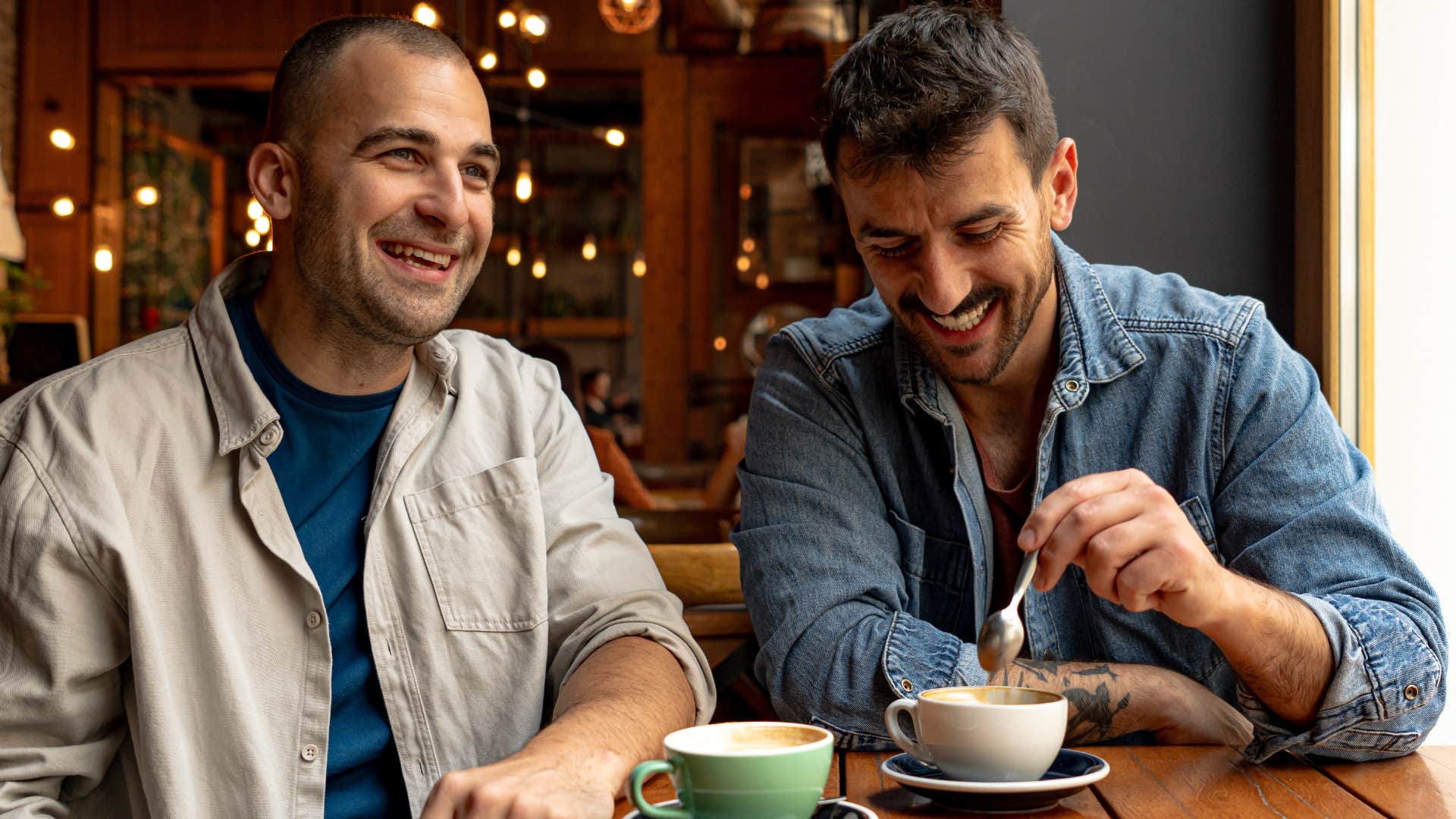
10. They care more about authenticity than popularity
 we.bond.creations | Shutterstock
According to psychology professor Howard. S. Friedman, charisma and authenticity are often inherently bound. The more charismatic a person is, the more authentic they likely are, unless they’re weaponizing and shifting their personality in some way to shift people’s perceptions of them.
People who are socially awkward are used to being excluded and normally struggle with small talk, so deeper connections and alone time that boosts authenticity are their norm.
11. They form deep bonds slowly
 BearFotos | Shutterstock
From small bids of trust to intentional language, people with socially awkward tendencies often have quirks and emotional walls that need time to unwind and release. Their meaningful relationships and bonds take time by nature, because they struggle to open up during initial interactions, first impressions, and small talks.
However, much like a Harvard study suggests, these deep relationships and long-term connections are what cultivate pillars of joy in our lives. Without them, we’d be yearning for belonging and trying desperately to connect in the wrong spaces and places.
Zayda Slabbekoorn is a senior editorial strategist with a bachelor’s degree in social relations & policy and gender studies who focuses on psychology, relationships, self-help, and human interest stories.
