
11 Things Teens Used To Do On Weekends That Feel Unreal Now
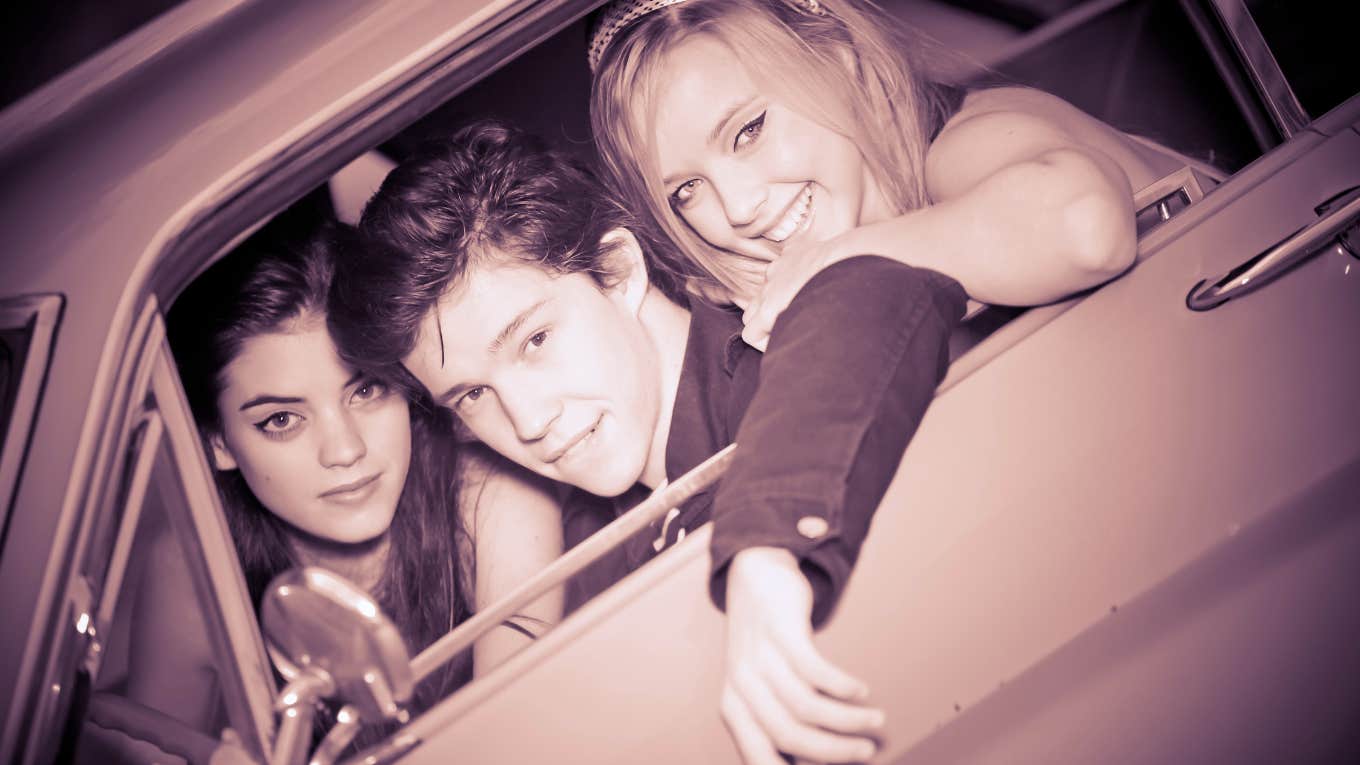 MANDY GODBEHEAR / Shutterstock
 Weekends used to unfold differently. There were fewer pings, fewer group chats coordinating every move, and far fewer digital breadcrumbs documenting what happened. Plans weren’t optimized. They were improvised. And once you left the house, you were mostly unreachable.
Unstructured social time plays a huge role in identity formation and confidence, and teen life before smartphones and constant connectivity created a kind of freedom that feels almost fictional now. Those weekends weren’t curated for photos. They were lived in real time. Looking back, some of what teens casually did then feels almost impossible to recreate today.
These are 11 things teens used to do on weekends that feel unreal now
1. Show up at someone’s house unannounced
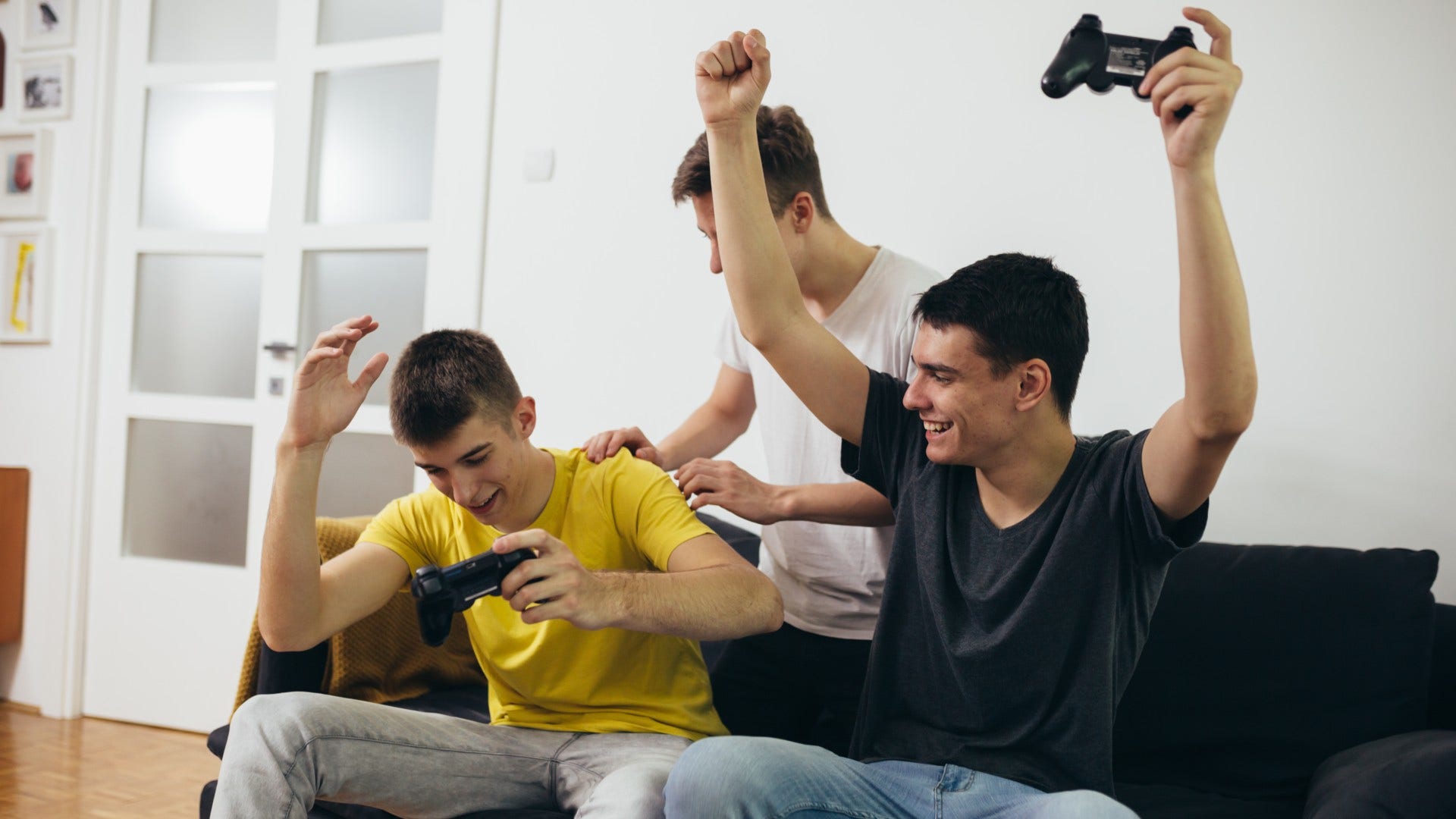 Dejan Dundjerski / Shutterstock
There was no text warning. You rode your bike, drove over, or walked up and knocked. If they were home, you hung out. If they weren’t, you left. It was simple and surprisingly normal.
Social spontaneity was expected, not intrusive. Repeated in-person social risk builds confidence. You learned to handle awkward moments naturally. Now, unannounced visits feel almost aggressive. Back then, they were just part of life.
2. Leave the house for hours without a way to be reached
 Inside Creative House / Shutterstock
Once you were out, you were out. Parents might have had a general idea of where you were, but constant tracking didn’t exist. That freedom created both risk and independence.
Developmental research links autonomy during adolescence to stronger decision-making skills later in life. Teens navigated social situations without backup. They solved problems in real time. The absence of instant contact built resilience. Now, constant connectivity has replaced that quiet independence.
3. Spend entire afternoons at the mall
 Nomad_Soul / Shutterstock
The mall wasn’t just for shopping. It was the social headquarters. Teens walked laps, people-watched, sampled perfume, and sat in food courts for hours. It was unstructured but deeply social.
Research on third spaces, meaning informal public gathering spots, shows their importance in community building. The mall served that role perfectly. No agenda was required. Being there was enough. Today, many malls sit quiet, replaced by online browsing.
4. Memorize phone numbers
 AlexandrMusuc / Shutterstock
You knew your best friend’s number by heart. Sometimes you knew their parents’ numbers too. Memory wasn’t outsourced to a device. Reliance on external storage changes recall habits.
Back then, repetition built mental retention naturally. Dialing meant physically pressing numbers. Mistakes meant starting over. That small friction created familiarity. Now, most numbers disappear into contact lists.
5. Wait by the house phone
 Quality Stock Arts / Shutterstock
If someone said they’d call, you stayed near the landline. Missing a call meant waiting longer. There was no texting to confirm plans instantly. Anticipation stretched out.
Waiting can heighten emotional investment. Conversations felt deliberate. When the phone rang, it mattered. That ritual feels foreign now.
6. Make plans without documenting them
 Sandu Herta / Shutterstock
Photos were limited. Cameras required film. You couldn’t take 400 pictures and delete 399. Moments weren’t curated. Heavy documentation can shift focus from experience to performance.
Weekends used to unfold without the pressure of evidence. Stories were told verbally later. Memory, not a timeline, carried them. That kind of presence feels rare now.
7. Get lost while driving and figure it out
 BalanceFormCreative / Shutterstock
No GPS recalculating every wrong turn. If you missed an exit, you pulled over and asked for directions or unfolded a map. Spatial awareness developed differently. Active wayfinding strengthens cognitive mapping.
Getting lost was inconvenient but manageable. It built patience. Now, wrong turns are corrected instantly. The struggle rarely lasts long enough to build tolerance.
8. Cruise around with no real destination
 Sean Locke Photography / Shutterstock
Sometimes the entire plan was simply to drive. Gas was cheaper, curfews felt flexible, and the goal was simply movement. You piled into someone’s car, rolled the windows down, turned the music up, and just went. Unstructured peer time strengthens identity formation during adolescence.
Those aimless drives weren’t actually aimless. They were social laboratories. Conversations drifted into confessions, debates, dreams, and absurd jokes that only made sense in that moment. There was no GPS itinerary or algorithm suggesting the next stop. The road itself was the activity. That kind of open-ended wandering feels almost cinematic now.
9. Hang out doing absolutely nothing
 Prostock-studio / Shutterstock
Sometimes weekends meant sitting in someone’s basement listening to music or lying on the floor staring at the ceiling. No one felt pressured to be productive. Research on boredom suggests it supports creativity and reflection.
Unstructured time allowed conversation to wander. Silence wasn’t uncomfortable. Presence alone felt sufficient. Today, constant stimulation makes that kind of stillness rare.
10. Argue face-to-face and resolve it quickly
 Studio Romantic / Shutterstock
Conflicts happened in person. There were no screenshots or multi-day text threads dissecting tone. You saw facial expressions. You heard voice shifts.
In-person conflict resolution reduces misinterpretation. Arguments often ended faster because nuance was visible. Repair felt immediate. Now, digital misunderstandings can stretch endlessly.
11. Feel invisible in the best way
 DavideAngelini / Shutterstock
Without constant social media visibility, you could disappear for a weekend, and no one would document your absence. Popularity wasn’t quantified publicly. Research on social comparison suggests that fewer visible metrics reduce anxiety.
Teens still compared themselves, but not with live updates. There was space to experiment without a permanent record. That anonymity created breathing room. Today, digital permanence has reshaped that experience entirely.
Sloane Bradshaw is a writer and essayist who frequently contributes to YourTango.
