
10 Things Your Dog Is Trying To Tell You With His Body Language That Normal People Usually Get Wrong
 Lopolo | Shutterstock
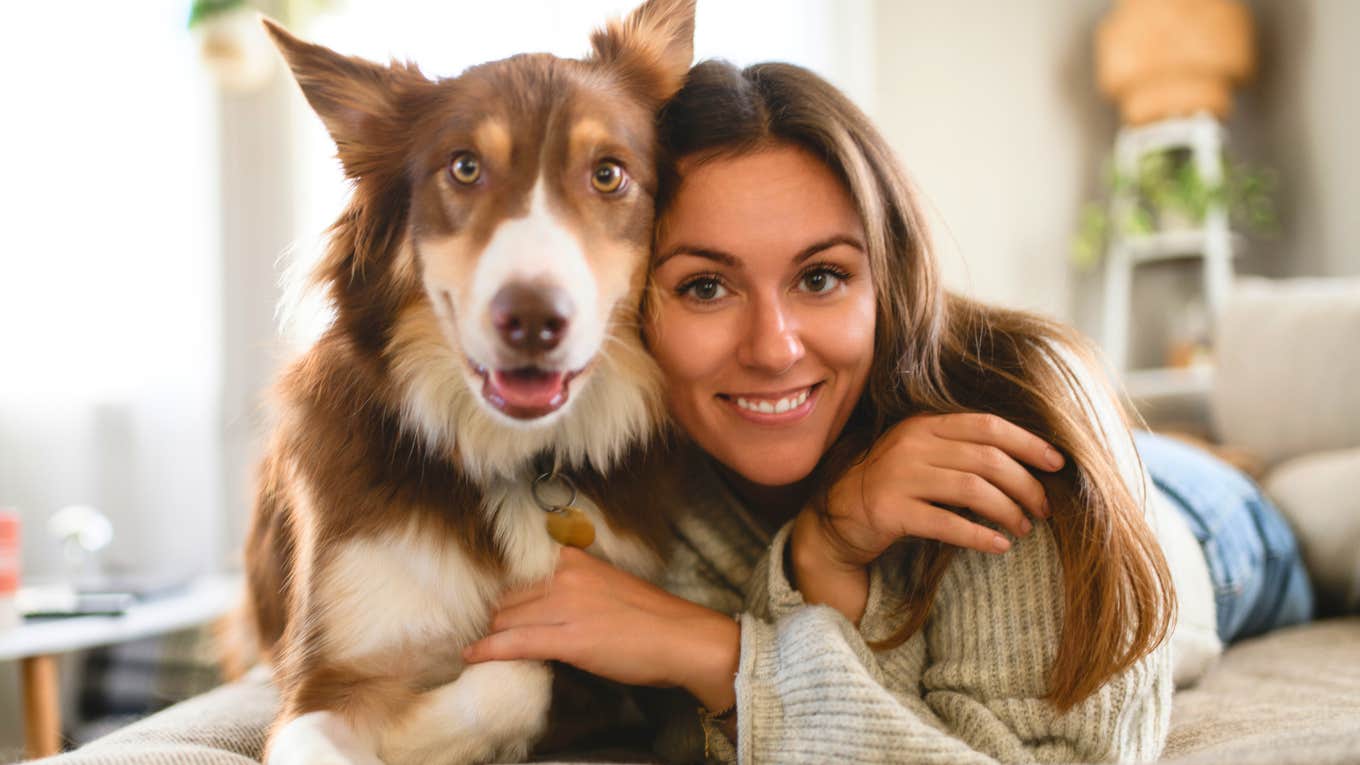
 While many dog owners have built their own methods of communication and trust with each other that don’t always align with the research, there are certain things your dog is trying to tell you with his body language that normal people usually get wrong. If this is you, don’t worry. You’re not alone. It doesn’t make you a bad pet owner.
According to a 2025 study, the majority of dog owners tend to misperceive their dog’s body language because they’re watching through the lens of their own context, emotions, and experiences. Feeling with intentionality and empathizing with your dog doesn’t make you a bad person, but being wary of some of these behaviors can help you communicate much more effectively.
Here are 10 things your dog is trying to tell you with his body language that normal people usually get wrong
1. They’re setting a boundary by lying on their back
 OMfotovideocontent | Shutterstock
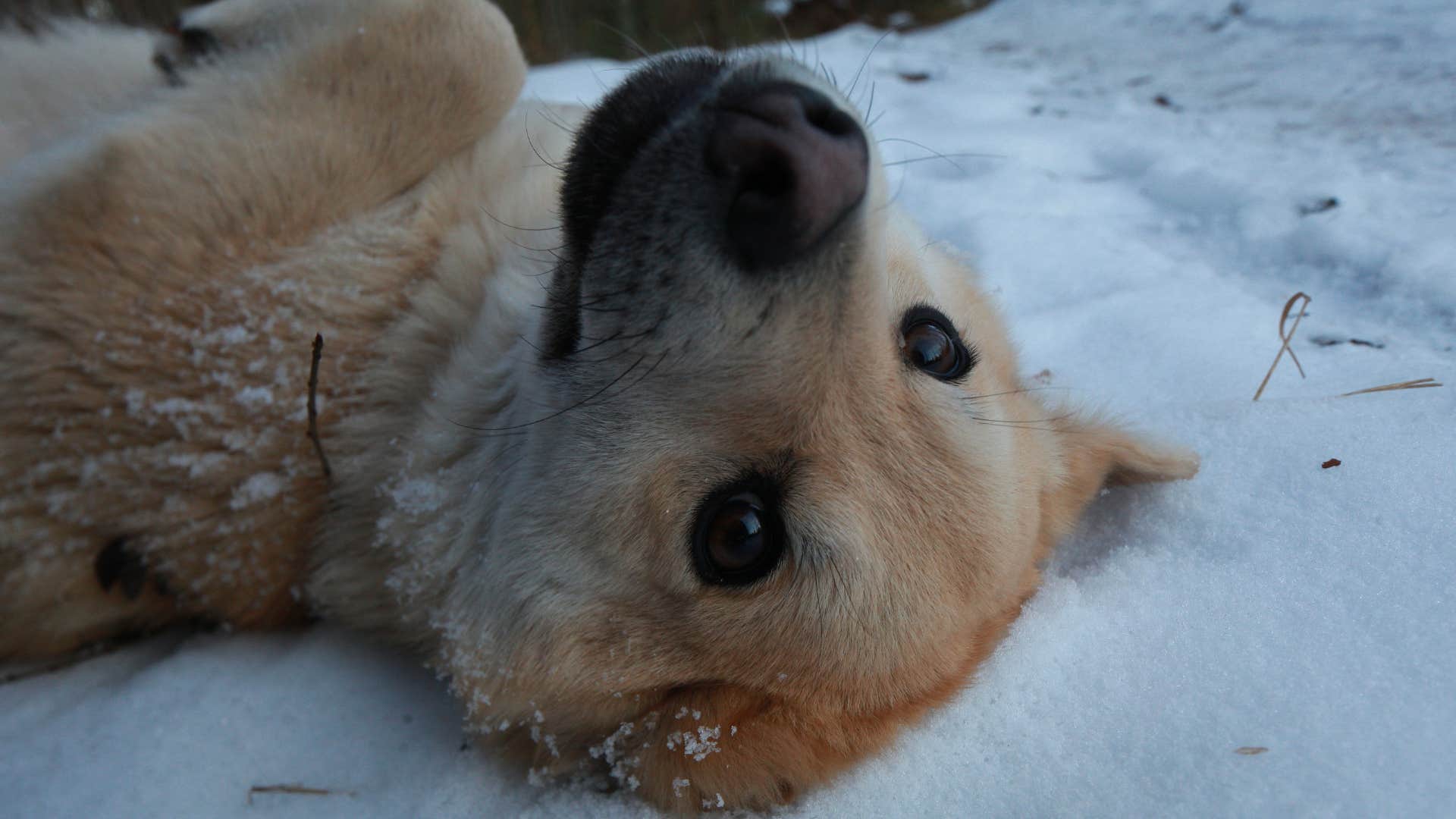
While rolling on their backs is sometimes a sign of trust, submission, and playfulness in dogs, it’s also possible that they’re exhibiting stress and trying to set a boundary.
According to a study from Arizona State University, pet owners often project their own moods onto their dogs, which makes it difficult for them to perceive their dog’s body language in effective ways. For example, if they’re feeling lovey and excited to see their dog, they may misperceive their dog on their back as a way of asking for attention, rather than a boundary.
However, that doesn’t mean that these pet owners are disrespecting their dogs or making them do something they don’t want to do. If they were really harming their dog or making them uncomfortable, they would be able to read those cues. They’ve built a strong bond with trust, and both of them likely feel that secure foundation in all daily interactions.
2. They’re ‘stress’ yawning
 hazee.ari | Shutterstock
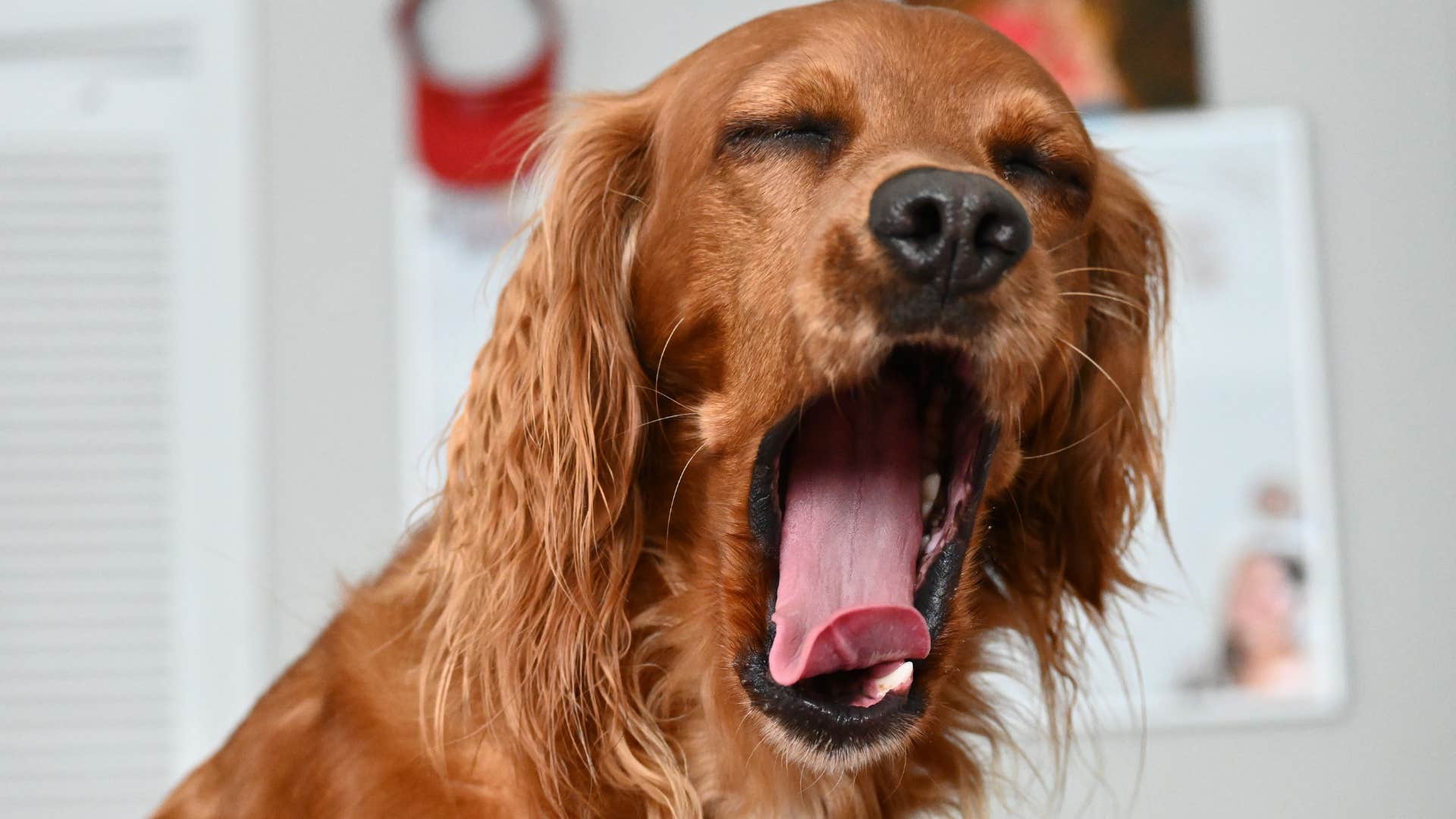
When a dog is overwhelmed or overly stimulated, they may not yawn because they’re tired, but because they’re stressed. Of course, context clues are important. If it’s past your dog’s normal bedtime or they’re relatively relaxed in their bodies, a yawn might clue you in on their normal exhaustion.
However, yawning in dogs can also be tied to stress and anxiety if they’re clearly in distress, overly excited, or overwhelmed by a million things going on in their environment. Of course, much like humans, a dog's yawns can also be contagious with their owners, offering a sense of connection and trust that’s vital to their relationship.
3. Their ‘whale eyes’ indicate anxiety
 Mary Swift | Shutterstock
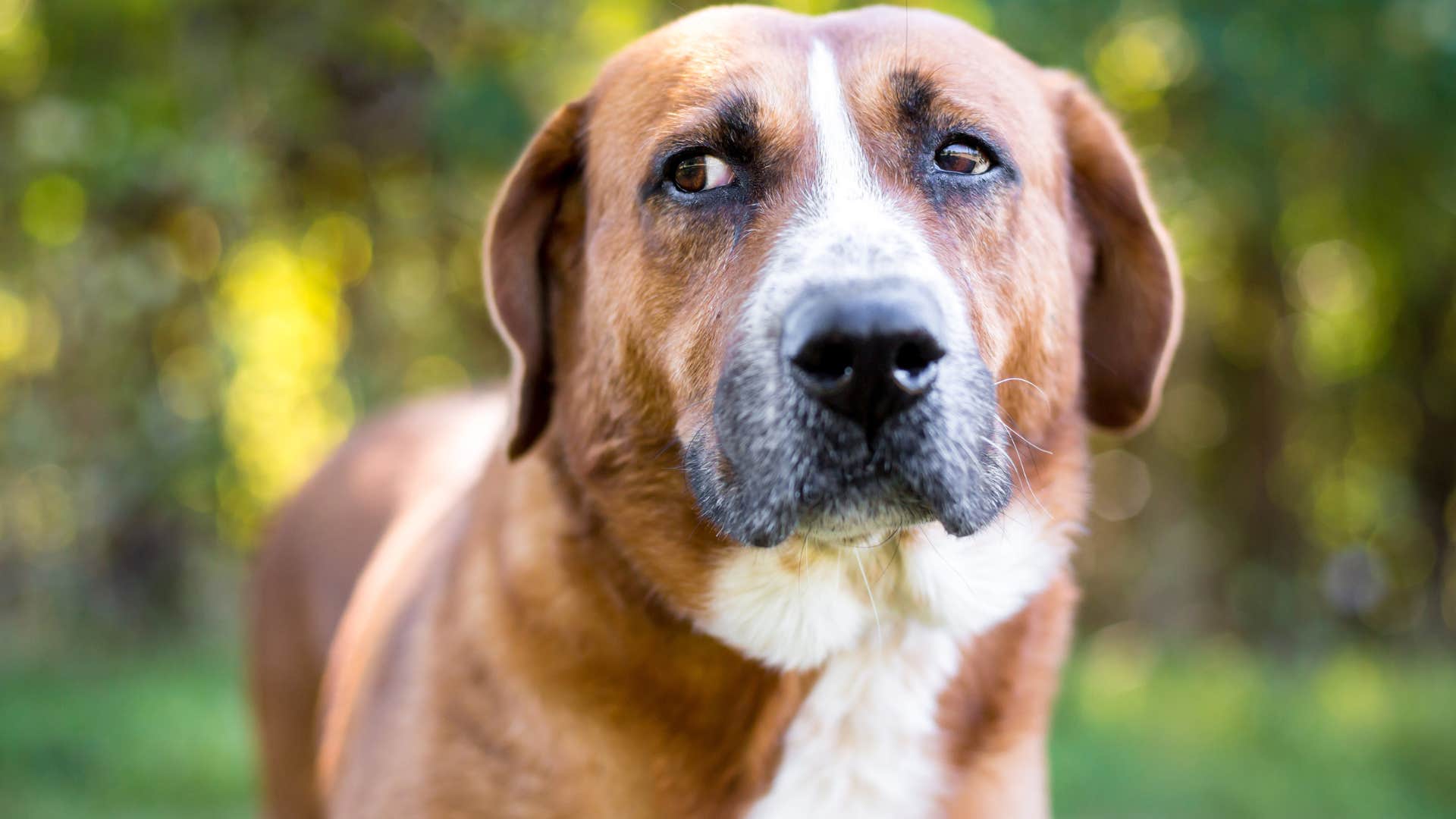
While they might be cute and come across as harmless to owners who are distracted by other things, if a dog is showing the whites of their eyes, largely coined “whale eyes” by experts, they might be anxious or stressed.
Of course, according to a study from the journal Animals, owners tend to know their dog’s behaviors better than anyone. If they’ve been socialized to make eye contact with their owners to get treats or attention, chances are they might fall into these behaviors in misleading ways. However, with context clues, like signs of restlessness or tension in their bodies, these “whale eyes” could be a sign of distress.
4. Their stillness is a warning sign
 Valentina131313 | Shutterstock
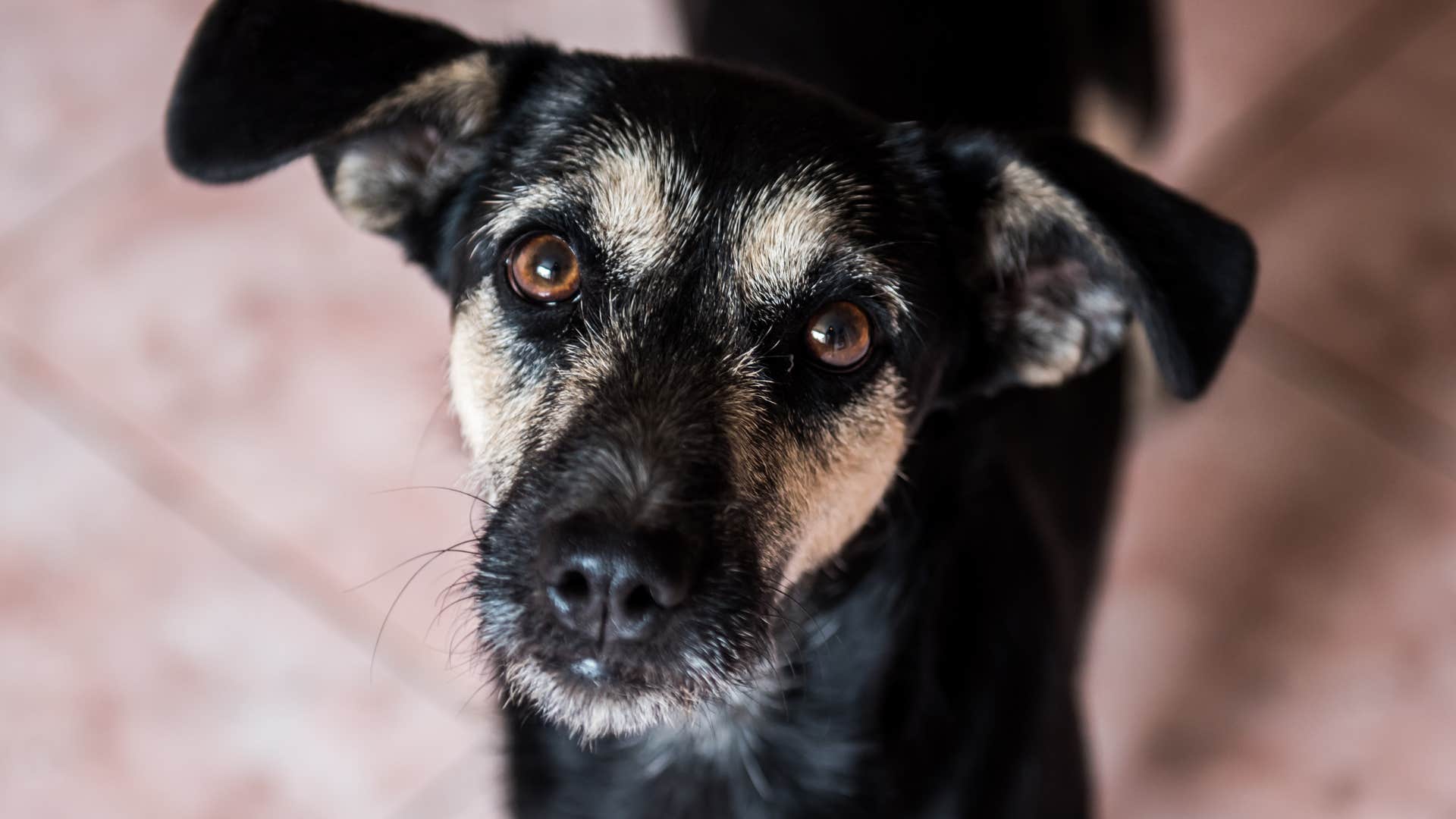
When your dog feels the need to be perfectly still, they’re often feeling a sense of unease. Whether it’s anxiety around a cat in the home or anxiety that encourages them to listen intently to their environment, being still isn’t always a funny habit, but a warning sign.
Even if the average person tends to overlook or justify this behavior, it’s your dog trying to tell you something with his body language. While it might not be unsafe for their well-being or a sign of something incredibly harmful, it’s important to notice these subtle behaviors for when they do indicate something more serious.
5. Their wagging tail doesn’t always equate to happiness
 Aaron Pletta | Shutterstock
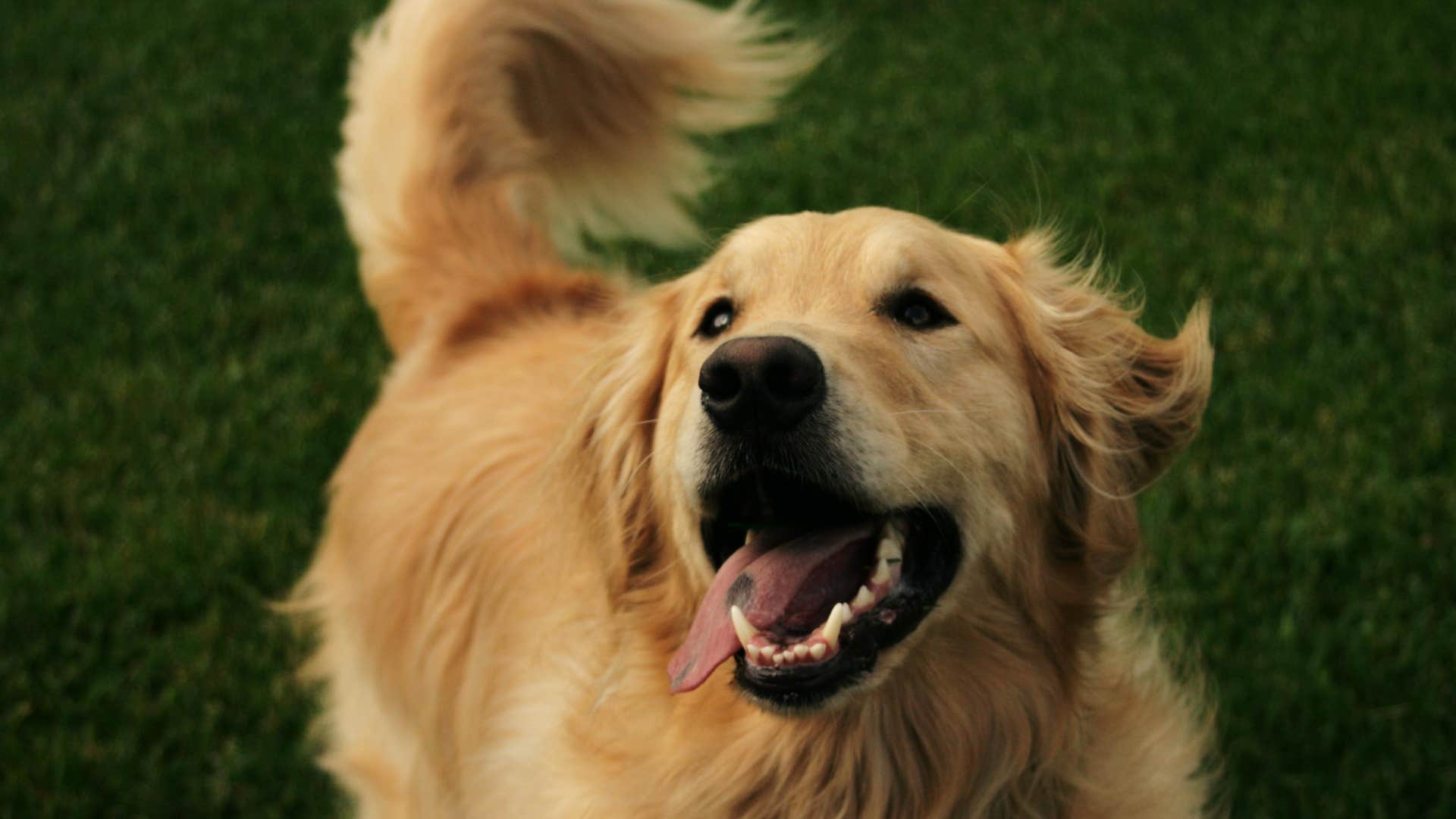
Depending on the angle of a dog’s tail, their general body language, and the speed at which they’re wagging, a dog’s tail can tell a different story. Sometimes, it’s simply a sign of excitement and happiness, but if it’s wagging low and slow, it can sometimes be a sign of anxiety and aggression.
If you’re the owner of a “reactive” dog or overexcitable animal, there’s a chance you’re already clued into this behavior, but it’s something that normal, average people tend to get wrong.
6. They growl to set boundaries
 Kellymmiller73 | Shutterstock
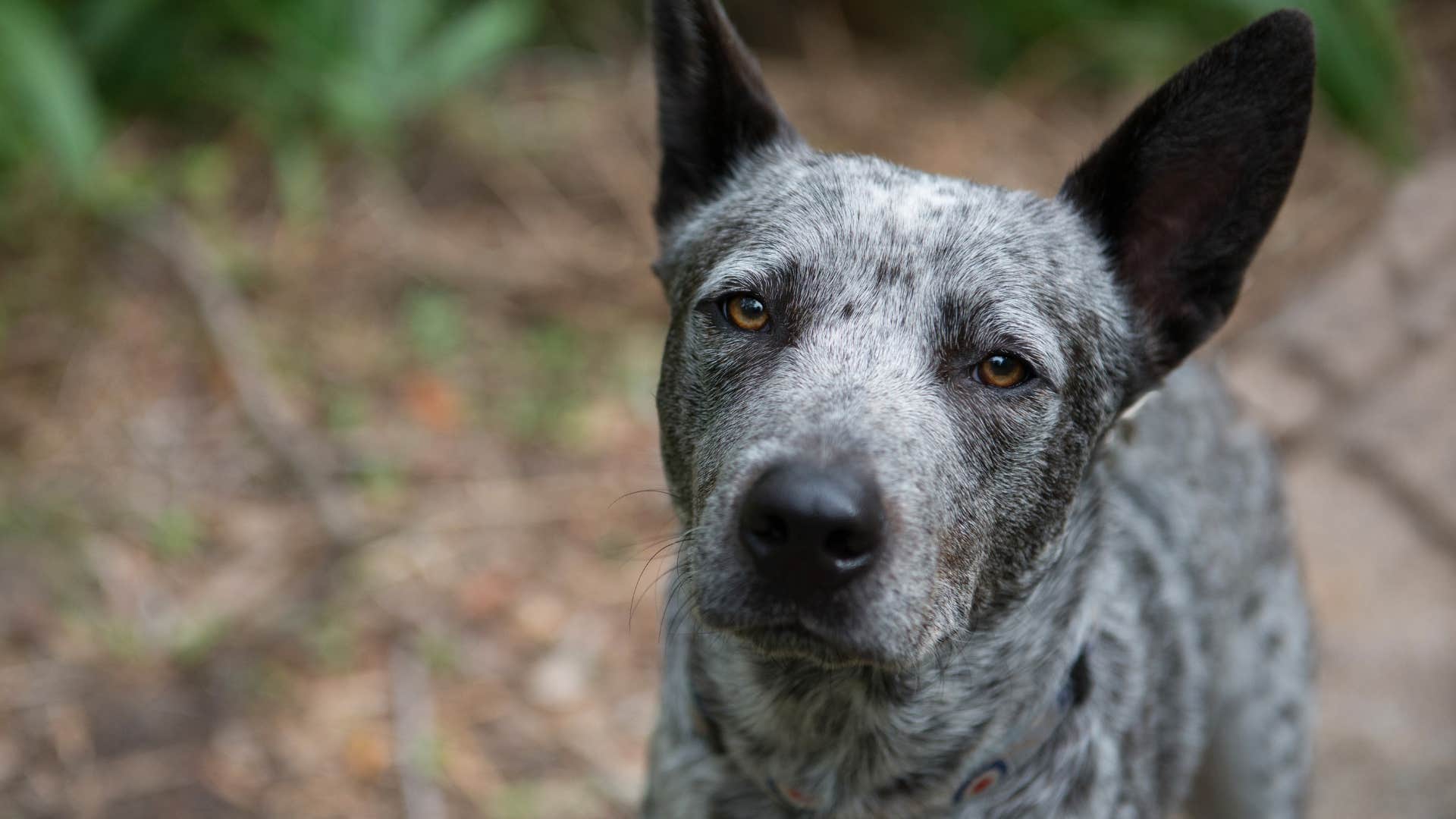
While growling can often be a sign of aggression in dogs, it’s also possible that it’s simply an avenue of setting boundaries or physically releasing their excitement. Chances are you’ve been around a dog that’s a “barker” or growls playfully. They’re playing and communicating.
While it might not always be easy for the average person to decipher this natural part of canine communication, the more attention you pay to the context of their behaviors and entire body, the easier it is for owners to act effectively with their dog's interests in mind.
7. They turn away to diffuse tension
 sophiecat | Shutterstock
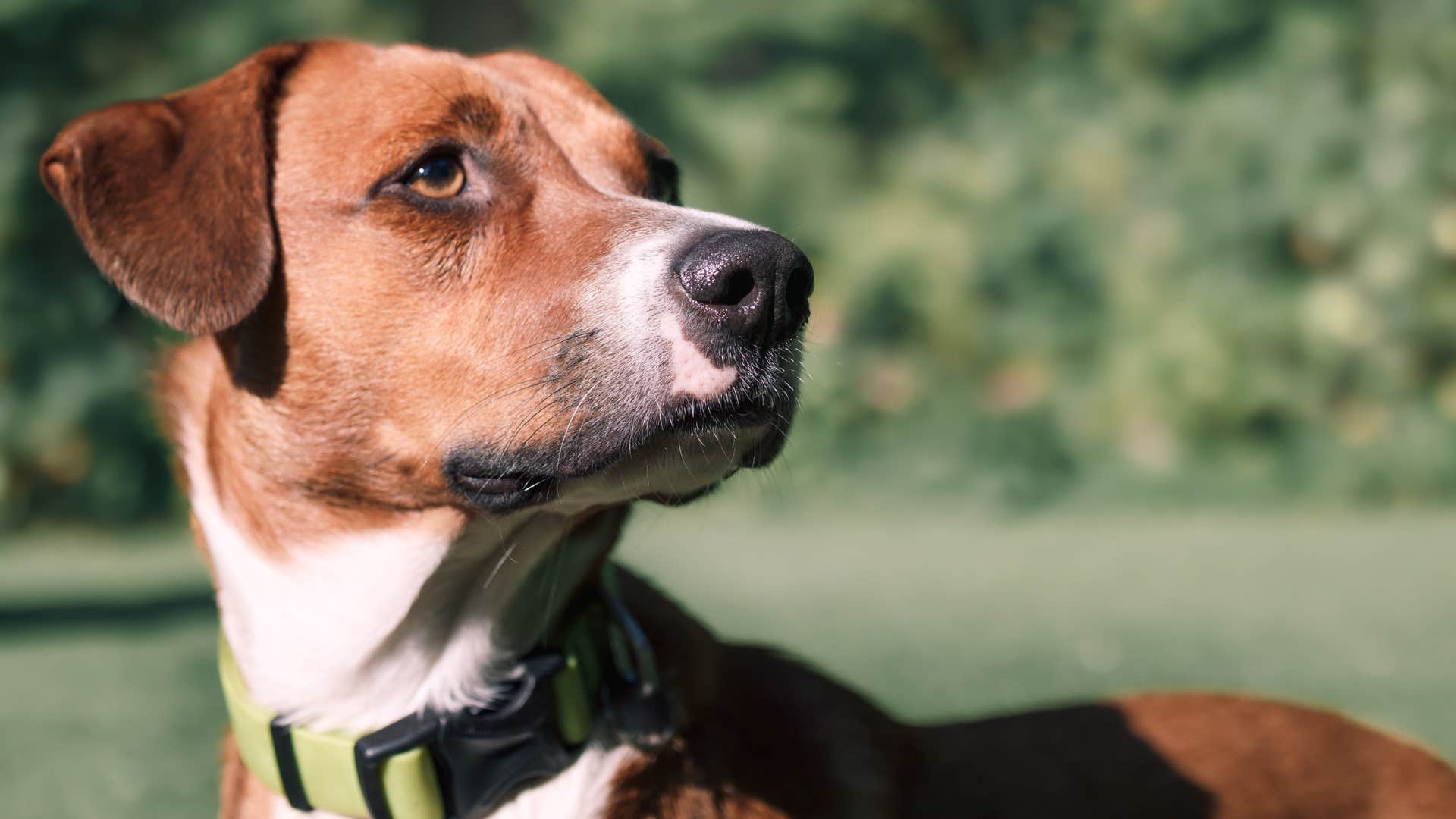
Much like humans resort to avoidance when they’re uncomfortable, if your dog turns away when you’re talking to them or avoids eye contact when they’re being disciplined with a tense tone, they’re trying to diffuse tension.
Even if it’s easy to overlook this communication as “guilt” or “blame,” it’s often a dog’s way of reminding their owner that they’re uneasy, stressed, or uncomfortable.
8. They pull their ears back when they’re afraid
 Phuttharak | Shutterstock
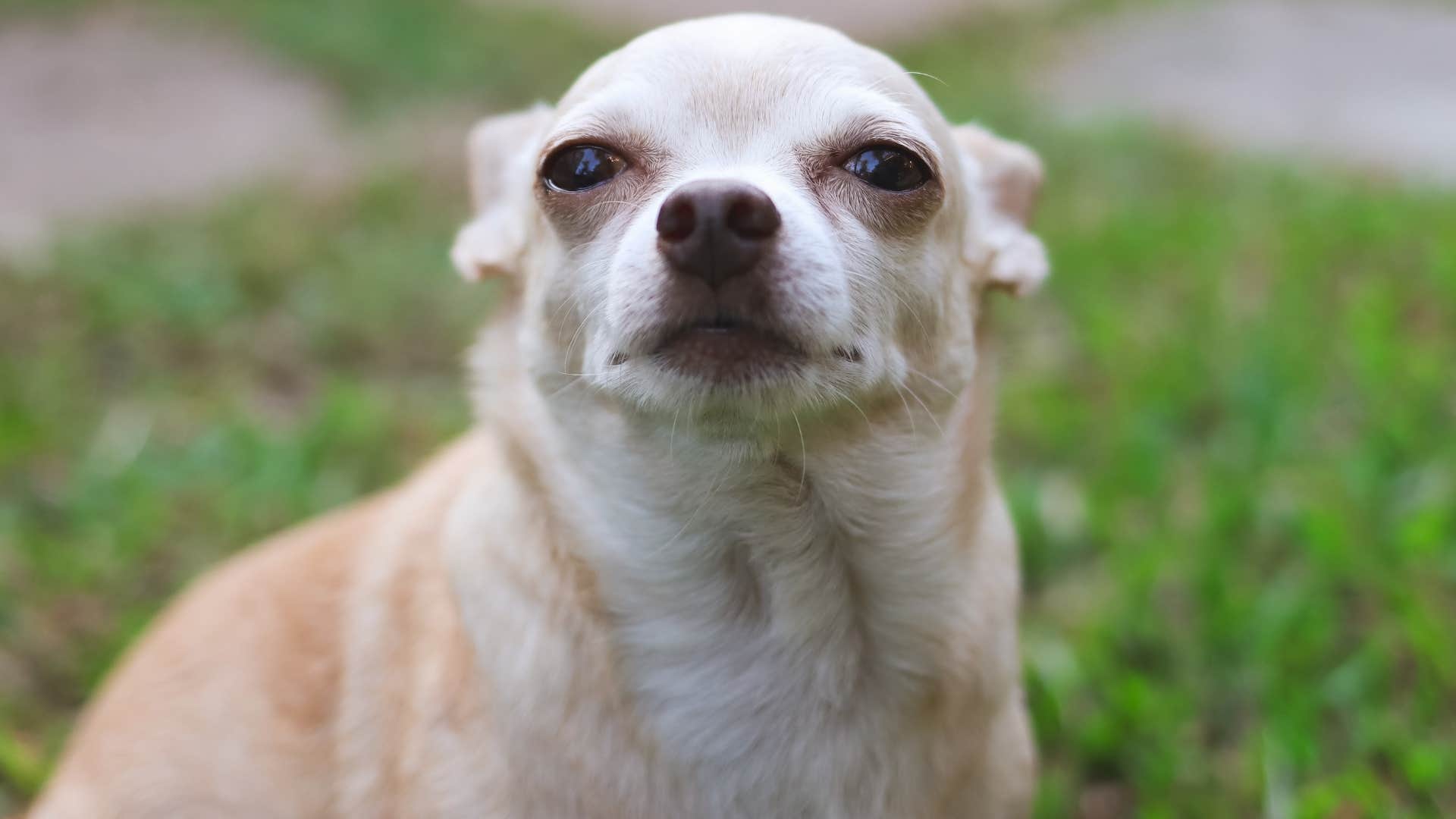
Much like the other body language that dogs use to communicate with their owners and the world, pulling their ears back can have a number of meanings, depending on the context of their bodies, mood, and environment.
Like panting, yawning frequently, or being overly vocal, dogs often pull their ears back when they’re afraid or feeling uncertain. They’re trying to get a better understanding of their situation and environment, even if it’s easily overlooked by owners as a “quirk.”
9. Their ‘zoomies’ sometimes mean they’re overstimulated
 Mary Swift | Shutterstock
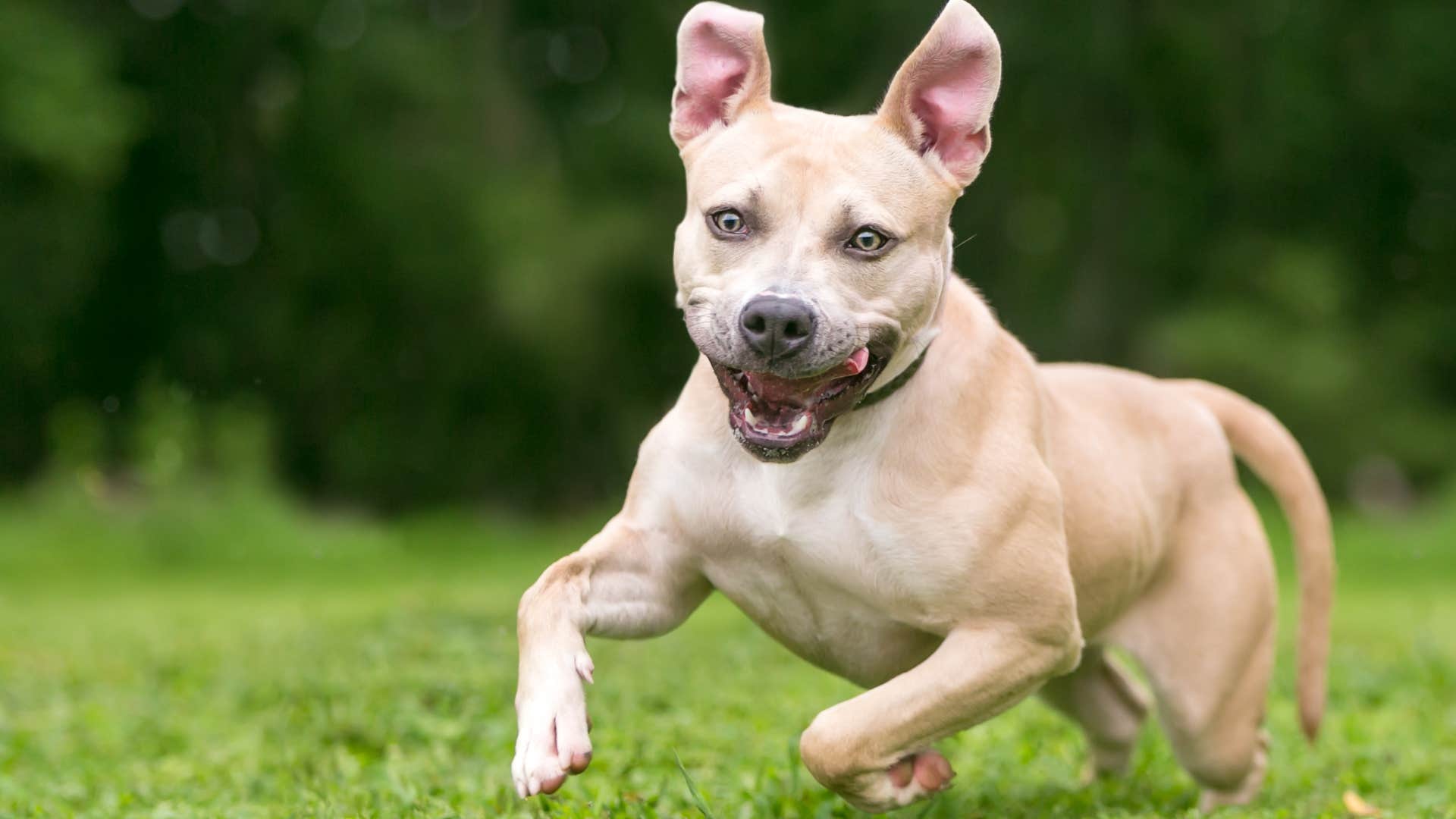
While “zoomies” and high bursts of energy can sometimes be a sign of excitement and happiness, they can also be a sign that your dog is overstimulated.
Especially if they’re not getting enough exercise during the day, as experts from the Cornell University College of Veterinary Medicine explain, these random spurts of energy can be an involuntary action to release all of their pent-up energy, stress, and emotion.
10. They often lift their paw when they’re uncertain
 Maria_Usp | Shutterstock
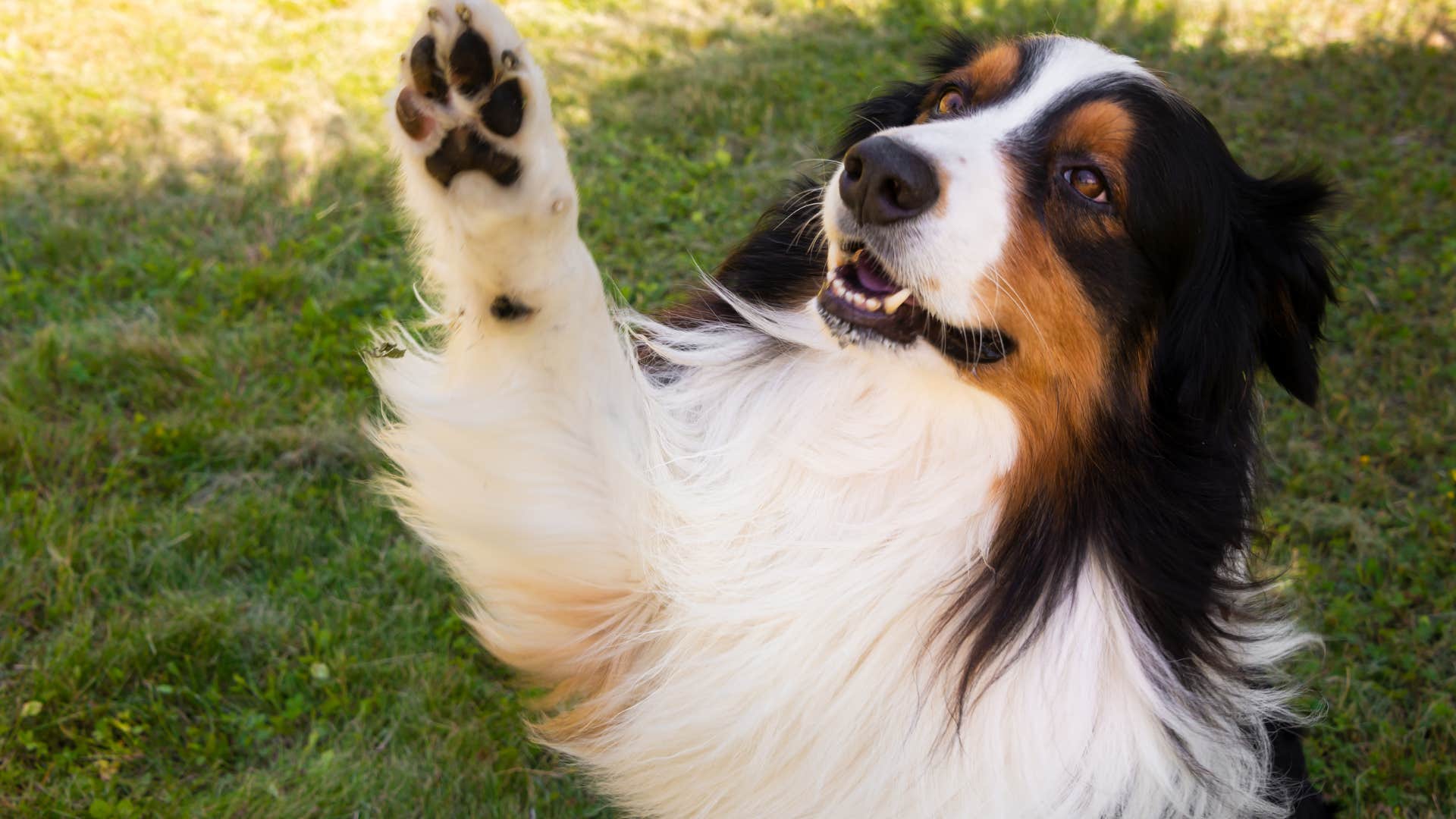
While dogs can be socialized into random behaviors when they know they’ll get positive attention in return, often through owners using baby talk or making eye contact, it’s also possible that something like raising a paw in the air is a sign of uncertainty.
Many dogs “point” with stillness and a raised paw by instinct, but other times, they’re trying to communicate uncertainty to their owners. They aren’t sure how to react, need extra space to listen, or are asking their owner for attention and security when things don’t feel predictable.
Zayda Slabbekoorn is a senior editorial strategist with a bachelor’s degree in social relations & policy and gender studies who focuses on psychology, relationships, self-help, and human interest stories.
