
Retired Men Usually Sit In Silence More Often At Home Because Of These 11 Specific Reasons
 Inside Creative House | Shutterstock
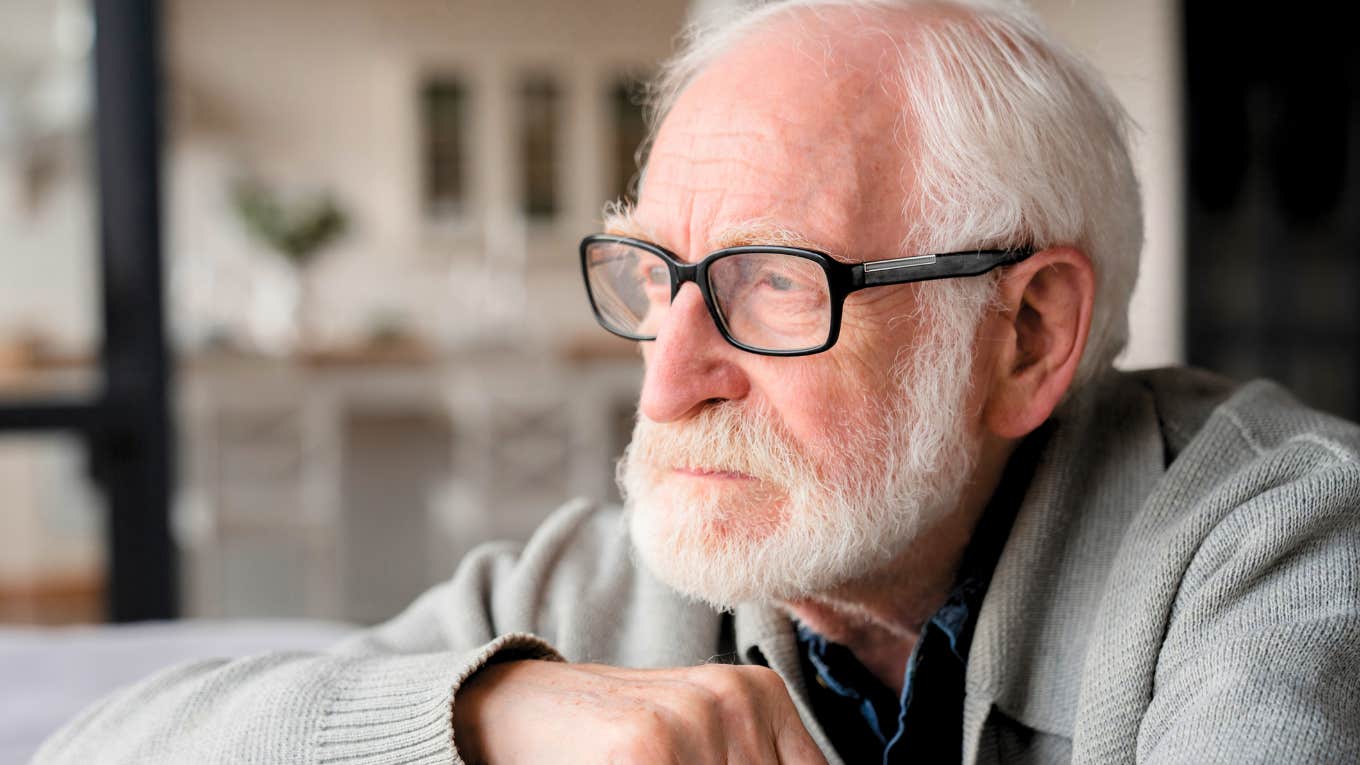
 Retirement is something many people look forward to after decades of having to work hard. It's the period of life where you're finally able to enjoy the fruits of your labor. From the outside looking in, it sounds like pure freedom, but for a lot of people, especially retired men, the quiet that suddenly fills their days may be hard to reckon with at times. He starts spending more time at home, just sitting with himself in complete silence. It's not that he's on his phone or even watching TV — he's simply just sitting there.
While it may seem as if something is inherently wrong, the silence isn't automatically a bad thing. Whether it's enjoying not being needed or thinking about traveling, retired men usually sit in silence more often at home because of these specific reasons. There's nothing wrong with silence; in fact, silence is good for both our well-being and even the relationships we cultivate with others. For a lot of retired men, the quiet becomes their new default, because after so many years of constant noise, deadlines, and stress, it probably feels nice to just exist without all of that anymore.
Retired men usually sit in silence more often at home because of these 11 specific reasons
1. They're adjusting to the loss of structure
 fast-stock | Shutterstock
For many years of his life, he was running on a schedule. He was waking up, commuting to work, participating in long, tiring meetings, and having to turn in all of the projects and tasks that were assigned before eventually coming home and doing it all the very next day. Then suddenly, in the throes of retirement, all of that disappeared.
"Retirement can be exciting and daunting; usually, it's a bit of both. This is a unique time in life marked by shifts in roles and priorities. Yet in the media, we often see two extremes: carefree retirees traveling the world as a culmination of decades of work, or isolated older adults deteriorating at home as they face loneliness," explained psychotherapist Tomorrow Arnold.
There's no more alarm clock waking him up in the early hours of the morning, and that kind of shift is harder and a lot bigger than many people expect. Work is about the structure just as much as it's about the money for many, but when that's gone, men are often left just sitting in complete silence.
It doesn't mean he's necessarily sad, he's just trying to figure out what his days mean now without the consistency of work. Instead of being "on" all day, he's allowed to just be.
2. They don't have to perform
 DukiPh | Shutterstock
For most of his career, there was always some kind of performance happening. Even if he loved his job wholeheartedly, there was still a version of himself that he was supposed to present every day. He was expected to be professional, in control, always on task, and on time every day for years. That kind of constant monitoring can become quite exhausting.
When it suddenly all ends, the performance version of himself doesn't just disappear as well. He still stays steady and decisive even when he's in the comfort of his own home.
Sometimes, the answer to figuring out who he is now can't be put into words. Sometimes, it's just sitting in silence. It can feel a bit relieving as well. He no longer has to fill space with constant solutions, and he doesn't have to prove day after day that he's productive.
3. They're enjoying not being needed
 PeopleImages | Shutterstock
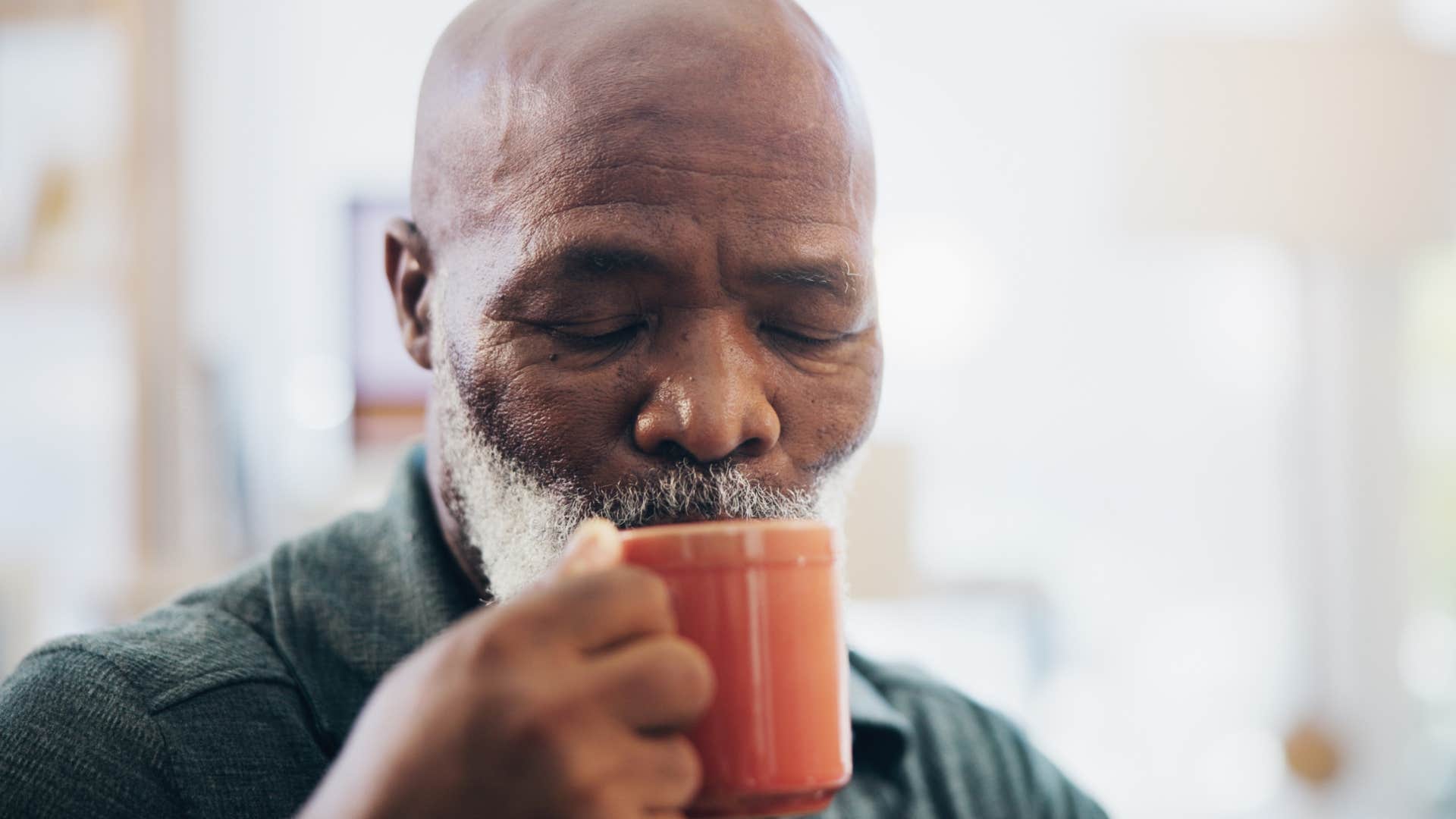
Before retirement, someone was always needing something from him. Anytime his name was called, it required his immediate attention. Being needed was his entire life. At work, he was most likely the go-to for something. Even if he wasn't necessarily the boss, he still carried some kind of responsibility. People relied on him to show up and keep things moving.
That kind of constant demand became a part of his routine. Now that he's in retirement, all of that suddenly stops. So, retired men usually sit in silence more often at home because of these specific reasons.
For the first time in a long time, no one needs him in the way they did before. At home, his kids are probably all adults and out of the house, too. It's just him and his spouse, or him all alone. Surprisingly, the quiet that comes from that isn't scary, it's refreshing.
4. They've spent years in 'provider mode'
 pics five | Shutterstock
Many retired men usually spent so many years living in problem-solving mode. They were the ones responsible for paying the bills from the money they made at work and handling all of the other financial crises that arose as well.
For them, they were the ones keeping everything running smoothly. Once retirement hits, a lot of men start to realize that the responsibility of being the "provider" isn't as in-demand as it was when they were working.
"Many men still carry the internal narrative that their value is tied to financial success. Despite shifting gender roles and household dynamics, the expectation to 'have it all together' financially hasn’t disappeared," certified financial therapist Nathan Astle pointed out.
No one necessarily needs them as urgently in retirement as they once did. When that intensity fades, retired men are left with complete silence. It might honestly feel good, as they no longer feel the weight of expectation on their shoulders and they're simply allowed to find their own peace. The stillness feels earned in a way.
5. They're giving themselves permission to rest
 Migma__Agency | Shutterstock
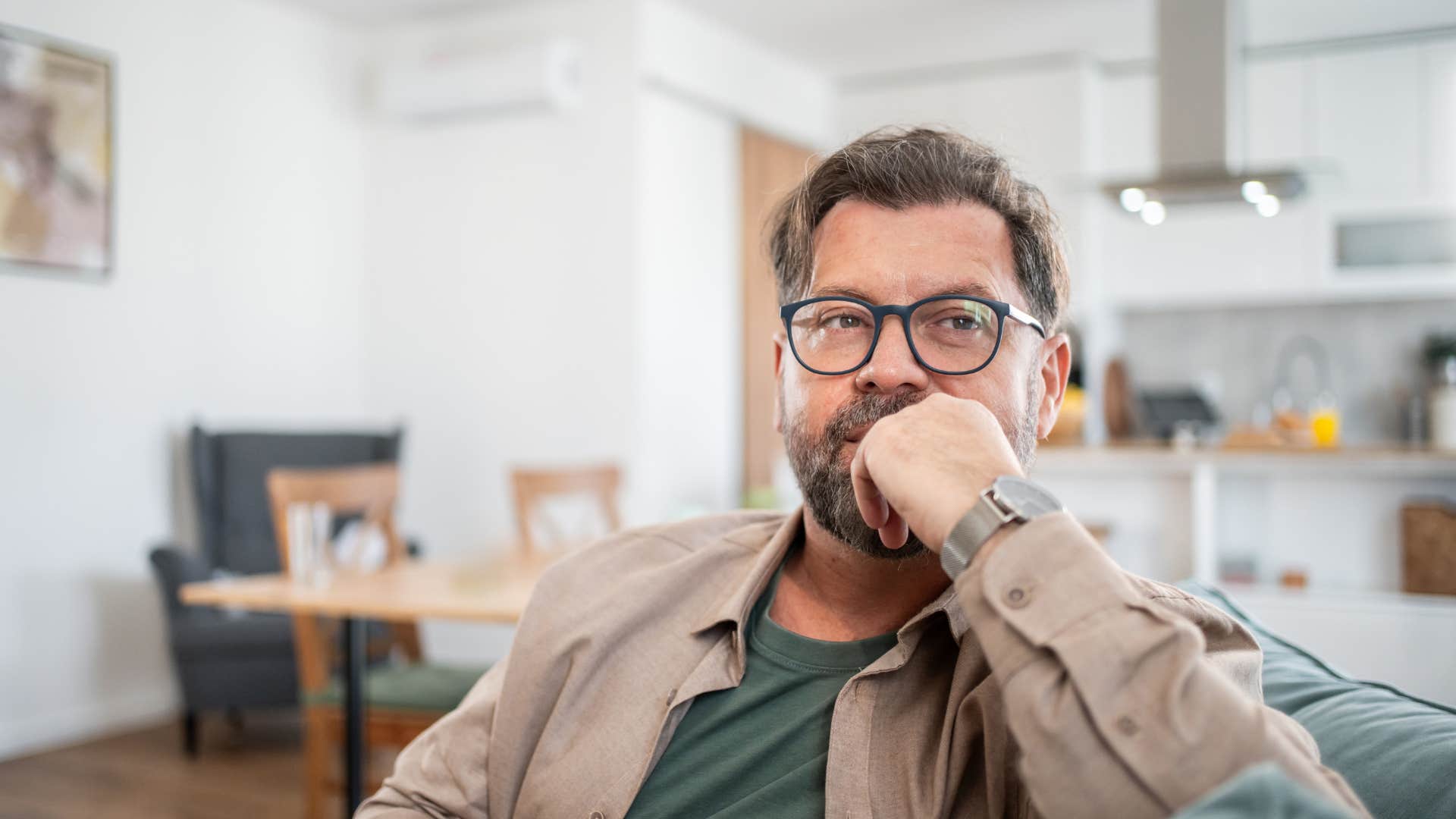
For most of his life, rest had some strings attached to it. His entire mindset was that he'll rest once the job gets done, not realizing that it would probably be decades until that happened. Work culture is very demanding and there's not really a reward for slowing down, especially in America. Productivity becomes the thing that you're always striving to be good at.
When retirement eventually arrives, all of that pressure to be constantly moving and exhausted all of the time goes away. A retired man suddenly doesn't have to deal with someone trying to measure his efficiency. When he's sitting down at home at 2 p.m., that's something he can do in peace without looking over his shoulder. He's finally being allowed to rest and he'll do that in the blissful quiet.
6. They're becoming more observant of their emotions
 Inside Creative House | Shutterstock
Considering there was always deadlines to meet and responsibilities to handle, his emotions might have gotten pushed to the backseat. Feelings were pushed aside until there was time to actually acknowledge them. Staying focused was just a much more practical solution.
Retirement completely changes the pace of that. There's a lot more space for him to actually reflect rather than suppressing his emotions. All of that usually happens in the quiet moments where he's at home.
Sitting in front of the window or simply pacing around the living room now involves time where he can actually pick up on the feelings that he didn't have the energy to process before. That also means he's getting better at picking up on other people's emotions. When he's not rushing out the door every morning, he has time to sit and talk with his family and friends.
7. They're processing a shift in their identity
 fizkes | Shutterstock
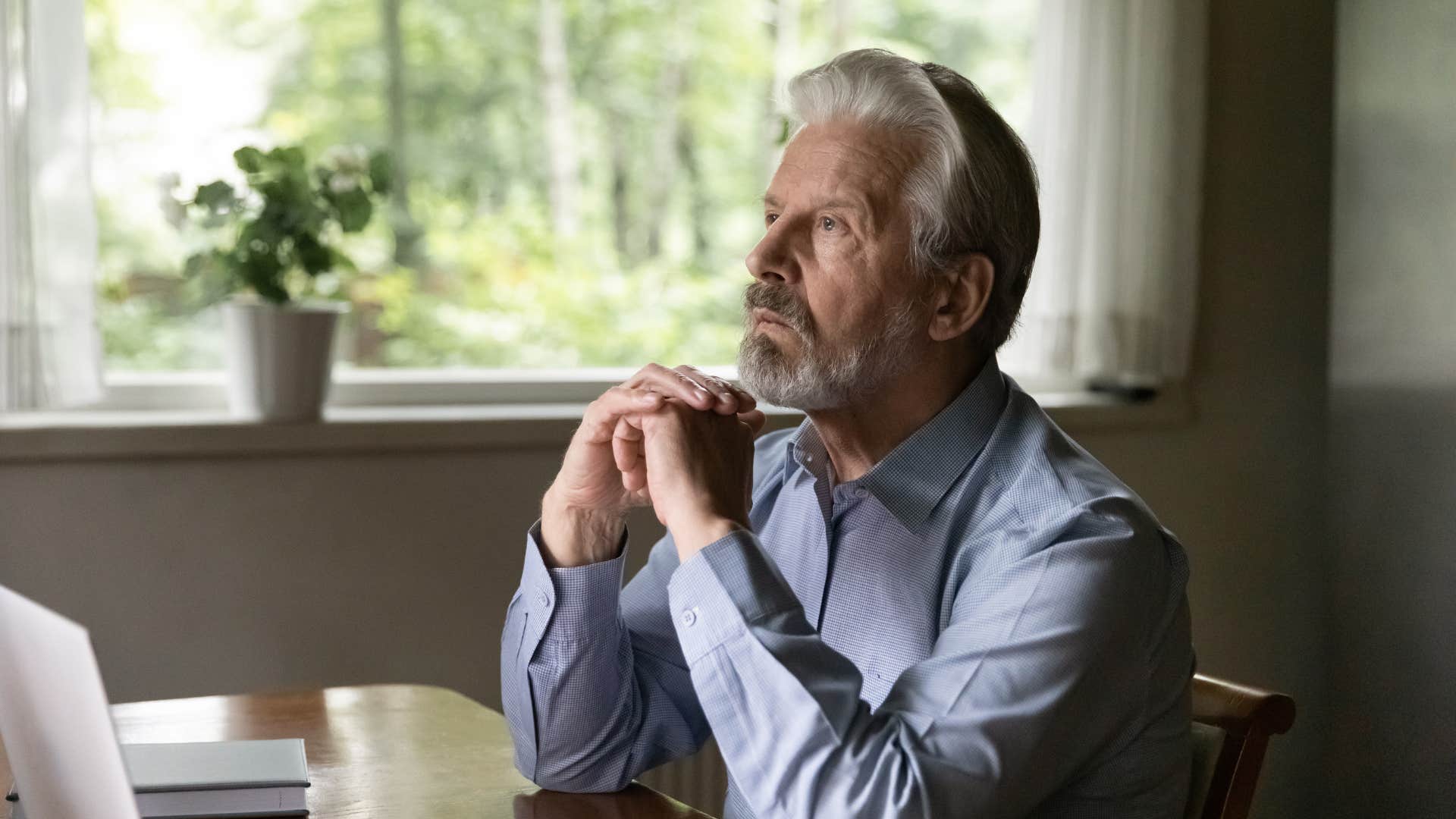
Retired men usually sit in silence more often at home because they're processing a shift in their identity. For a long time, the answer to who a man was lay in his job title. Whether he was defined by being a doctor, lawyer, teacher, bus driver, or a business owner, that was his identity.
When that title disappears through retirement, it can leave a gap. He might not be willing to say it out loud, but internally he's definitely trying to sort through it all.
"Before we voluntarily leave a profession that underwrites our identity — which most professions do, one way or another — we should think about how we can support our identity once we’ve left. We should talk to people who've made similar moves. We should investigate opportunities and actually try to line them up," encouraged psychiatrist Ahron Friedberg.
That kind of reflection happens in quiet moments where he's just sitting and thinking. He's sifting through memories of both his career highs and even his career lows. Left in retirement is now him thinking about what his next purpose might look like. He's simply reflecting in those silent moments where he might be sitting by the window at home or lying in bed during the early hours of the morning.
8. They were never big talkers to begin with
 Roman Samborskyi | Shutterstock
Some men were not the biggest communicators when they were working. So now, in their retired years, they have kept up that same energy. Instead, these men are usually communicating through actions and showing up to handle things that need to be handled. When work filled up most of their time, conversation might not have been the main focus.
"Time in quiet solitude can be invaluable in nurturing our relationship with ourselves as well as replenishing us for when we return to the rest of our lives. It's undoubtedly an investment worth making," insisted clinical psychologist Samantha Stein.
They were more focused on getting their job done and being able to go home. Now that they're retired, it's more noticeable how quiet they actually are. The silence was always there, but now there's just more time to actually see it. They actually find complete comfort in being able to just sit and home and not have to feel pressure to talk.
9. They're thinking about travel dreams
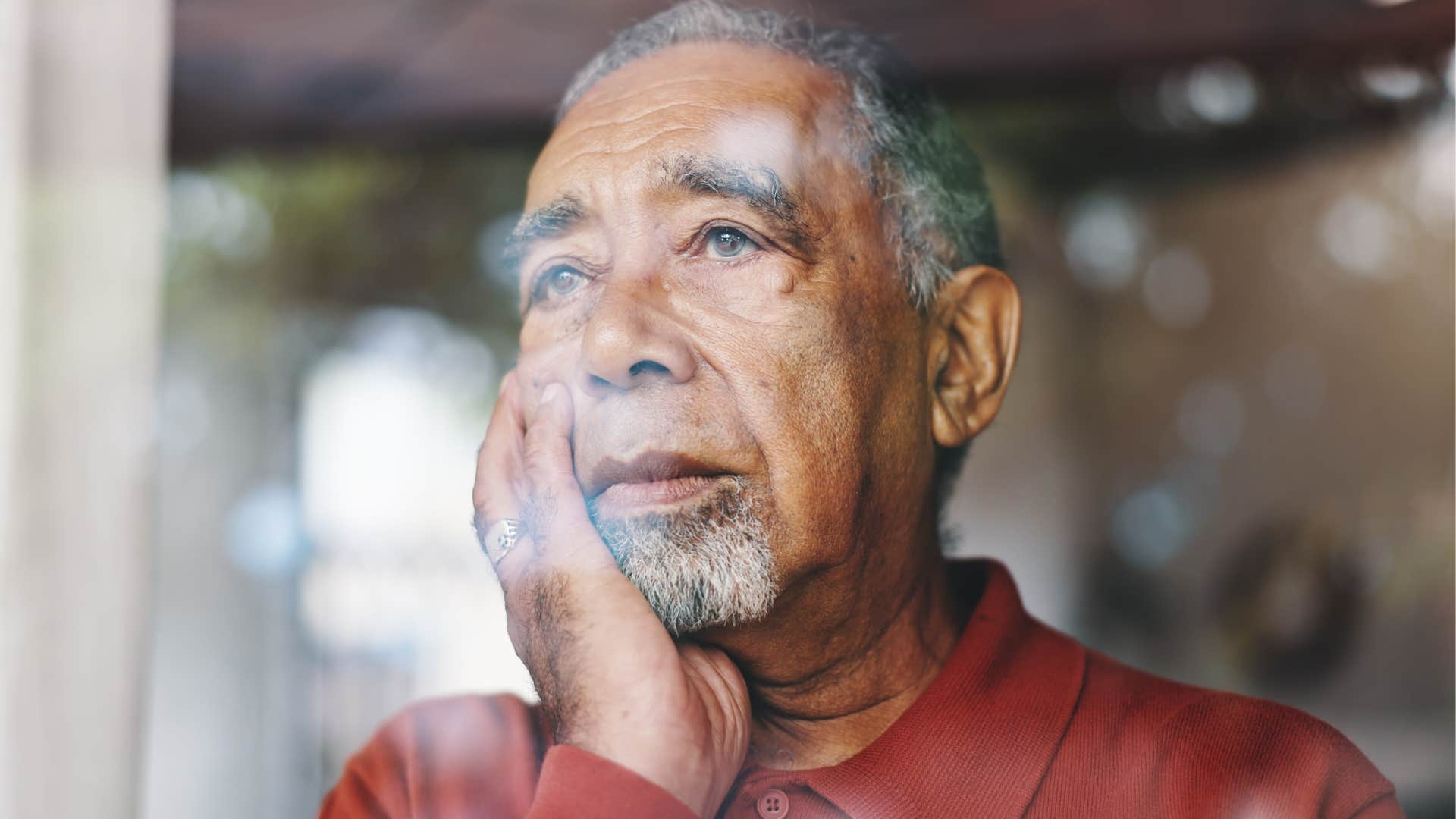 PeopleImages | Shutterstock
Travel might have been something of a distant want when he was working. He might have taken the occasional vacation here and there, but for the most part, he knew that he had to be in his home city in case he was needed at work. But now that work is no longer a priority, he's suddenly free to start traveling a lot more.
"Travel is good for our brains. Each time we take a trip, there are mistakes and problems that come up. At home, we might just whine and complain, but when we are in a foreign country we experience the glitches as new challenges," psychology expert Roberta Satow said.
Those quiet moments are him reflecting on future trips and creating a list in his head of where he might want to go. He's thinking of the family vacations that he now has time to plan and even the solo trips that he could do to expand his worldview.
There's also a little daydreaming mixed in there as well. He's imagining all of the new adventures that he'll get to have and the people he'll meet along the way.
10. They're thinking about health habits
 Lysenko Andrii | Shutterstock
A retired man simply has way more time to dedicate to taking care of himself. Both his mental and physical health can quickly become a priority when he doesn't have to worry about the responsibilities of work. Without the daily rush, he's able to actually pay attention to things that were once easier to ignore. He may be siting quietly at home thinking about what the next years of his life will look like.
There's also a mental checklist happening. He's thinking about if he should start taking more walks or incorporating different foods into his diet. He might be researching more ways that he can take care of his mind as well. Maybe he's thinking about starting therapy or going on a retreat somewhere. He's deciding what he should be pouring his energy into now that he doesn't have the demand of the office on his back.
11. They're accepting that life has seasons
 GBJSTOCK | Shutterstock
Slowing down was not an option at all when he was working. He was expecting to exist at a certain pace. But once he's in retirement, he's able to have a much different perspective.
Not everything has to happen at once and not every day has to be packed with tasks. Some days are allowed to be a quieter and less structured. Retired men usually sit in silence more often at home because of these specific reasons, and while that realization may feel weird at first, a retired man is slowly learning to accept that.
"Slowness isn't so compatible with modern life, with all its pressures and demands. But we all have a degree of control over how we respond to situations, particularly in our leisure time. We can choose not to rush. We can choose to slow down when we walk, cook, do our chores, and so on," explained psychologist Steve Taylor.
Sitting quietly on the couch is part of coming to terms with these changes. Life doesn't have to be this constant sprint anymore. There's a level of comfort in the fact that he's recognizing that certain seasons of life are meant to be enjoyed at a slower pace. The years of hard work was all so that he could actually enjoy the fruits of his labor and now he is.
Nia Tipton is a staff writer with a bachelor’s degree in creative writing and journalism who covers news and lifestyle topics that focus on psychology, relationships, and the human experience.
