
11 Things Parents From Older Generations Let Their Kids Do That Would Cause Outrage Today
 syedfahadghazanfar / Shutterstock
 For parents in the 1960s, 70s, 80s, and even 90s, many decisions were shaped by trust, independence, and far less public scrutiny. Today, those same choices would likely be labeled reckless or irresponsible. The difference isn’t necessarily about love or care. It’s about evolving standards, new information, and a society that now documents everything. Looking back at what was once normal can maybe explain why things feel so off with younger generations.
These are 11 things parents from older generations let their kids do that would cause outrage today
1. Letting kids roam the neighborhood all day without checking in
 PeopleImages / Shutterstock
There was a time when children left the house after breakfast and returned at dinner. No GPS tracking, no cell phones, and no constant updates. Parents trusted that kids would find their way home. Neighbors often kept an informal eye out, creating a loose safety net.
Today, that level of freedom would trigger alarm in many communities. Social media amplifies fear quickly. Stories of rare dangers travel farther and faster. Modern parents often feel pressure to supervise more closely. The expectation of constant access has changed the baseline entirely. What once signaled independence now often signals negligence in public perception.
2. Leaving kids in the car just for a minute
 BaLL LunLa / Shutterstock
In previous decades, it wasn’t unusual for a parent to run into a store while a child waited in the vehicle. The errand was brief, the doors were locked, and it felt practical. Today, even a short absence can result in public confrontation or police involvement.
Legal standards have tightened in many areas. Public tolerance has shrunk considerably. Concerns about safety and temperature risks are more widely discussed. Parenting decisions now happen under potential surveillance. What once felt efficient now feels risky. Expectations around constant supervision have shifted dramatically.
3. Allowing unsupervised sleepovers without background checks
 New Africa / Shutterstock
Sleepovers used to be a routine part of childhood. Parents often relied on familiarity rather than detailed vetting. Children moved between houses freely. Today, many parents hesitate before allowing overnight stays.
Conversations about safety and boundaries are more explicit. Background awareness plays a larger role in decision-making. Some families avoid sleepovers entirely. Trust is now filtered through a more cautious lens. What once symbolized normal social development now requires extensive discussion.
4. Letting kids ride bikes without helmets
 Kulinenko.G / Shutterstock
Helmets weren’t always standard equipment. Kids rode bikes, skateboards, and scooters with little protective gear. Scrapes and bumps were seen as part of childhood. Now, safety standards are far more regulated.
Public spaces often require helmets by law. Social judgment can follow parents who don’t enforce precautions. Awareness of injury risks has increased. Protective equipment is normalized and expected. What once looked carefree now appears careless to many observers.
5. Sending kids to the store alone at a young age
 Volodymyr TVERDOKHLIB / Shutterstock
In many neighborhoods, children were sent to buy milk, bread, or candy by themselves. It was considered a small but important step toward independence. Today, the same act might draw scrutiny from bystanders.
Concerns about child safety dominate decision-making. Cultural tolerance for unsupervised minors has declined. Even capable children may not be granted the same autonomy. Independence is often delayed. What once built confidence now raises eyebrows.
6. Letting kids play outside after dark without constant supervision
 Bosnian / Shutterstock
Summer evenings once meant extended outdoor play. Streetlights acted as unofficial curfews. Kids formed their own rules and resolved their own disputes. Today, many parents limit outdoor time after sunset.
Structured activities have replaced free play in many communities. Safety concerns and busy schedules contribute to the shift. Neighborhood familiarity has changed in some areas. Parental monitoring feels more necessary. What once felt communal now feels uncertain.
7. Allowing teens to attend parties with minimal oversight
 KinoMasterskaya / Shutterstock
Teen social life once involved a certain level of plausible deniability. Parents may not have known every detail of gatherings. Today, digital documentation changes everything. Social media creates permanent records.
Legal liability feels more immediate. Expectations around supervision have increased. Communication between parents is often more coordinated. The margin for “not knowing” has shrunk. What once seemed like typical adolescence now invites stronger accountability.
8. Letting kids resolve conflicts without adult intervention
 fizkes / Shutterstock
Teen social life once involved a certain level of plausible deniability. Parents may not have known every detail of gatherings. Today, digital documentation changes everything. Social media creates permanent records.
Legal liability feels more immediate. Expectations around supervision have increased. Communication between parents is often more coordinated. The margin for “not knowing” has shrunk. What once seemed like typical adolescence now invites stronger accountability.
9. Allowing children to consume media without strict monitoring
 Studio Peace / Shutterstock
Television and movies were once consumed with minimal screening. Content ratings existed but weren’t always closely followed. Today, media exposure is heavily scrutinized. Online access introduces new variables.
Parental controls and monitoring apps are common. Discussions around screen time dominate parenting advice. Exposure feels more permanent in the digital era. Oversight has intensified dramatically. What once felt like harmless entertainment now carries layered implications.
10. Expecting kids to entertain themselves for hours
 fizkes / Shutterstock
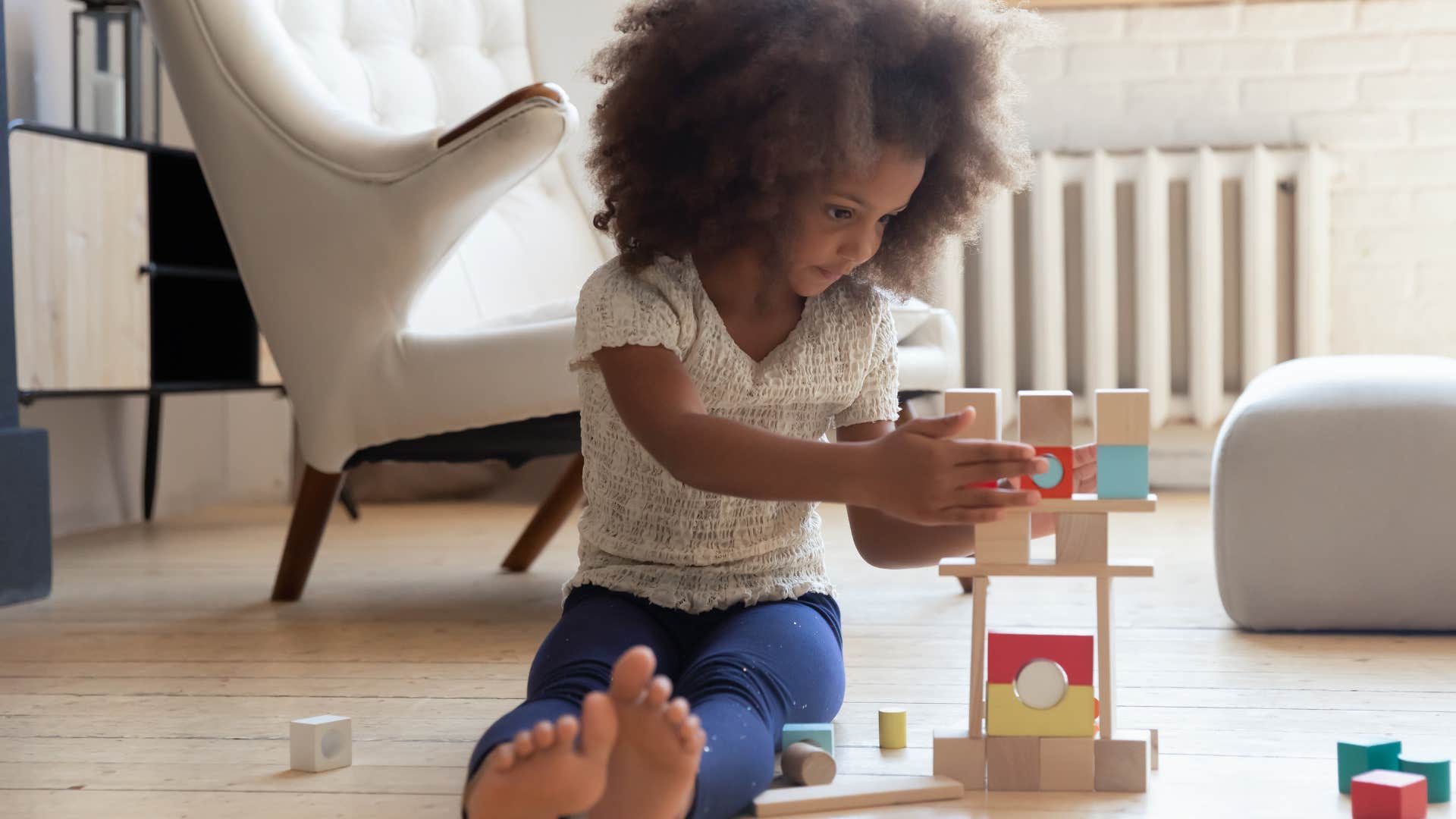
Boredom was once considered normal and even beneficial. Children were expected to figure things out. Structured enrichment wasn’t constant. Today, schedules often include organized sports, lessons, and supervised activities. Idle time can feel unproductive.
Parents may worry about missed opportunities. Cultural pressure to maximize development has increased. Free-range imagination competes with planned growth. What once fostered creativity now feels uncertain to some families.
11. Using physical discipline without widespread backlash
 MAYA LAB / Shutterstock
Physical discipline was more socially accepted in past generations. Many parents viewed it as a standard corrective measure. Today, attitudes have shifted significantly. Research on child development has influenced policy and public opinion.
Physical punishment now carries greater stigma. Discussions about emotional impact are more prominent. Parenting philosophies have evolved. What once felt ordinary now sparks intense debate. Social norms have transformed alongside awareness.
Sloane Bradshaw is a writer and essayist who frequently contributes to YourTango.
