
If You Heard These 15 Phrases Growing Up, Your Parents Made You Feel Safe And Supported
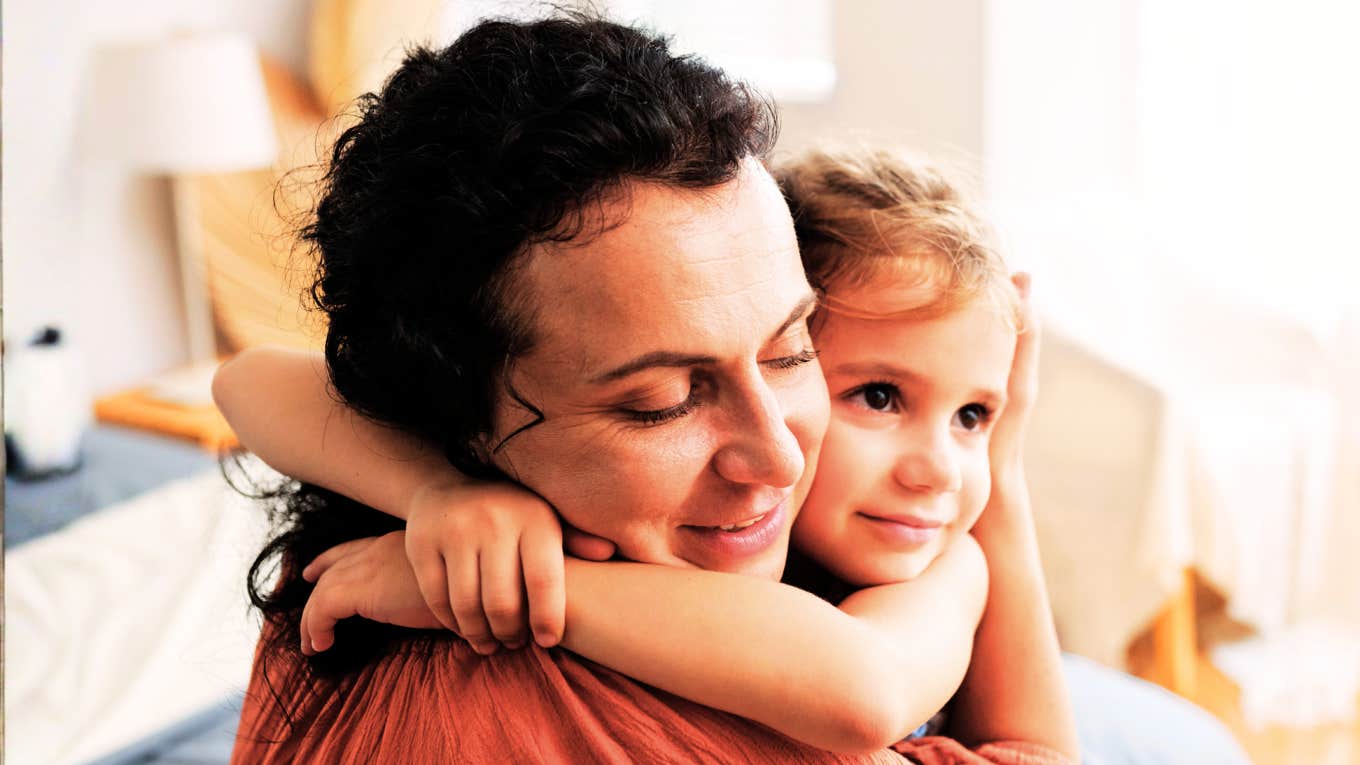 DragonImages | Canva
 Most parents want to take away their child's worries and shield them from pain. While that's not always possible, if you heard these phrases growing up, your parents definitely made you feel safe and supported.
Anxiety is an inescapable part of life. It comes in many forms and is triggered by many challenges in a kid's life. Few people are born with a natural ability to process and cope with anxiety. It's often up to parents to be ready for the job and teach their child those skills.
While a pat on the back and a phrase like, "You’ve got this!" can be affirming, it's not likely to shift a child's thinking patterns during a crisis or calm them down physiologically. A study suggested that connecting with your child on a more emotional level is likely to generate a better result because the emotional part of the brain has already been engaged by intense fear and worry.
If you heard these 15 phrases growing up, your parents made you feel safe and supported:
1. 'I get it. You're scared'
Anxiety management is not one-size-fits-all. All children have different fears and anxieties. Younger kids might be afraid of being away from their parents or caregivers, bumps in the night, needles, or missing the goal net. In a survey of kids aged 9 to 13, 86 percent of them said they worried a lot about the health of someone they loved. Worries about their future and the school also topped the list. The teen years produce their own set of anxieties.
If your child is showing signs of anxiety, don't be afraid to name what's going on. By putting a label on their emotions, your child can either agree with you or tell you what they are really feeling, so you can both deal with that problem head-on.
2. 'I know this is hard'
Worry is hard, so tell your child that you understand. By mirroring their feelings, they'll be more likely to connect with you and open up. You're also validating them and telling them it's OK to feel what they're feeling.
Not all worry is bad. A certain amount of it has a purpose: to motivate you to act or to avoid danger. Worry becomes problematic when it becomes a child's mode of operating, and it sets in before they're able to solve it. It can evolve into an anxiety disorder, which interferes with your child's ability to function.
3. 'Would you like a hug?'
Simple reassurances aren't sufficient. Your job as a parent is to prepare your child for adulthood and all of the expectations that come with living in society. Effective parenting means creating positive beliefs and building self-sufficiency. Your role is to help them learn how to deal with anxiety and manage it.
Hugs have many benefits. Research explains how physical contact can stimulate the release of oxytocin, the feel-good hormone, and decrease the production of cortisol, the stress hormone. Thus, hugging will help with anxiety symptoms. Your child will feel more relaxed and more able to think rationally about their situation.
4. 'Take a deep breath'
You've probably figured out by now that reassurances don't work. Statements like "Everything will be OK," "Calm down," and "Stop worrying" fall on unhearing ears. When someone is in a state of anxiety, their emotional brain has taken over, and the rational brain can't process your advice. Your child's anxiety is likely to ratchet up a notch, which only becomes more frustrating and stressful for you.
Teaching your kids to breathe during a stressful situation is one of the most useful things you can do. A study supported how putting their left hand on their tummy and their right hand over their heart, then breathing in and out slowly, noticing their belly expand, and their chest rise and fall with each breath, can help ground them and change their physiological state. It's a skill they can use anywhere, from the classroom before a test or any other time when they feel the symptoms of anxiety creeping upon them.
5. 'Go to your happy place'
When your child is less stressed, ask them about a place that makes them feel good, calm, confident, and happy. It could be a beach, cottage, or cozy bedroom. Get them to describe it in perfect detail, including what it looks like, sounds like, smells like, and feels like to them. Then, when they become anxious, suggest they transport themselves to that happy place and let the power of visualization transform them.
Psychologist Sharon Saline advised, "Without useful self-management strategies and the ability to access the internal resources they need, anxious kids freak out or refuse to do anything. But when they learn how to process worried, negative thinking and rely on past successes for confident choices in the present, they are better able to tolerate the discomfort of not knowing, and they can accept the possibility of disappointment."
6. 'Let’s sing!'
Research has found that "singing can also cause changes in neurotransmitters and hormones, including the upregulation of oxytocin, immunoglobulin A, and endorphins, which improves immune function and increases feelings of happiness."
Start up the chorus to your child's favorite song, or get them up to dance to it. In less than a minute, the endorphins will kick in, and you'll have interrupted the stress response long enough for the rational brain to kick in. As a plus, you will have shared a sweet bonding moment.
7. 'Tell me more'
To turn down your child's emotional brain, get them talking about what's stressing them out. If you ask questions, stick to open ones, but simply allowing them the space to share can often do the trick. You will be showing them how much you're interested in their experience and engaging their rational brain at the same time, which will help them to reframe the entire anxiety-provoking situation.
"This is how you learn to lead your life from a place of love by cultivating it from within," suggested relationship educator Anna Thea. "You take care of yourself by validating your uncomfortable emotions. Look for what is under your uncomfortable feeling. It helps you uncover a core unmet need. Understanding your core need and embodying it is empowering. Your uncomfortable emotions are valid. Don’t dismiss them."
8. 'What's your heart telling you? What's your brain telling you?'
These questions encourage your child to reflect on their emotions and to collect evidence about the situation. Their heart might be telling them they are scared of failing the test, but their brain might be telling them they've studied.
Teach them that can be true, and that's OK, and they can challenge themselves as to which will win out: fear or facts. This is the essence of self-talk.
9. 'What’s the worst that could happen?'
Asking this question helps kids put worries into perspective and make big worries seem much smaller. The worst that could happen might be not making the soccer team.
- How bad would that be?
- What could your child do if that happens?
- What could they learn from that experience?
Your child will see that they have the ability to overcome challenges and make the best of an undesirable situation.
10. 'What would your hero do in this situation?'
Everybody has someone they look up to, whether it's a mentor or a superhero. Ask your child how Spider-Man or Wonder Woman would handle their situation or real-life idols like Prince Harry or Taylor Swift. Then, ask them how they can do the same.
Psychologist Susan Manser added the idea of using visualization, "Imagine moving away from the feeling, walking to the furthest end of the warehouse. Though the feeling doesn’t change in size, the feel of it changes. From this perspective, the feeling looks smaller. You have distance. It’s not so in your face."
11. 'Do your best'
Kids need to know that perfection doesn't exist; it's an illusion. Effort matters. All you want for your kids is that they do their best and be their best. "Let them make their own decisions and their own mistakes," explained family coach Kathryn Brown Ramsperger. "This will help them figure out that the first solution might not be the best solution for them. Step in only when you think they are in danger physically or mentally, not when they take a wrong turn. "
12. 'What would you rather feel?'
It can be so empowering for kids to learn that they can choose their feelings. When my daughter became extremely anxious about going for a blood test, she repeated over and over that she was scared.
I asked her how she would like to feel instead, and she responded, "Brave!" I told her she was already brave. "Say it," I encouraged her. "I am brave," she proclaimed. It worked.
13. 'This feeling is going to pass'
It's easy for kids to get overwhelmed by their emotions and think their anxious feelings will never go away. Remind your child that they were able to overcome difficulties in the past, and they can repeat their success again. Let them know how proud you are of their courage, then and now.
14. 'How can I help you the most?
Ultimately, your child knows best what they need from you, so ask them. They might stop for a minute, perplexed by your question, but if given a chance to think about it, they'll tell you. They might say, "Hold my hand" or "Just sit with me for a minute while I calm down." Either way, the solution will be tailor-made.
15. 'I love you'
Telling your child how you feel about them is like covering them with a warm, safe blanket. It will soothe their worries and reassure them that no matter what happens, your love will protect them.
Armed with these things to say, you'll be in a better position to calm down your anxious child and get them feeling good about themselves once again. In the end, though, if you want happy and healthy kids who worry less, the best you can do for your child is to work on your own calm. No matter what you say, you're a walking example of how to stop worrying in its tracks and how to resiliently lead your life.
Lisa Petsinis is a certified life and career coach who works with burnt-out individuals to reconnect to what matters, find their perfect work, and create more joy, meaning, and success.
