
People In The 1960s Were Raised With 11 Unspoken Family Values That Seem To Be Going Extinct
 Serge wild plants / Shutterstock
 Amid a tumultuous social climate and economic challenges, it’s no surprise that the general social norms and expectations of the 1960s look much different from those of today. From nuclear family pressures to traditional roles, our society looks completely different on a large scale.
Many household expectations and family values have also shifted over the past several decades. People in the 1960s were raised with certain unspoken family values, many of which seem to be going extinct today. From blindly embracing family loyalty to accepting a certain role within the family, these values that cultivated household stability in the 60s now seem outdated and, in some cases, controversial.
People in the 1960s were raised with 11 unspoken family values that seem to be going extinct
1. Respect is shown through behaviors
 fotoak | Shutterstock.com
As a 2020 study explains, amid social and cultural unrest in the 1960s, many came to believe that people deserve what they get based on how they treat others. Essentially, what you put out into the world, you would receive in return, whether that was kindness, respect, or honesty.
Respect was shown through actions, not empty promises. Especially in families, by respecting boundaries and following house “rules,” kids were taught to manage their own discomfort when facing expectations.
2. You finish what you started
People in the 1960s were raised with unspoken family values, such as finishing what they started, that seem to be going away today. While so many today are focused on “protecting their peace” and seeking comfort, even if that’s done through avoidance, families in this time period were focused on work ethic and productivity.
While a balance between rest, personal time, and work was obviously important, amid challenging economic conditions and social shifts, work ethic and discipline were necessary.
3. Always stay loyal to your family
While there’s a certain controversial layer to family loyalty that’s being broken down in decisions of many modern adult children to go "no contact” with their parents, expectations to show up for, protect, and remain loyal to your family were values that solidified trust in 1960s households.
Parents had pressure to provide, children were expected to sacrifice personal time for quality time at home, and family gatherings weren’t something you had a choice in agreeing to. They were expected.
4. Privacy is a necessity
Whether it was a sense of vagueness in conversations about money or a preference for keeping family struggles private in social settings, people in the 1960s were raised with these unspoken family values that seem to be disappearing. Concerns and issues were handled privately by the family, never in public.
With modern parents oversharing pretty much everything about their families and children on social media and the ease of connection online, personal struggles within the family are no longer a private matter. Even speaking about money is growing less stigmatized, for the better, in most cases.
5. Children listen to their parents
 fotoak | Shutterstock.com
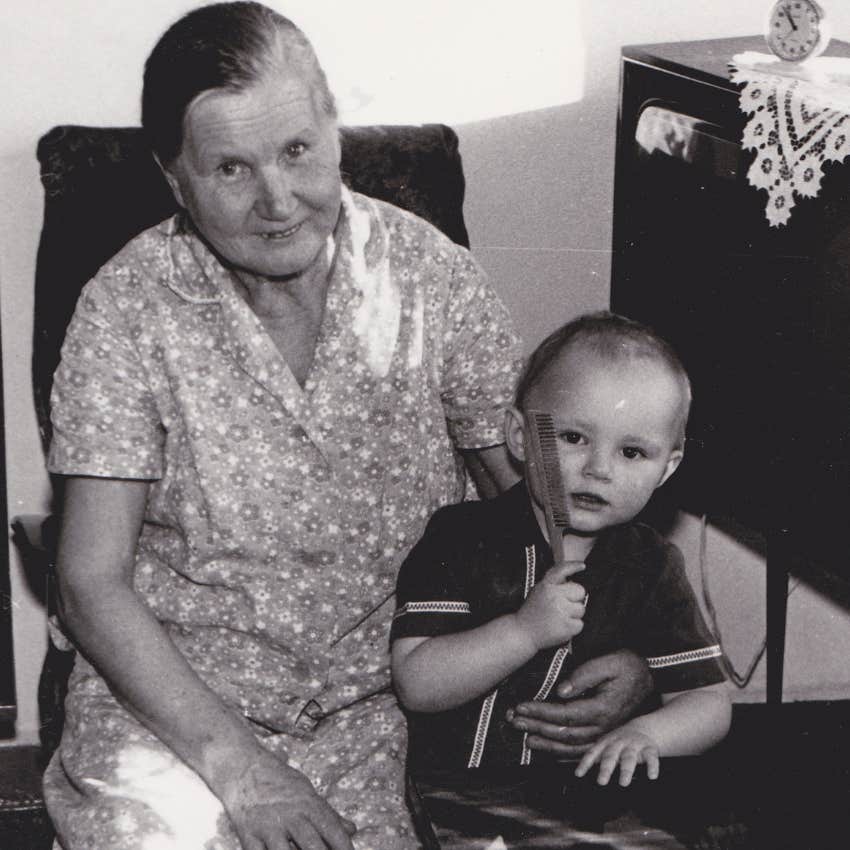
Especially in contrast to parenting styles today, centered around adapting to and showing up for kids, it’s no surprise that ‘60s family values around parental authority are going out of style. In the 1960s, parents were the leaders of the household, and their children were expected to abide by their rules.
However, today, with modern, gentle parenting styles flourishing, parents adapt their routines based on what their kids need. From changing discipline styles and making space for their outbursts in inconvenient moments, it’s a clear difference from old-school techniques and family values.
6. Money is only discussed at home
While there are many benefits to the modern destigmatization of conversations about money, in the 1960s, families and individuals were expected to handle and discuss money in private. From discussing salaries to paying bills, people in the 1960s were raised with the unspoken rule that money was a hushed topic to keep private at home.
Compared to today, when status symbols and wealth are constantly discussed, in public and private, it’s no surprise that this family value is quickly disappearing.
7. Life isn’t fair
Especially amid the tumultuous climate of the 1960s in the United States, it’s no surprise that kids and families were expected to endure discomfort and keep living even in challenging times. They weren’t offered the graces of instant gratification or convenience that modern families have access to today. They had to work hard and play their roles without the comforts of modern life.
In many ways, people in the 1960s were raised with an unspoken family value that seems to be disappearing today. Especially alongside cell phones and internet accessibility, it’s a completely different dynamic for families about what’s considered fair and what’s not, and it has nothing to do with comfort in the 60s.
8. You respect authority figures
One of the major differences between old-school parenting techniques and those of modern days is the expectation of authority. Parents in the 1960s were positioned as the leaders of the household, especially husbands and fathers. They were the authority figures everyone was expected to follow.
They set expectations for their kids, established routines, and often handled important matters like money and status. Kids were expected to blindly follow their commands, which is a stark contrast to the gentle parenting styles of many parents today.
9. Family dinners are nonnegotiable
 fotoak | Shutterstock.com
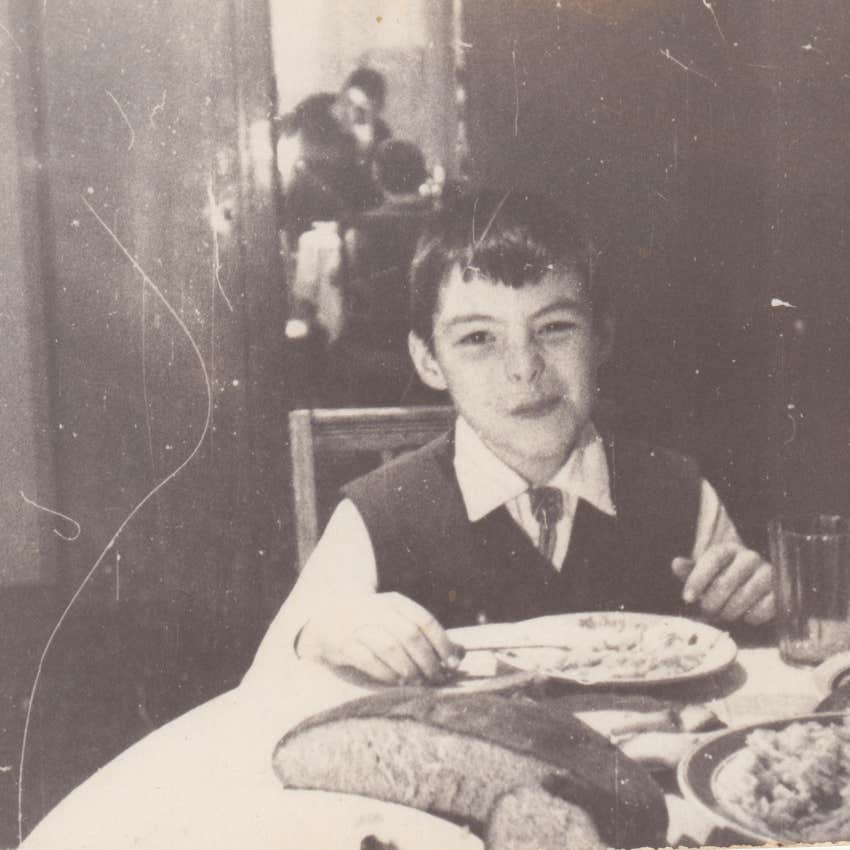
Unfortunately for modern families, having family dinners be nonnegotiable every night is one of the family values from the 1960s that seems to be going extinct. Not only are they proven to deepen family bonds, but they also provide a healthy space for emotional expression, conversation, and affection that might be overlooked amid the chaos of everyday life.
In our “hustle culture” today, where parents work long hours, kids are tied up in a million extracurriculars, and there’s a ton of obligations to be met, it’s not surprising that family dinners are being taken off the table. However, it's a family value that many households would benefit from making time for, even if it’s just once a week.
10. Reputation is something to protect
While the role of the nuclear family, largely popularized in the 1950s, was starting to shift in the next decade, there’s no denying that traditional family structures and a family’s reputation were incredibly important. From making connections to having the perfect family, the expectations families felt compelled to uphold were no easy feat.
People in the 1960s were raised with the unspoken family value to protect that reputation, but that seems to be going extinct today — or, at the very least, the expectations for families are shifting. Especially with the emergence of cell phones and social media, oversharing quickly puts personal reputation at risk, even if it feels innocent and harmless.
11. Everyone is expected to play a role
Whether doing chores or babysitting siblings, everyone, even children, was expected to play a specific role or handle certain obligations within their family in the 1960s. Kids weren’t protected from immediate discomfort by their parents. Instead, they were expected to help manage family obligations, from household labor to childcare.
Especially considering that many families were dealing with turmoil in social and economic aspects of their lives, there was little room for kids to complain about chores or basic tasks at home.
Zayda Slabbekoorn is a senior editorial strategist with a bachelor’s degree in social relations & policy and gender studies who focuses on psychology, relationships, self-help, and human interest stories.
