
People Who Refuse To Use The Self-Checkout At Grocery Stores Almost Always Have These 11 Specific Personality Traits
 Drazen Zigic | Shutterstock
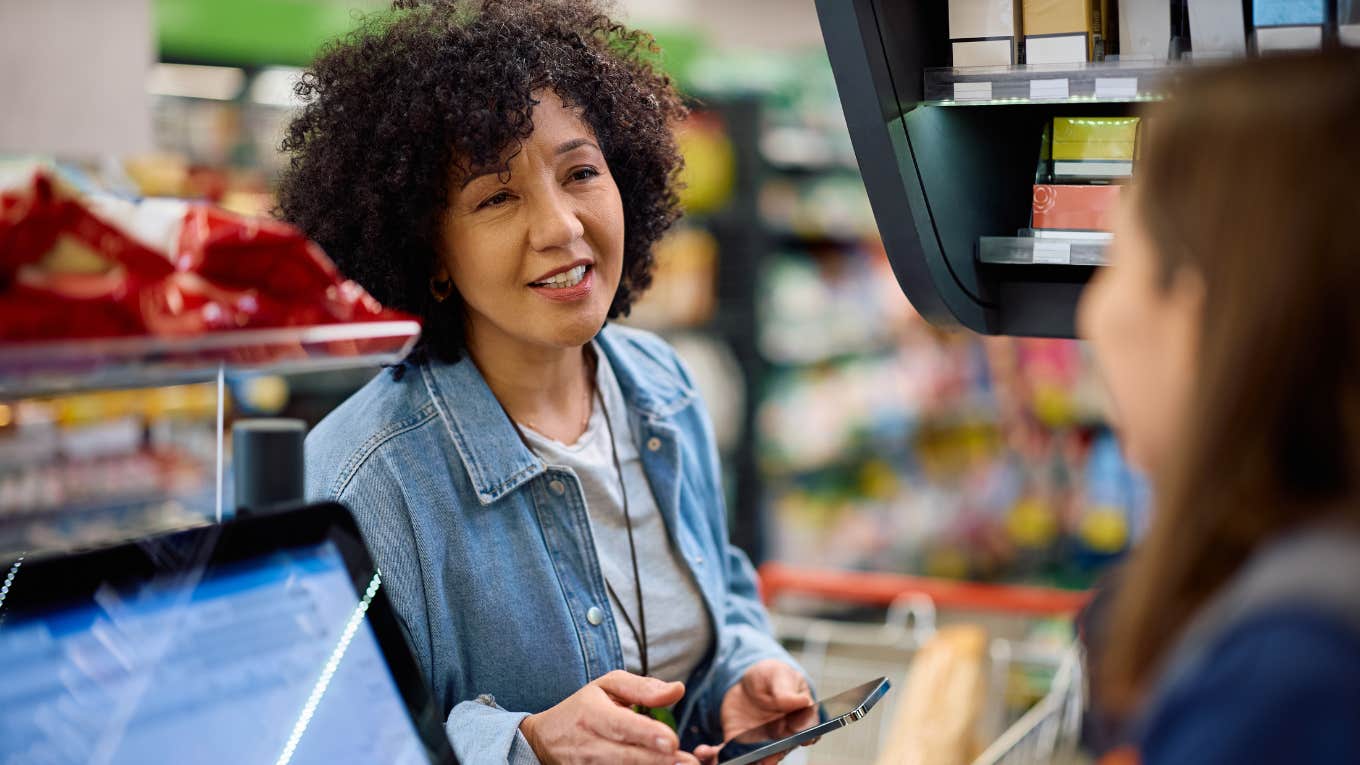
 While self-checkout is intended to make shopping more efficient and accessible for customers and cheaper for stores, some people simply refuse to use them when they're running errands. Whether it's an aversion to technology in general or specific things like extraversion, people who refuse to use the self-checkout at grocery stores almost always have these specific personality traits.
These people aren't moving through their lives on autopilot or under a threat of urgency they can't explain — they're being intentional about how they navigate through the world. Even if their choices are more time-consuming or inconvenient in the framework of "productivity," they don't mind spending more time and effort on things that truly boost their well-being and happiness.
People who refuse to use the self-checkout at grocery stores almost always have these 11 specific personality traits
1. They're extroverted
 Jacob Lund | Shutterstock
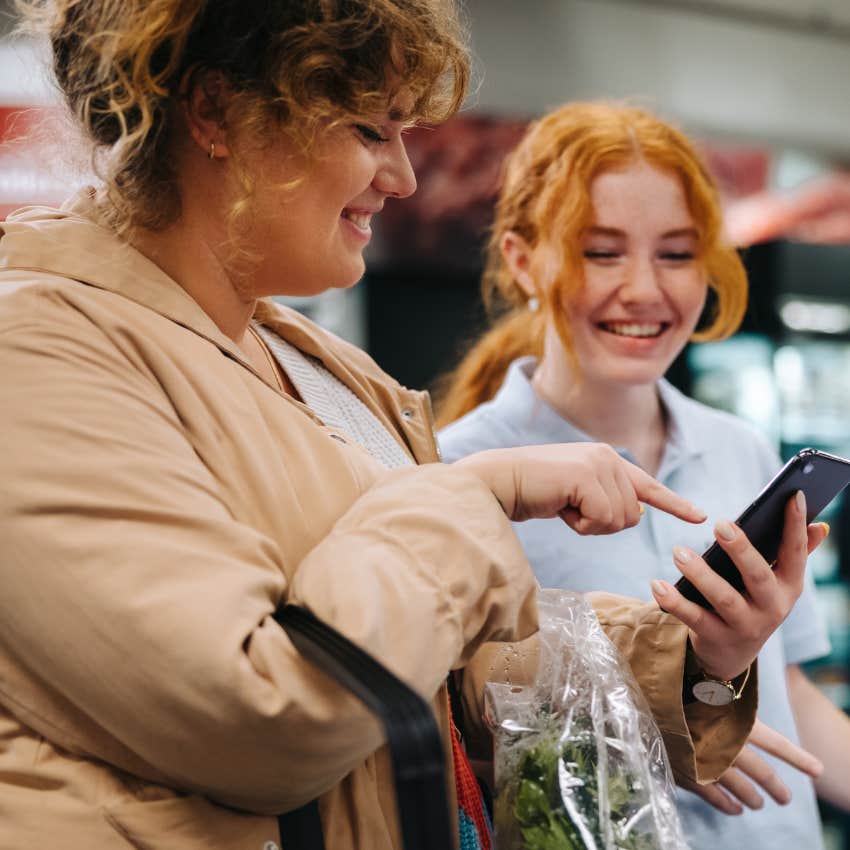
According to a Cognitive Neuroscience study, many extroverted people have a preference for actively seeking out, enjoying, and making time for social interactions, in comparison to their introverted counterparts, who prefer solitude.
People who refuse to use self-checkout at grocery stores almost always have these specific personality traits. Because why would they trade in casual social interactions that boost their social battery and energy levels for a machine?
2. They're activists at heart
If using self-checkout requires some kind of technology they don't agree with or takes away jobs from real people, chances are people who are activists at heart — even if it's not totally conscious — refuse to use it.
They not only like talking to people, but they also like investing in small habits throughout their lives that have the power to make a bigger impact.
3. They're conscientious
People who are organized and meticulous may choose not to use self-checkout because of the privacy and security risks associated with it. According to criminal defense attorney Carrie Jernigan, some self-checkout technology flags customers as "shoplifters" even when they're completely innocent.
"Big-box businesses aren't going to spend their time and resources trying to figure out if you did it on purpose," she suggested. "And because of who these big-box stores are, they usually have to present very little evidence to get an affidavit warrant signed."
People who refuse to use self-checkout at grocery stores almost always have these protective personality traits — making sure that they're protecting themselves and their safety, even when the alternative is easier and more convenient.
4. They're routine-oriented
The same kinds of people who go to the same coffee shops and become regulars at their favorite places may be the ones who refuse to use self-checkout at grocery stores. They're routine-oriented and are somewhat obsessed with following specific habits and rituals.
Of course, it's not a bad thing to like your routine and craft habits that work for you, especially if they truly uplift your spirits and contribute to your well-being. For example, someone who doesn't have many friends or a full social calendar might source opportunities for social connection in unsuspecting places, like with baristas or clerks while running chores.
5. They're stubborn
 Drazen Zigic | Shutterstock
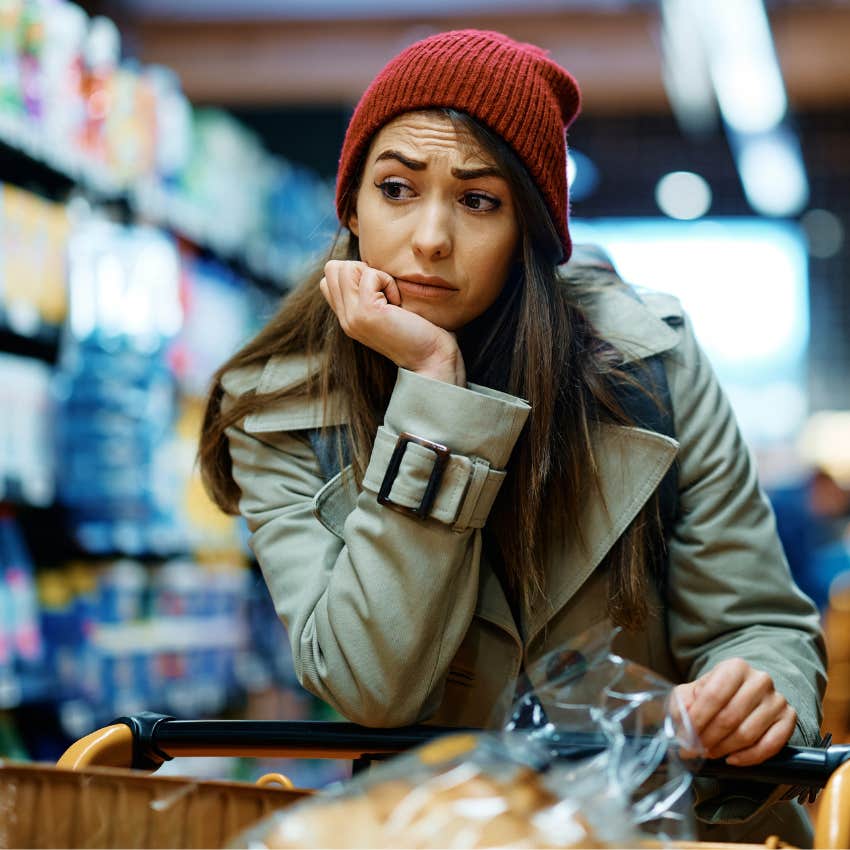
People who don't like being told what to do or adopting new technology advances in their routines are probably too stubborn to use the self-checkout when they get to the grocery store. Especially if talking with clerks and real people in the grocery store is comfortable and standard for them, why would a stubborn person consider changing things around?
Luckily, according to a study from International Psychogeriatrics, being stubborn is actually associated with longevity in life, especially when paired with optimism — these are the people who boast better mental and physical well-being.
6. They're easily overwhelmed
If someone's easily overwhelmed or living an incredibly stressful life, chances are the moments after putting their groceries on a conveyor belt and having a simple conversation with a clerk is a moment of mindfulness they wouldn't otherwise have.
If they're at the self-checkout line, they're doing everything themselves and troubleshooting any issue that comes up, but if they're in a traditional line, they can let someone else handle it. Why overlook mindfulness and a break from the chaos in favor of doing everything on your own?
7. They're not operating from urgency
Many people who are always creating a false sense of urgency in their lives or running on autopilot may be thinking about efficiency and productivity all the time. Choosing self-checkout is second nature, because they like to be in control of the pace of their own lives, even if it's not necessarily healthy.
However, people who refuse to use the self-checkout at grocery stores usually have opposing personality traits — they're always looking for opportunities to slow down. They're not proponents of "hustle culture," but of mindfulness and social connection, even when it's not necessarily "productive" by traditional standards.
8. They're anxious
Naturally anxious people have a tendency to worry and overthink things, according to a study from Penn State University, even when they're relatively straightforward, natural parts of daily life. From small talk to needing to ask someone a question at work, sometimes these innocent, small tasks seem impossible to someone living in fight-or-flight mode or battling social anxiety.
Some anxious people even choose, sometimes subconsciously, to worry over relaxing, because it serves as a defense mechanism for uncertainty. If using the self-checkout brings up fears of having a problem or having someone monitoring what they're doing for validity, chances are the alternative is easier for everyone.
9. They're empathetic
 Drazen Zigic | Shutterstock
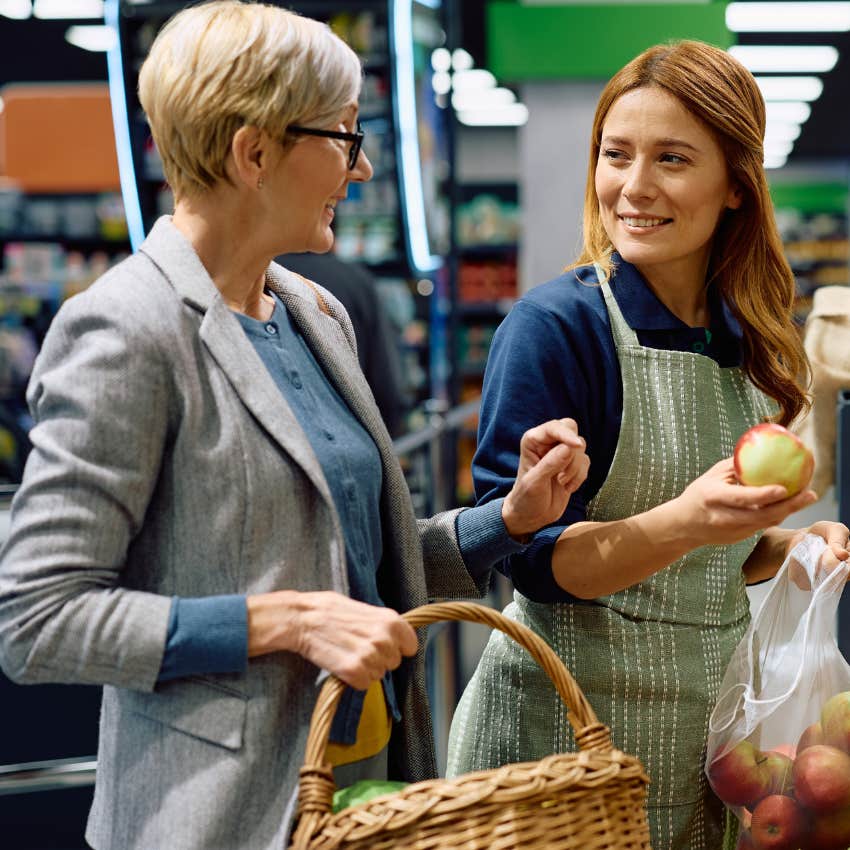
If a clerk at the grocery store isn't doing anything and looks bored, an empathetic person may choose their line over self-checkout simply to offer them some attention. Or if someone's clearly upset, they may take the time out of their day to offer them a compliment or extend them a smile.
That's why empathetic people tend to live longer, happier, and healthier lives — they regularly benefit from powerful social connections and conversations, even when they're not around anyone they know.
10. They're value-driven
Whether they're driven by traditional values or a desire to connect with people wherever they go, people who refuse to use the self-checkout at grocery stores almost always have these specific personality traits. They're not necessarily driven by convenience or efficiency, but by their own intrinsic motivations and values.
According to licensed therapist Loriann Oberlin, it's these kinds of people, with a value-driven life, that often feel more aligned and fulfilled. From who they vote for to what their daily routine consists of, everything comes back to a solid foundation of personal values and beliefs.
11. They're skeptical of 'convenience'
If someone's skeptical of "convenience" in our modern world, they're not just avoiding self-checkouts — they're likely also setting boundaries with their cellphones, making an intentional effort to avoid consumerism, and making space for conversations with strangers that the average person may overlook.
They acknowledge that instant gratification and convenience are only making people angrier and more disconnected, so if it takes a conversation at the grocery store to protect themselves from growing entitled, so be it.
Zayda Slabbekoorn is a senior editorial strategist with a bachelor's degree in social relations & policy and gender studies who focuses on psychology, relationships, self-help, and human interest stories.
